Loading video…


 14 Concepts
 60.6K views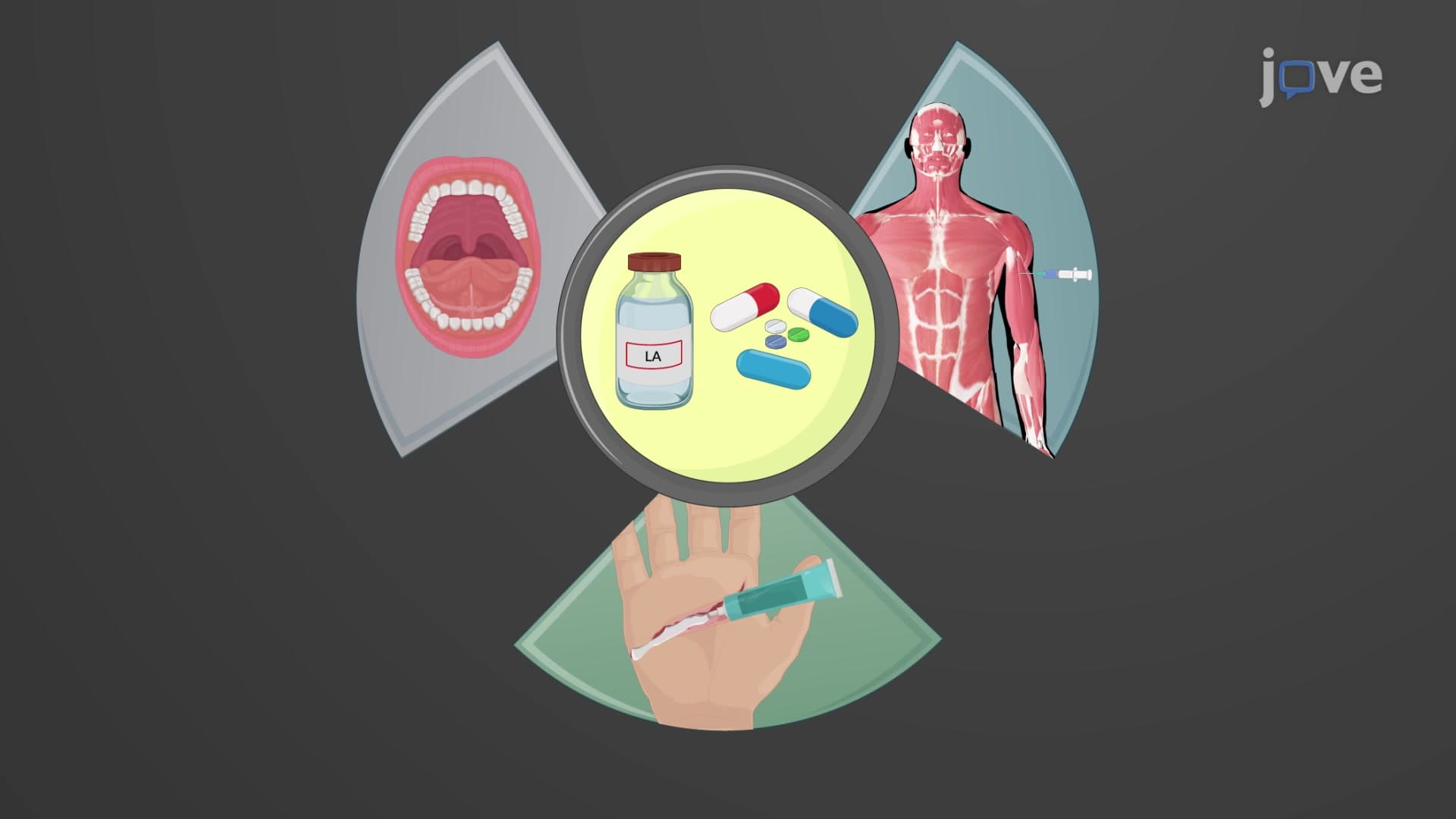

Video Summary: What Is Routes of Drug Administration
When you take an aspirin for a headache, receive a flu shot, or apply antibiotic ointment to a cut, you're experiencing different routes drug administration methods that determine how quickly and effectively medications work in your body. Understanding what is routes of drug administration becomes crucial when considering that the same drug can have vastly different effects depending on whether it's swallowed, injected, or applied topically-like how nitroglycerin works within seconds when placed under the tongue but takes much longer when swallowed as a pill. Watch the full video on JoVE Coach to master this concept with expert-led visuals and step-by-step explanations.
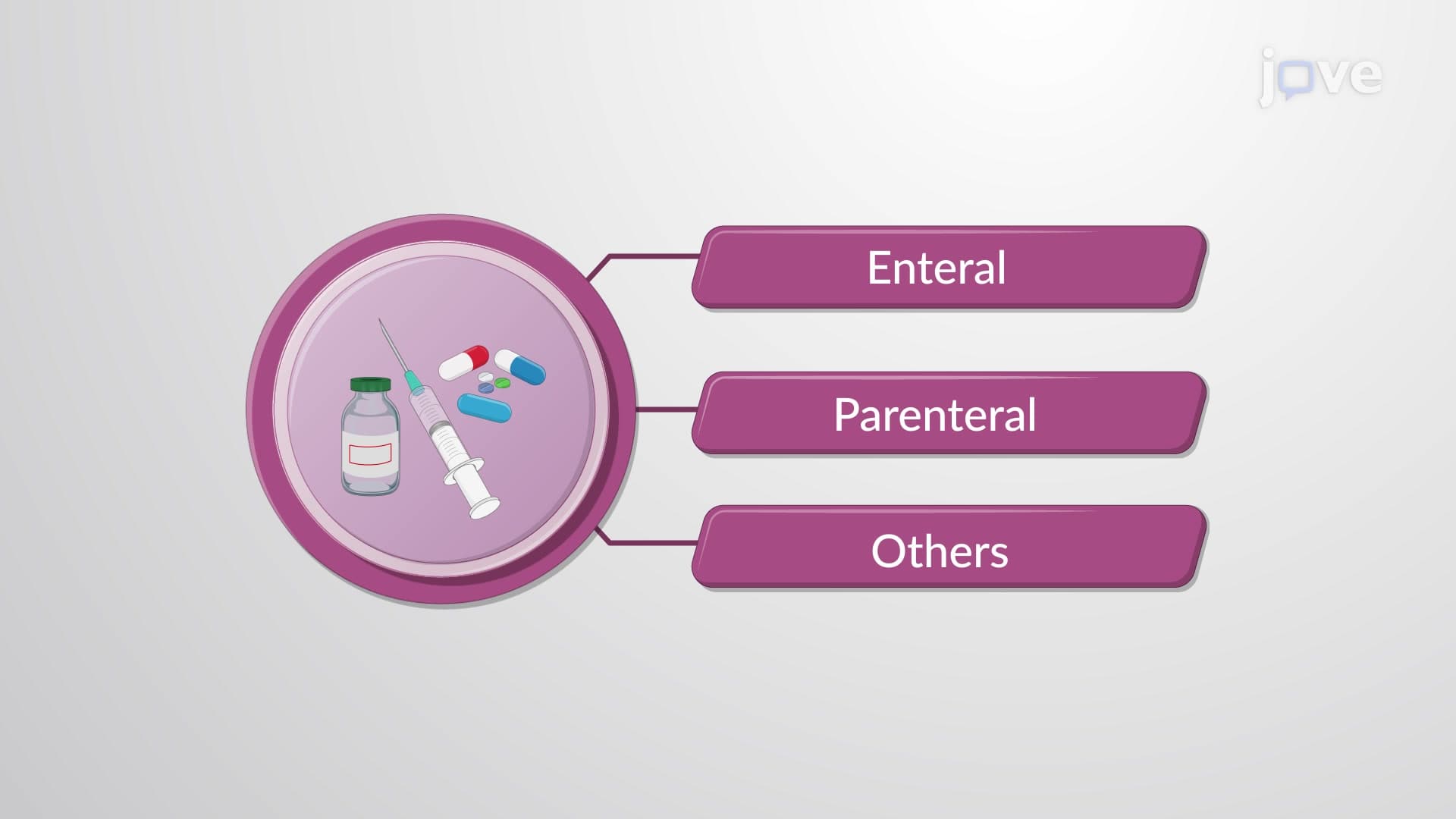
Routes of drug administration represent the various pathways through which medications enter the body to reach their target sites and produce therapeutic effects. The selection of an appropriate route depends on multiple factors including the drug's chemical properties, desired onset of action, patient condition, and treatment objectives. This concept forms a cornerstone of pharmacology and is essential for healthcare professionals, from EMTs administering emergency medications to pharmacists counseling patients on proper drug use.
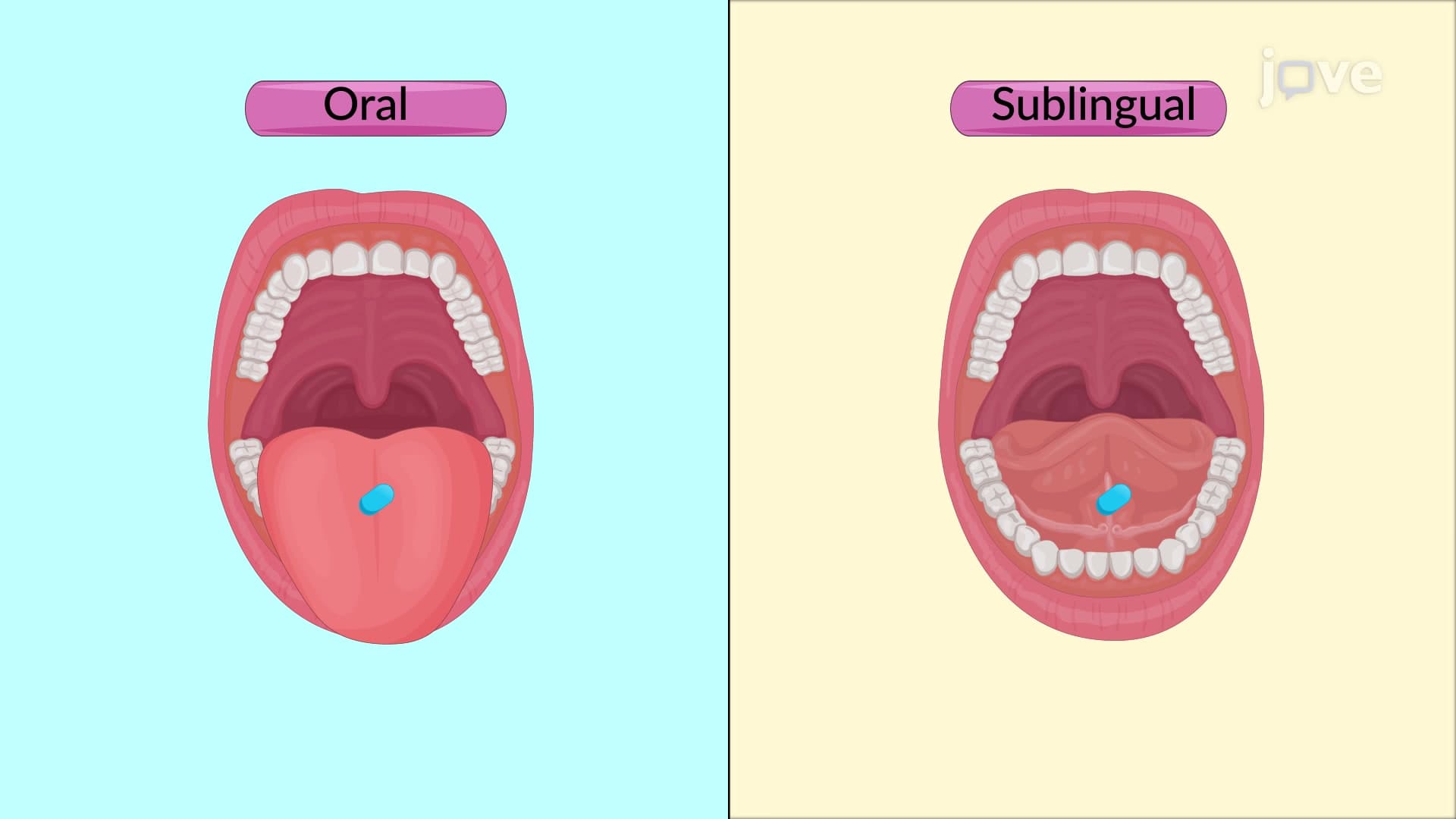
Enteral administration encompasses all routes that deliver drugs through the gastrointestinal system. Oral administration (peroral) remains the most common and convenient method, exemplified by everyday medications like ibuprofen tablets or liquid antibiotics. However, the oral route faces significant limitations due to the first-pass effect, where drugs undergo metabolism in the liver before reaching systemic circulation, potentially reducing bioavailability.
Sublingual administration, demonstrated by nitroglycerin tablets placed under the tongue for chest pain, bypasses hepatic metabolism by allowing direct absorption into venous circulation. Similarly, buccal administration utilizes the rich blood supply of the cheek's inner lining, as seen with certain hormone replacement therapies and pain medications.
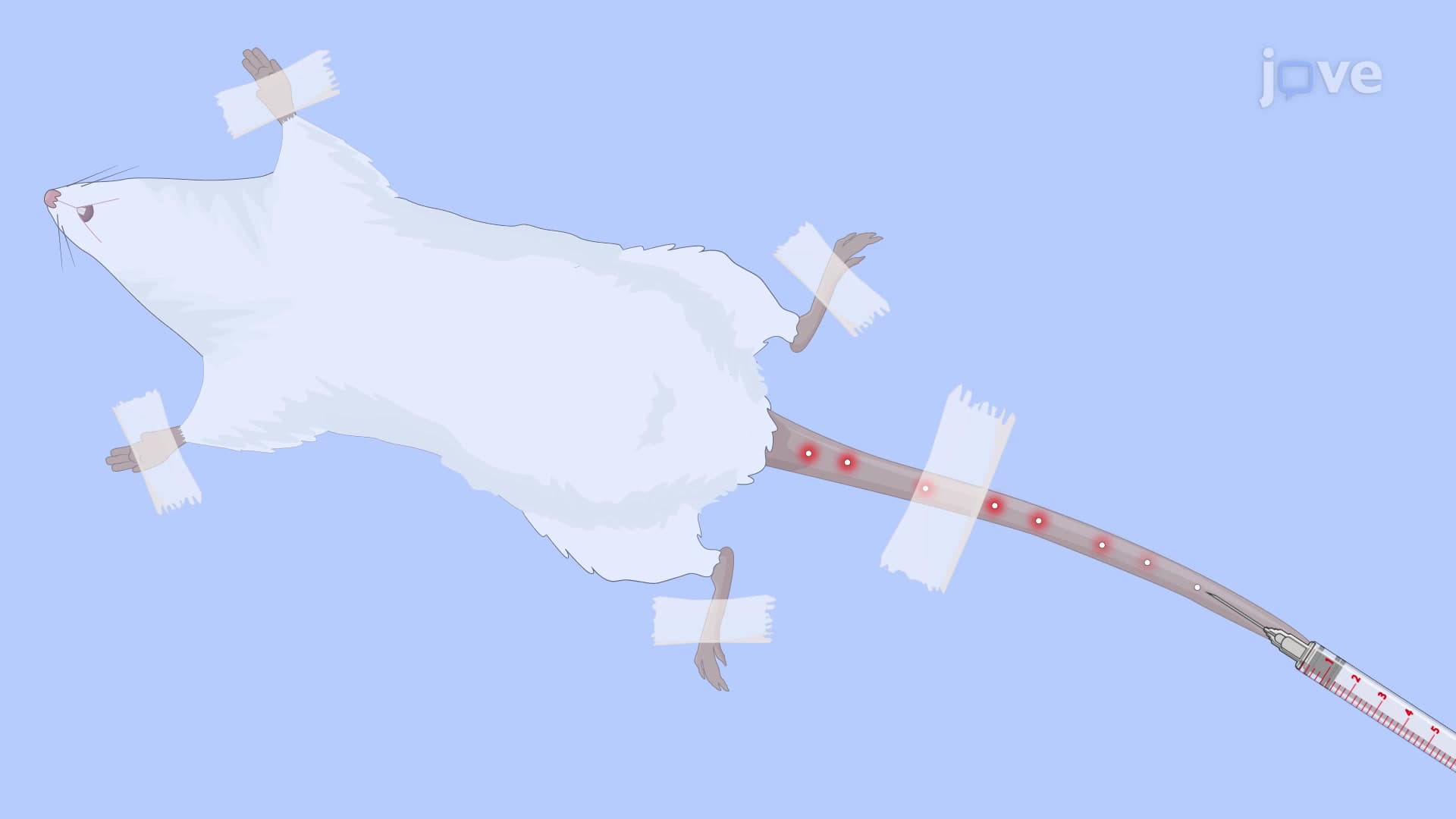
Parenteral administration provides direct access to the circulatory system, bypassing gastrointestinal absorption barriers. Intravenous (IV) injection offers 100% bioavailability with immediate onset, making it indispensable in emergency medicine-consider how EMTs administer epinephrine intravenously during severe allergic reactions for rapid life-saving effects.
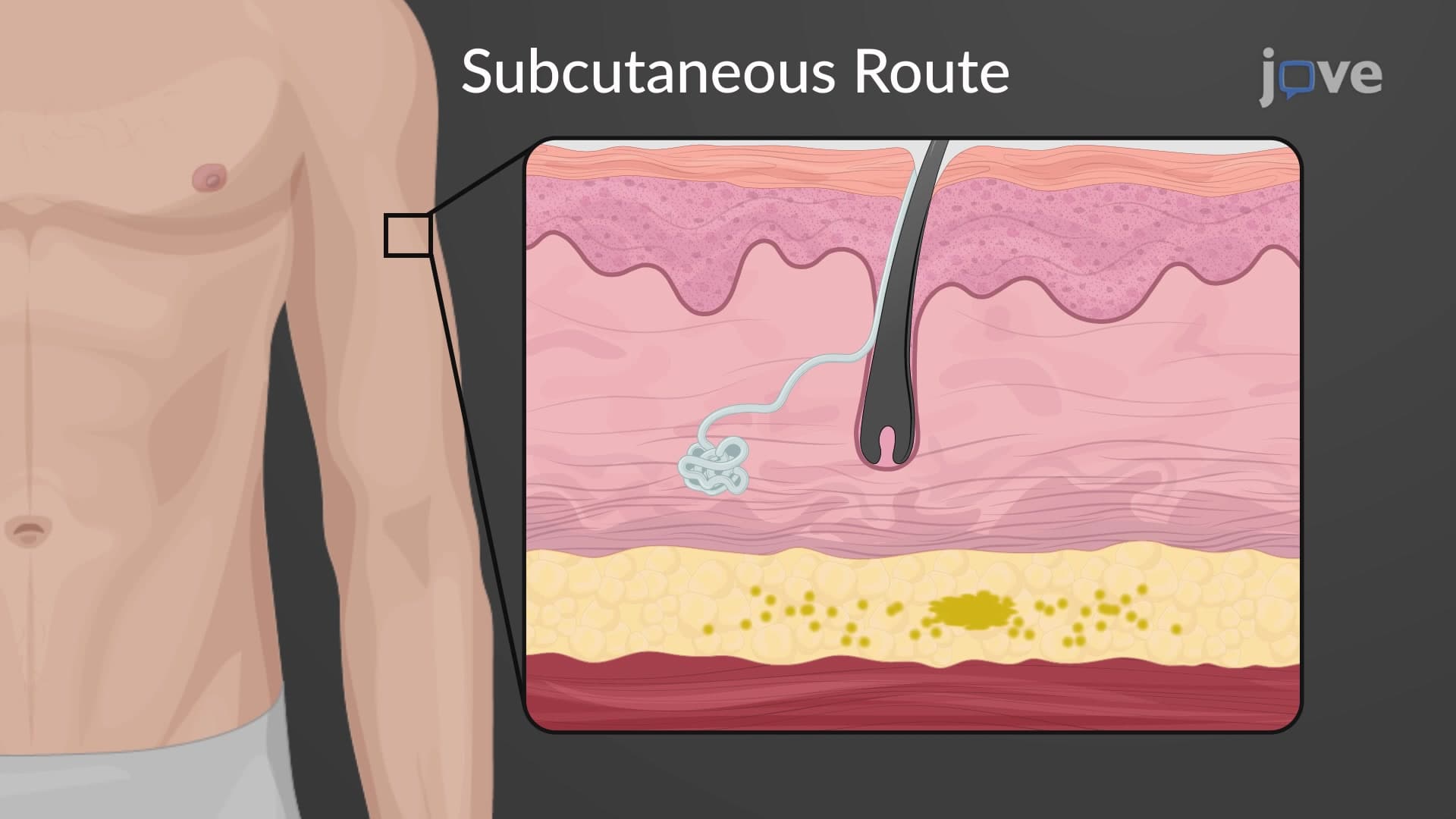
Intramuscular injection, commonly used for vaccines like the annual flu shot or tetanus boosters, provides sustained drug release through muscle tissue absorption. The deltoid muscle serves as a standard injection site due to its accessibility and adequate blood supply. Subcutaneous administration, utilized for insulin delivery in diabetes management, allows for slower, more controlled drug absorption through the fatty tissue beneath the skin.
Topical administration delivers medications directly to localized areas, minimizing systemic exposure while maximizing local therapeutic effects. Examples include hydrocortisone creams for skin inflammation, antibiotic ointments for wound care, and transdermal patches for nicotine replacement therapy or pain management.
Understanding these routes proves crucial for standardized exams like the MCAT, where students must predict drug behavior based on administration methods, or the NCLEX, where nurses demonstrate competency in medication administration safety and patient education.
Related Micro-courses