Loading video…


 13 Concepts
 21.4K views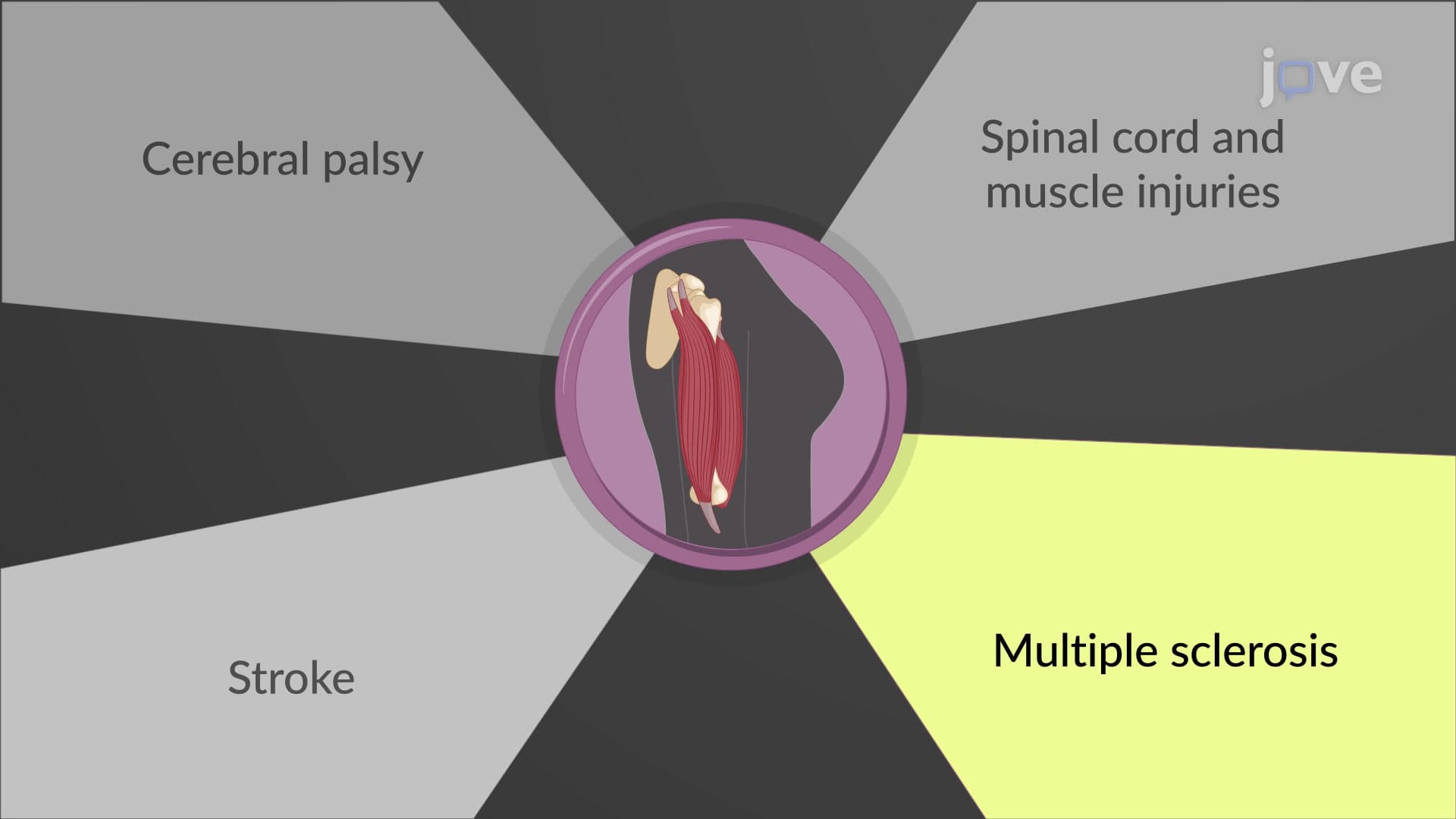

Video Summary: Centrally Acting Muscle Relaxants Therapeutic Uses Explained
Did you know that muscle relaxants prescribed after sports injuries work differently than those used for conditions like cerebral palsy? Centrally acting muscle relaxants target specific brain and spinal cord receptors to reduce muscle tension through two distinct pathways. For instance, a high school football player with acute back spasms might receive cyclobenzaprine, while a multiple sclerosis patient uses baclofen for chronic spasticity. Understanding centrally acting muscle relaxants therapeutic uses explained reveals why doctors choose different medications for different muscle problems. Watch the full video on JoVE Coach to master this concept with expert-led visuals and step-by-step explanations.
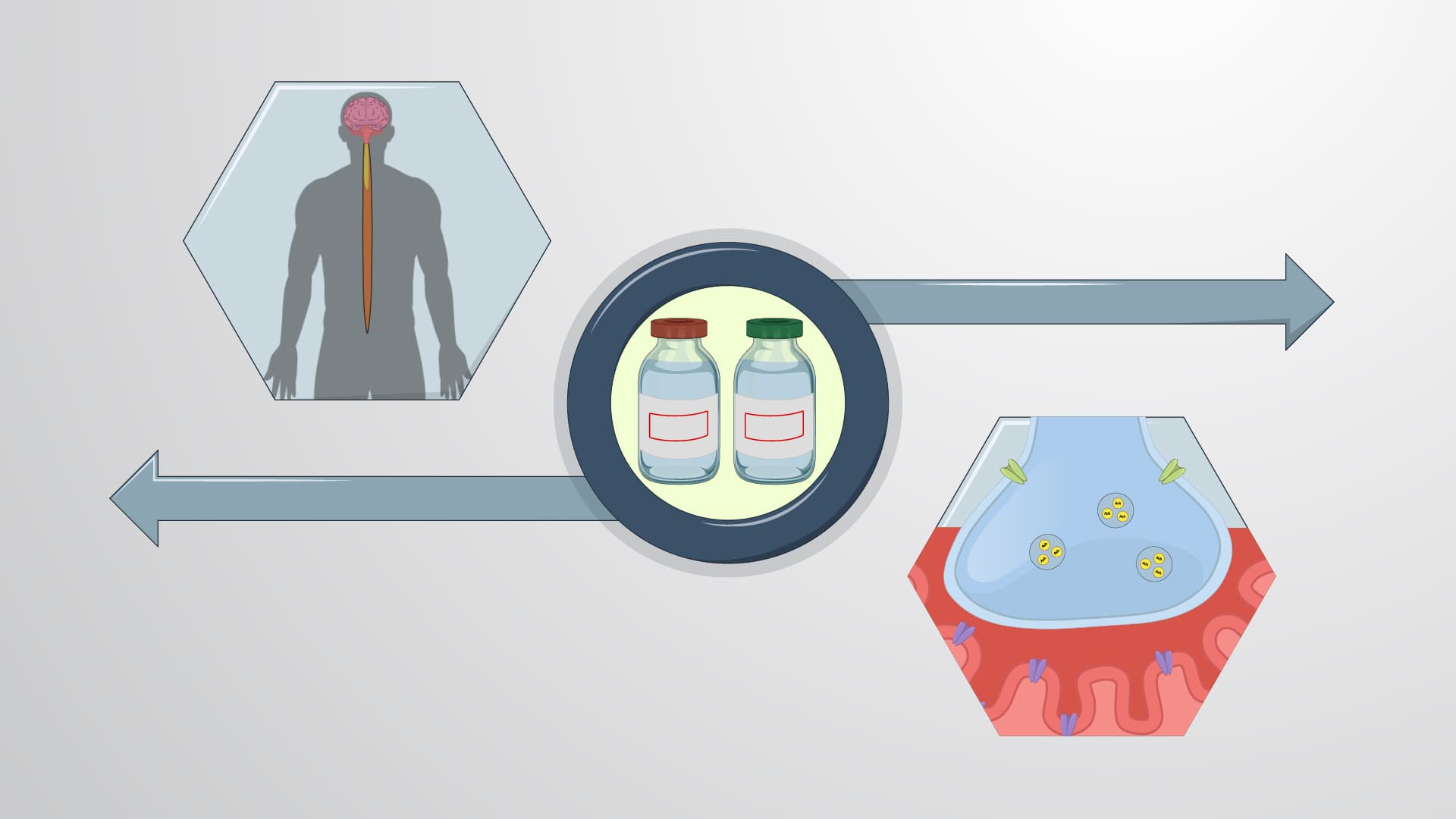
Centrally acting muscle relaxants represent a crucial class of medications that work within the brain and spinal cord to manage muscle-related disorders. Unlike peripherally acting muscle relaxants that work directly at the neuromuscular junction, these drugs target receptors in the central nervous system to modify muscle tone and reflexes. This distinction is essential for AP Biology students studying neuropharmacology and appears frequently on MCAT questions about drug mechanisms.
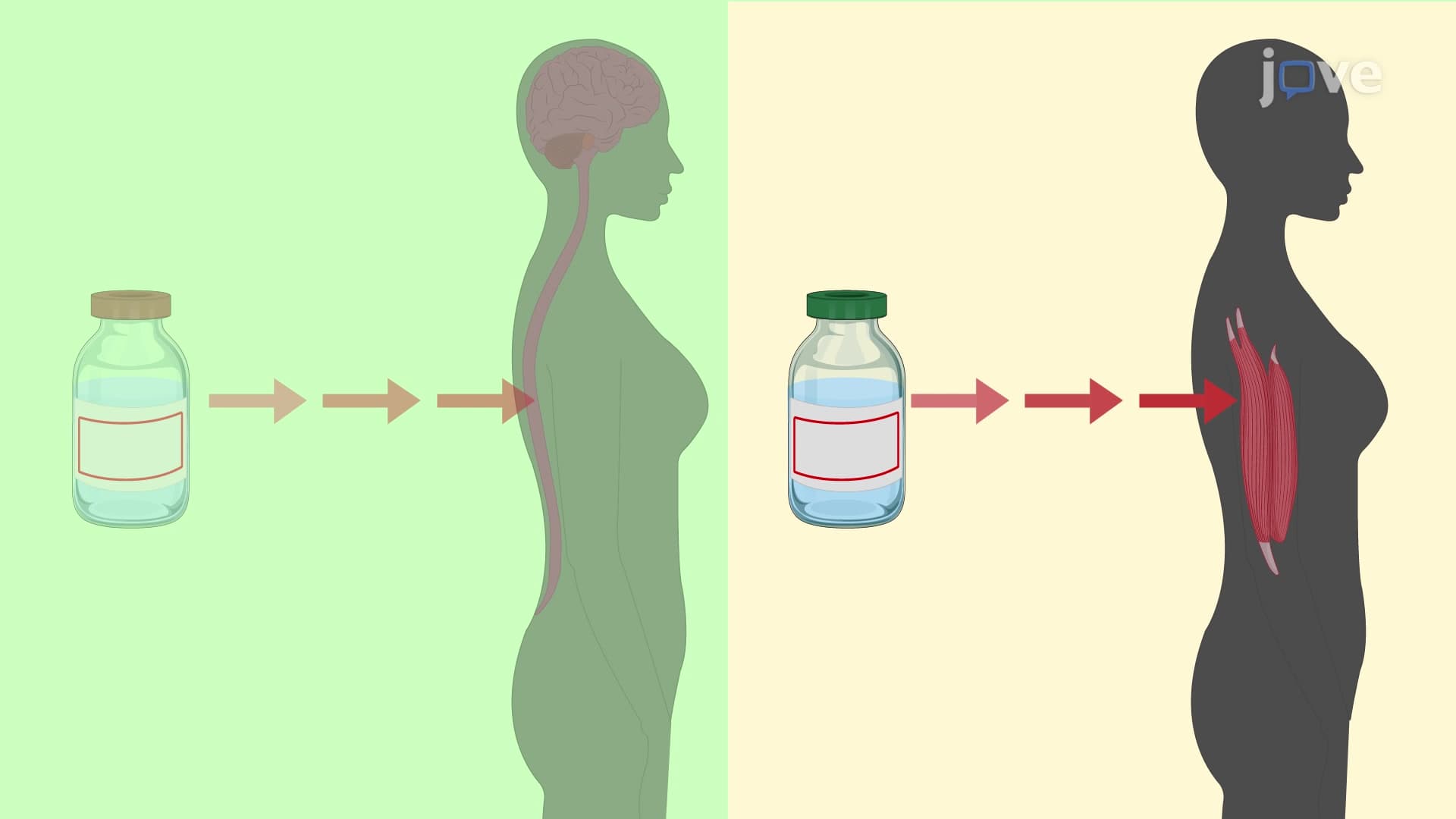
Spasmolytic medications focus on inhibiting spinal motor neurons to decrease overall muscle tone. These drugs are particularly effective for chronic conditions affecting muscle control. Baclofen, a GABA-B receptor agonist, is commonly prescribed for multiple sclerosis patients at major medical centers like Johns Hopkins and Mayo Clinic. The drug mimics the action of gamma-aminobutyric acid, the brain's primary inhibitory neurotransmitter, effectively "calming down" overactive neural circuits.
Diazepam, another GABA agonist, serves dual purposes as both an anti-anxiety medication and muscle relaxant. Tizanidine takes a different approach as an alpha-2 adrenoceptor agonist, reducing spasticity by decreasing the release of excitatory neurotransmitters in the spinal cord. These mechanisms are frequently tested concepts on USMLE Step 1 examinations.
Antispasmodic drugs primarily target the brainstem to reduce hyperactive muscle reflexes associated with acute injuries. Cyclobenzaprine, often prescribed in emergency departments across the United States for acute lower back pain, acts on the brainstem's reticular formation. This drug is structurally similar to tricyclic antidepressants, explaining some of its side effects.
Methocarbamol and orphenadrine work through similar brainstem mechanisms but with different side effect profiles. College students studying for NCLEX or HESI A2 exams should note that these drugs commonly cause anticholinergic effects like dry mouth, constipation, and urinary retention due to their action on acetylcholine receptors.
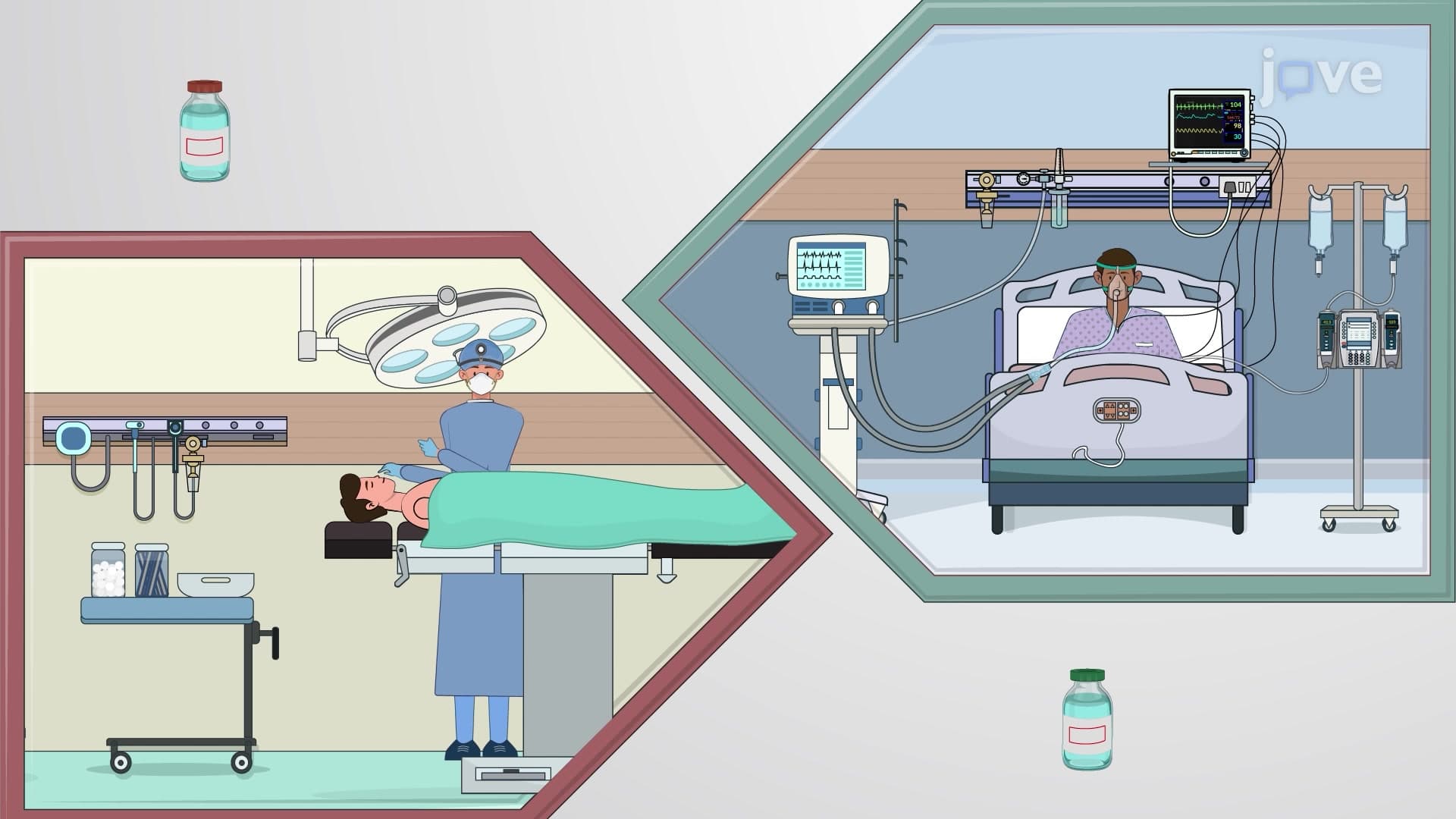
The therapeutic selection between spasmolytic and antispasmodic drugs depends on the underlying condition. Stroke rehabilitation programs at facilities like the Rehabilitation Institute of Chicago utilize spasmolytics for long-term spasticity management, while sports medicine clinics typically prescribe antispasmodics for acute athletic injuries.
Withdrawal considerations are critical for patient safety. Abrupt discontinuation of baclofen can lead to potentially life-threatening rebound spasticity, making gradual tapering essential. This concept frequently appears on pharmacy school examinations and nursing certification tests, emphasizing the importance of patient education about medication compliance.
Related Micro-courses