Loading video…


 13 Concepts
 21.4K views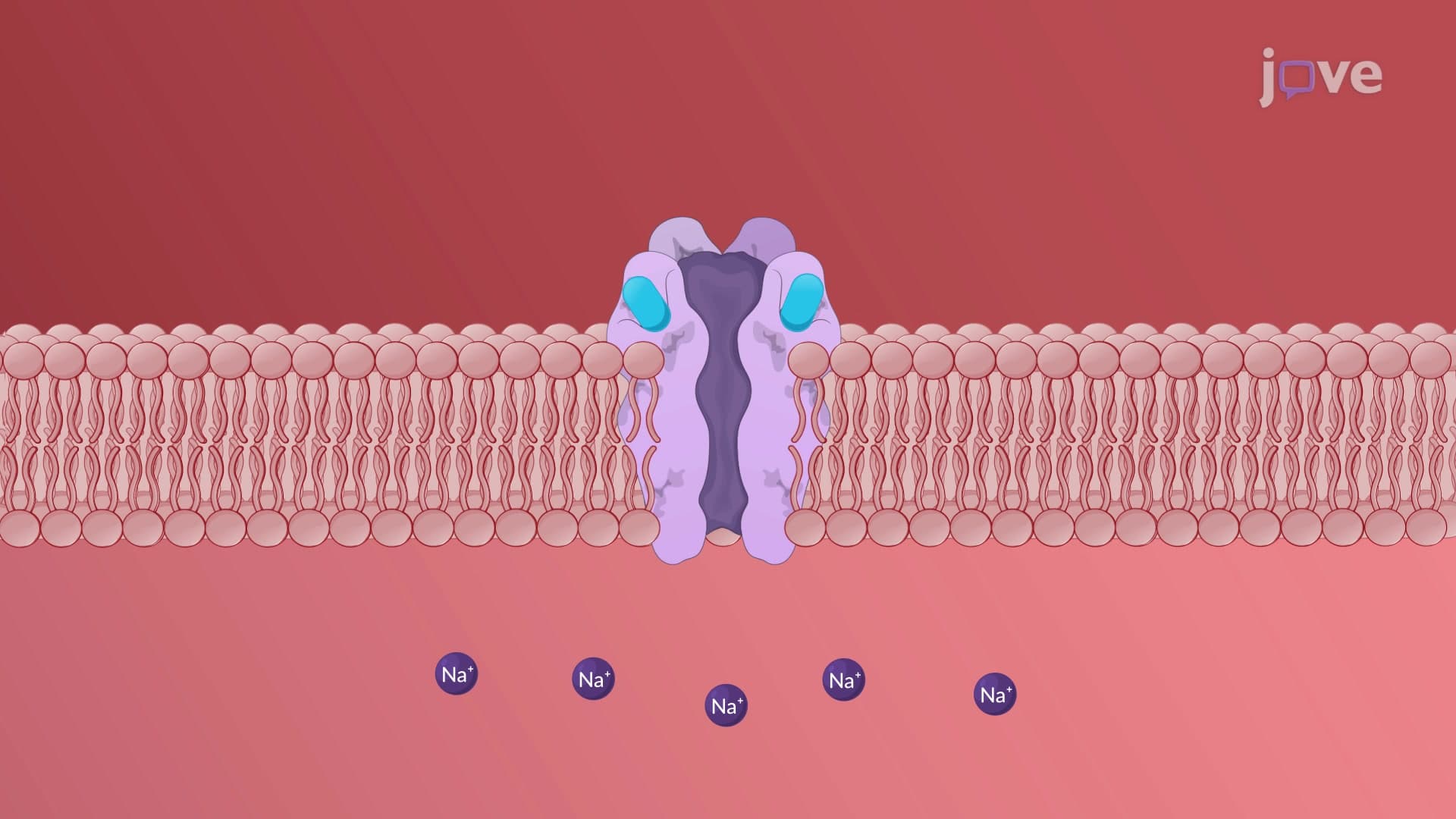

Video Summary: Depolarizing Blockers Mechanism of Action Explained
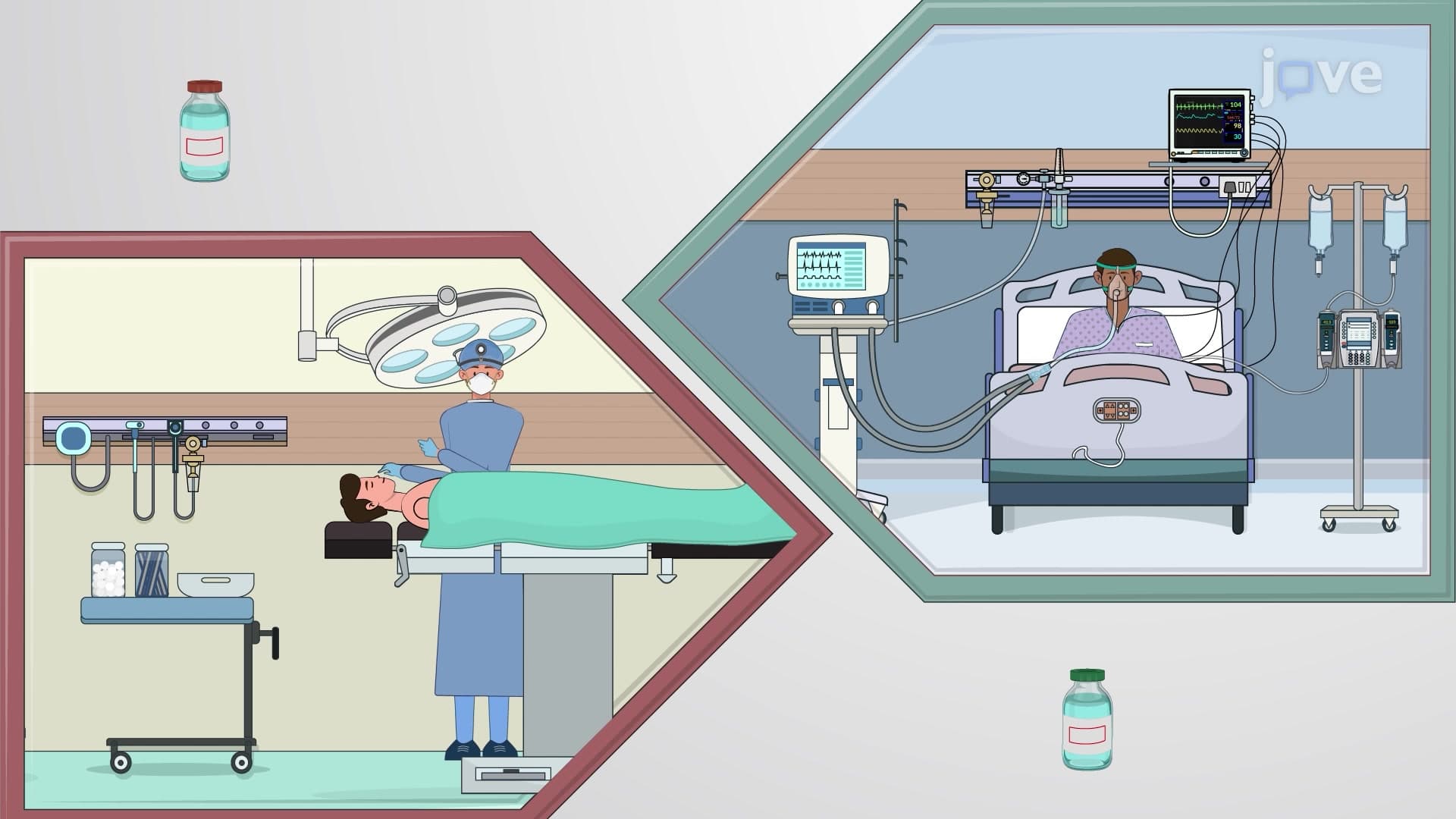
During emergency intubation procedures in US hospitals, anesthesiologists rely on rapid-acting muscle relaxants to ensure patient safety. The depolarizing blockers mechanism action involves a fascinating two-phase process where these medications first activate, then disable muscle contraction pathways. Succinylcholine, the most common depolarizing blocker used in American operating rooms, can paralyze muscles within 60 seconds by mimicking acetylcholine but resisting breakdown. Watch the full video on JoVE Coach to master this concept with expert-led visuals and step-by-step explanations.
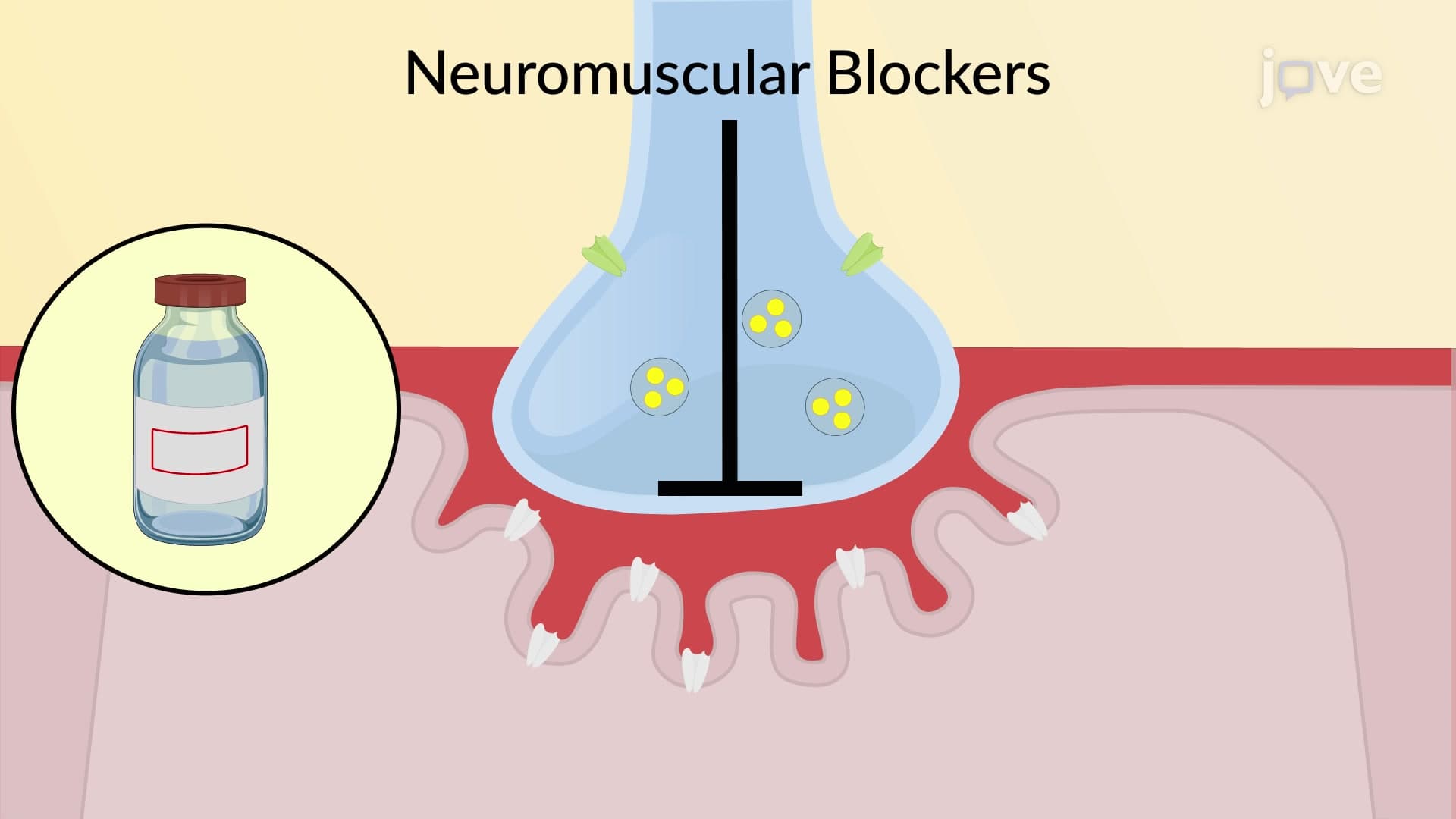
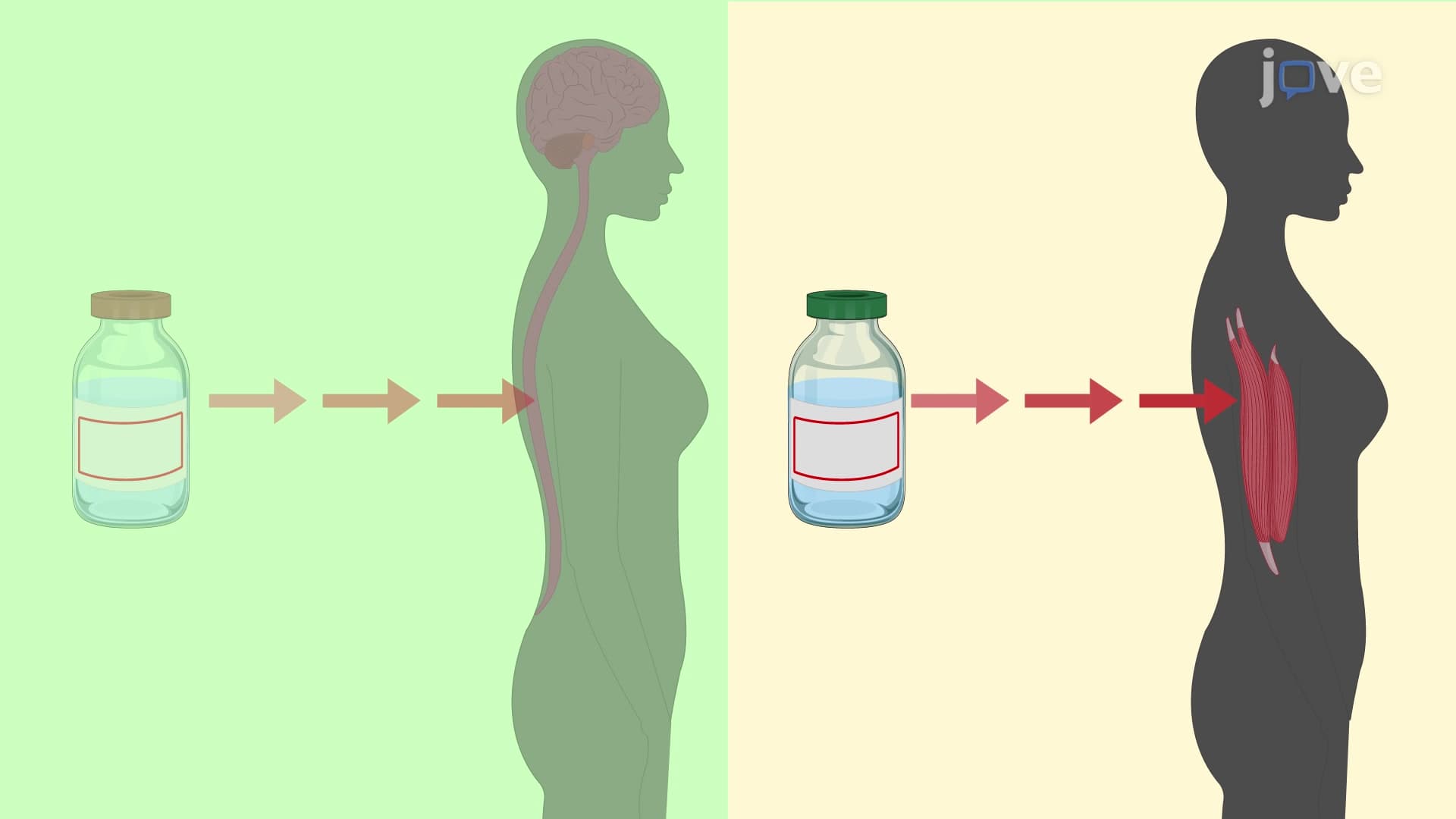
Depolarizing neuromuscular blocking agents represent a critical class of anesthetic medications that temporarily disable voluntary muscle movement through a sophisticated cellular mechanism. Unlike competitive antagonists that simply block receptors, depolarizing blockers actually activate nicotinic acetylcholine receptors before rendering them unresponsive, creating a unique two-phase paralysis process essential for modern surgical procedures.
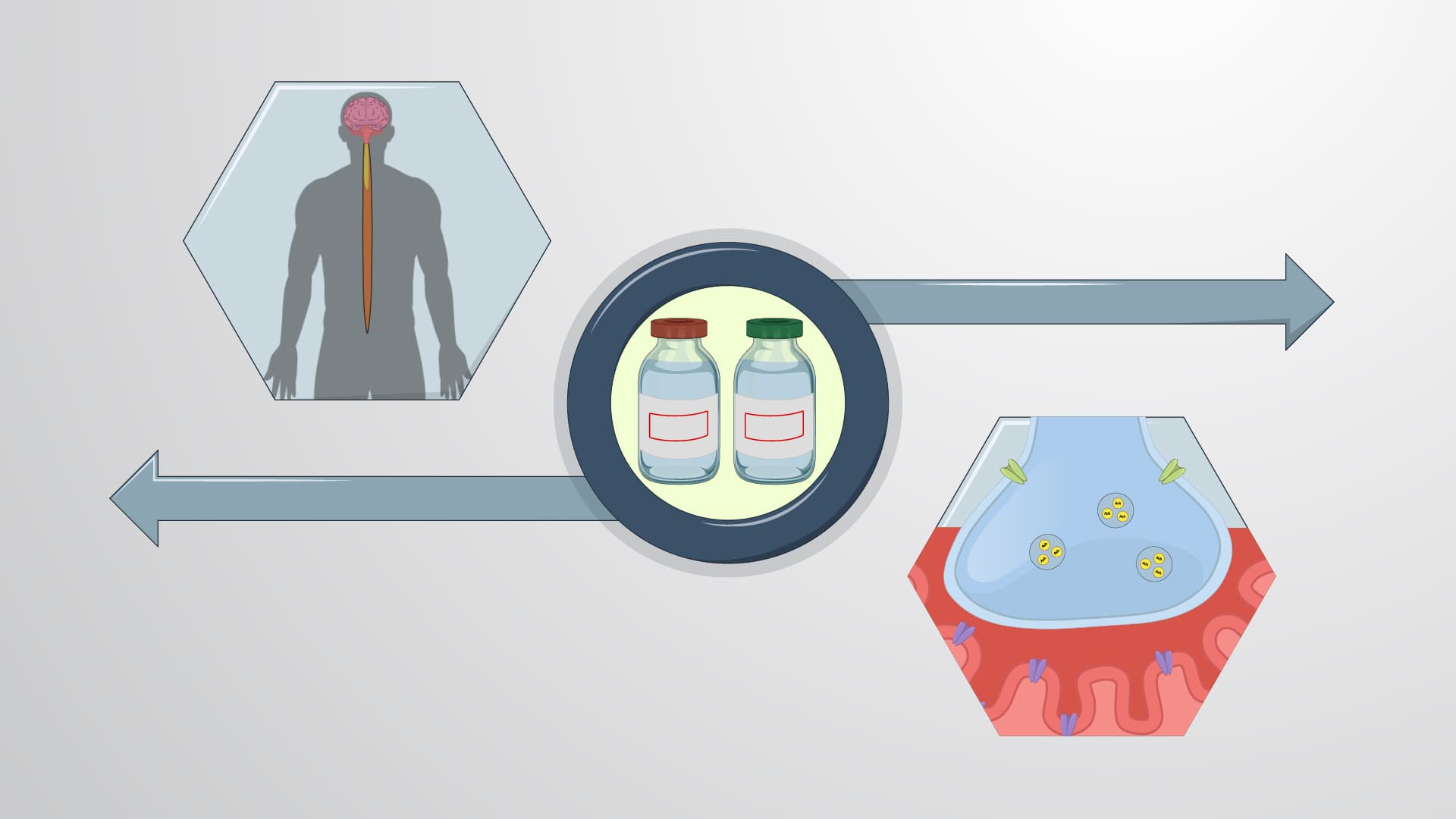
Succinylcholine, the prototypical depolarizing blocker used throughout American hospitals, possesses a molecular structure remarkably similar to acetylcholine-the body's natural neurotransmitter for muscle contraction. This structural mimicry allows succinylcholine to bind effectively to nicotinic receptors located at motor endplates, the specialized synapses between motor neurons and skeletal muscle fibers. However, unlike acetylcholine, succinylcholine contains modifications that make it resistant to breakdown by acetylcholinesterase, the enzyme responsible for rapidly clearing acetylcholine from synapses under normal circumstances.
When succinylcholine binds to nicotinic receptors, it triggers immediate sodium channel opening, causing massive sodium ion influx and membrane depolarization. This initial depolarization actually excites muscle fibers, producing visible fasciculations-involuntary muscle twitches that anesthesiologists observe before complete paralysis sets in. During this Phase I blockade, the persistent depolarization prevents normal repolarization cycles, effectively silencing action potential generation. Students preparing for the MCAT or advanced physiology courses should understand that this paradoxical excitation-then-paralysis mechanism distinguishes depolarizing from non-depolarizing neuromuscular blockers.
As succinylcholine gradually diffuses away from receptor sites, sodium channels close and membrane potential returns toward resting levels. However, prolonged receptor activation triggers desensitization-a protective mechanism where receptors become temporarily unresponsive to further acetylcholine binding. This Phase II blockade produces complete muscle paralysis without fasciculations, creating optimal surgical conditions. The transition from Phase I to Phase II typically occurs within 5-10 minutes in clinical practice, making succinylcholine ideal for rapid sequence intubation protocols used in US emergency departments and operating rooms.
Related Micro-courses