Loading subject page…


21,352 views


Video Summary: Directly Acting Muscle Relaxants Dantrolene Explained
Did you know that during surgery at Johns Hopkins Hospital, certain anesthetics can trigger a potentially fatal condition where body temperature spikes to 109°F? Directly acting muscle relaxants like dantrolene work differently from typical muscle medications by targeting muscle cells themselves rather than the nervous system. This life-saving mechanism makes dantrolene essential in operating rooms across America for treating malignant hyperthermia emergencies. Watch the full video on JoVE Coach to master this concept with expert-led visuals and step-by-step explanations.
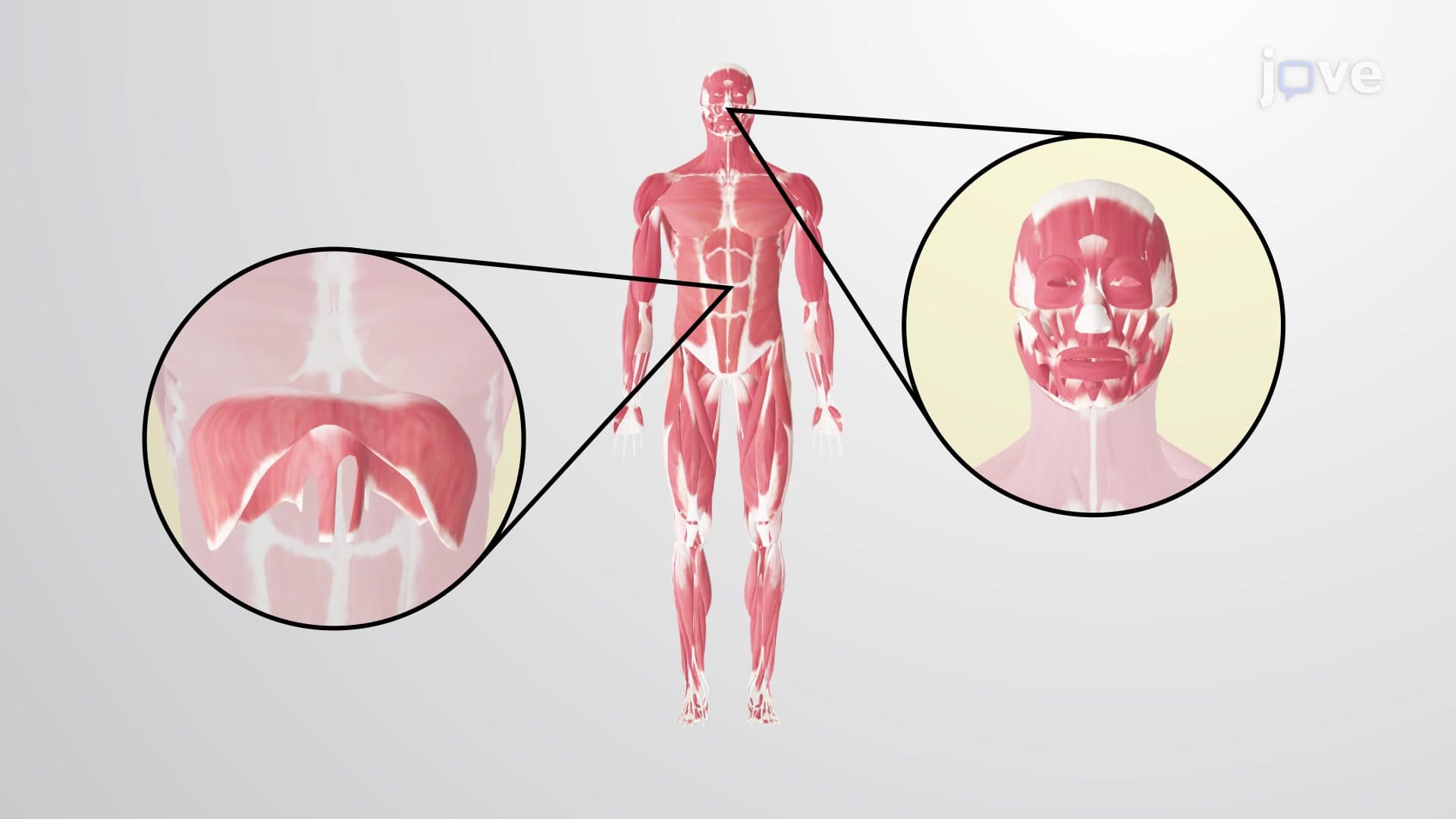
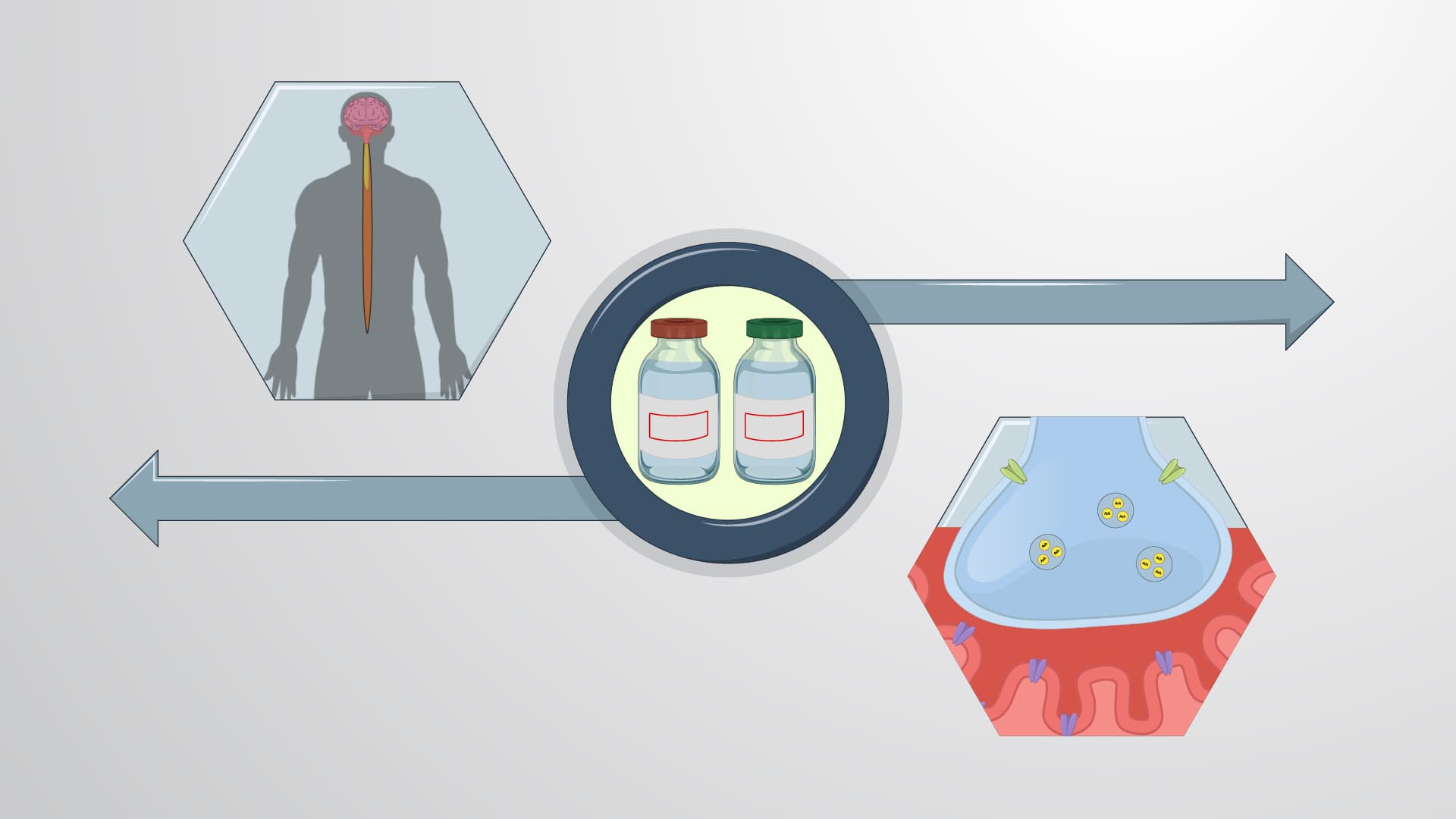
Unlike conventional muscle relaxants that work through the central nervous system, directly acting muscle relaxants target muscle tissue itself. This fundamental difference creates unique therapeutic opportunities for conditions where central nervous system intervention proves inadequate or inappropriate. Dantrolene represents the most clinically significant example of this drug class, particularly in American hospitals where malignant hyperthermia protocols are standard.
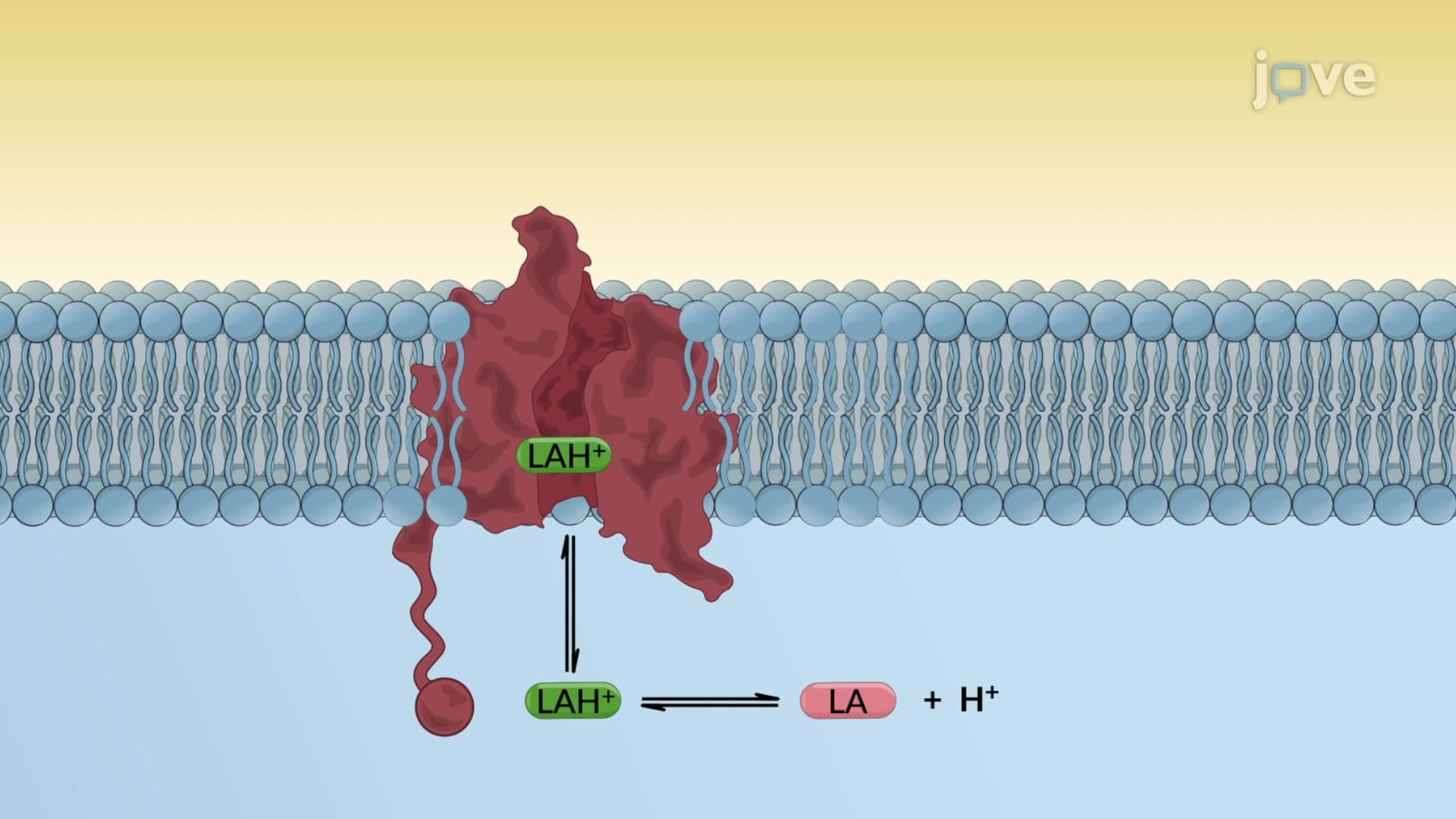
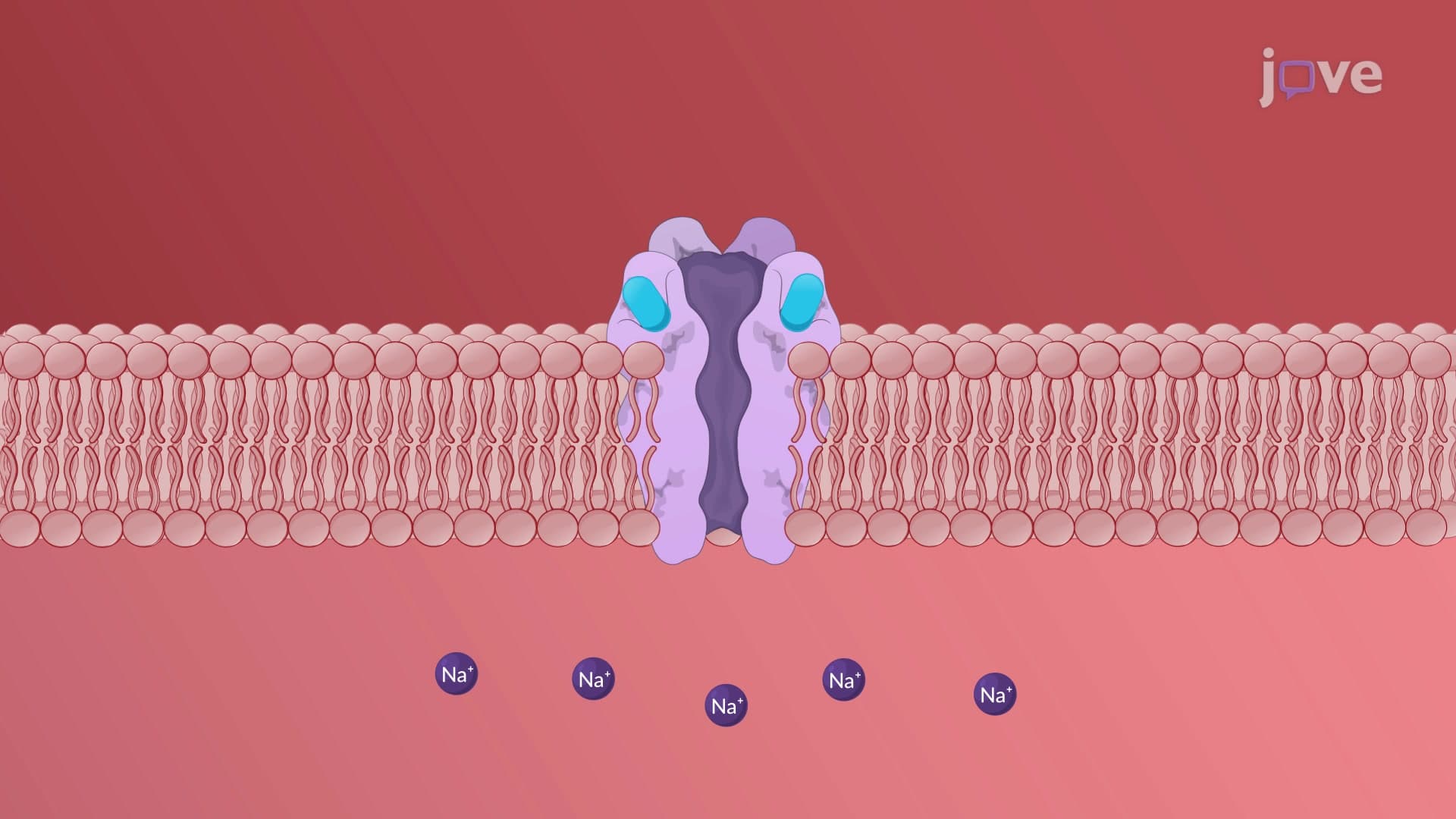
Dantrolene's effectiveness stems from its precise interaction with ryanodine receptors (RYR1) located on skeletal muscle cell membranes. These receptors normally facilitate calcium release from the sarcoplasmic reticulum, the muscle cell's calcium storage compartment. When dantrolene binds to RYR1, it blocks calcium ion release, effectively interrupting the excitation-contraction coupling process. This mechanism proves crucial during malignant hyperthermia episodes, where excessive calcium release triggers uncontrolled muscle contractions and dangerous heat production.
At institutions like Mayo Clinic and Cleveland Clinic, anesthesiologists maintain dantrolene supplies specifically for these emergencies. The drug's ability to reduce actin-myosin interactions directly addresses the pathophysiology of malignant hyperthermia, making it a first-line treatment that can mean the difference between life and death.
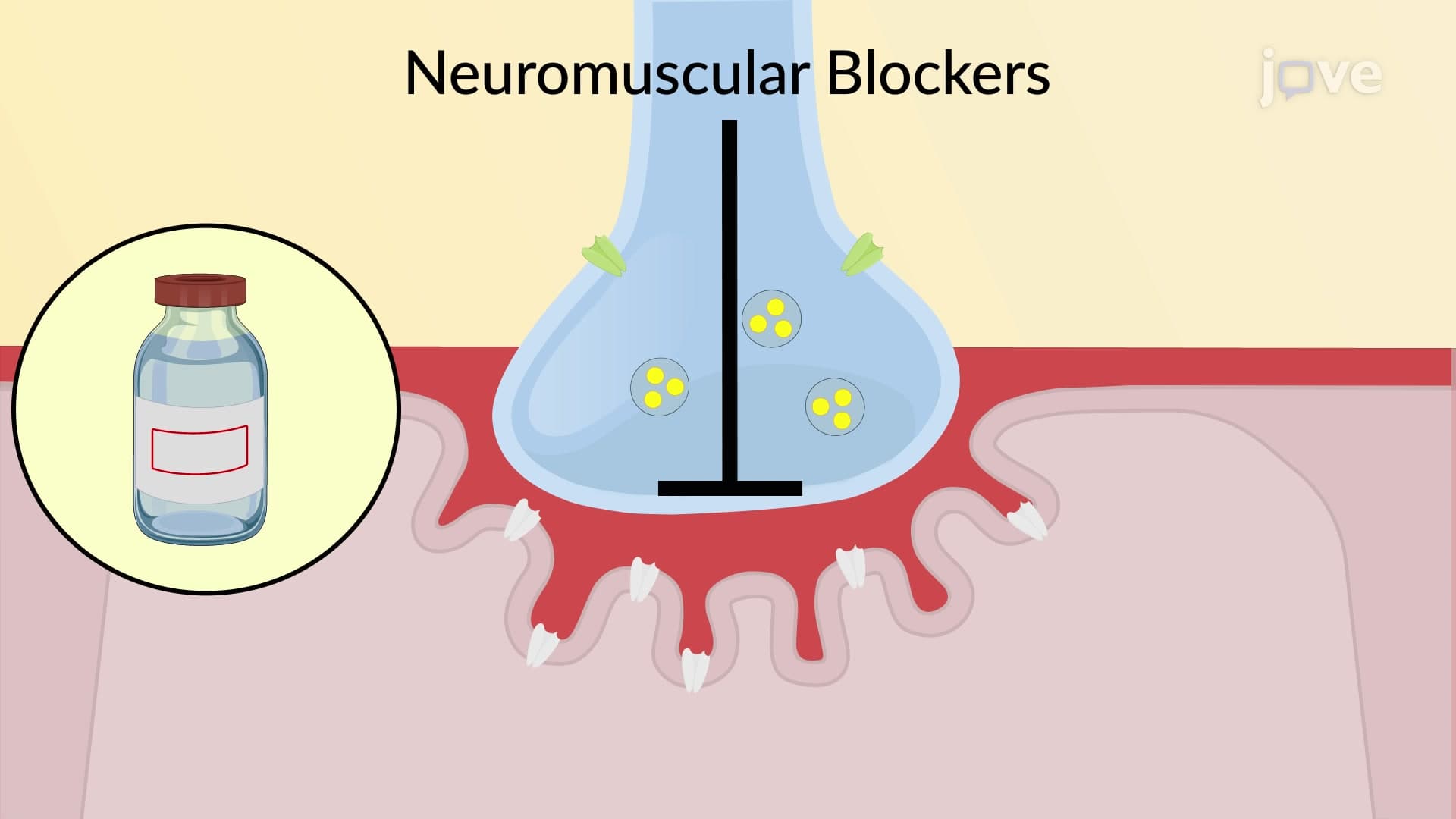
While dantrolene works intracellularly, botulinum toxin operates at the neuromuscular junction through a different direct-acting mechanism. This toxin targets vesicle fusion proteins including SNAP-25 and synaptobrevin-2, essential components for acetylcholine release. The proteolytic cleavage of these proteins prevents neurotransmitter exocytosis, resulting in muscle paralysis without affecting the muscle cell's internal machinery.
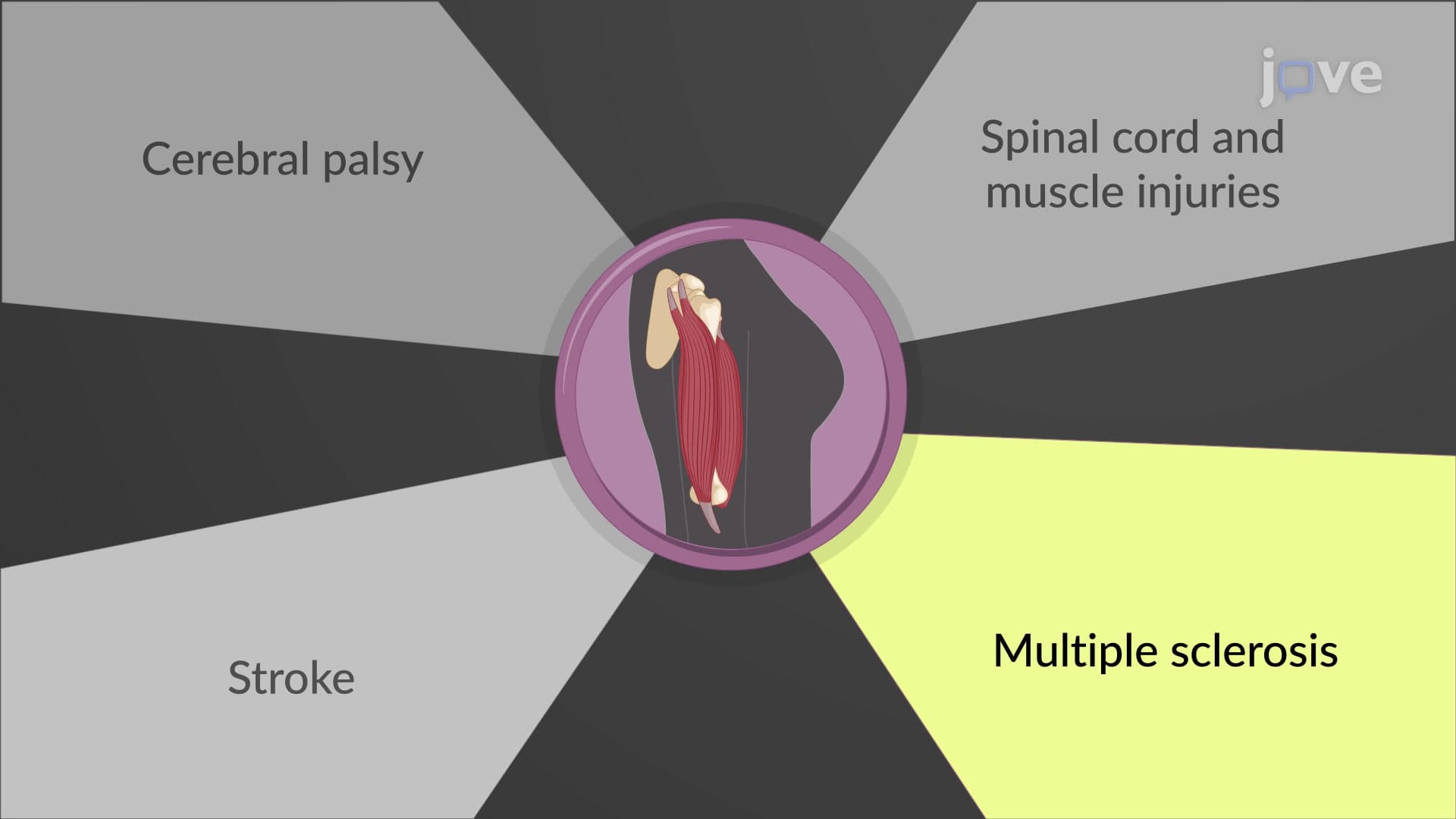
This distinction becomes particularly relevant for medical students preparing for the MCAT or USMLE examinations. Understanding that both drugs act directly on muscle tissue but through different pathways helps differentiate their therapeutic applications-dantrolene for malignant hyperthermia and muscle spasticity, botulinum toxin for spastic disorders like cerebral palsy.
For students taking AP Biology or college-level physiology courses, these mechanisms illustrate fundamental principles of cellular communication and drug action. The calcium-dependent nature of muscle contraction, demonstrated through dantrolene's effects, frequently appears on standardized examinations. Similarly, understanding protein cleavage mechanisms and vesicle fusion processes provides essential knowledge for advanced biological sciences study.
Related Micro-courses