Loading subject page…


21,352 views


Video Summary: Nondepolarizing Competitive Neuromuscular Blockers Mechanism Explained
Ever wondered why patients remain perfectly still during surgery even with their eyes open? Nondepolarizing competitive neuromuscular blockers work like molecular bouncers at muscle receptors, preventing any movement commands from reaching their destination. During procedures at hospitals like Johns Hopkins, anesthesiologists rely on understanding the nondepolarizing competitive neuromuscular blockers mechanism explained to ensure patient safety and surgical precision. Watch the full video on JoVE Coach to master this concept with expert-led visuals and step-by-step explanations.
Nondepolarizing competitive neuromuscular blockers represent a sophisticated class of pharmaceutical agents that temporarily disable muscle function through precise molecular interactions. Unlike their depolarizing counterparts, these medications work by occupying receptor sites without triggering the normal cellular response, creating a reversible "lock" on muscle activation.
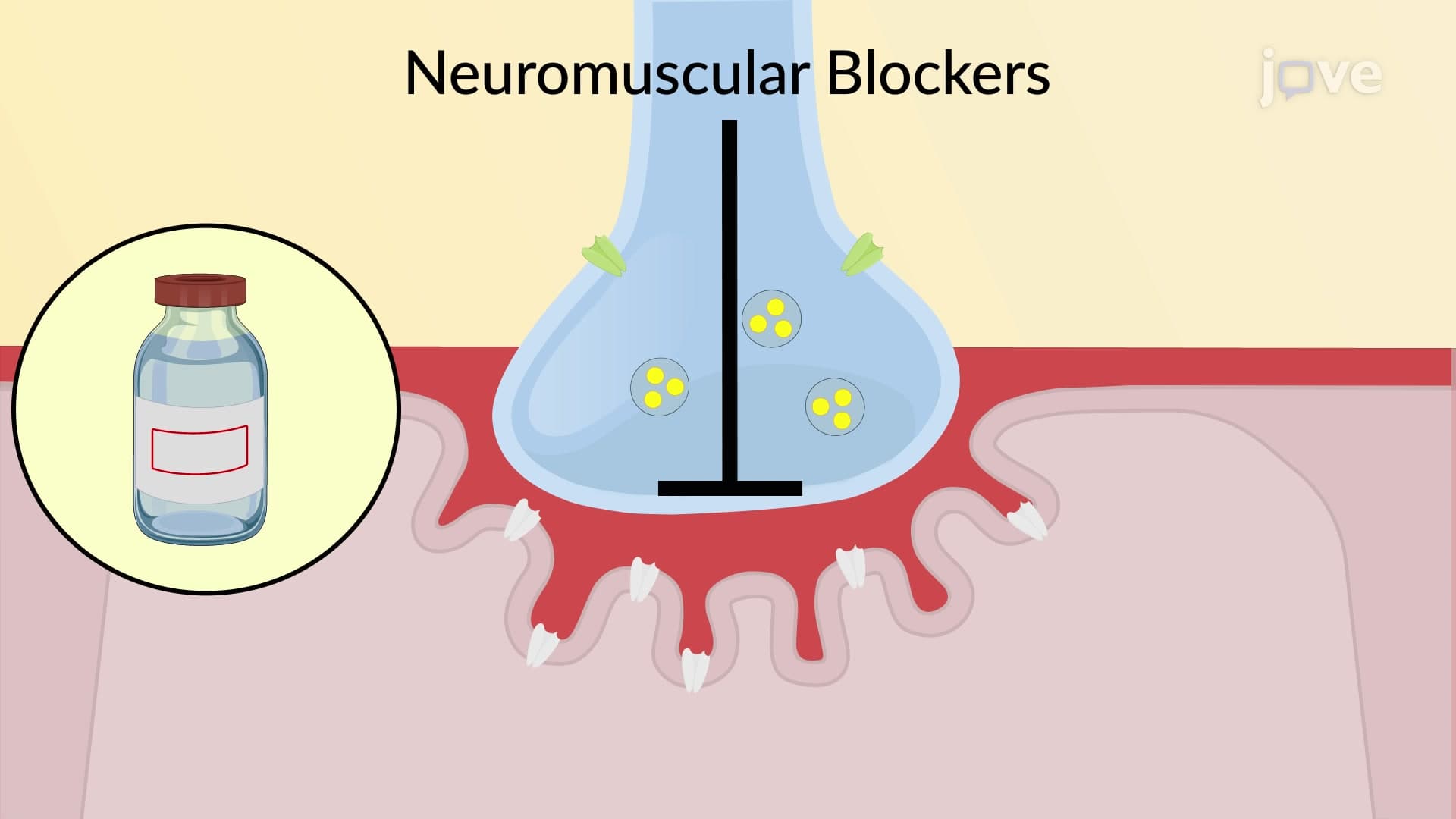
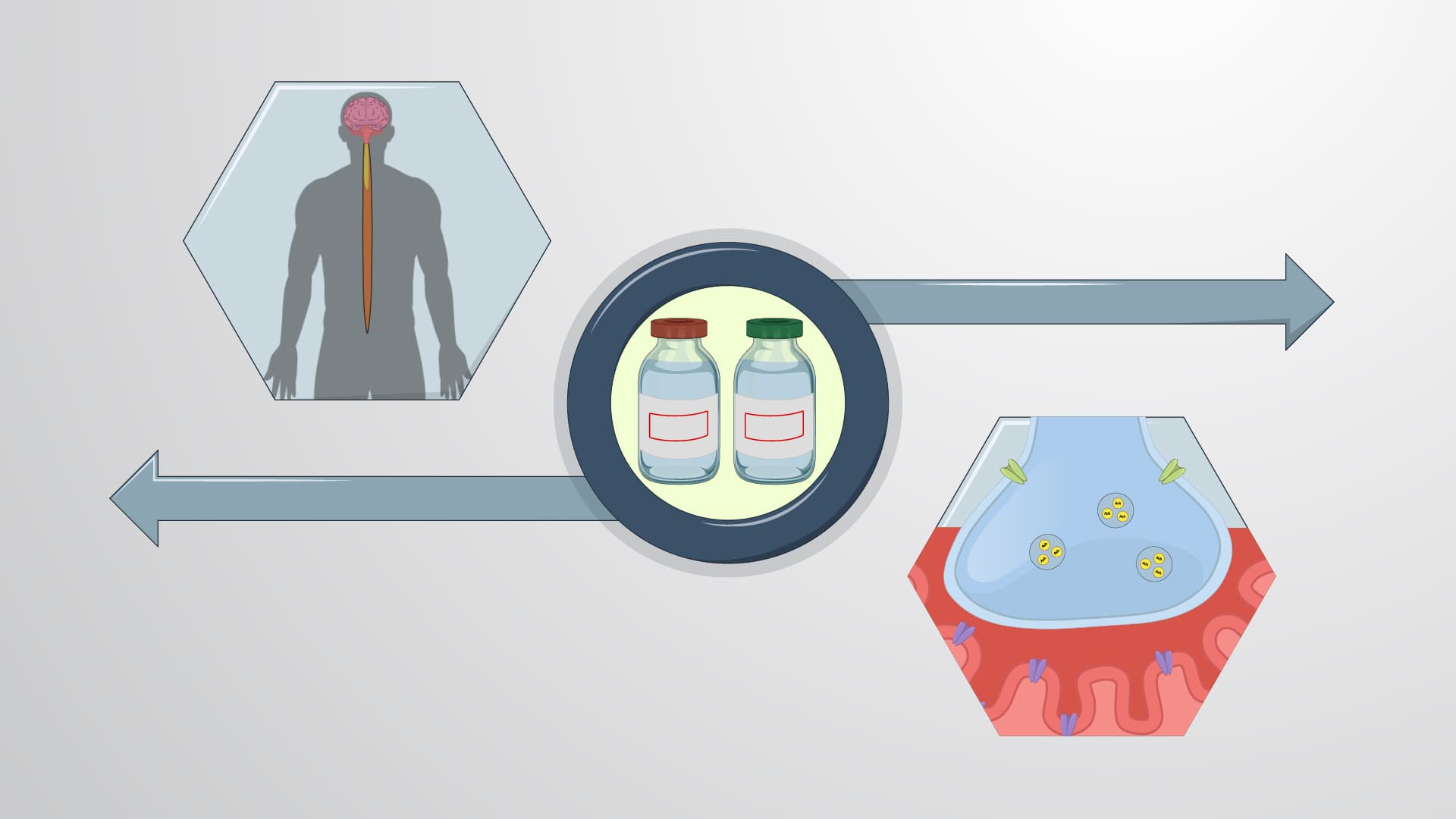
The fundamental mechanism revolves around competitive inhibition at nicotinic acetylcholine receptors (nAChRs) located on muscle fiber membranes. These blockers share structural similarities with acetylcholine (ACh), the body's natural neurotransmitter, allowing them to successfully compete for the same binding sites. However, their larger, more complex molecular architecture prevents the conformational changes that normally open ion channels.
When acetylcholine reaches the motor end plate under normal circumstances, it binds to nAChRs and triggers rapid sodium and calcium influx, leading to muscle depolarization and contraction. Nondepolarizing blockers disrupt this process by binding to the same receptors but failing to activate them, effectively creating a molecular "parking spot" that prevents productive acetylcholine binding.
Healthcare professionals can reverse these effects using acetylcholinesterase (AChE) inhibitors like neostigmine or edrophonium. These reversal agents work by preventing acetylcholine breakdown, dramatically increasing its concentration at the synaptic cleft. Higher acetylcholine levels can then outcompete the blockers for receptor binding sites, gradually restoring normal neuromuscular transmission.
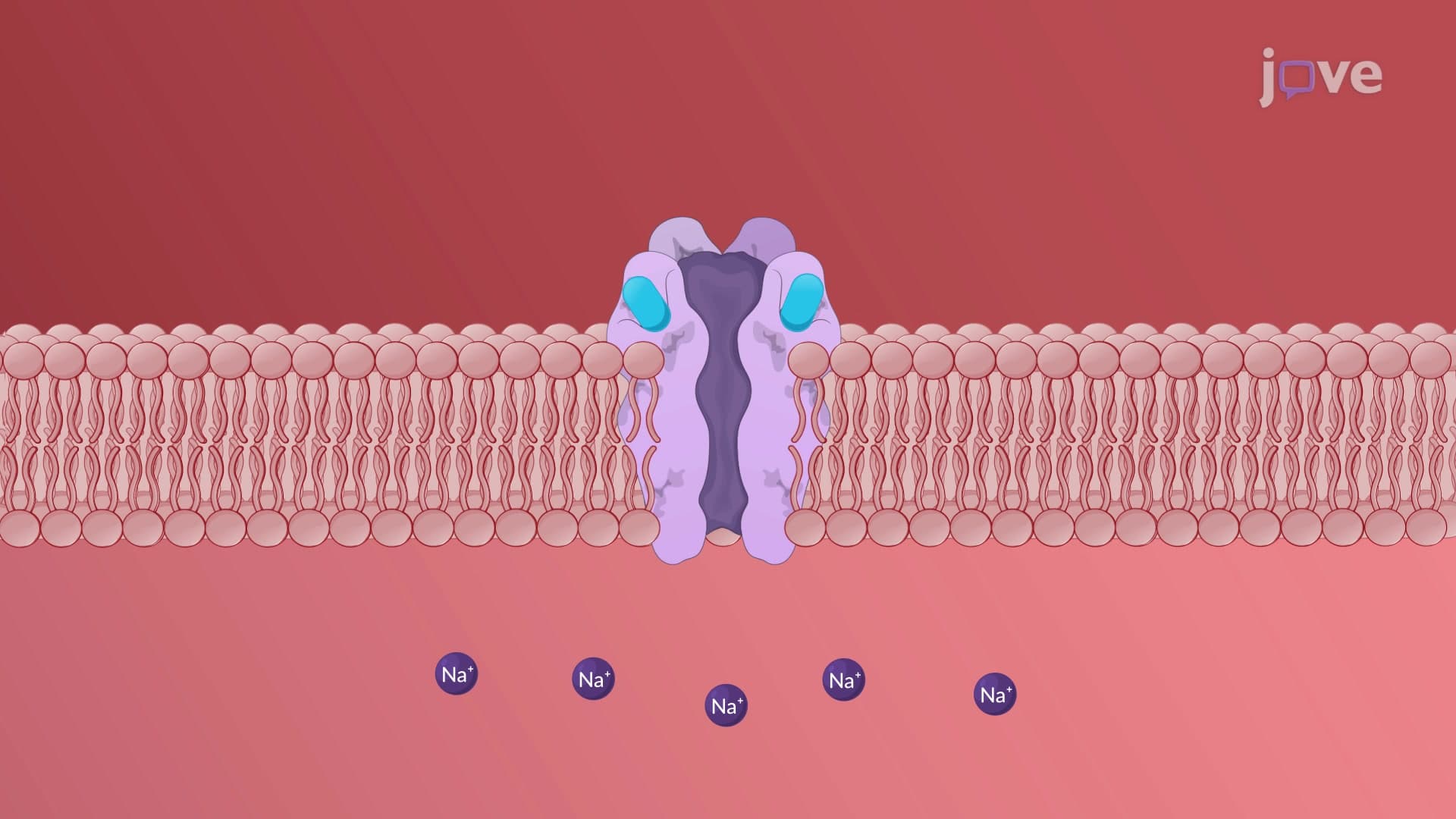
However, at excessive doses, nondepolarizing blockers exhibit additional mechanisms beyond simple competitive inhibition. They begin blocking sodium channels directly, creating a more profound and persistent paralysis that resists traditional reversal strategies. This dose-dependent behavior explains why anesthesiologists carefully monitor drug concentrations during procedures.
Students preparing for the MCAT, USMLE Step 1, or nursing board exams frequently encounter questions about these mechanisms. Understanding the competitive versus non-competitive aspects helps distinguish between different neuromuscular blocking agents and their appropriate clinical applications. In AP Biology courses, this topic illustrates fundamental principles of protein structure-function relationships and competitive inhibition kinetics.
Major medical centers like Cleveland Clinic and Mayo Clinic rely on this pharmacological knowledge for safe surgical procedures, making it essential learning for future healthcare professionals.
Related Micro-courses