Loading subject page…


21,352 views


Video Summary: Nondepolarizing Competitive Neuromuscular Blockers Pharmacokinetics Explained
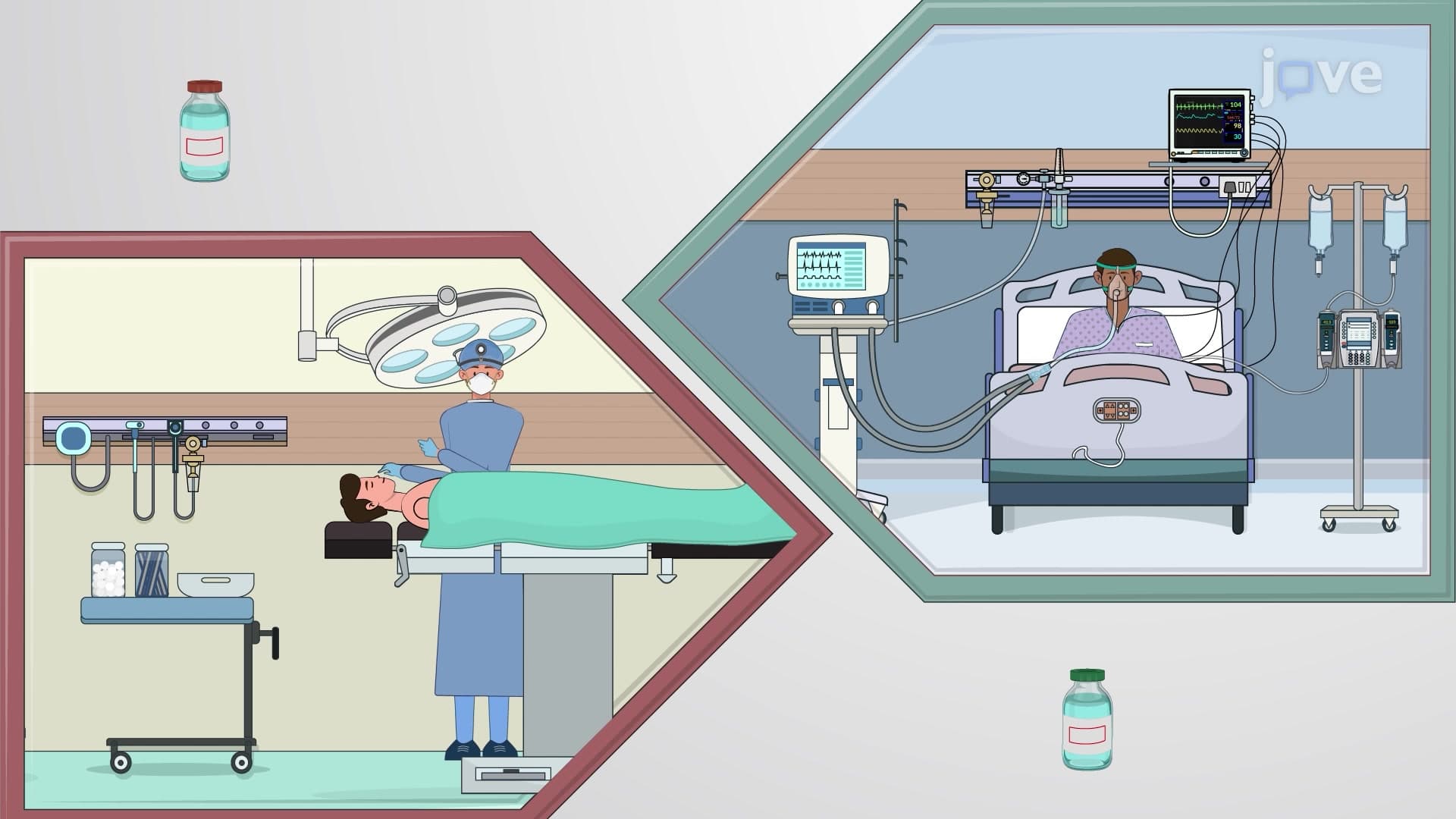
Did you know that during major surgeries at Johns Hopkins Hospital, anesthesiologists rely on nondepolarizing competitive neuromuscular blockers to temporarily paralyze patients' muscles while keeping them unconscious? These polar compounds with quaternary amines work by blocking nerve signals at neuromuscular junctions, but their effectiveness depends entirely on how the body processes them. Understanding Nondepolarizing Competitive Neuromuscular Blockers Pharmacokinetics Explained reveals why these drugs must be given intravenously and how their elimination determines surgery duration. Watch the full video on JoVE Coach to master this concept with expert-led visuals and step-by-step explanations.
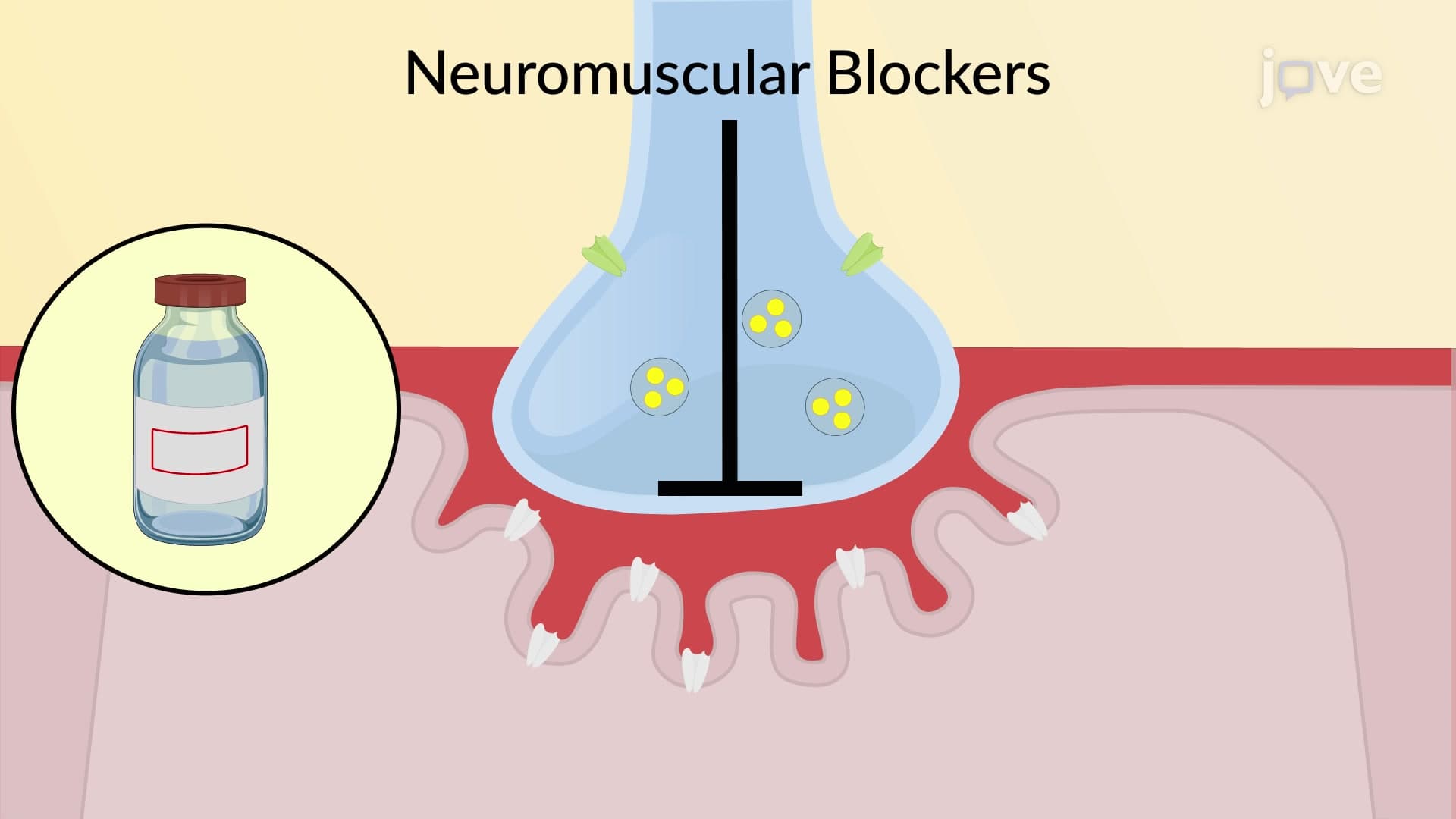
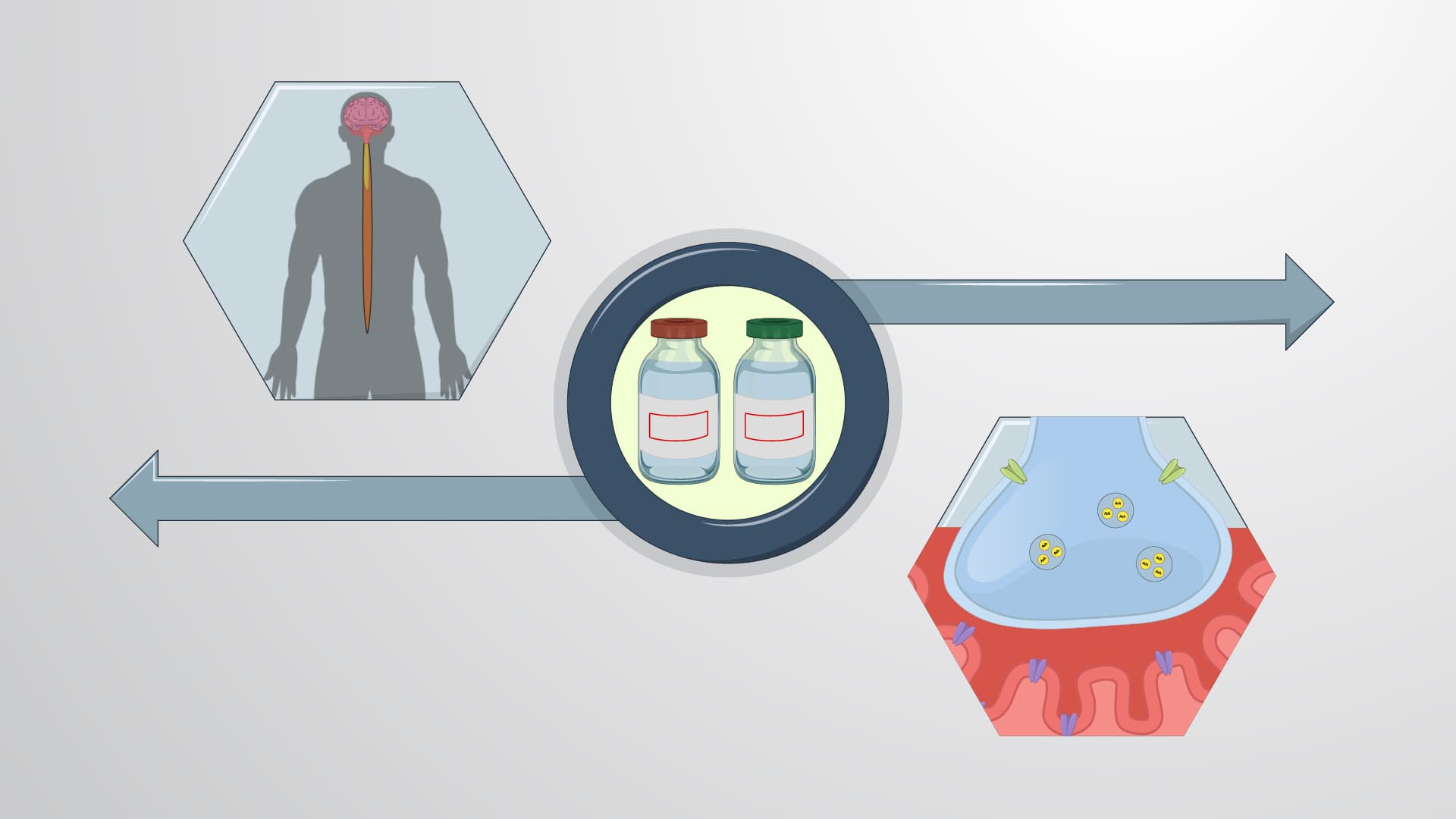
Nondepolarizing competitive neuromuscular blockers represent a critical class of medications used daily in American operating rooms, from Cleveland Clinic to UCLA Medical Center. These drugs work by competing with acetylcholine at nicotinic receptors on muscle cells, preventing normal muscle contraction without affecting consciousness. Their pharmacokinetic properties-how the body absorbs, distributes, metabolizes, and eliminates these drugs-directly determine their clinical effectiveness and safety profile.
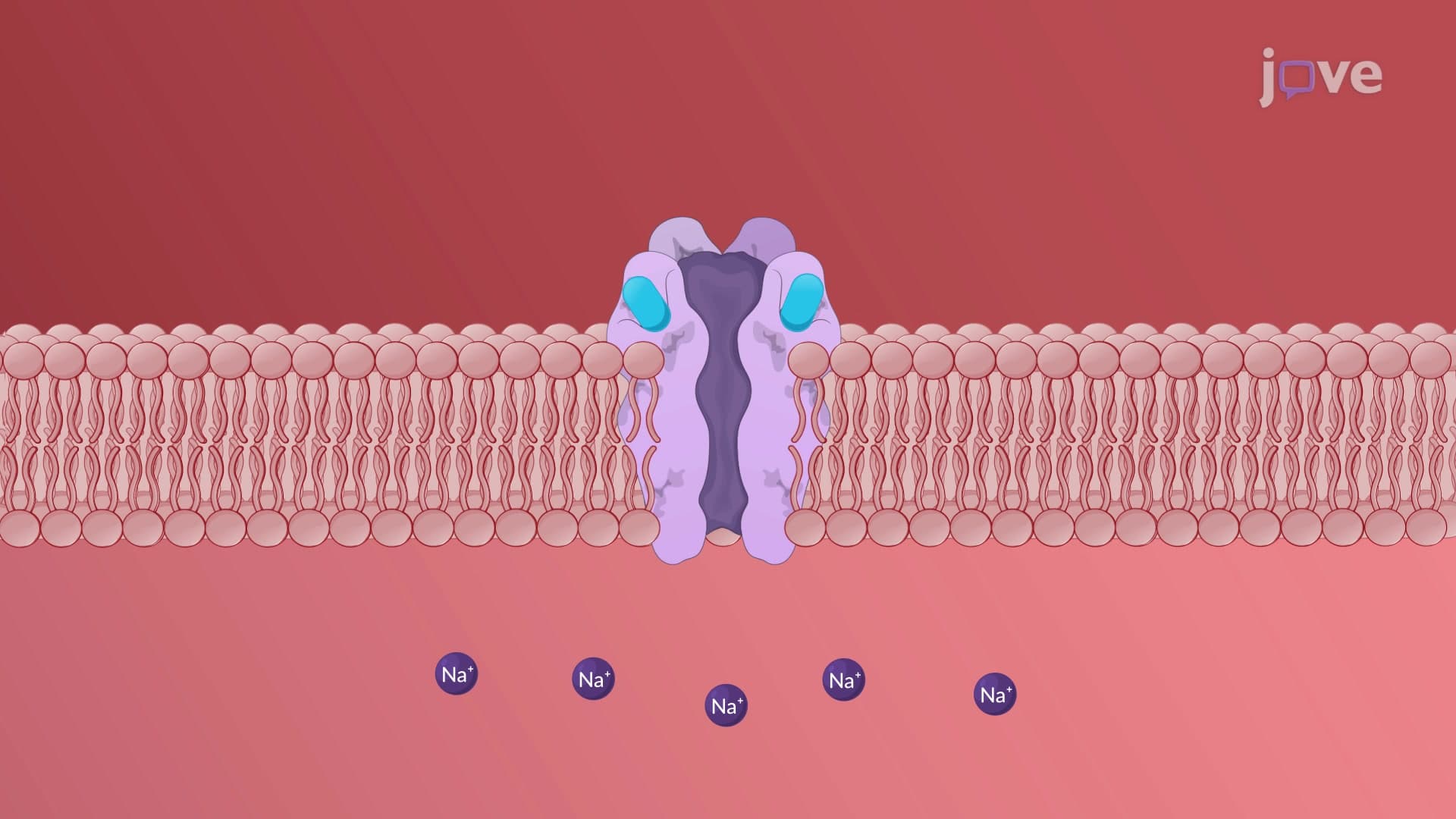
The polar nature of these compounds, characterized by two or more quaternary ammonium groups, fundamentally shapes their pharmacokinetic behavior. Unlike many medications that can cross cell membranes easily, these positively charged molecules cannot penetrate lipid bilayers effectively. This structural limitation explains why oral administration fails-the intestinal villi cannot absorb these large, polar molecules in clinically meaningful amounts. Consequently, anesthesiologists at institutions like Mayo Clinic exclusively use intravenous administration, ensuring 100% bioavailability and rapid onset of action.
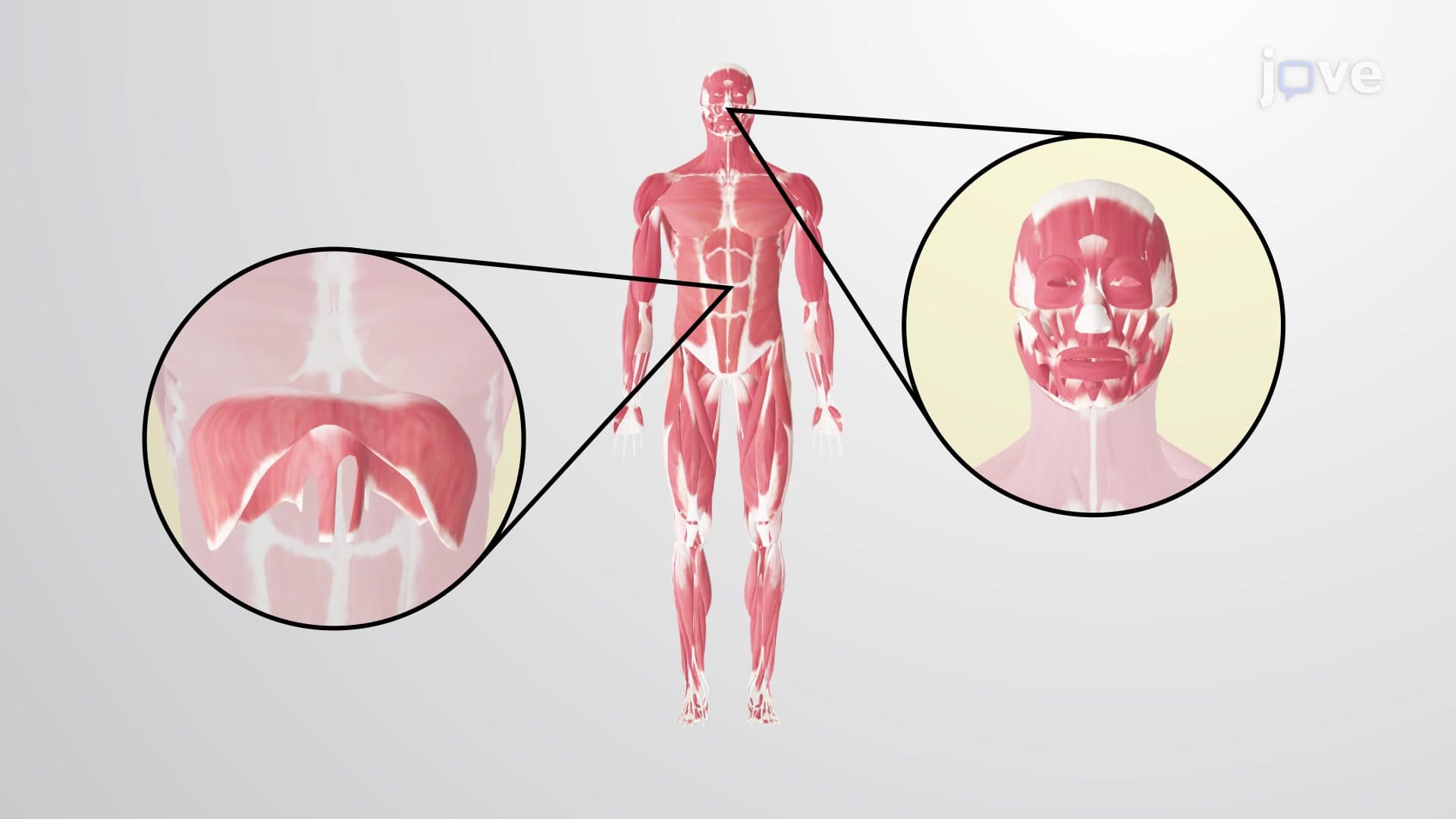
Once administered intravenously, these blockers rapidly distribute through the cardiovascular system to reach neuromuscular junctions throughout the body. The speed of distribution explains why patients experience muscle relaxation within 2-3 minutes of injection. This rapid onset proves essential for emergency intubations in trauma centers across the United States, where anesthesiologists need immediate muscle relaxation to secure airways safely.
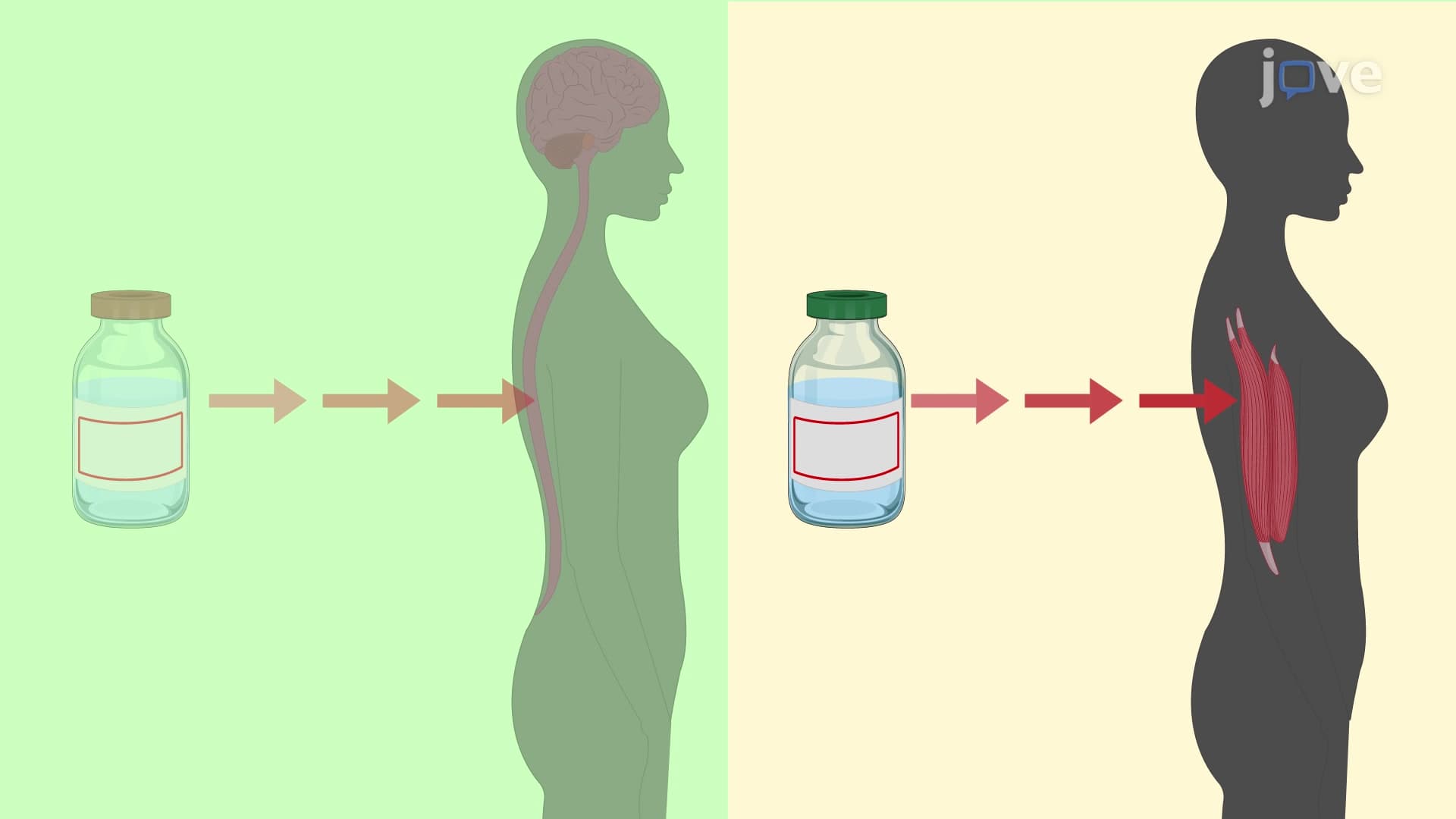
The termination of neuromuscular blockade depends primarily on drug elimination rather than metabolism. Most nondepolarizing blockers undergo minimal hepatic metabolism, instead relying on redistribution to organs like the liver and kidneys for clearance. Drugs eliminated unchanged through urine, such as pancuronium, demonstrate longer half-lives and extended duration of action-sometimes lasting 2-3 hours. This extended duration makes them suitable for lengthy procedures like cardiac surgery at institutions such as Texas Heart Institute.
Conversely, steroidal neuromuscular blockers like vecuronium undergo hepatic metabolism, producing 3-hydroxy, 17-hydroxy, or 3,17-dihydroxy metabolites before biliary excretion. This hepatic processing typically results in shorter duration of action, making these agents preferable for outpatient procedures where rapid recovery is desired. Understanding these elimination differences helps pre-medical students excel on MCAT passages about pharmacokinetics and assists nursing students preparing for NCLEX questions about anesthesia care.
Related Micro-courses