Loading subject page…


21,353 views

Video Summary: Nondepolarizing Competitive Neuromuscular Blockers Pharmacological Actions Explained
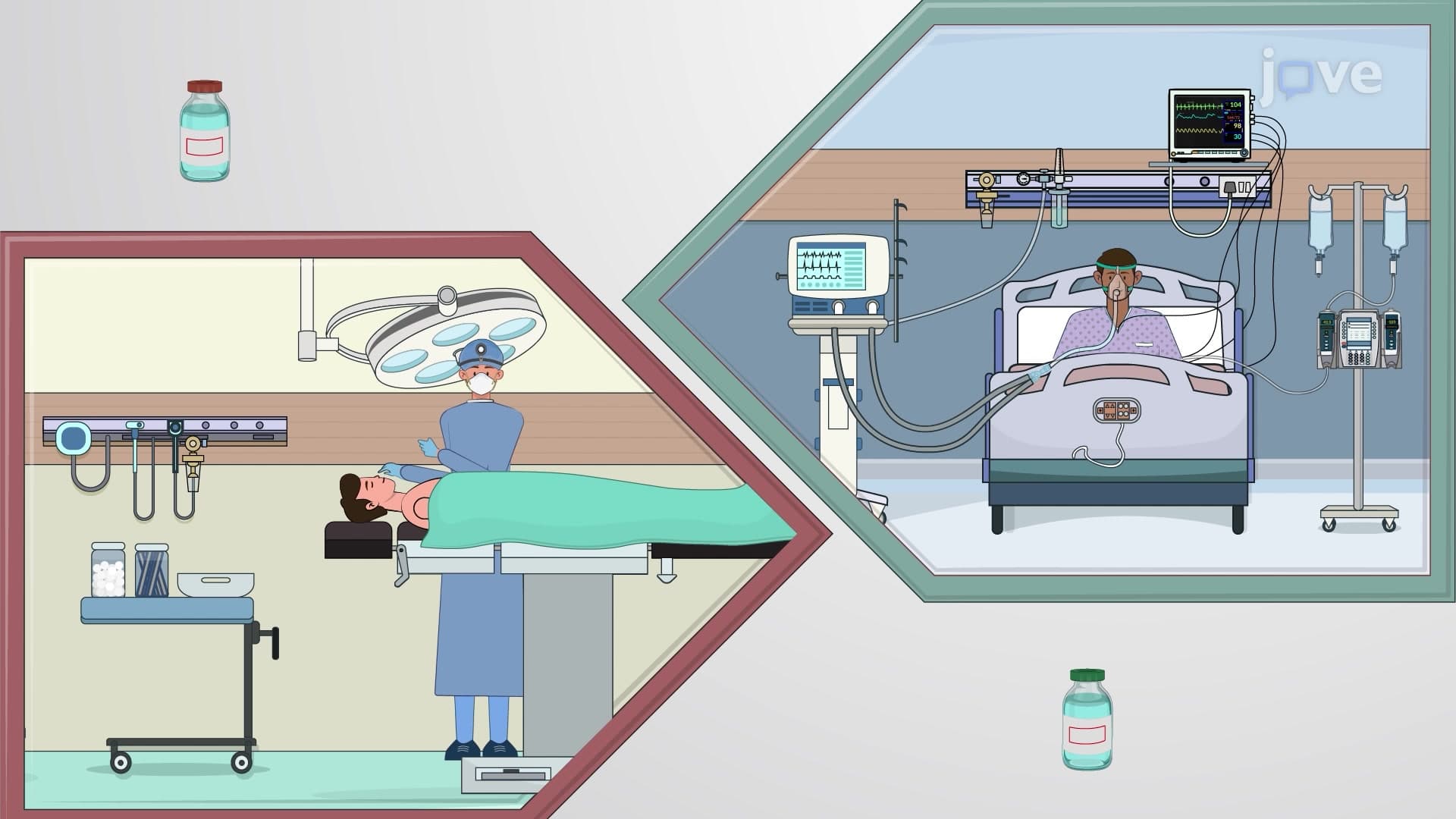
Ever wondered why surgeons can perform delicate operations without patients moving a muscle? Nondepolarizing competitive neuromuscular blockers achieve this by competing directly with acetylcholine at receptor sites, preventing muscle contraction entirely. During a typical appendectomy at Johns Hopkins Hospital, these medications allow surgeons to use lower anesthesia doses while ensuring complete muscle relaxation. Understanding nondepolarizing competitive neuromuscular blockers pharmacological actions explained reveals how these drugs systematically paralyze muscles from face to diaphragm, then reverse this process safely. Watch the full video on JoVE Coach to master this concept with expert-led visuals and step-by-step explanations.
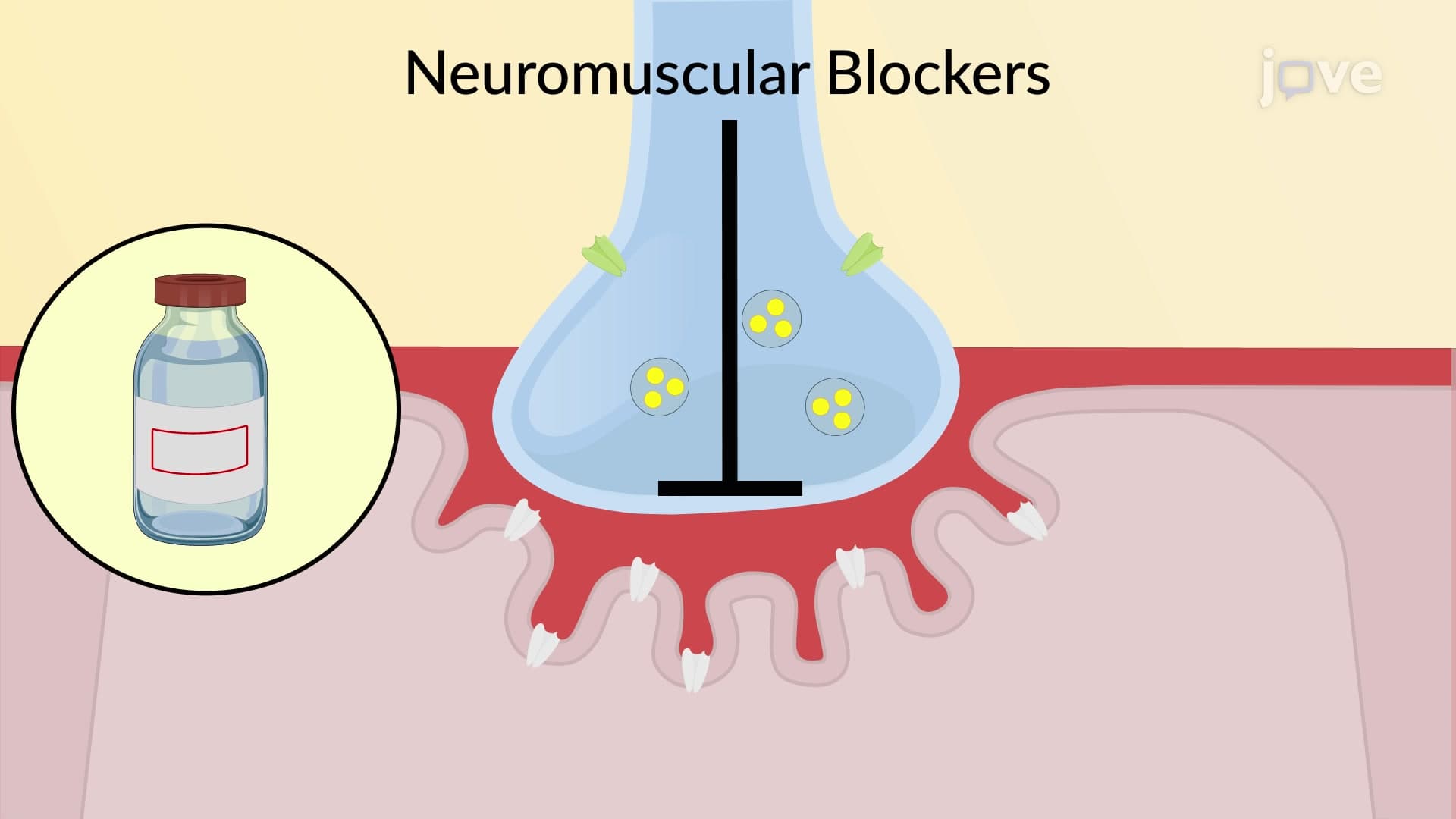
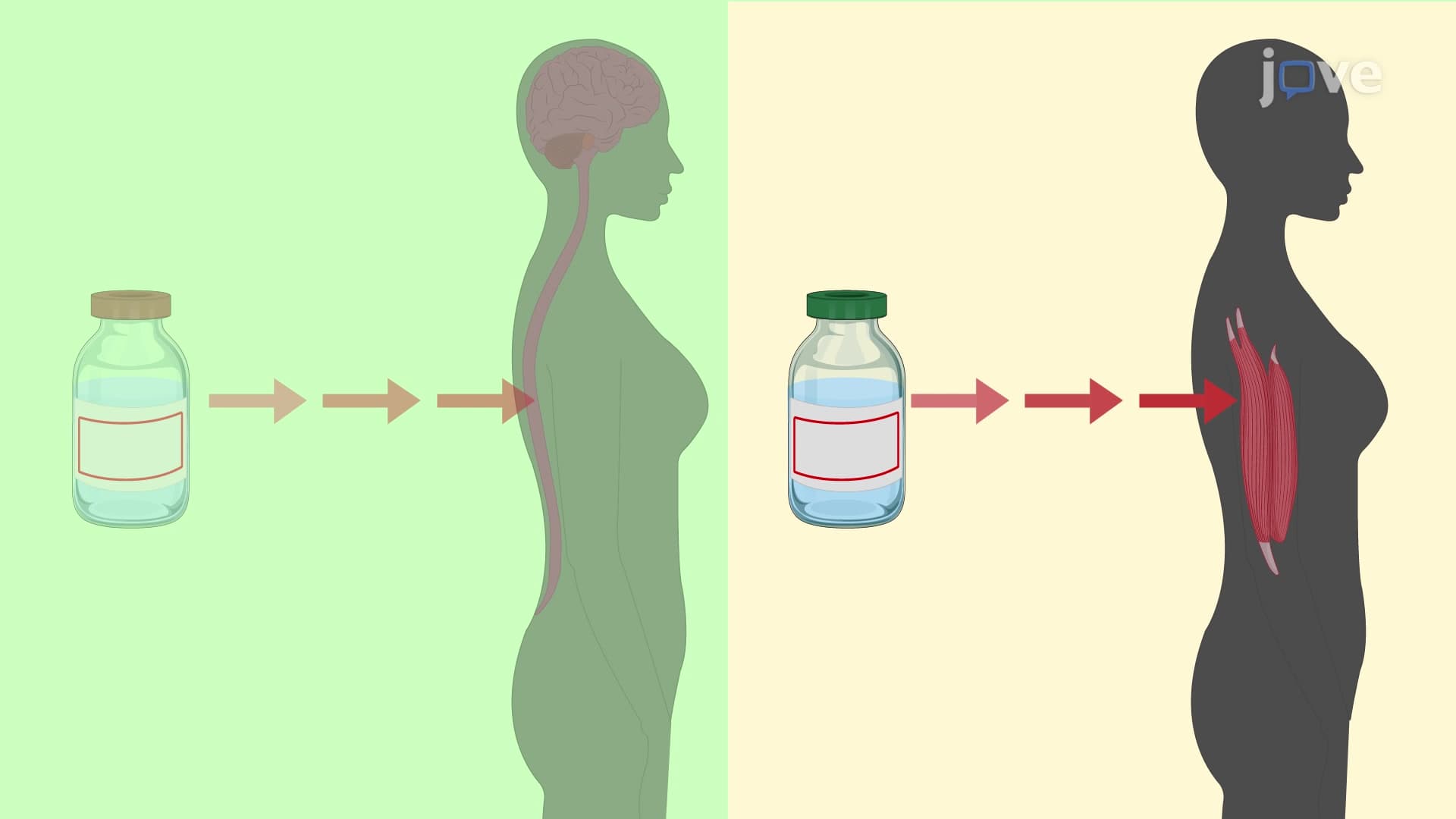
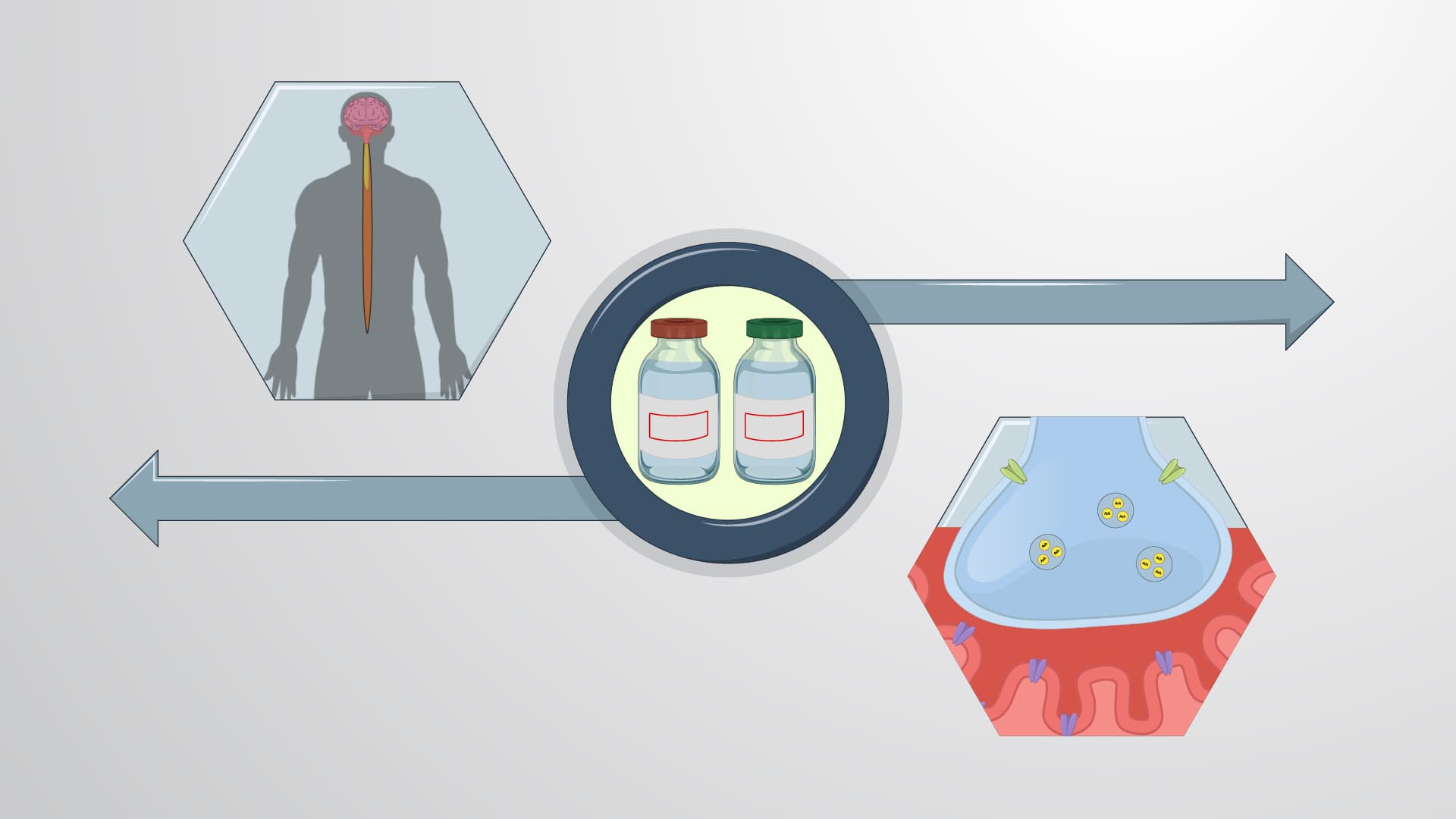
Nondepolarizing competitive neuromuscular blockers represent a critical class of medications that revolutionized modern surgery by providing precise muscle relaxation without compromising patient safety. These agents work through competitive antagonism at nicotinic acetylcholine receptors located at the neuromuscular junction, effectively blocking normal nerve-to-muscle communication.
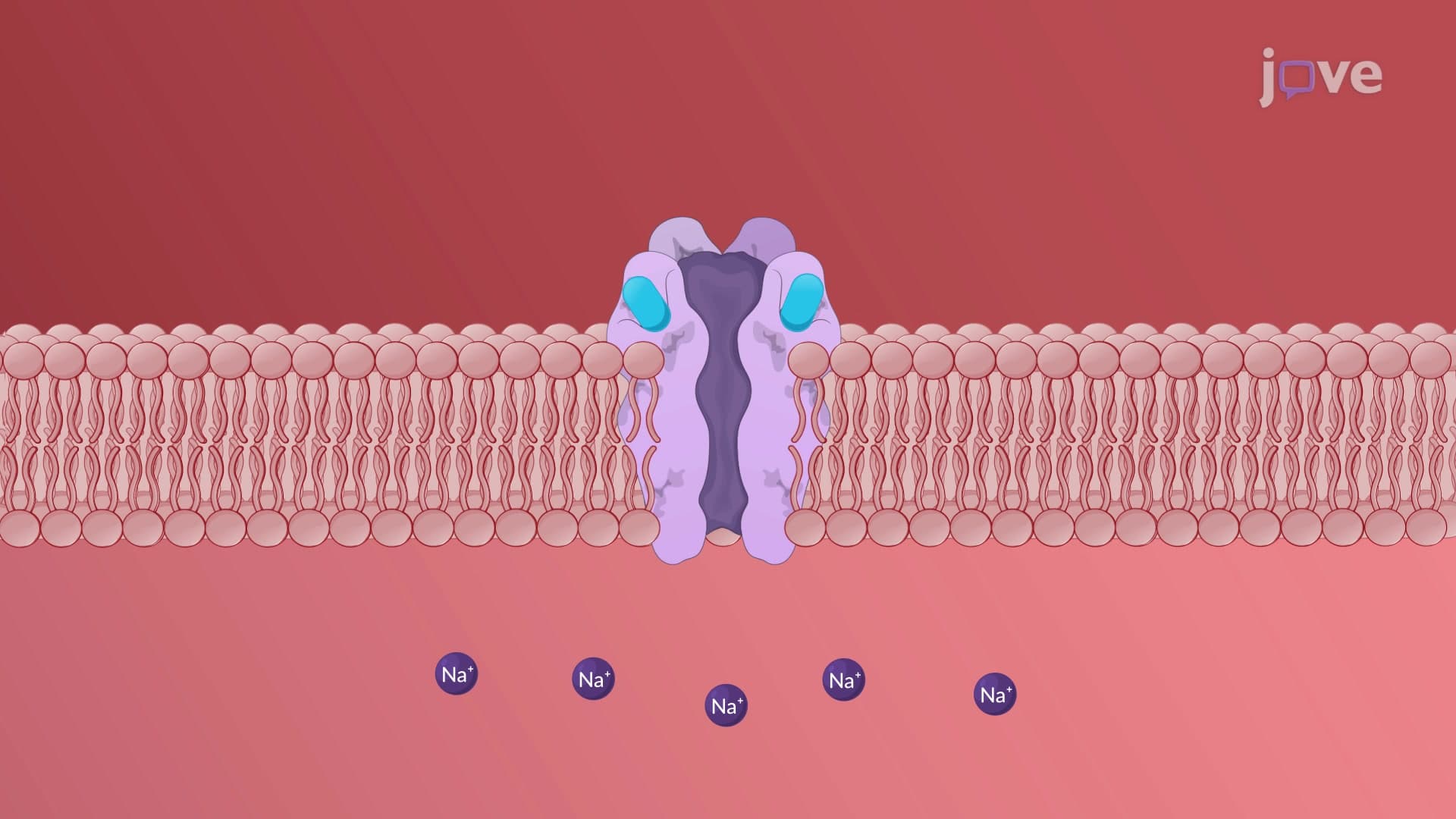
The competitive nature of these blockers stems from their ability to bind reversibly to the same receptor sites that acetylcholine normally occupies. Unlike depolarizing agents that initially activate receptors before blocking them, nondepolarizing blockers simply occupy the binding site without triggering depolarization. This mechanism explains why increasing acetylcholine concentrations can overcome the blockade-a principle utilized clinically with reversal agents like neostigmine.
At Harvard Medical School, students learn that this competitive relationship follows classic pharmacological principles similar to enzyme inhibition. The degree of blockade depends on the relative concentrations of blocker versus acetylcholine, making dosage calculations crucial for anesthesiologists. MCAT preparation often includes questions about this competitive binding, as it demonstrates fundamental receptor theory applicable across multiple body systems.
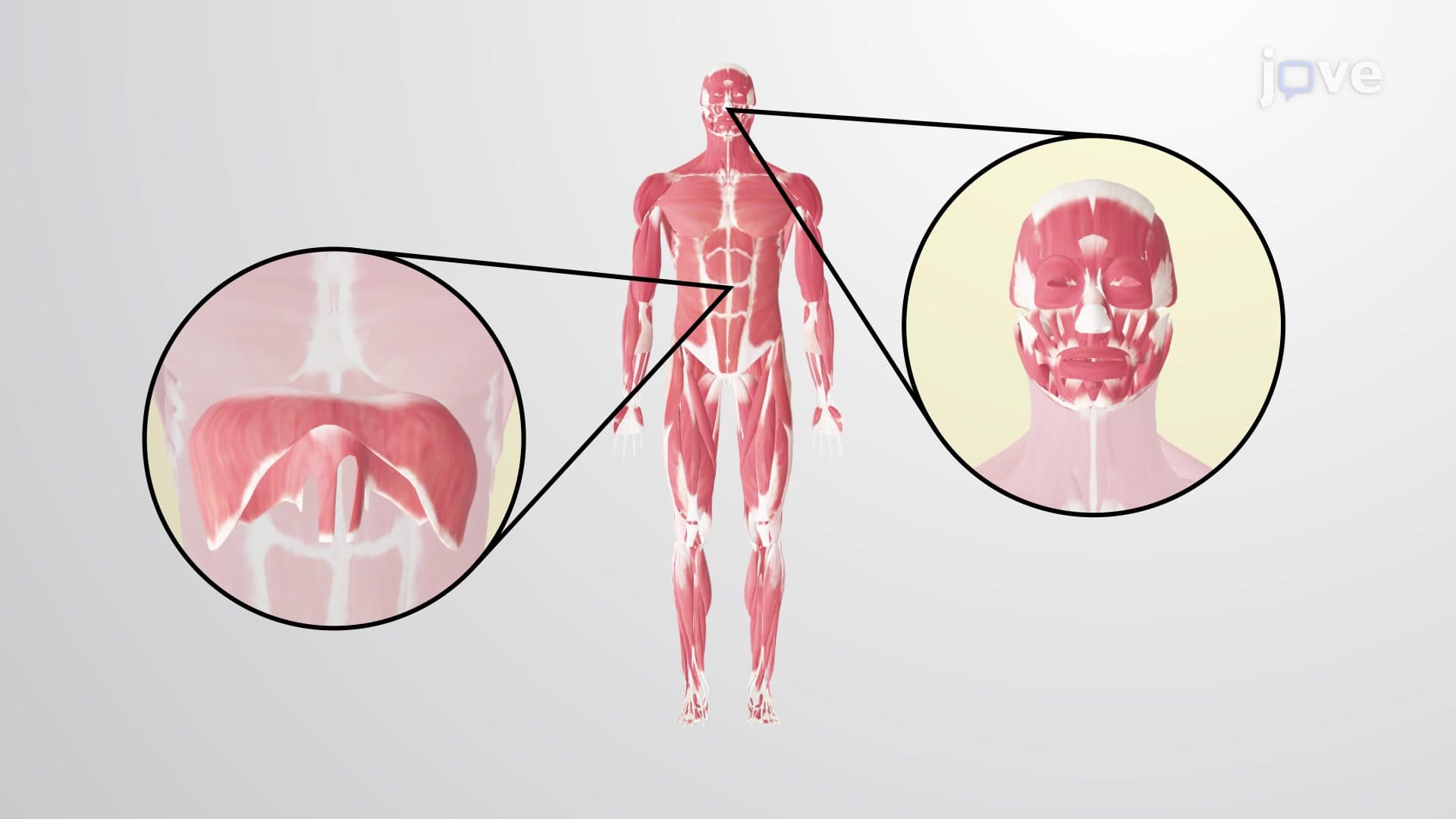
The predictable sequence of muscle paralysis reflects the sensitivity differences among various muscle groups. Small, rapidly contracting muscles like those controlling facial expressions and finger movements contain more acetylcholine receptors per unit area, making them more susceptible to competitive blockade. Consequently, patients first lose fine motor control before experiencing paralysis of larger muscle groups.
This progression-from facial muscles to limbs, then to respiratory muscles including the diaphragm-provides anesthesiologists with clinical markers for monitoring drug effects. At Mayo Clinic's anesthesiology residency program, trainees practice recognizing these stages to ensure adequate muscle relaxation while maintaining respiratory safety. The reverse recovery pattern (diaphragm first, face last) offers additional safety margins, as breathing function returns before patients can communicate discomfort.
Modern surgical procedures at institutions like Cleveland Clinic routinely combine these blockers with general anesthetics to achieve optimal surgical conditions. This combination allows for 30-40% reduction in anesthetic doses, significantly decreasing risks of cardiovascular depression and postoperative complications. The synergistic effect proves particularly valuable in lengthy procedures where maintaining stable vital signs becomes challenging.
However, drugs like atracurium carry specific risks due to histamine release, potentially causing bronchospasm in asthmatic patients or hypotension in cardiovascular-compromised individuals. NCLEX exam questions frequently test nursing students' ability to recognize and manage these adverse effects, emphasizing the importance of comprehensive patient assessment before administration.
Related Micro-courses