Loading subject page…


21,352 views
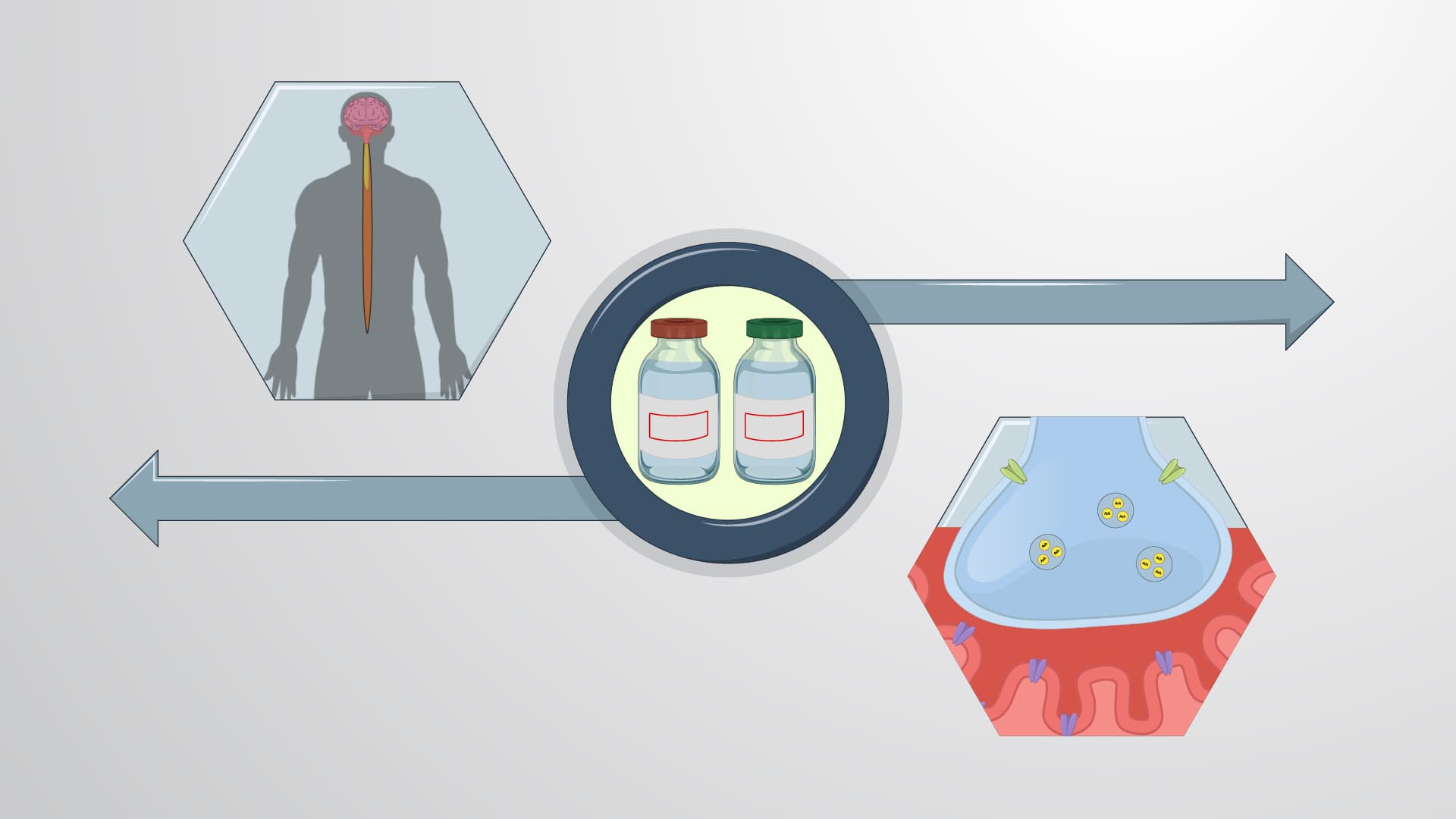

Video Summary: Peripherally and Centrally Acting Muscle Explained
Did you know that during your appendectomy at Johns Hopkins Hospital, anesthesiologists use peripherally and centrally acting muscle relaxants to ensure you remain completely still while surgeons operate? Peripherally and centrally acting muscle relaxants work through fundamentally different mechanisms-central relaxants target your brain and spinal cord to reduce muscle tone, while peripheral relaxants block nerve signals directly at muscle junctions to cause temporary paralysis. Understanding Peripherally And Centrally Acting Muscle Explained is crucial for students pursuing healthcare careers. Watch the full video on JoVE Coach to master this concept with expert-led visuals and step-by-step explanations.
Muscle relaxants represent a critical class of medications that healthcare providers use to manage conditions ranging from chronic back pain to facilitating complex surgical procedures. The classification into peripherally and centrally acting mechanisms reflects fundamental differences in where and how these drugs exert their therapeutic effects within the human body.
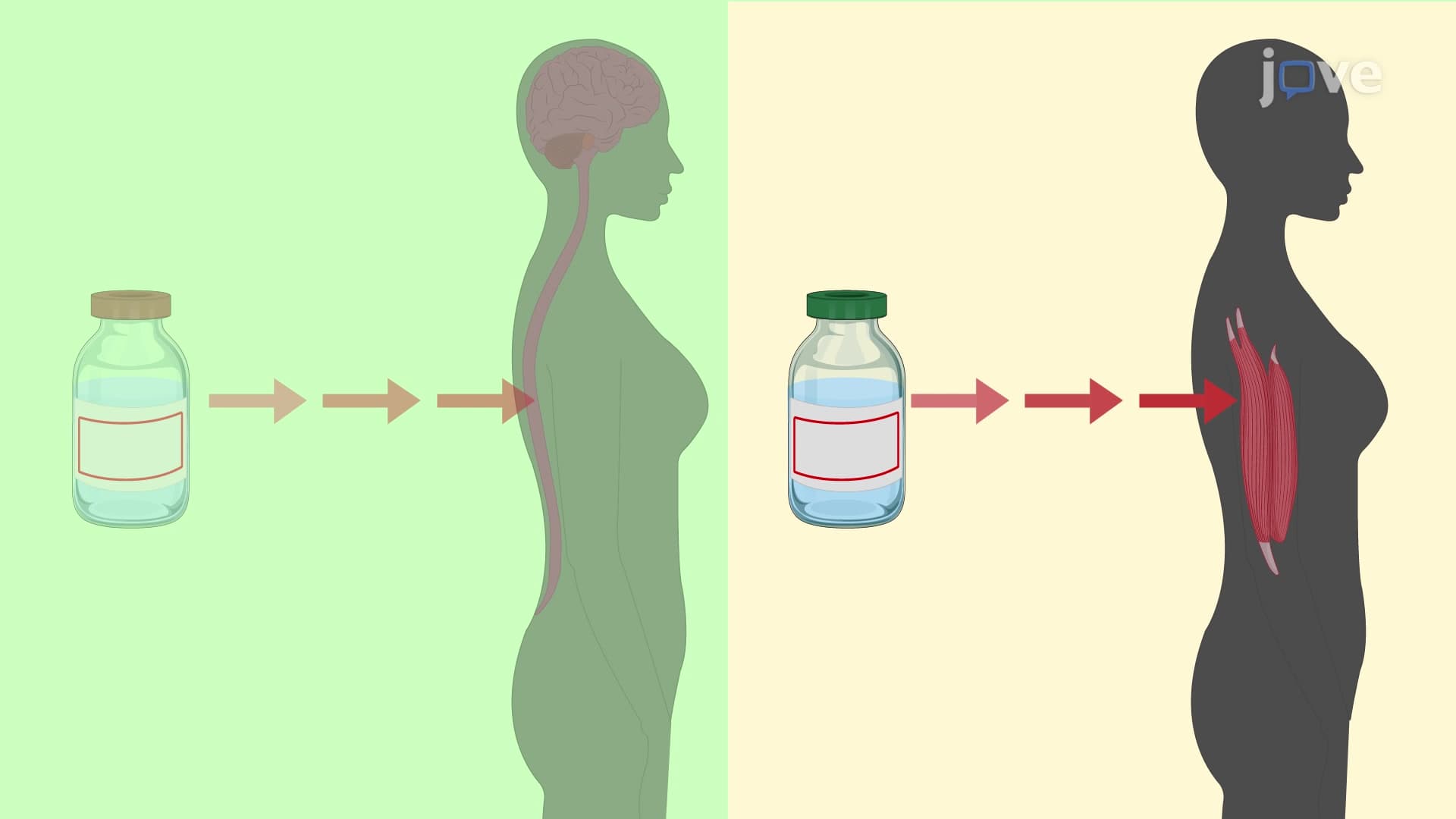
Centrally acting muscle relaxants work within the central nervous system, specifically targeting the brain and spinal cord regions that control muscle tone and voluntary movement. These medications, including cyclobenzaprine (Flexeril) and baclofen (Lioresal), commonly prescribed in US clinics, enhance inhibitory neurotransmission in the spinal cord. This results in decreased muscle spasticity and reduced pain sensation.
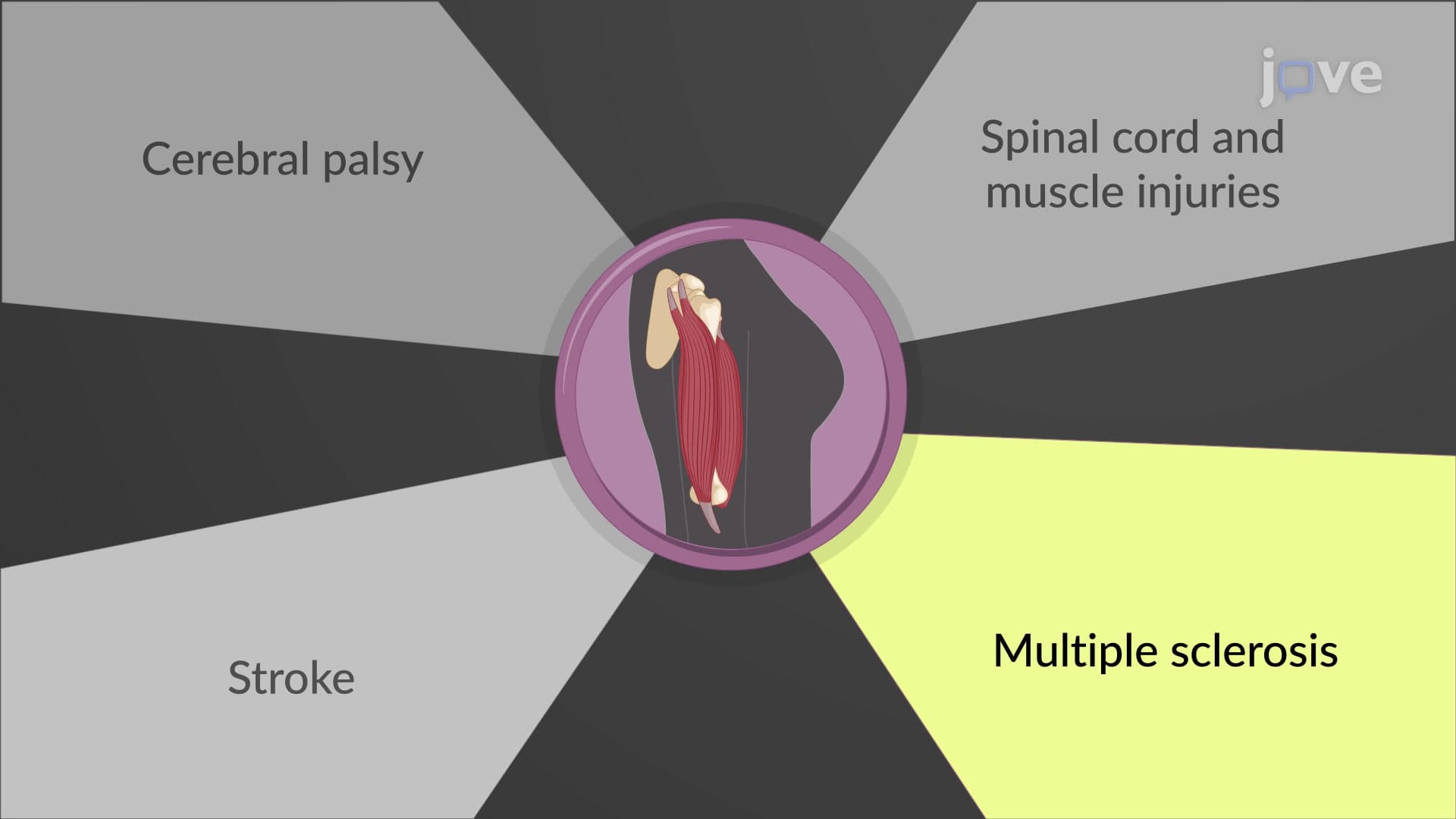
For students preparing for the MCAT or AP Biology exams, understanding that these drugs don't directly affect muscle fibers is crucial. Instead, they modulate neural pathways that normally maintain muscle tension. US physicians frequently prescribe these medications for conditions like fibromyalgia, multiple sclerosis spasticity, and chronic lower back pain-conditions you might encounter in USMLE Step 1 questions or nursing school pharmacology courses.
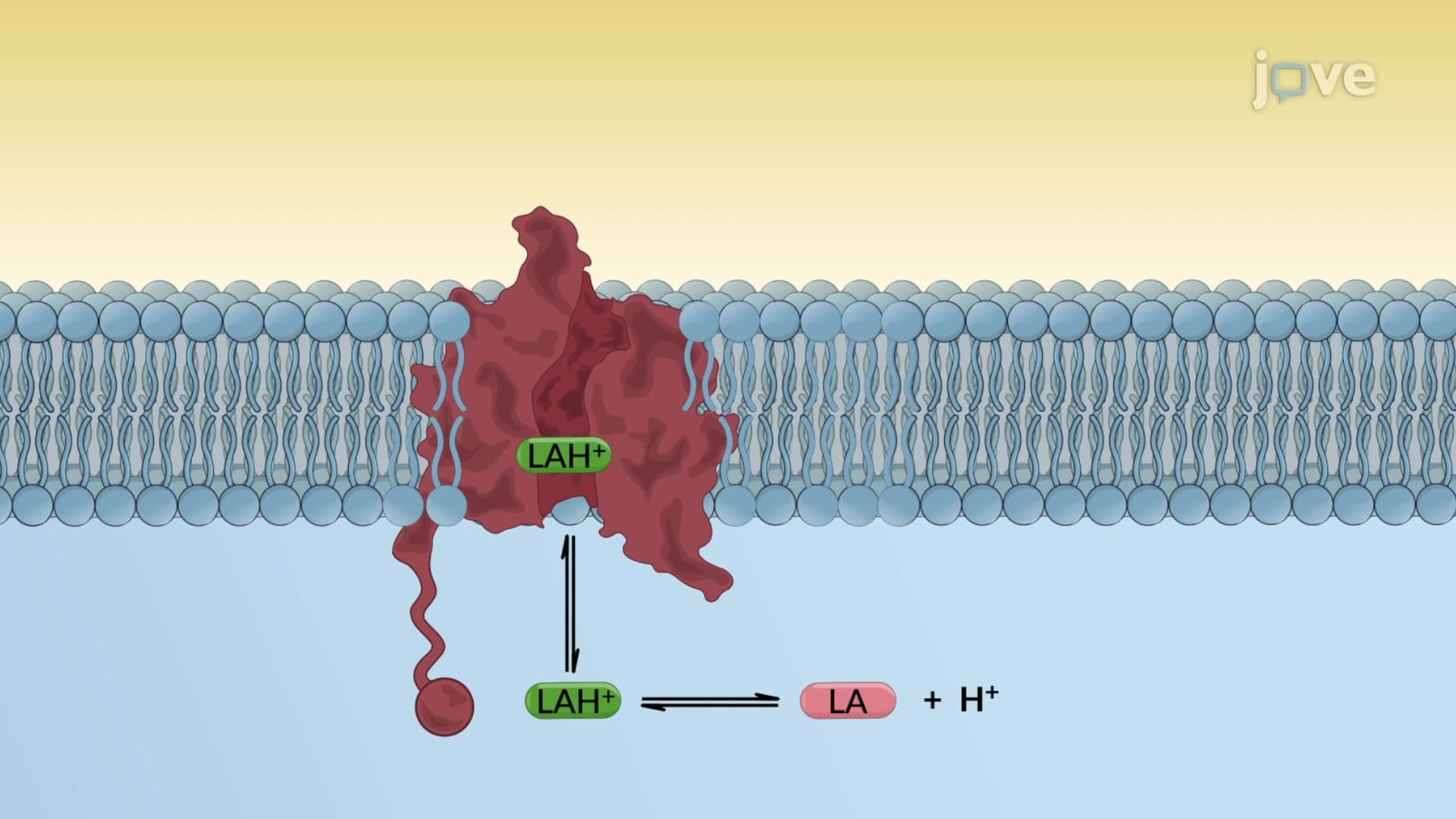
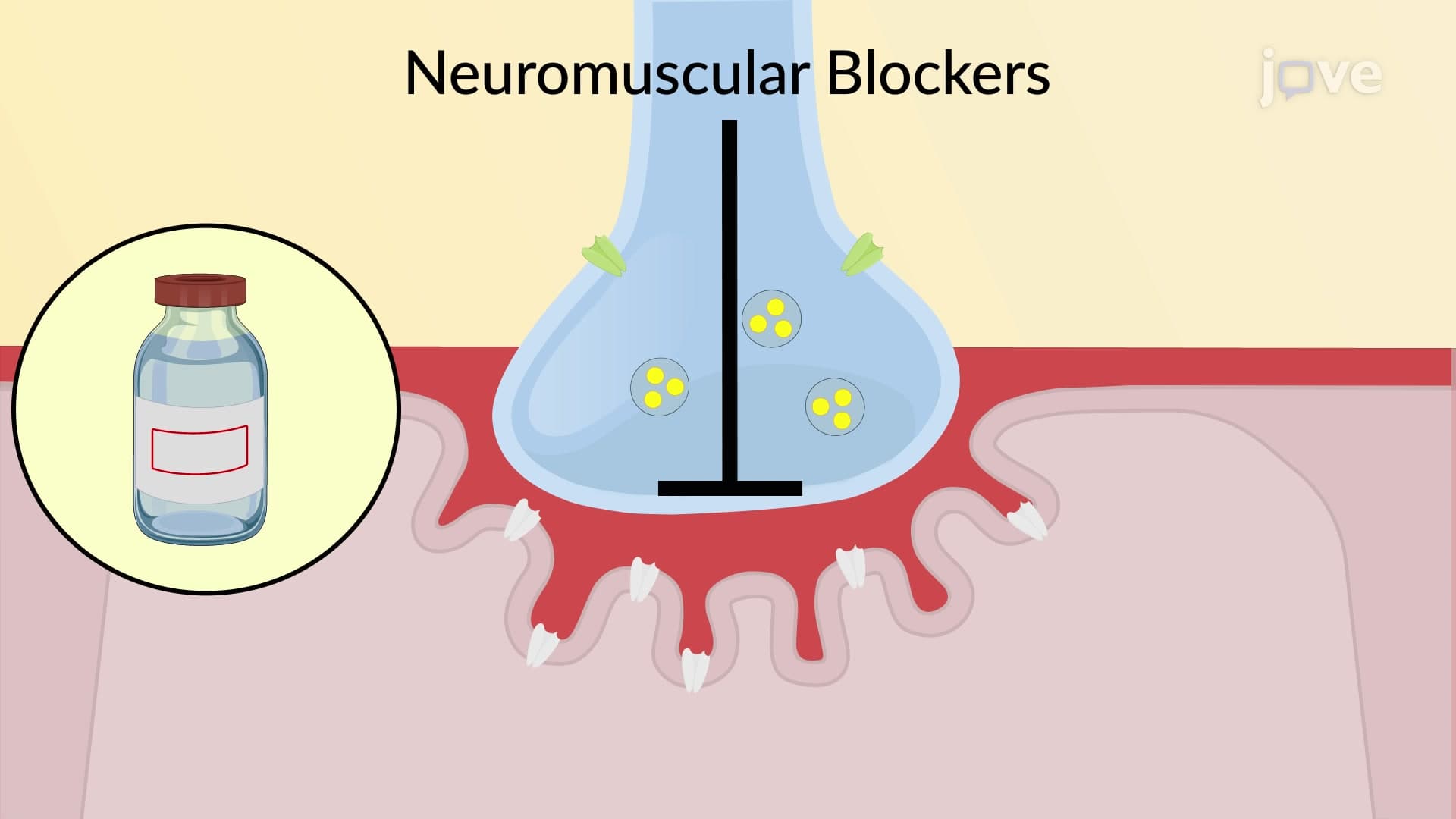
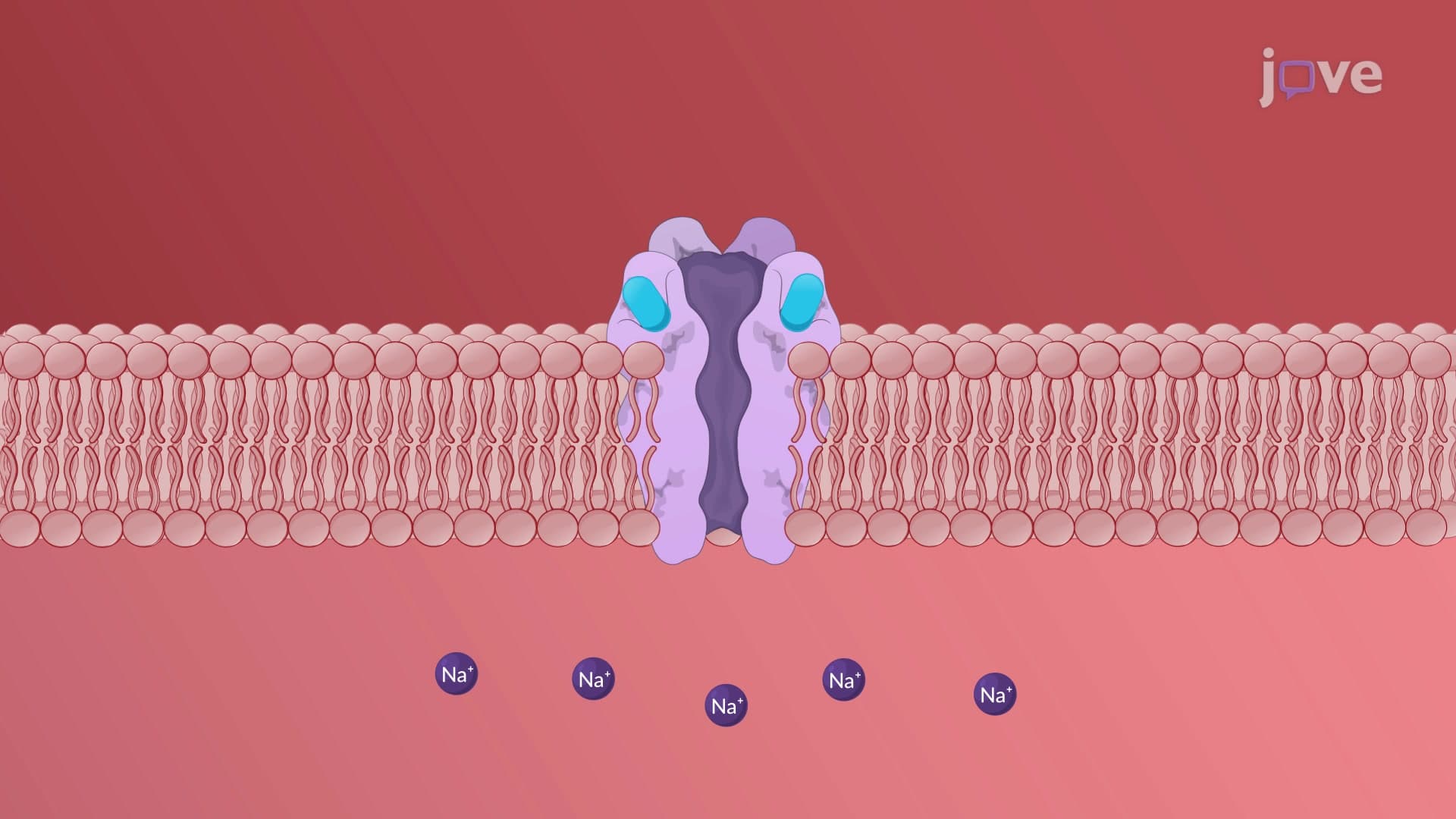
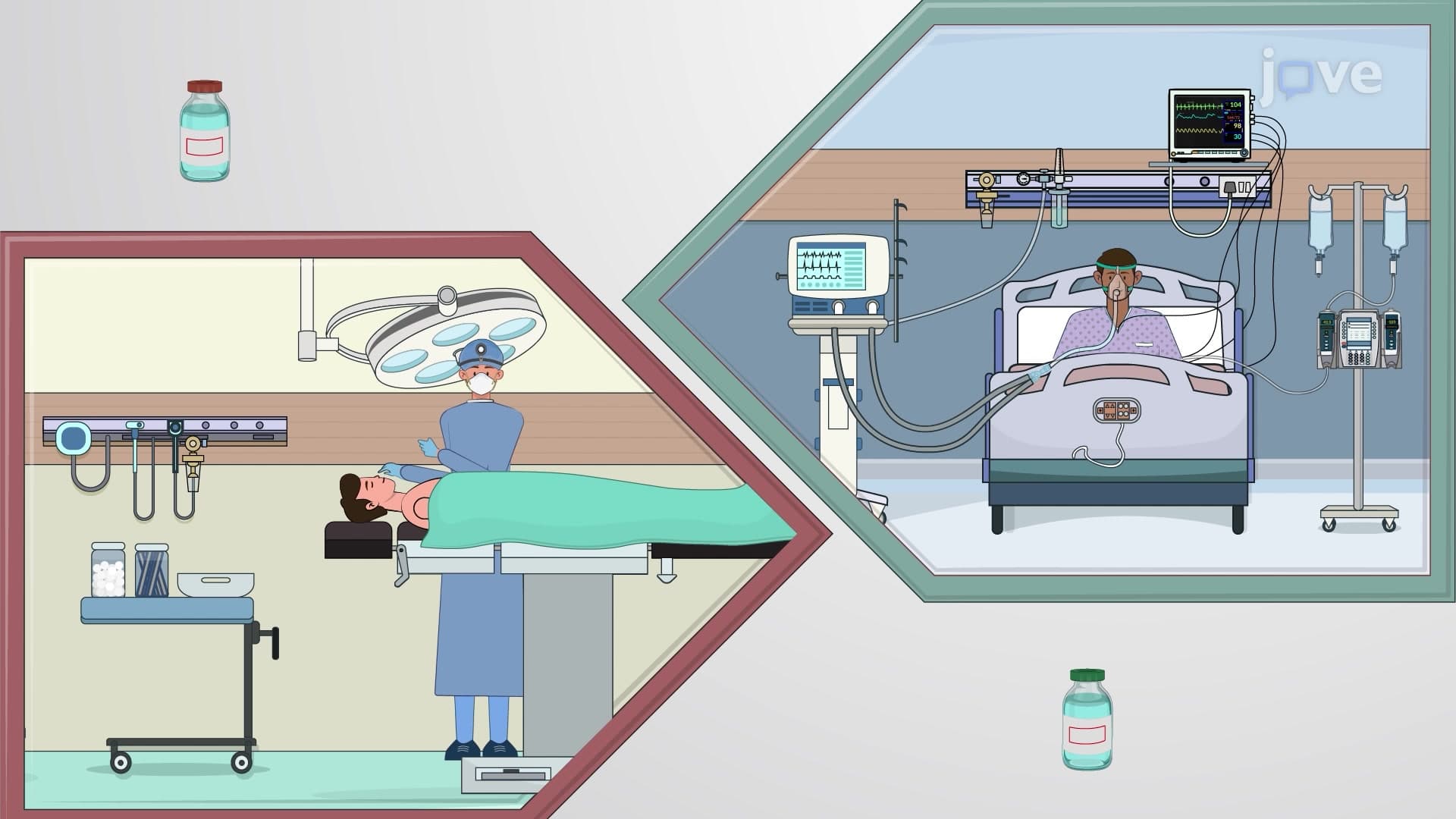
Peripherally acting muscle relaxants operate at the neuromuscular junction, the critical interface between motor neurons and skeletal muscle fibers. These agents, such as succinylcholine and vecuronium used in US operating rooms, either compete with acetylcholine for receptor binding or block sodium channels in muscle membranes.
This mechanism produces complete muscle paralysis without affecting consciousness or pain sensation-a concept frequently tested on NCLEX-RN examinations. Anesthesiologists at major US medical centers like Mayo Clinic and Cleveland Clinic rely on these drugs during surgeries to ensure patients remain motionless while maintaining cardiovascular stability.
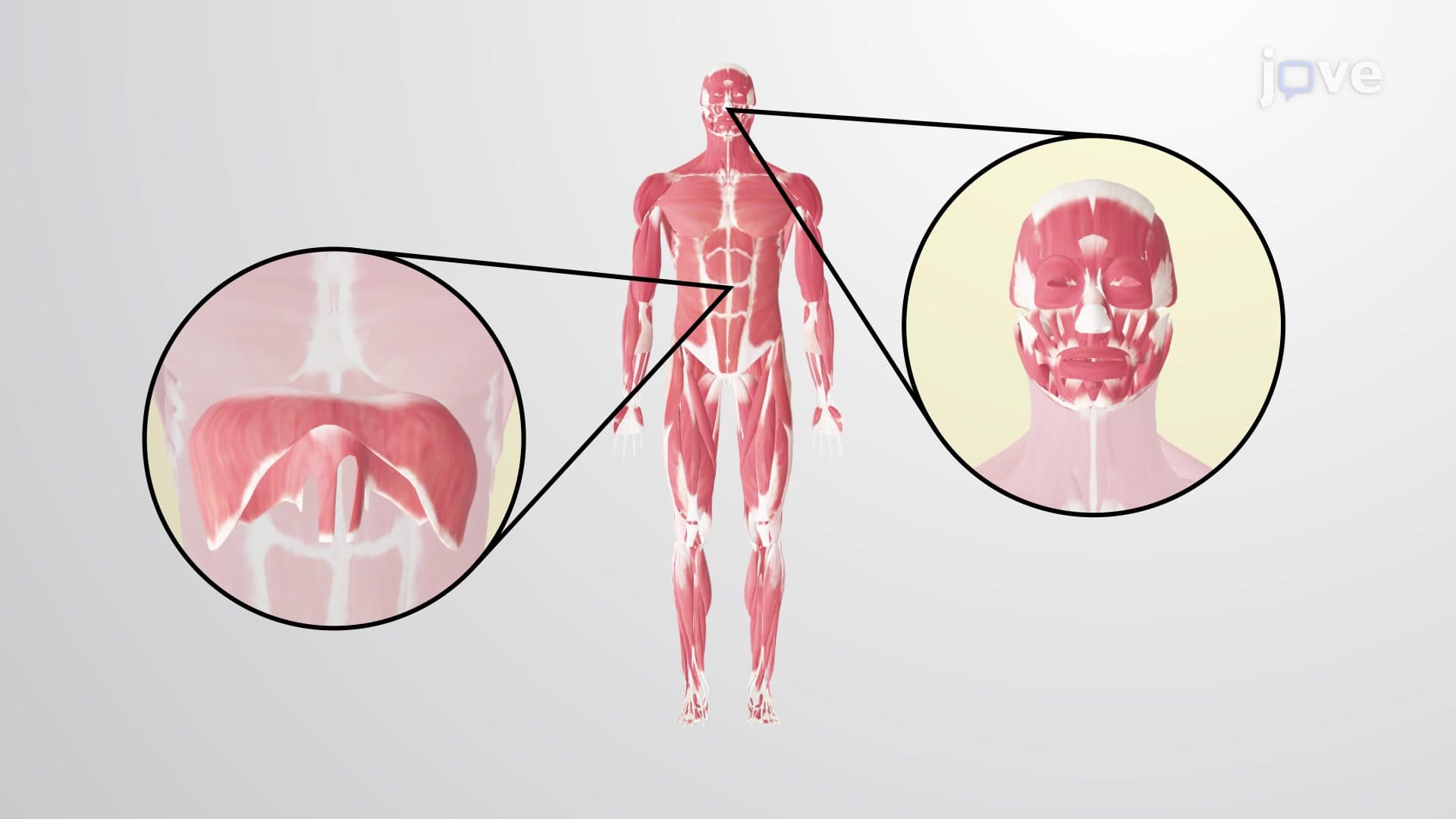
The distinction between central and peripheral action has profound clinical implications that appear regularly on healthcare profession exams. Central relaxants require careful monitoring for CNS depression and drug interactions, while peripheral relaxants necessitate respiratory support since they paralyze the diaphragm. Students studying for the HESI A2 or TEAS nursing entrance exams should remember that peripheral relaxants are always administered in controlled environments with immediate access to mechanical ventilation.
Related Micro-courses