Loading video…


 13 Concepts
 21.4K views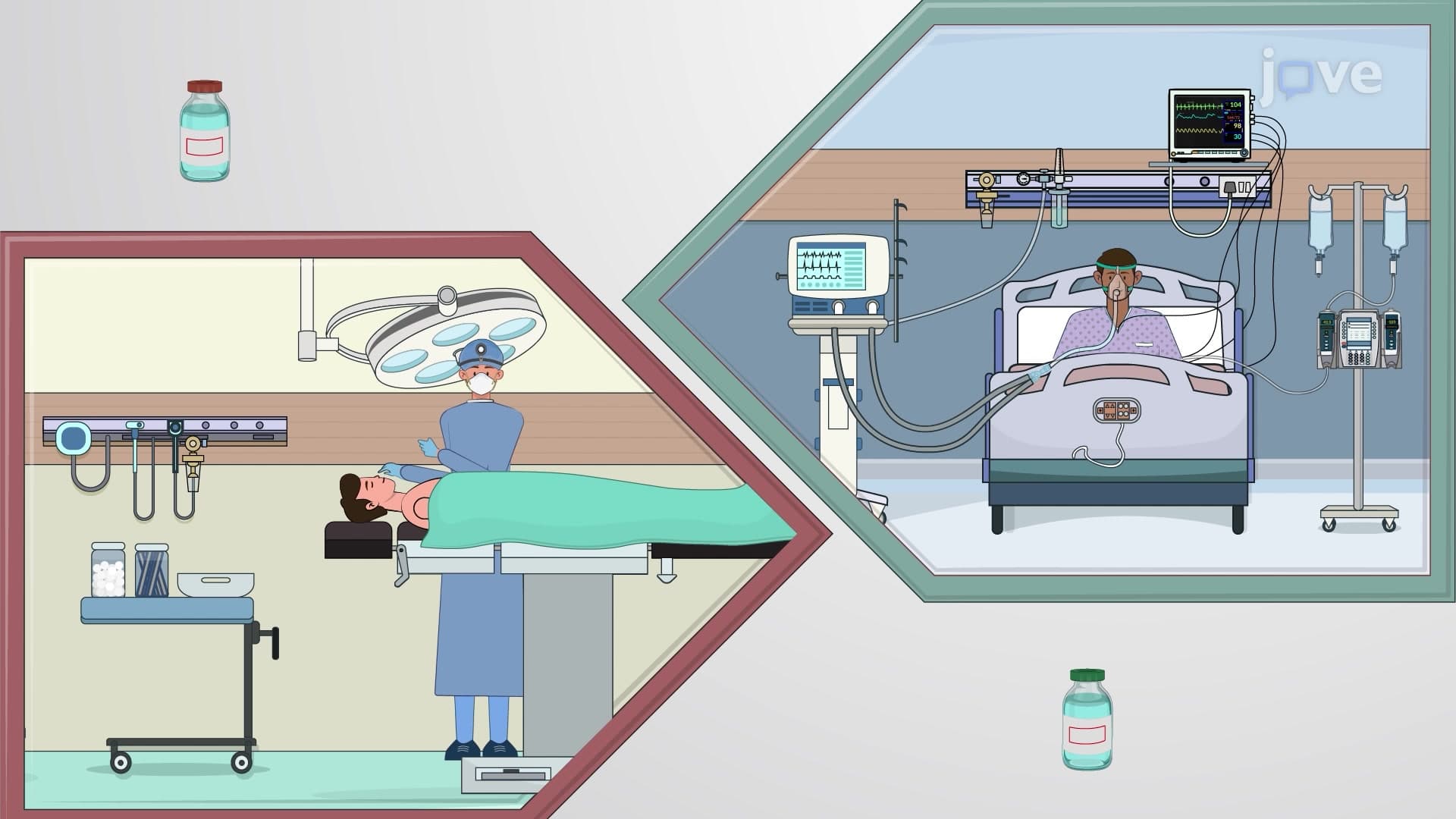

Video Summary: Skeletal Muscle Relaxants Therapeutic Uses Explained
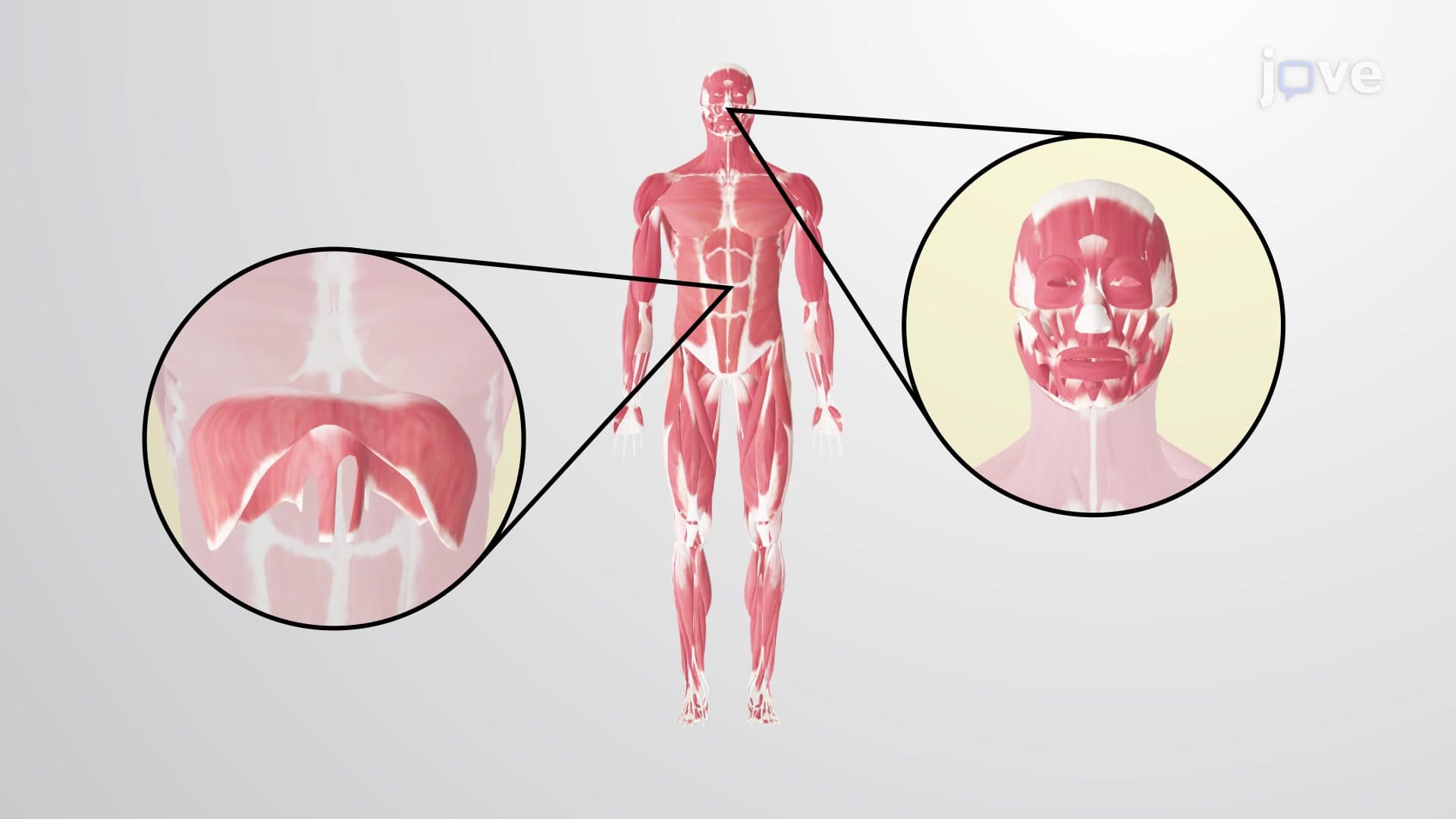
Ever wondered why patients undergoing major surgery at Johns Hopkins Hospital remain perfectly still even during extensive procedures? Skeletal muscle relaxants therapeutic applications make this possible by temporarily paralyzing muscles during medical interventions. These powerful medications serve critical roles from enabling smooth endotracheal intubation in emergency rooms to treating chronic conditions like cerebral palsy. Understanding skeletal muscle relaxants therapeutic uses explained reveals how these drugs enhance surgical safety and patient outcomes. Watch the full video on JoVE Coach to master this concept with expert-led visuals and step-by-step explanations.
Skeletal muscle relaxants therapeutic uses explained encompasses a diverse range of medical applications where controlled muscle paralysis or relaxation becomes essential for patient safety and treatment efficacy. These medications represent a cornerstone of modern anesthesiology and critical care medicine, enabling procedures that would otherwise be impossible or dangerous.
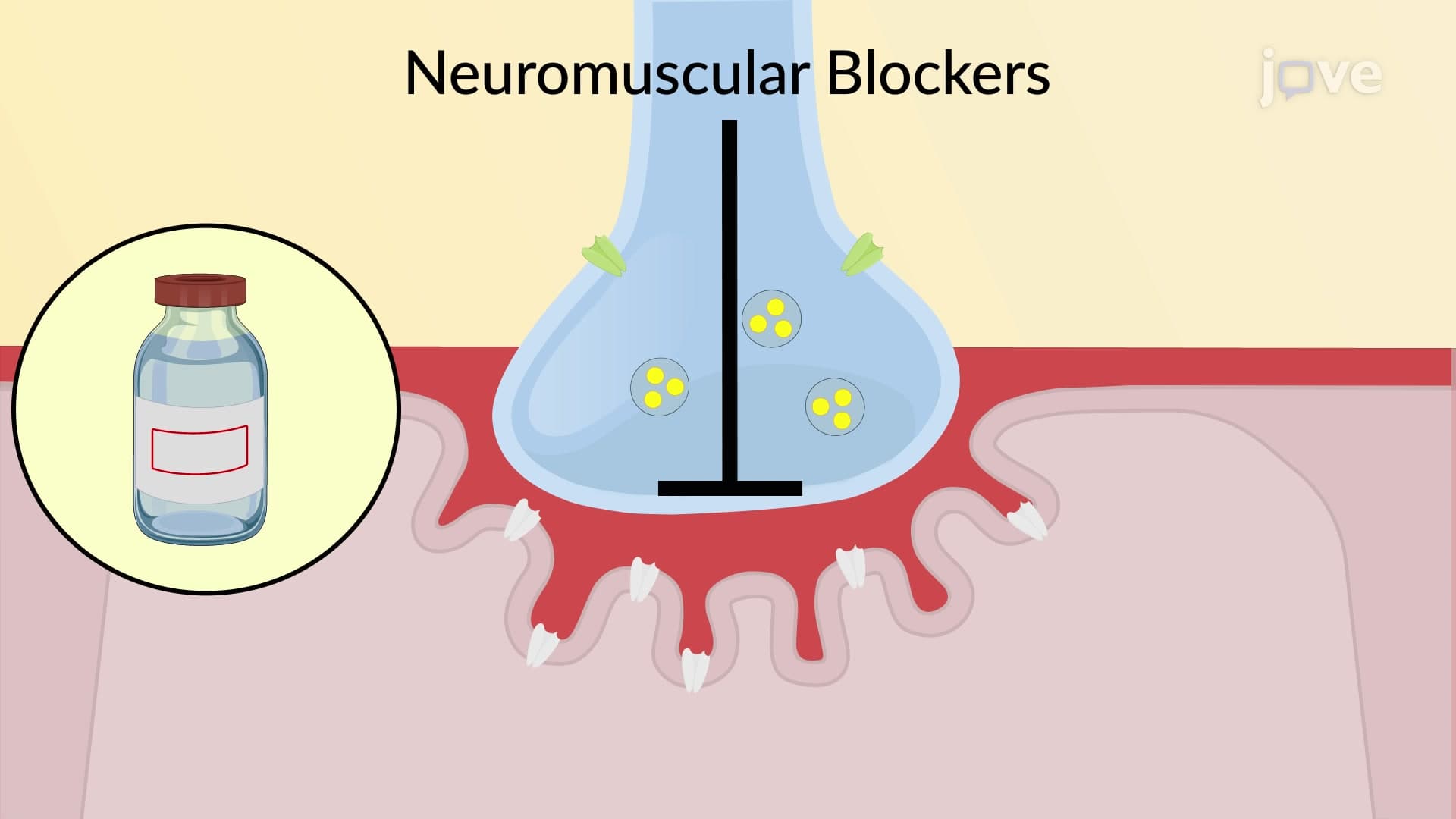
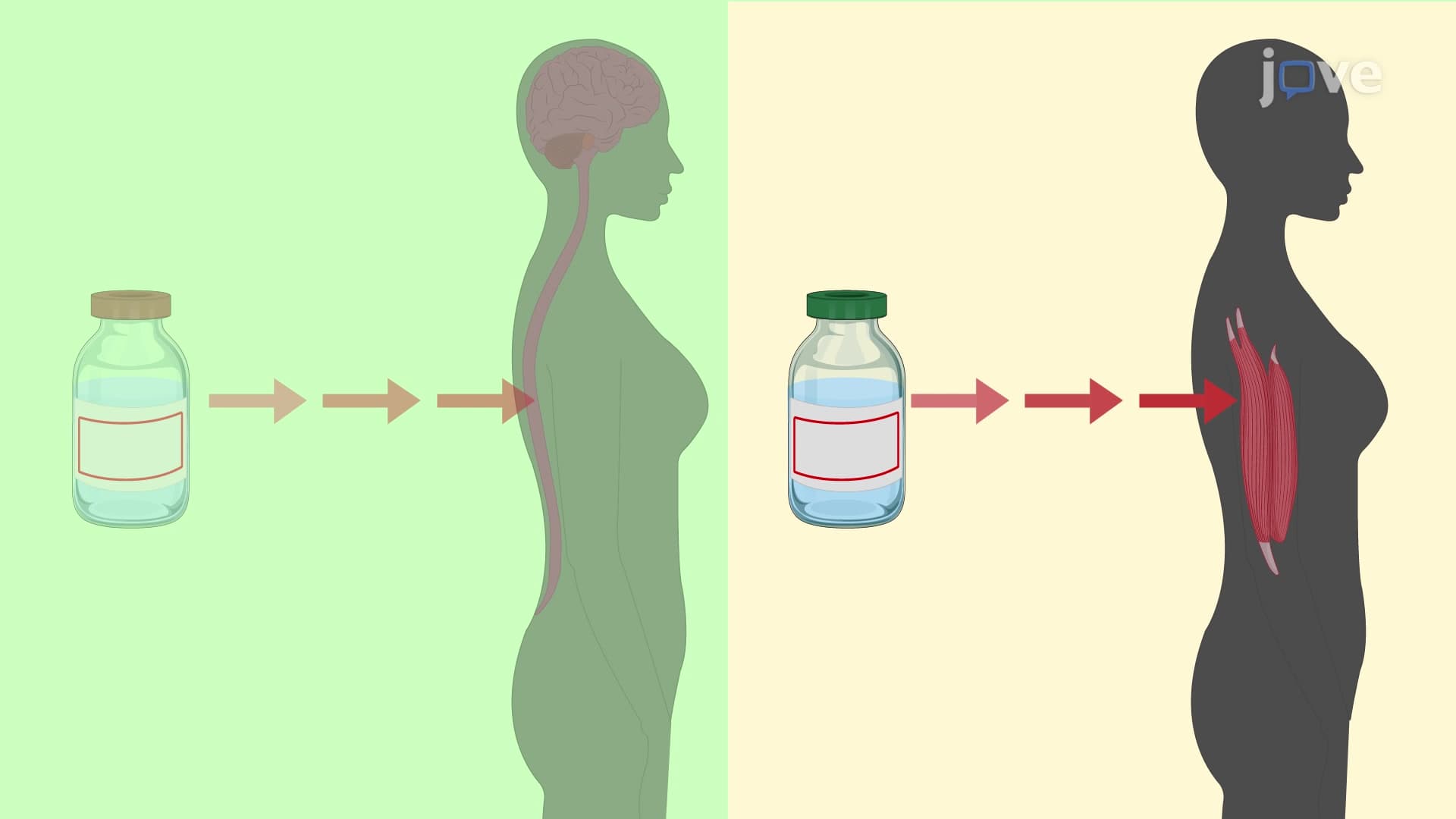
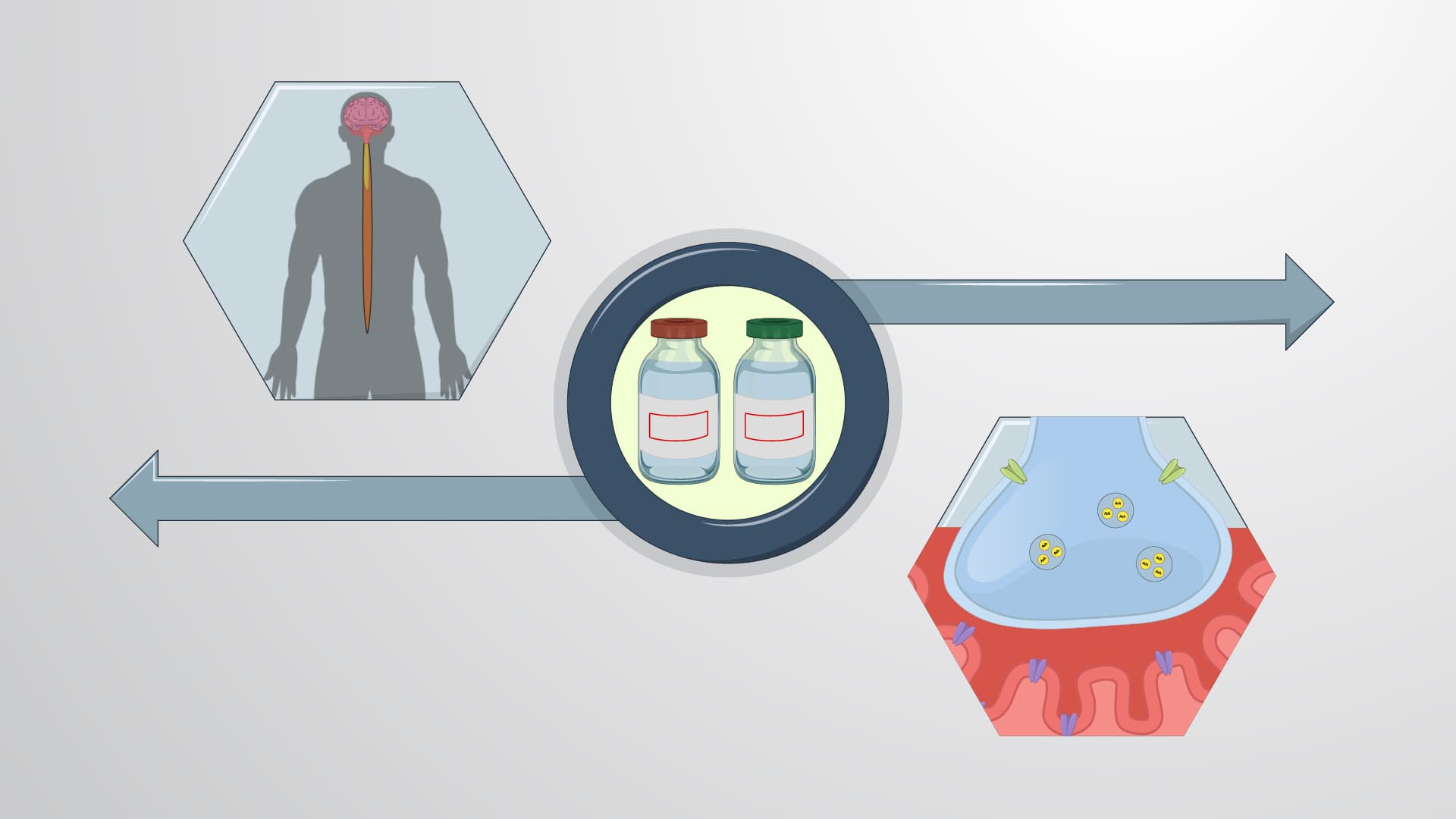
The selection between depolarizing and nondepolarizing neuromuscular blocking agents (NMBAs) depends critically on procedure requirements and duration. Nondepolarizing agents like rocuronium have revolutionized lengthy surgical procedures, particularly in major medical centers like Mayo Clinic and Cleveland Clinic. These medications work by competitively blocking acetylcholine receptors at the neuromuscular junction, preventing muscle contraction without affecting consciousness when used alongside general anesthetics.
For rapid sequence intubation in emergency departments across the United States, succinylcholine remains the gold standard depolarizing NMBA. This medication causes initial muscle fasciculation followed by paralysis, making it ideal for securing airways in trauma patients or during emergency cesarean sections. The drug's quick onset (30-60 seconds) and relatively short duration (5-10 minutes) provide optimal conditions for intubation while minimizing prolonged paralysis.
In intensive care units at hospitals like Johns Hopkins and Massachusetts General Hospital, muscle relaxants serve vital roles beyond surgical procedures. Patients with severe respiratory conditions including ARDS (Acute Respiratory Distress Syndrome), pneumonia with respiratory failure, or status asthmaticus often require mechanical ventilation assistance. NMBAs reduce chest wall resistance and eliminate patient-ventilator dyssynchrony, improving oxygenation and reducing barotrauma risk.
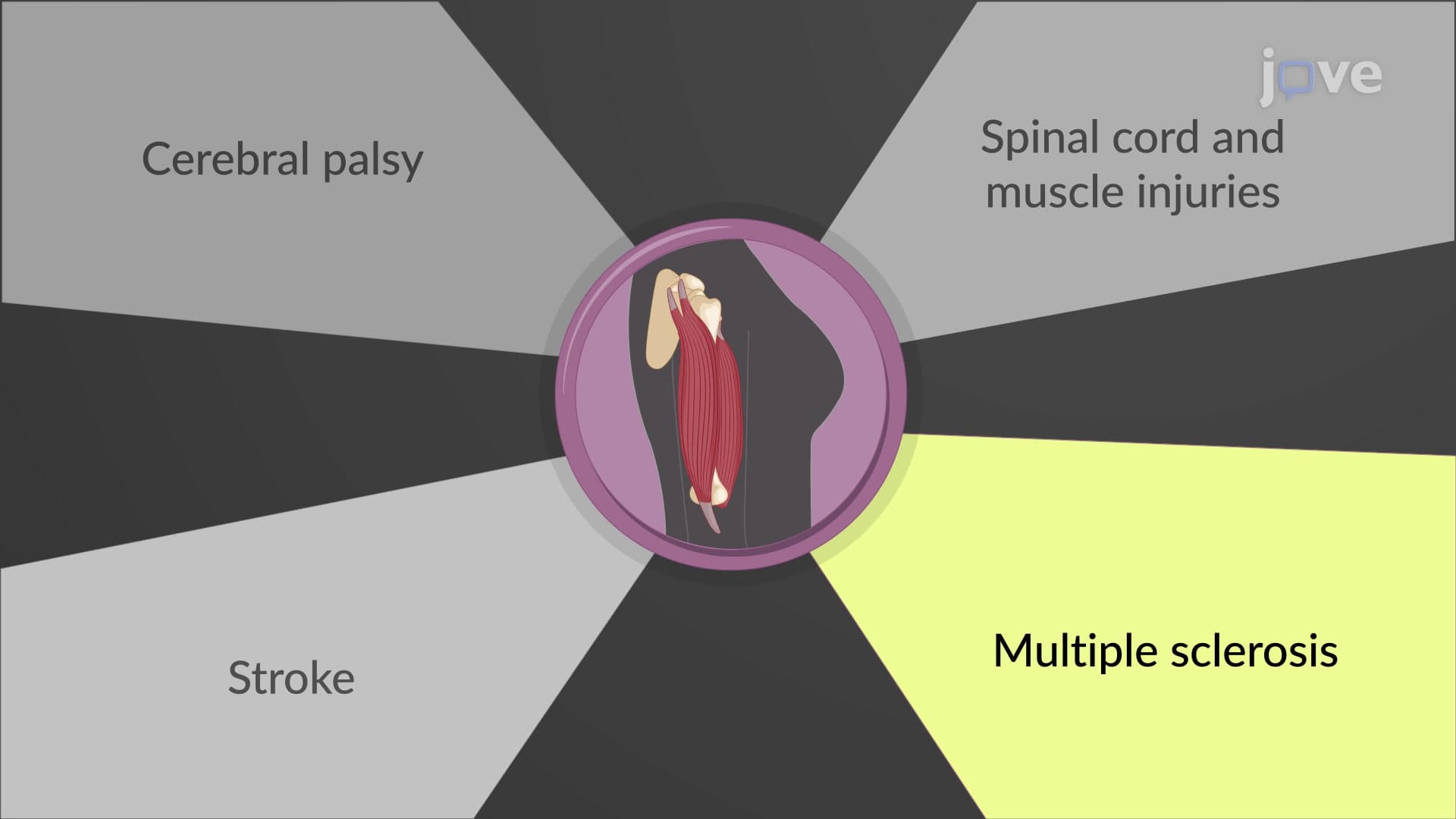
Direct-acting muscle relaxants like dantrolene operate through different mechanisms, directly affecting muscle fiber excitation-contraction coupling. At major academic medical centers, dantrolene serves dual purposes: treating spasticity in neurological conditions like cerebral palsy and multiple sclerosis, and providing life-saving intervention for malignant hyperthermia during surgery. This rare but potentially fatal complication affects approximately 1 in 100,000 anesthetics and requires immediate dantrolene administration.
Botulinum toxin applications have expanded far beyond cosmetic uses, with FDA-approved therapeutic indications including chronic migraine, overactive bladder, and severe spasticity. These applications demonstrate how muscle relaxant therapy continues evolving in modern medicine.
Related Micro-courses