Loading subject page…


21,352 views

Video Summary: What Is Depolarizing Blockers Pharmocokinetics
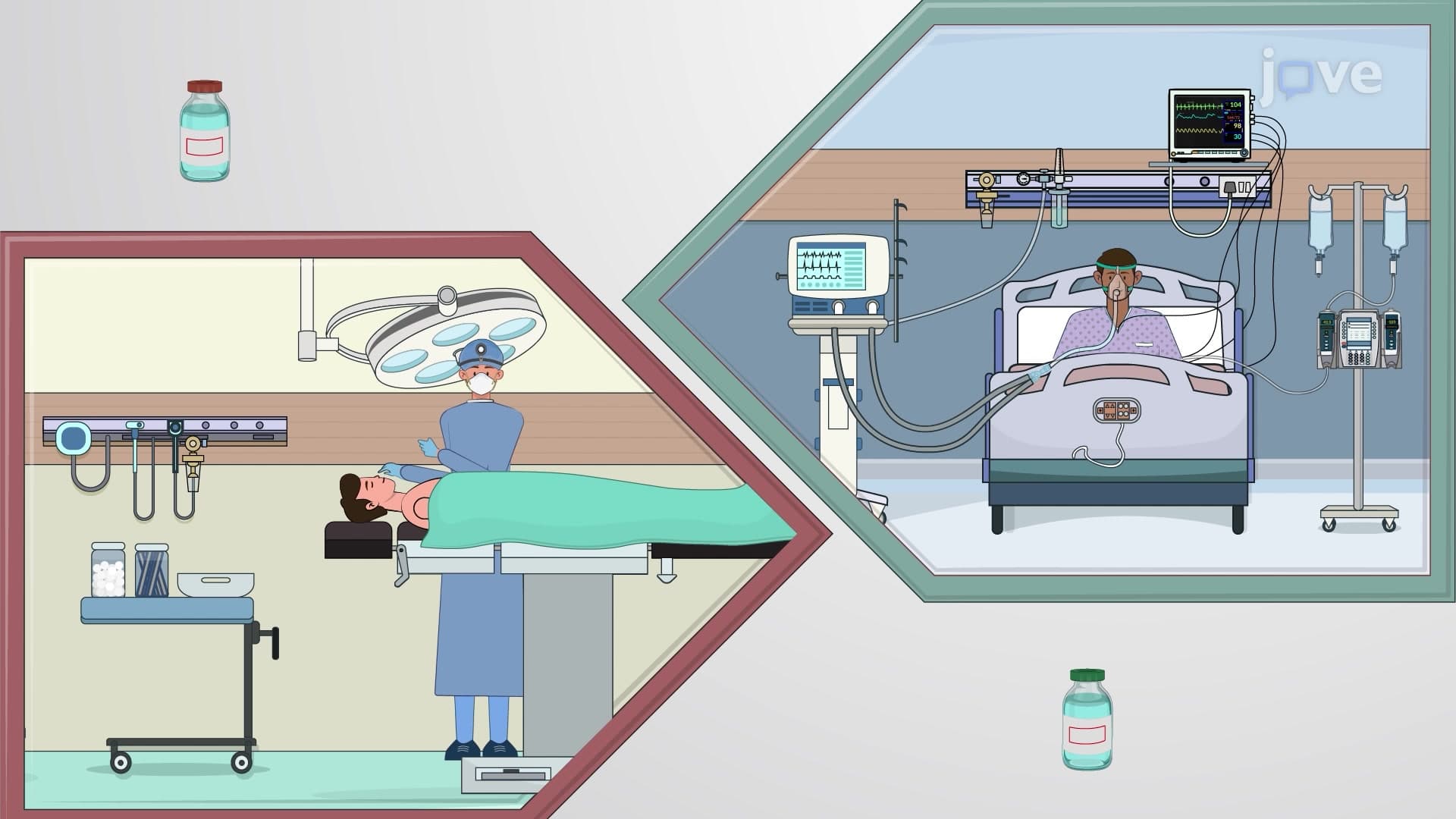
During emergency surgery at Johns Hopkins Hospital, anesthesiologists must paralyze patients within seconds-but how do these life-saving drugs work so fast yet wear off quickly? Depolarizing blockers pharmocokinetics explains the rapid absorption, distribution, and elimination of neuromuscular blocking agents like succinylcholine. Understanding what is depolarizing blockers pharmocokinetics reveals why these medications achieve complete muscle paralysis in under 60 seconds, then disappear from the body within 10 minutes through plasma enzyme breakdown. Watch the full video on JoVE Coach to master this concept with expert-led visuals and step-by-step explanations.
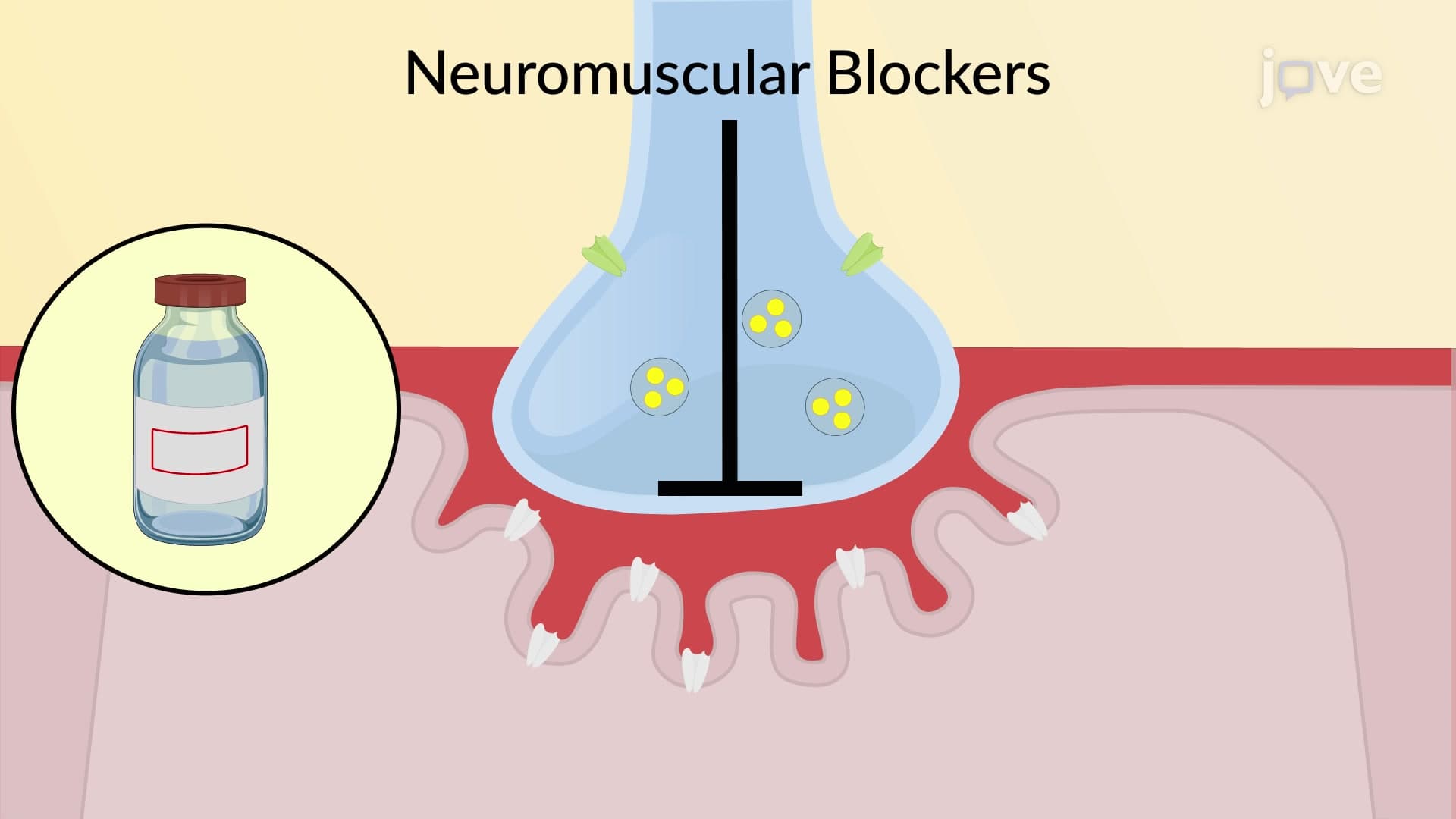
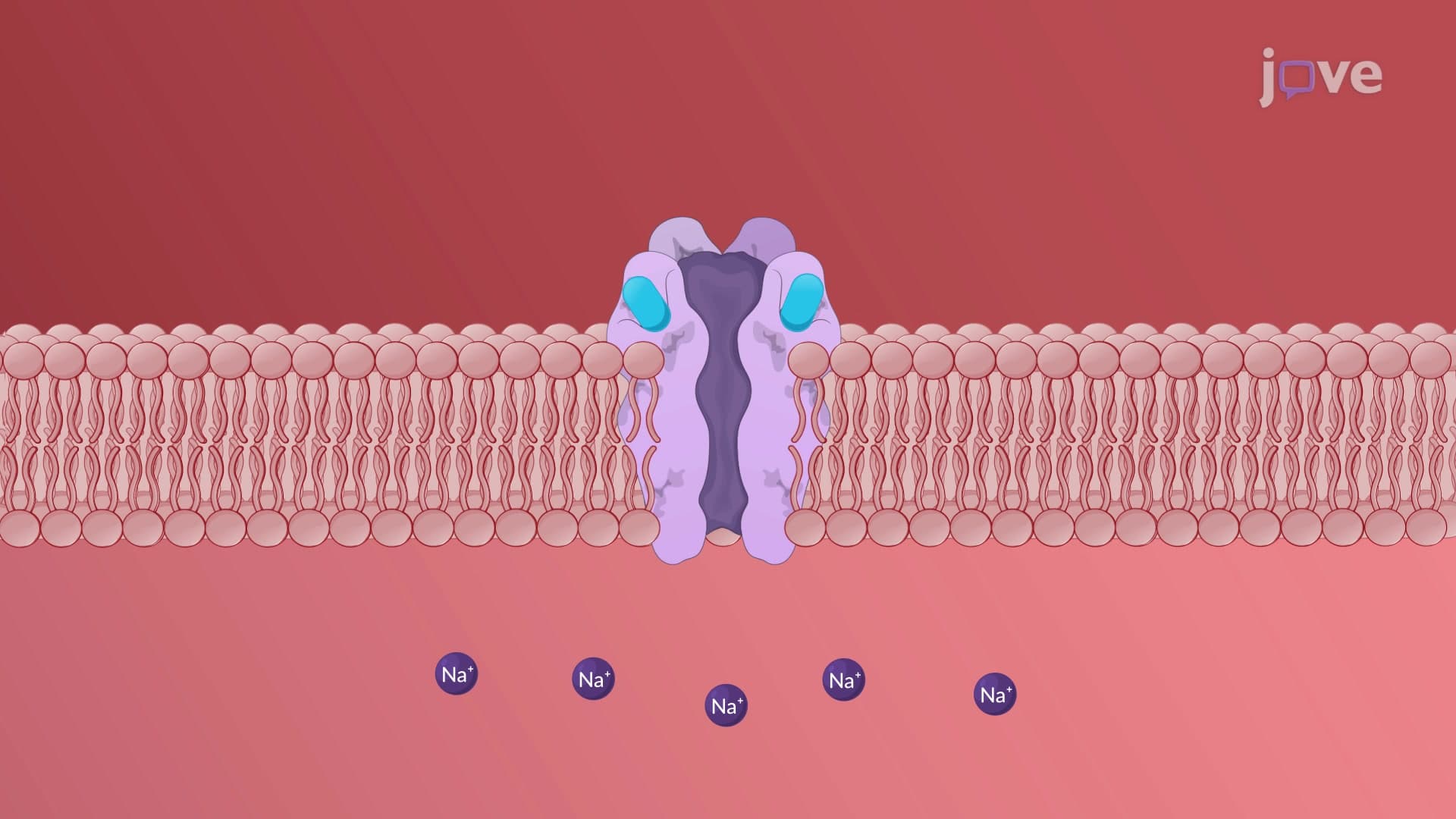
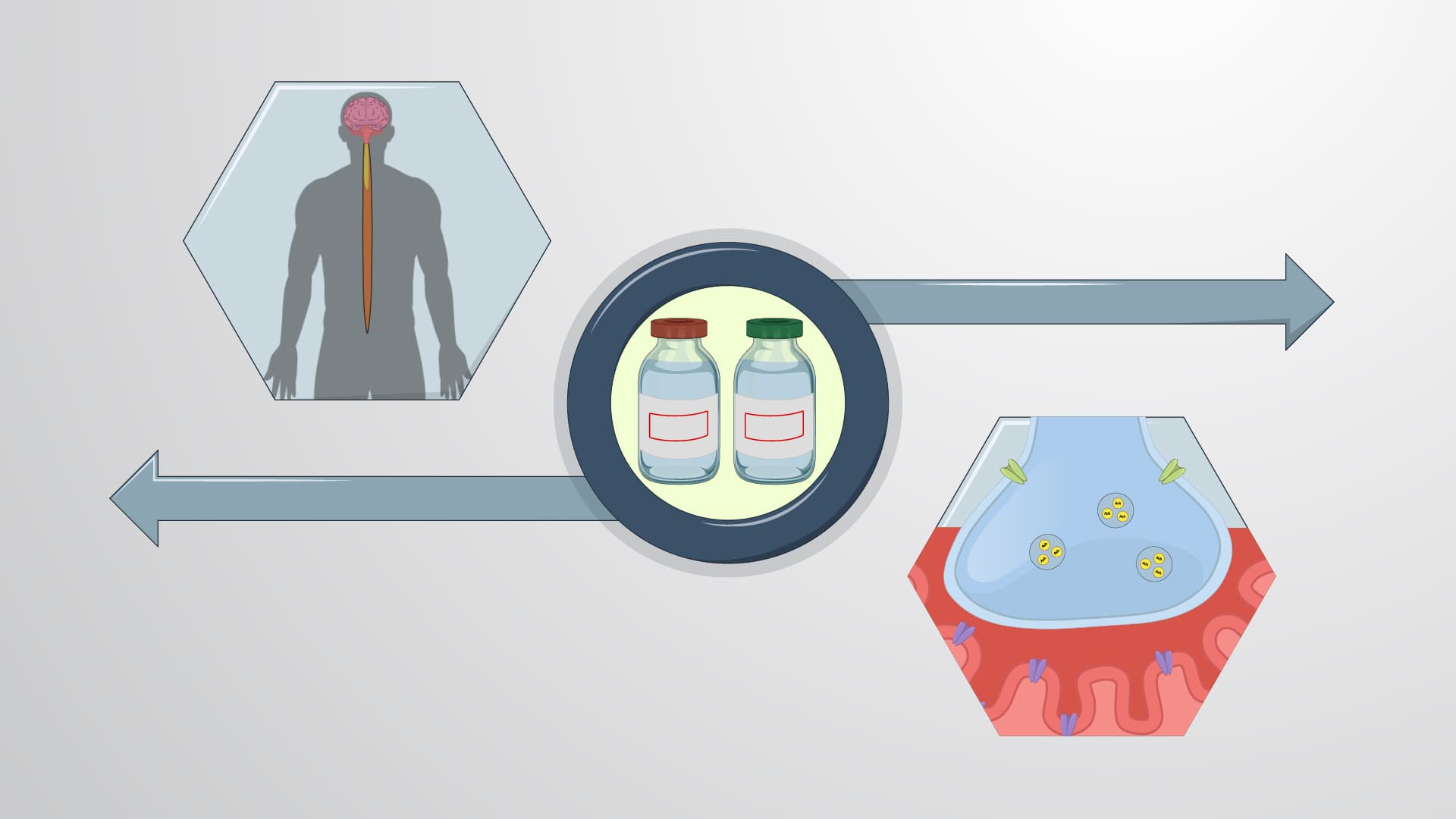
Depolarizing blockers pharmocokinetics describes how neuromuscular blocking drugs like succinylcholine move through the body to produce temporary muscle paralysis. Unlike typical medications that simply block receptors, depolarizing blockers actually activate nicotinic receptors at the neuromuscular junction, causing initial muscle fasciculations before paralysis sets in. This unique mechanism makes their pharmacokinetic behavior particularly important for anesthesiologists working in major medical centers like Massachusetts General Hospital or Cleveland Clinic.
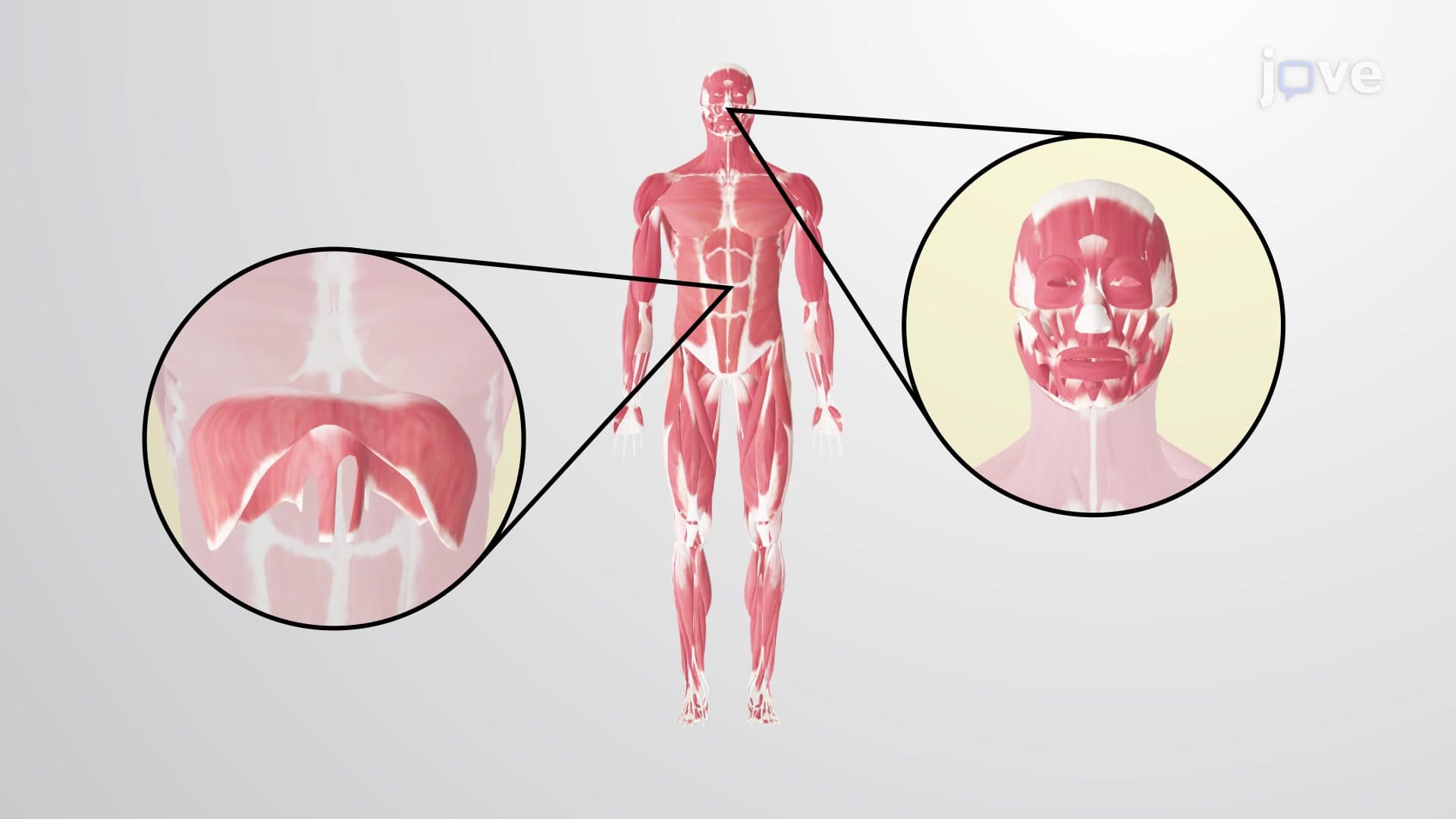
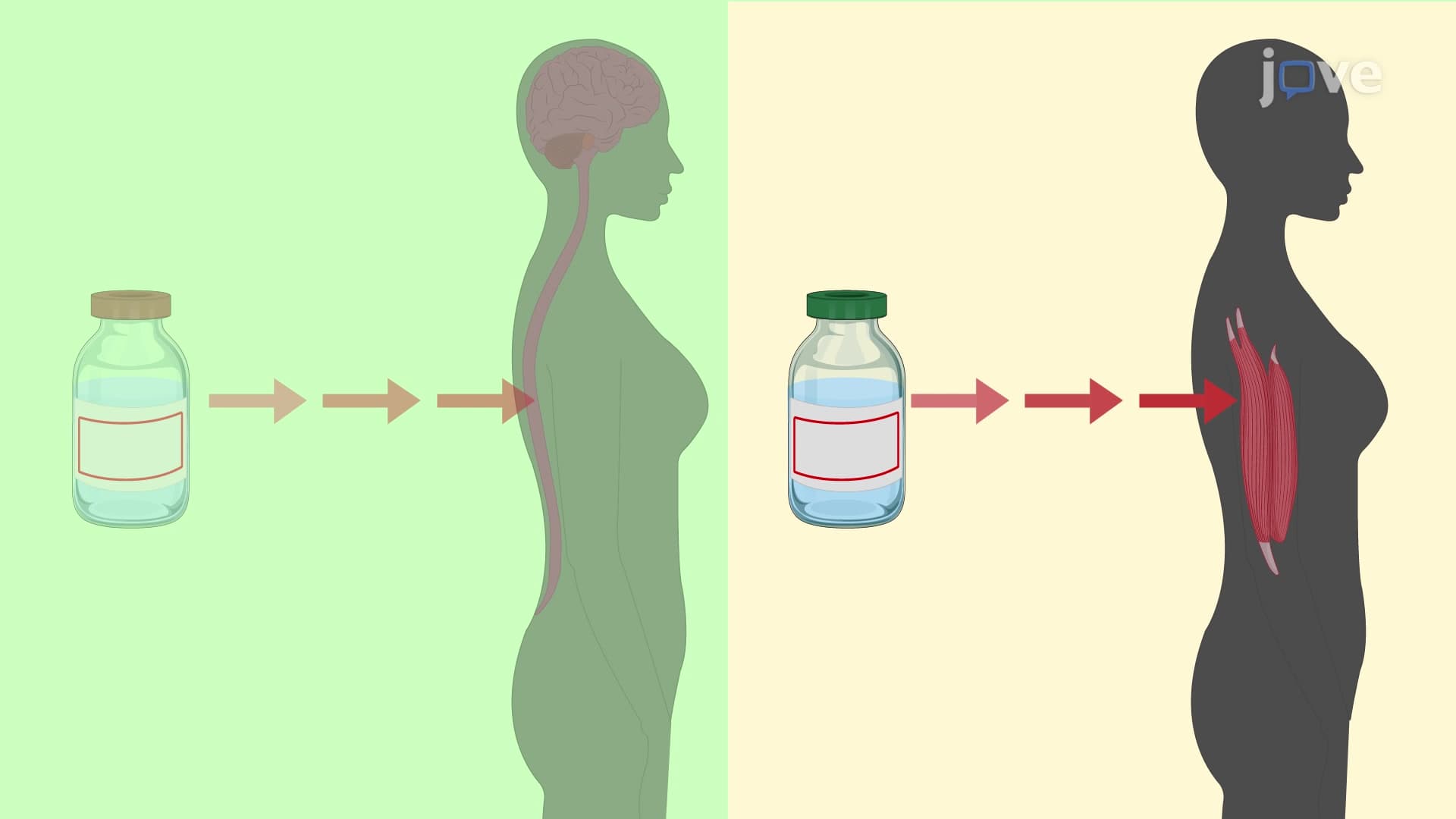
When administered intravenously during surgery, succinylcholine reaches peak plasma concentrations within 30 seconds. The drug rapidly distributes to highly perfused organs first-heart, brain, liver-before reaching skeletal muscle. This explains why patients lose consciousness support muscles (diaphragm, intercostals) before peripheral muscles in arms and legs. Medical students studying for the MCAT often struggle with this concept, but understanding that blood flow determines distribution speed helps clarify why respiratory paralysis occurs so rapidly.
The most clinically relevant aspect of depolarizing blockers pharmocokinetics involves plasma cholinesterase metabolism. Unlike acetylcholinesterase at synapses, plasma cholinesterase (also called pseudocholinesterase) circulates in blood and breaks down succinylcholine into inactive metabolites. This enzyme system explains why succinylcholine has such a brief duration-most of the injected drug never reaches muscle receptors because plasma enzymes destroy it during circulation. Students preparing for AP Biology exams should note this represents a classic example of enzyme kinetics affecting drug action.
Several patient factors significantly impact depolarizing blocker pharmacokinetics. Patients with genetic plasma cholinesterase deficiencies may experience prolonged paralysis lasting hours instead of minutes. Liver disease, malnutrition, and certain medications can also reduce enzyme levels. Anesthesiology residents studying for board exams must understand these variations to calculate appropriate dosing. For instance, elderly patients often require dose adjustments due to decreased plasma protein levels and altered distribution volumes, concepts frequently tested on USMLE Step 1.
Related Micro-courses