Loading subject page…


21,352 views


Video Summary: What Is Skeletal Muscle Relaxants Classification
Did you know that the same muscle relaxant used to paralyze patients during heart surgery at Johns Hopkins Hospital also shares mechanisms with drugs treating cerebral palsy spasms? Skeletal muscle relaxants classification reveals how these powerful medications work through two distinct pathways to control muscle function. From baclofen helping spinal cord injury patients regain mobility to rocuronium enabling safe surgical procedures, understanding what is skeletal muscle relaxants classification unlocks the science behind critical medical interventions. Watch the full video on JoVE Coach to master this concept with expert-led visuals and step-by-step explanations.
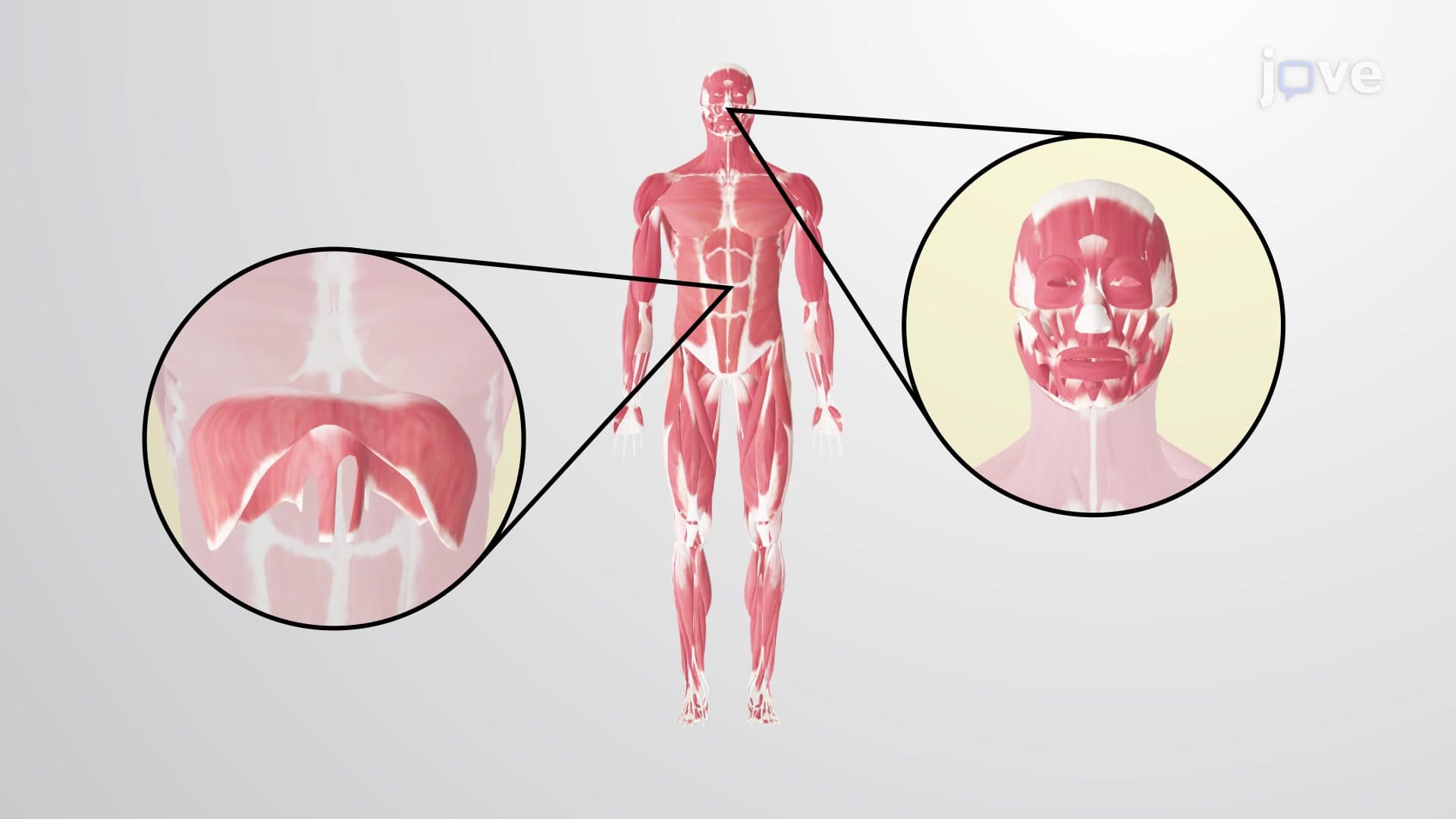
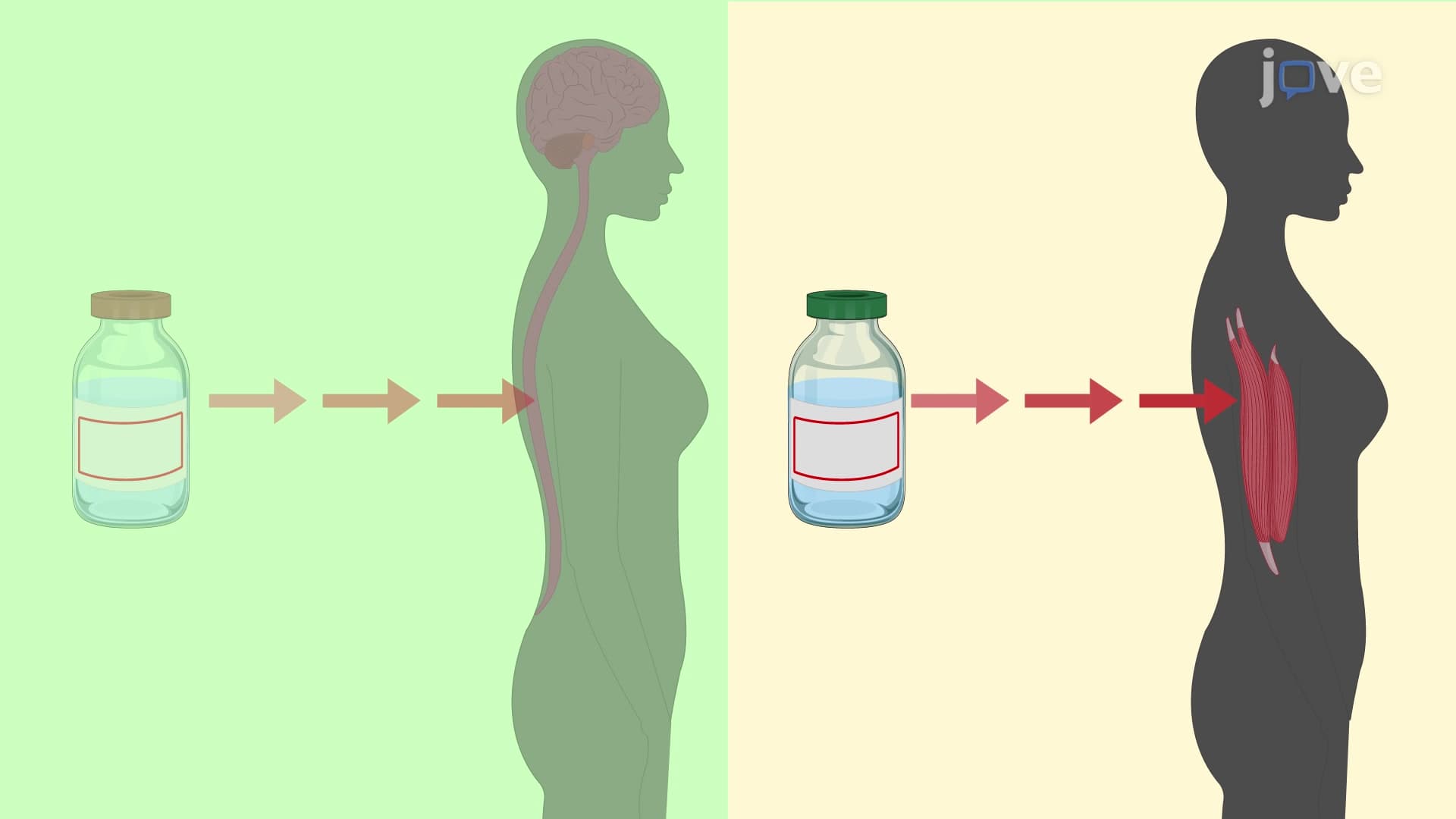
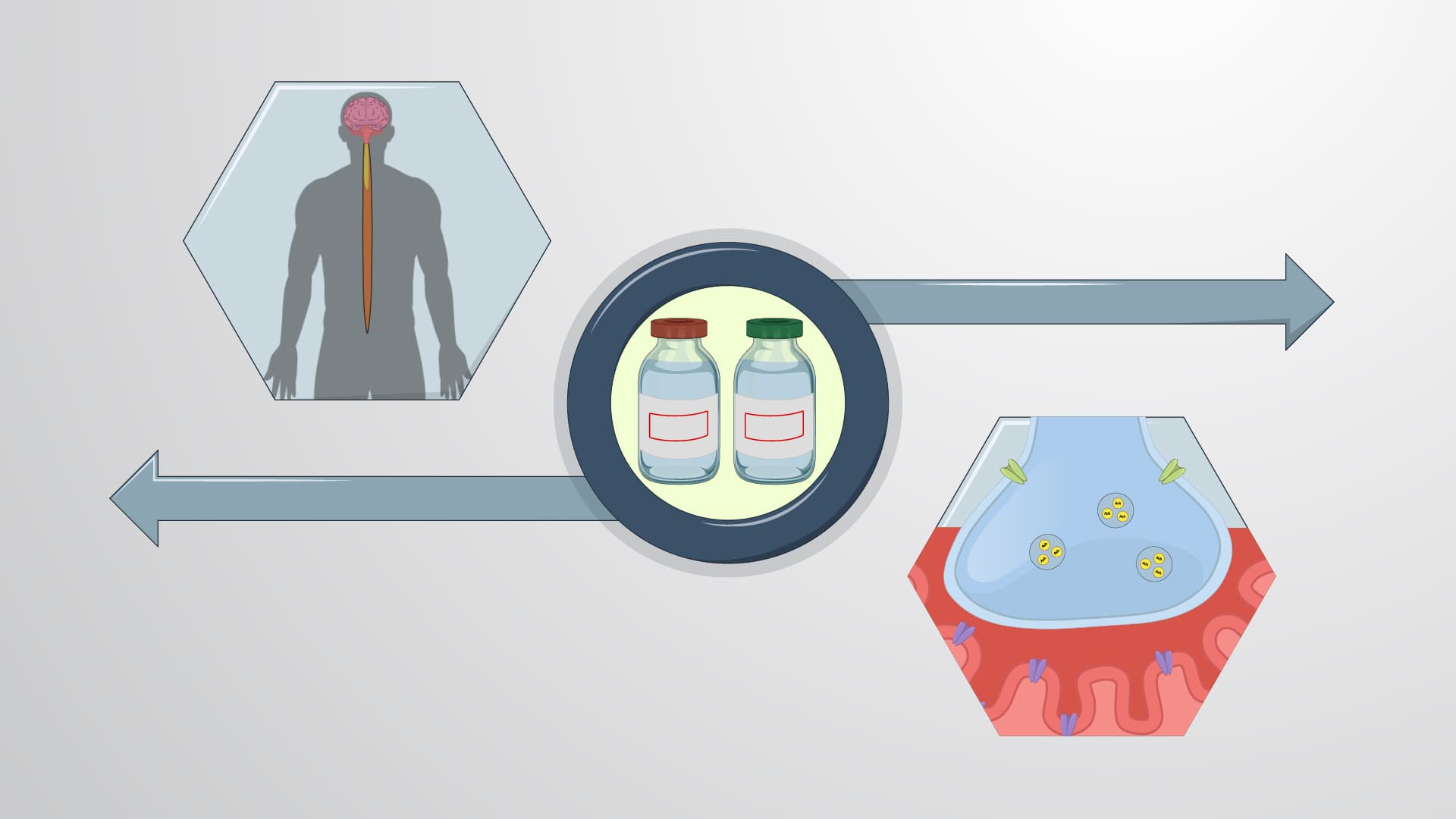
Skeletal muscle relaxants classification divides these essential medications into two primary categories based on their sites of action and therapeutic purposes. This classification system helps healthcare providers select appropriate treatments for conditions ranging from multiple sclerosis spasticity to surgical anesthesia requirements. Students preparing for the MCAT or AP Biology exams should master these distinctions, as they frequently appear in pharmacology and physiology sections.
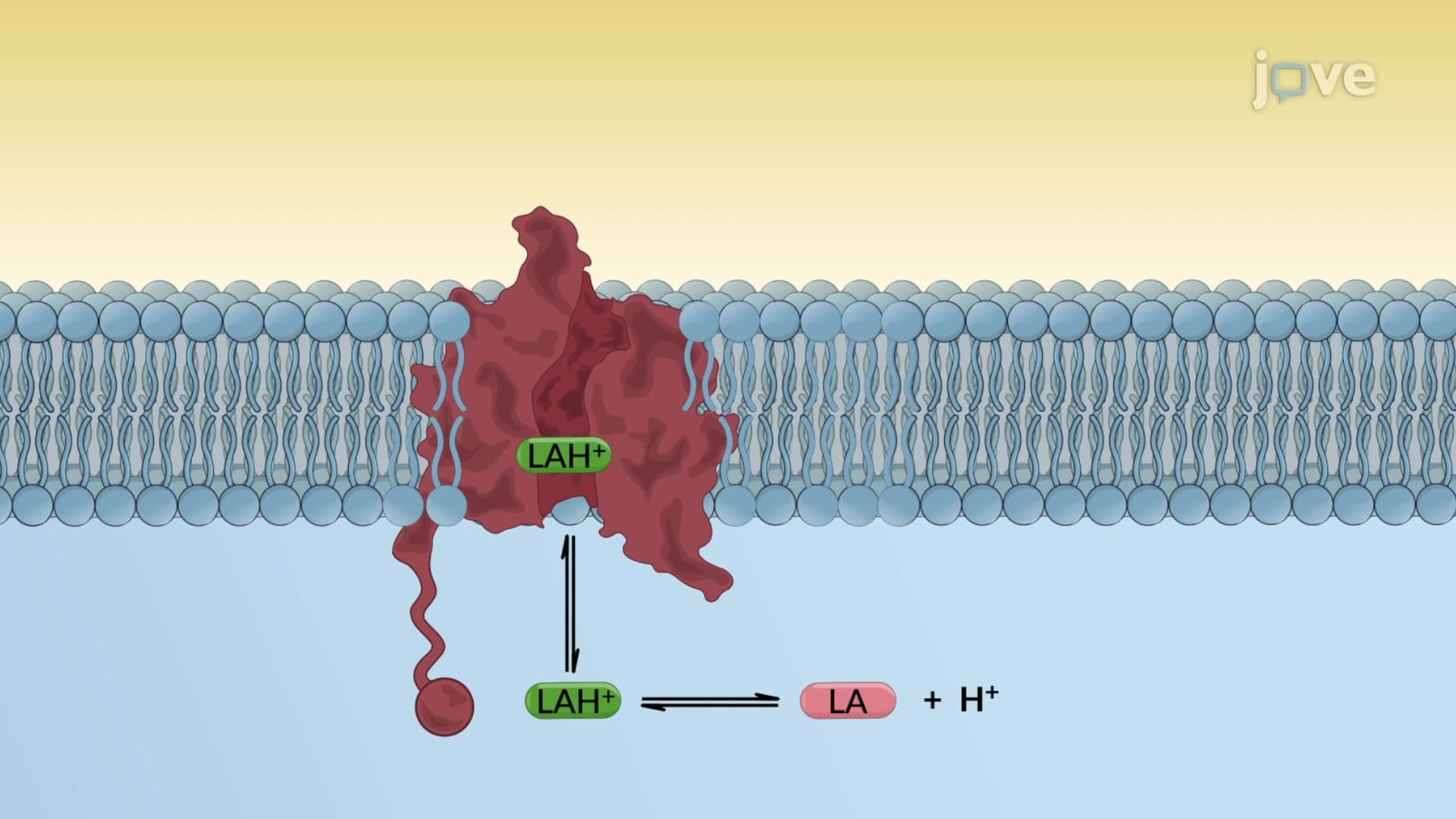
Spasmolytic drugs represent the first major class in skeletal muscle relaxants classification, focusing on conditions where brain or spinal cord dysfunction causes painful muscle contractions. These medications work centrally, meaning they affect the nervous system rather than muscles directly. Baclofen exemplifies this category by activating GABA-B receptors in the spinal cord, effectively "turning down" the volume on overactive motor neurons.
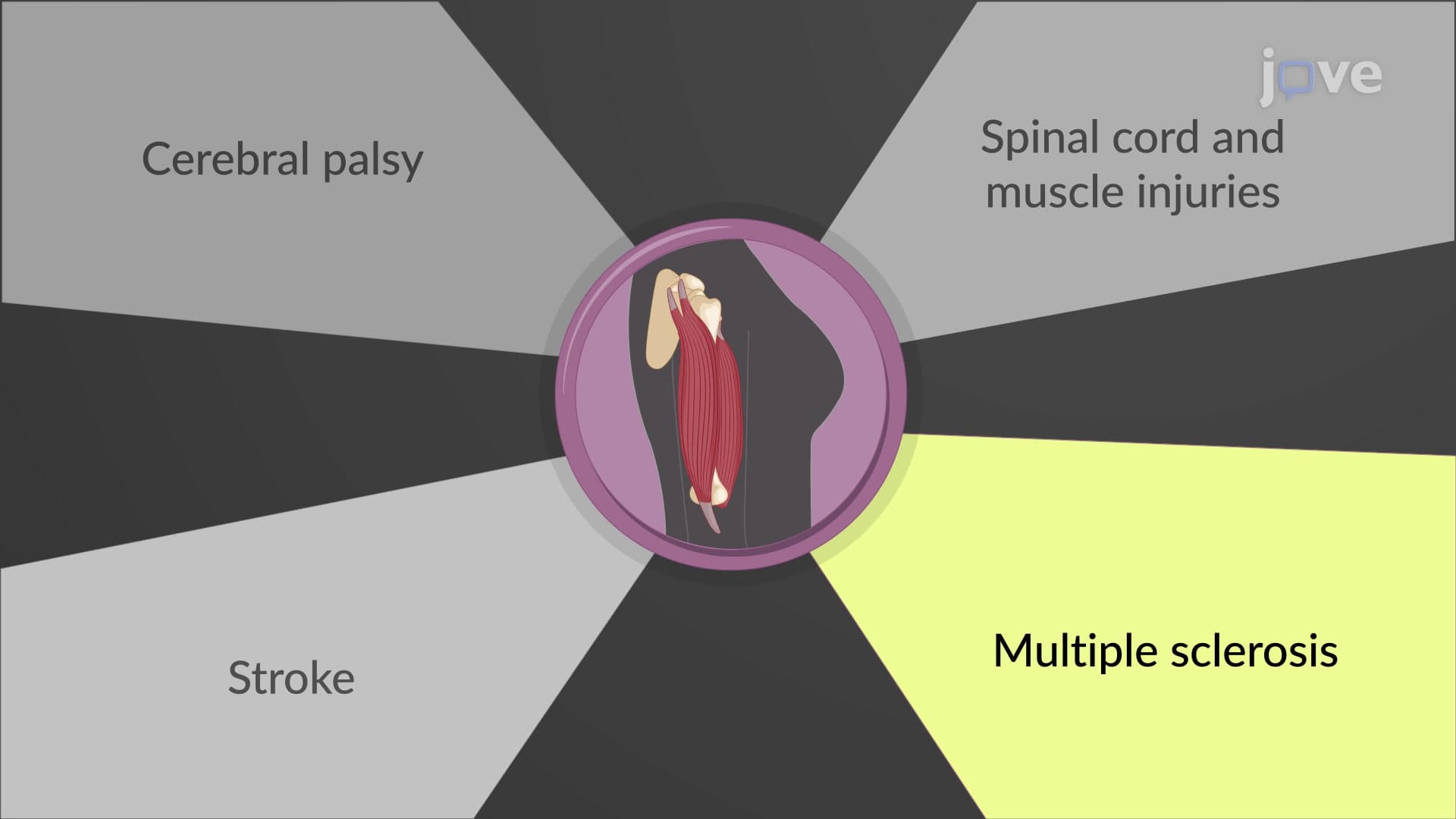
In US clinical practice, neurologists at institutions like the Mayo Clinic prescribe baclofen for patients with cerebral palsy, multiple sclerosis, or spinal cord injuries. The drug's mechanism involves enhancing the inhibitory effects of gamma-aminobutyric acid (GABA), the brain's primary "brake pedal" neurotransmitter. When GABA receptors activate, they prevent excitatory signals from reaching dangerous levels, reducing muscle spasms and associated pain.
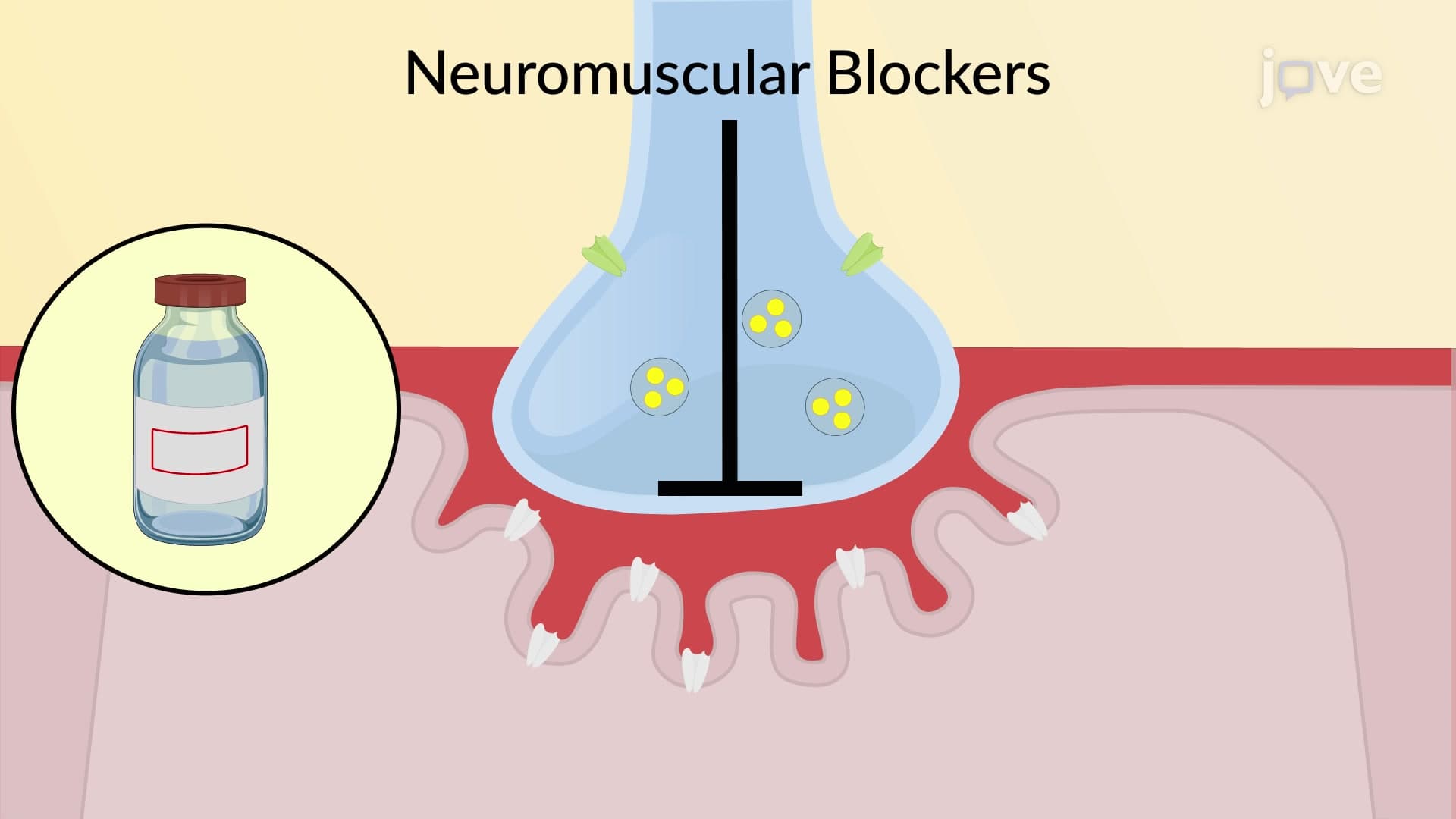
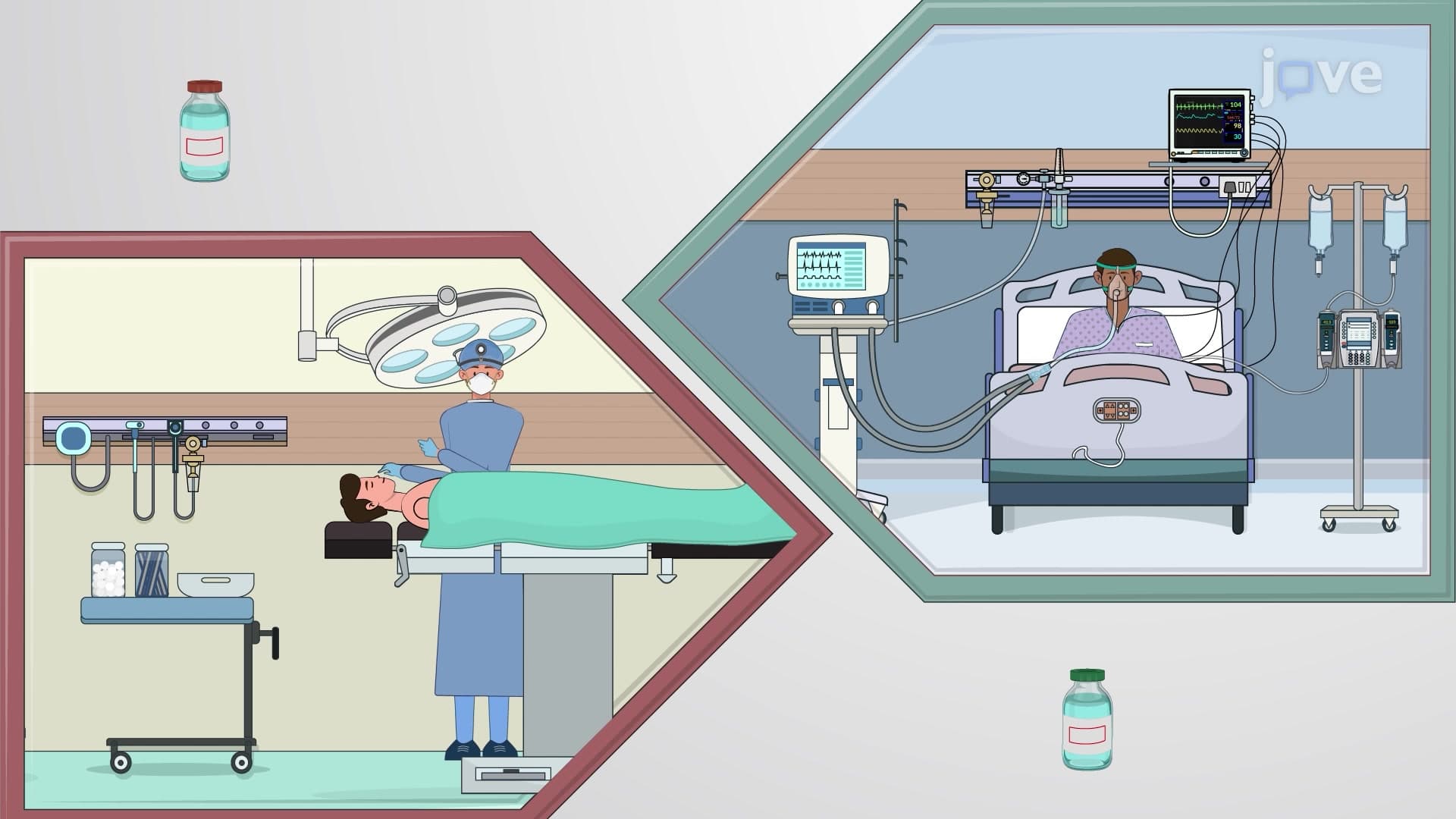
The second category in skeletal muscle relaxants classification encompasses neuromuscular blockers, which anesthesiologists use to achieve controlled muscle paralysis during surgery. These drugs work at the neuromuscular junction-the critical connection point where motor neurons communicate with skeletal muscles through acetylcholine release.
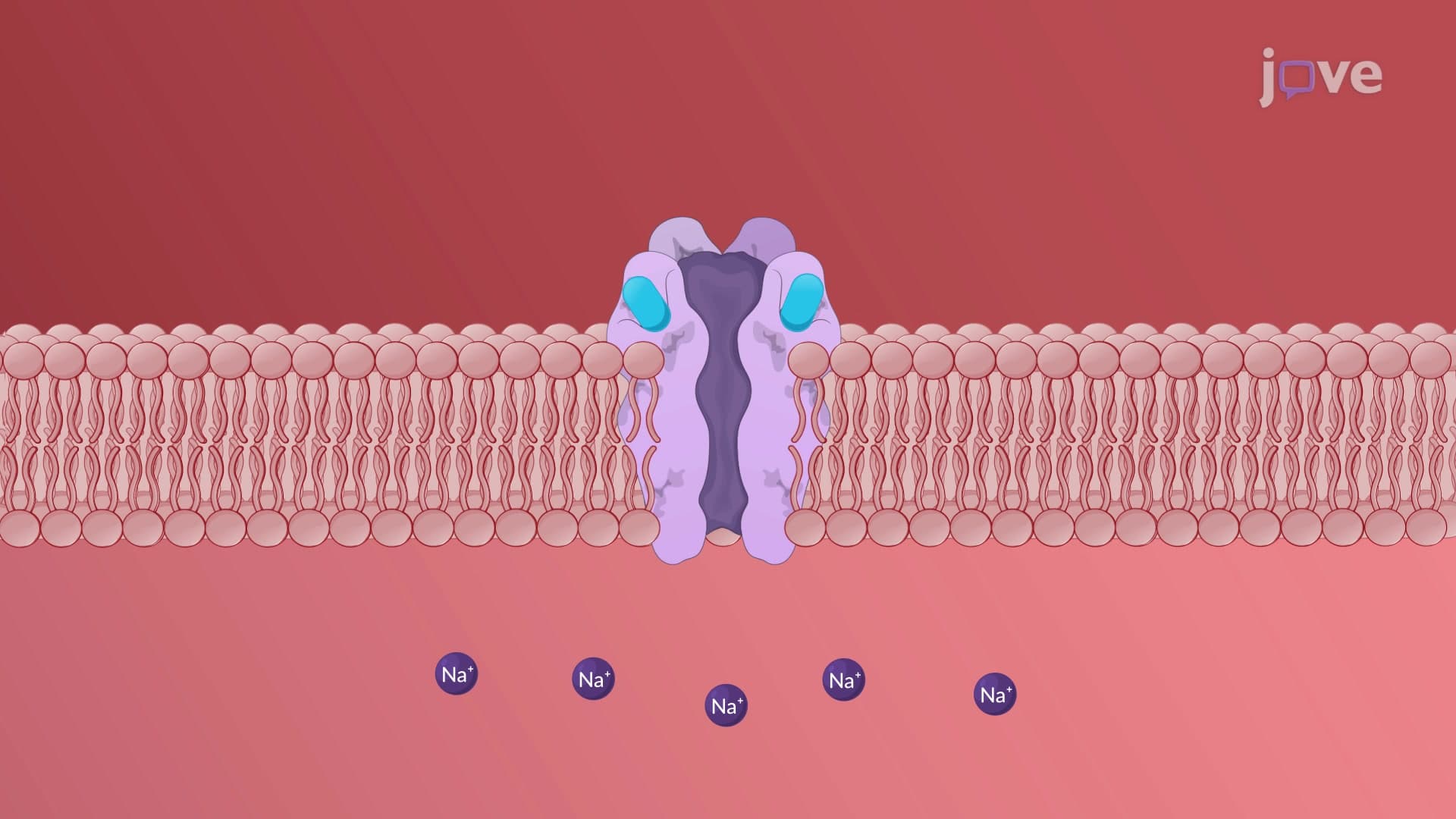
Non-depolarizing blockers like rocuronium act as competitive inhibitors, essentially "parking" in acetylcholine receptor sites without activating them. This prevents normal muscle contraction signals from getting through, creating the still, relaxed conditions surgeons need for procedures like open-heart surgery at institutions such as Cleveland Clinic.
Depolarizing agents like succinylcholine take a different approach by mimicking acetylcholine initially, causing brief muscle contractions before inducing paralysis. This "phase I" block occurs because sustained depolarization eventually makes muscle cells unresponsive to further stimulation-like holding down a light switch until the mechanism jams.
Understanding skeletal muscle relaxants classification proves crucial for students pursuing healthcare careers. USMLE Step 1 examinations frequently test knowledge of these drug mechanisms, particularly focusing on adverse effects and contraindications. For instance, succinylcholine can trigger malignant hyperthermia in susceptible patients, making genetic screening essential in perioperative care.
College-level pharmacology courses emphasize how this classification system guides rational drug selection. Physical therapy students learn why baclofen helps cerebral palsy patients improve mobility, while pre-med students study how anesthesiologists titrate rocuronium doses to maintain surgical paralysis without compromising post-operative recovery.
Related Micro-courses