Loading…
Loading video…

203,301 views
Ever wonder how NASA calculates gravitational fields around planets or how medical imaging creates detailed brain scans? Second derivatives and Laplace operator form the mathematical foundation for these technologies. These powerful tools extend basic calculus into multidimensional space, enabling engineers at Boeing to model airflow over aircraft wings and helping radiologists interpret MRI data at hospitals like Johns Hopkins. Understanding Second Derivatives And Laplace Operator Explained unlocks advanced applications in physics, engineering, and medical imaging. Watch the full video on JoVE Coach to master this concept with expert-led visuals and step-by-step explanations.
Second derivatives and Laplace operator concepts represent a natural progression from single-variable calculus to multivariable analysis. While basic derivatives measure rates of change in one dimension, second-order operators examine how quantities vary across multiple spatial dimensions simultaneously. This mathematical framework proves essential for students preparing for AP Calculus BC, college-level multivariable calculus, and physics courses.
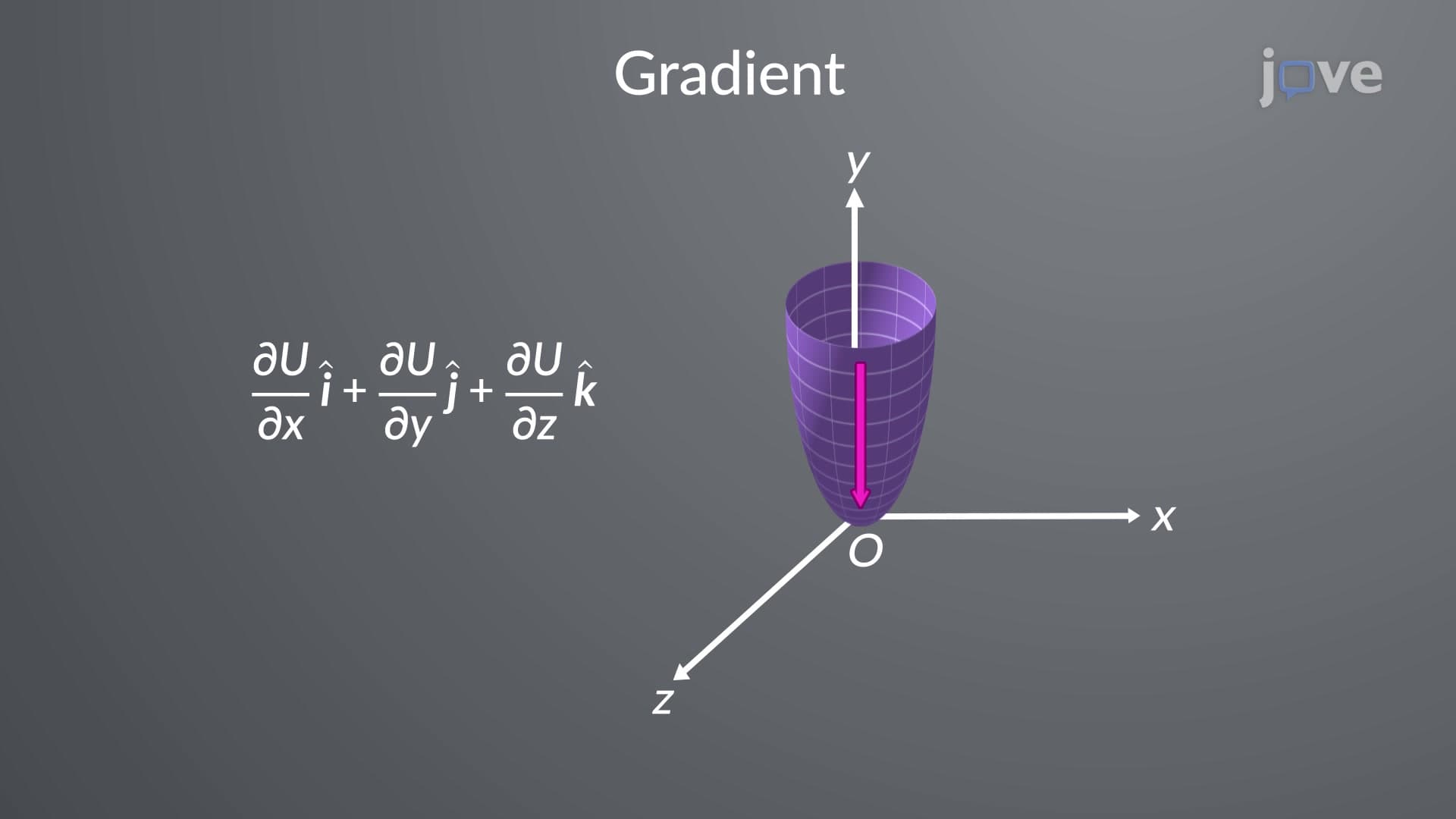
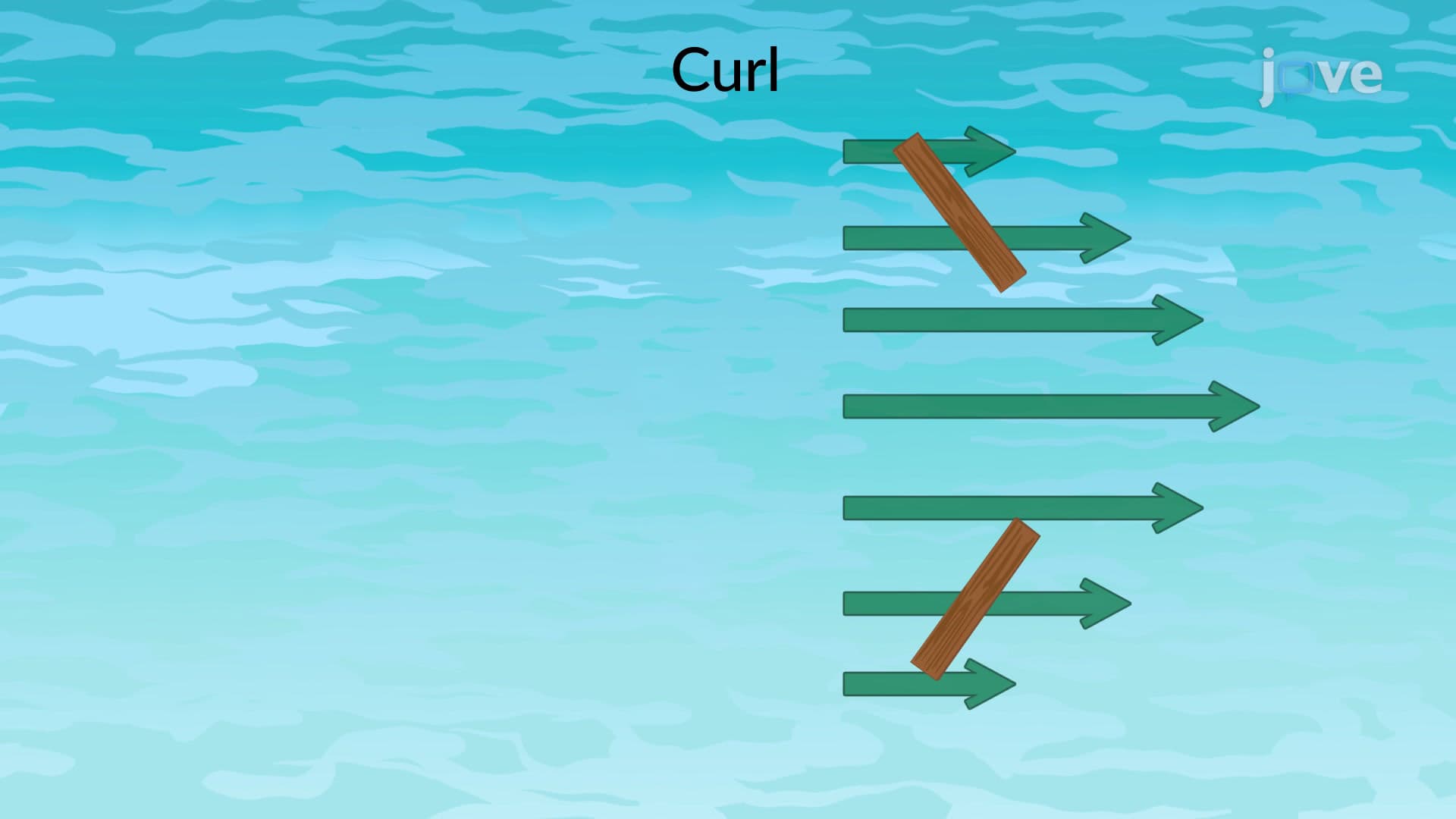
The foundation begins with first-order operators: gradient (∇), divergence (∇·), and curl (∇×). When these operators combine, they create second-order expressions with distinct properties. The second derivatives and Laplace operator tutorial reveals that certain combinations yield zero results—specifically, the curl of any gradient function and the divergence of any curl function always equal zero. These identities appear frequently on MCAT physics sections and college differential equations exams.
For example, when meteorologists at NOAA model atmospheric pressure gradients, the curl of the pressure gradient vanishes, confirming that conservative force fields have no rotational component. This principle applies equally to gravitational fields studied at NASA's Goddard Space Flight Center.
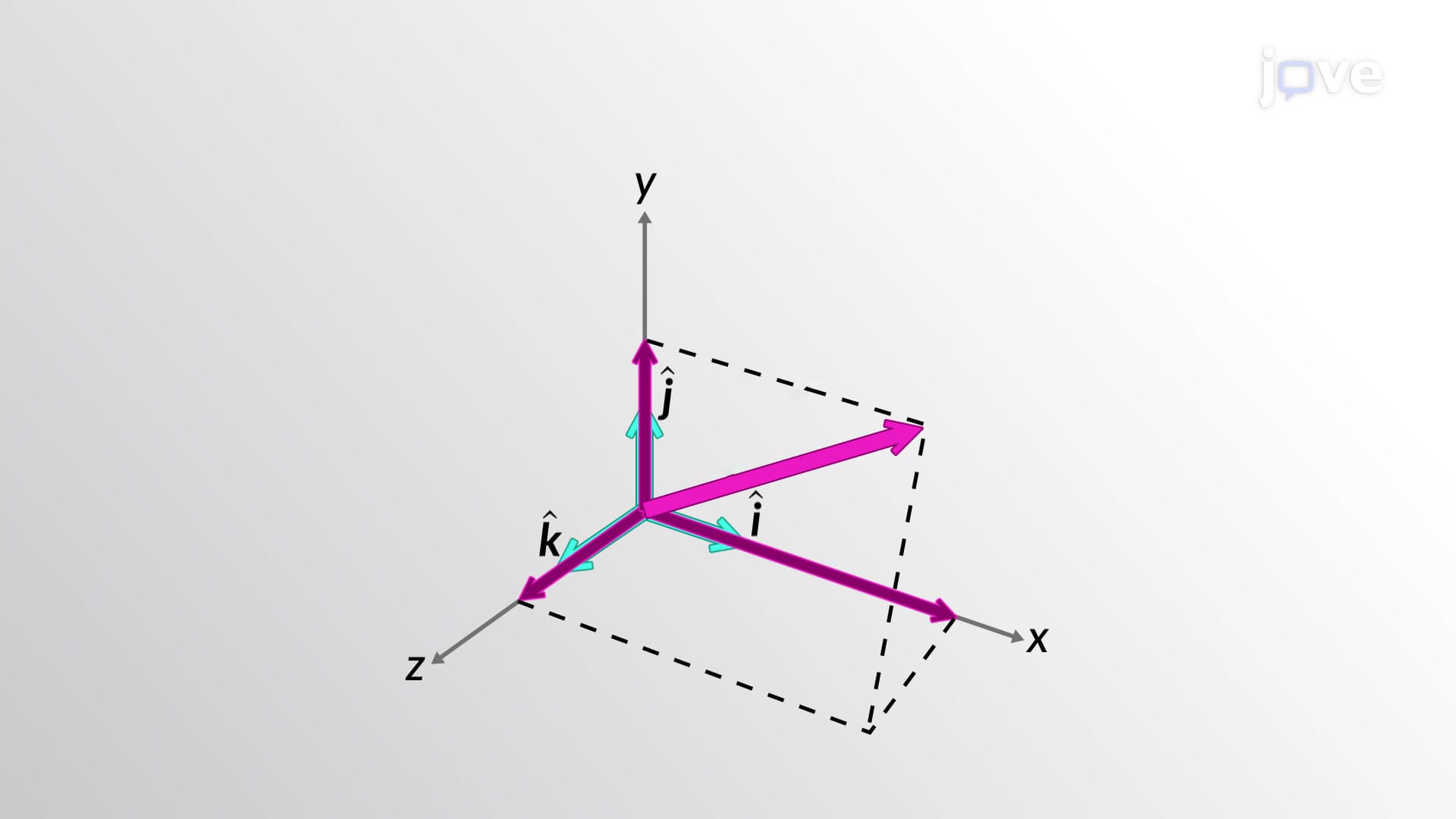
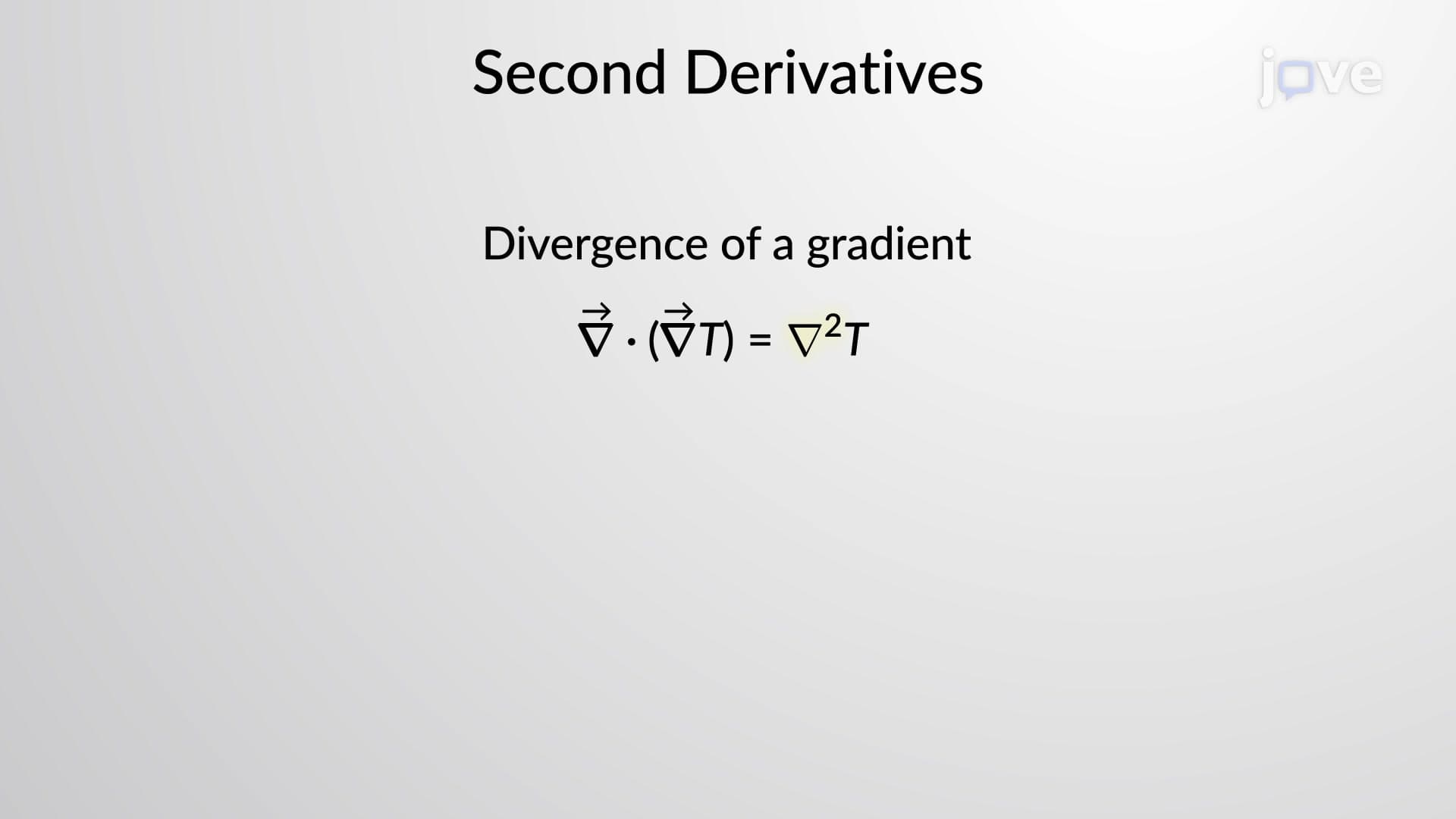
How second derivatives and Laplace operator works becomes clear when examining the divergence of gradient operations. The scalar Laplacian (∇²) represents the divergence of a gradient field, effectively measuring how much a scalar function differs from its average value in surrounding regions. In Cartesian coordinates, this appears as: ∇²f = ∂²f/∂x² + ∂²f/∂y² + ∂²f/∂z².
Engineering students at MIT and Stanford regularly encounter Laplacians when studying heat conduction in metal structures or analyzing electromagnetic wave propagation. Medical imaging technicians use Laplacian-based algorithms to enhance MRI contrast at institutions like Mayo Clinic and Cleveland Clinic.
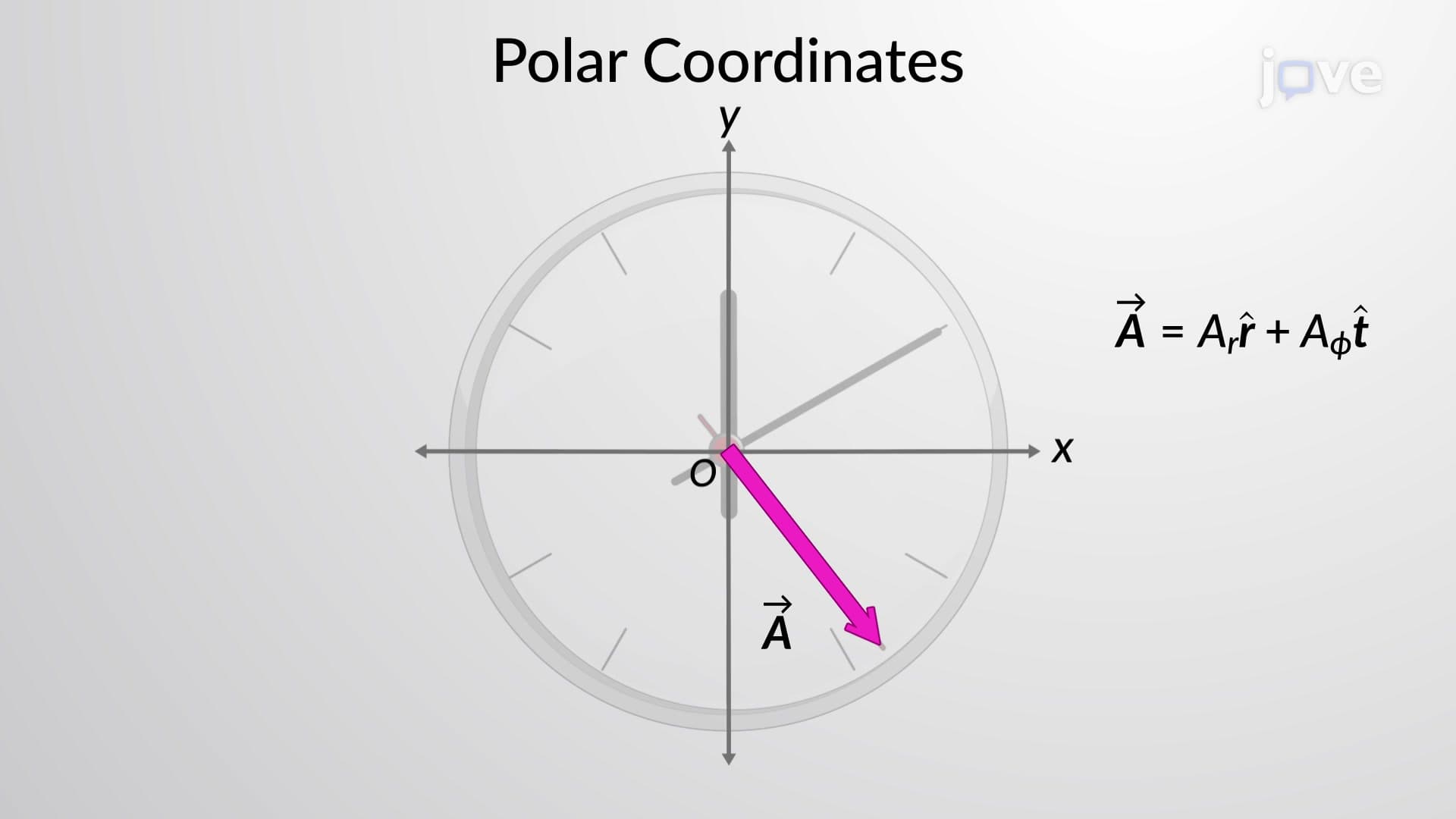
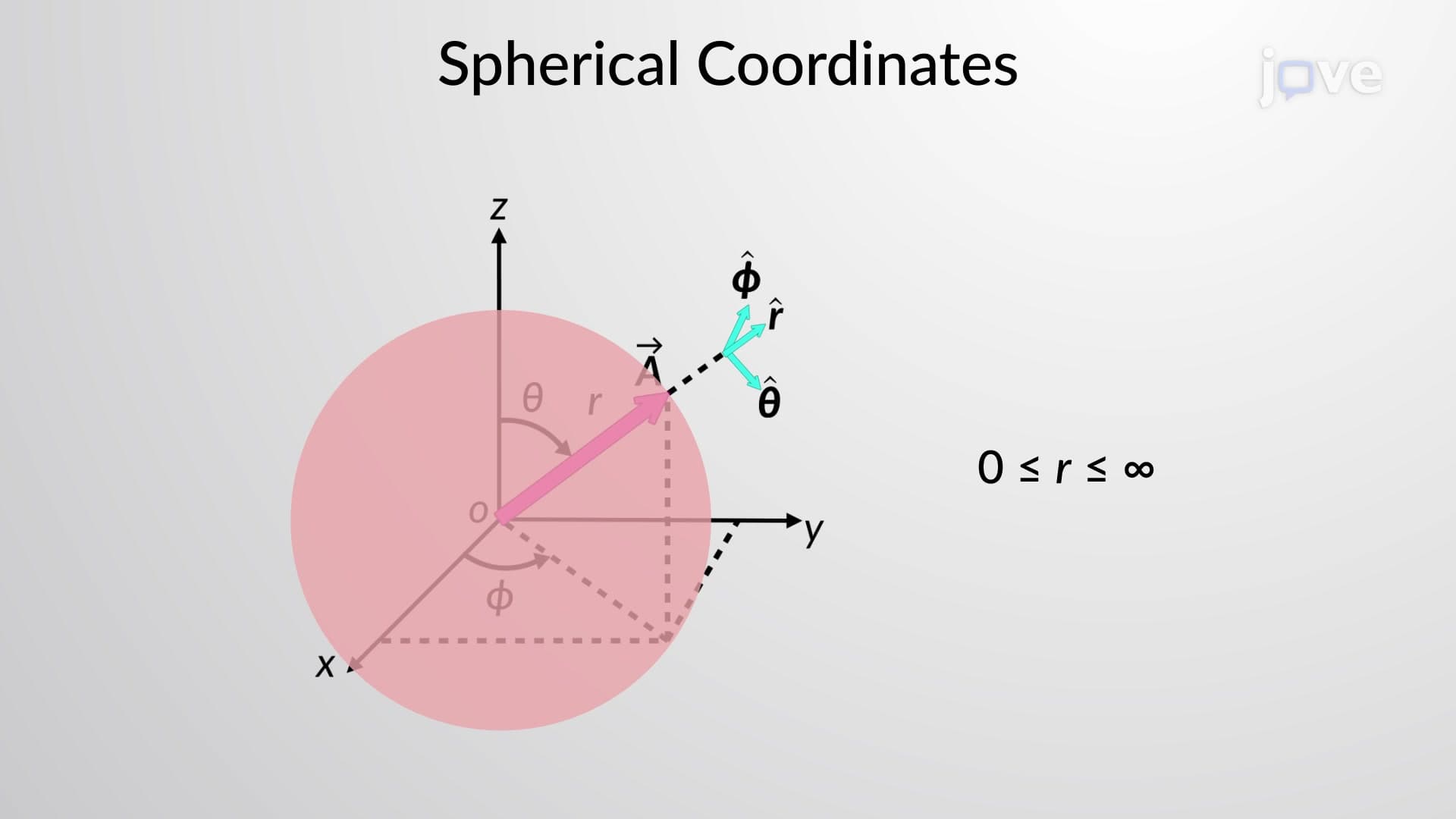
The second derivatives and Laplace operator concept extends seamlessly into cylindrical and spherical coordinates, crucial for problems with rotational or radial symmetry. Aerospace engineers at Lockheed Martin apply spherical Laplacians when modeling satellite orbital dynamics, while petroleum engineers use cylindrical forms for drilling optimization.
Vector Laplacians operate component-wise, applying scalar Laplacian operations to each vector component independently. Lagrange's vector identity connects these operations, providing elegant relationships between curl-curl operations and gradient-divergence combinations that appear in electromagnetic field equations taught in college physics courses.
Frequently Asked Questions
Second derivatives and Laplace operator extend basic calculus to measure how quantities change across multiple dimensions simultaneously. The Laplacian specifically measures how much a function value differs from its neighborhood average. These tools form the mathematical foundation for heat conduction, wave propagation, and electromagnetic field analysis in engineering and physics applications.
These concepts bridge single-variable calculus with multivariable analysis, appearing frequently on AP Calculus BC free-response questions and college differential equations tests. Students who master Laplacian operations gain significant advantages in physics courses, engineering mathematics, and MCAT preparation. The concepts also provide essential background for advanced courses in partial differential equations and mathematical physics.
MCAT physics extensively tests electromagnetic field relationships, wave behavior, and thermodynamics—all governed by Laplacian equations. Understanding how gradient, divergence, and curl combine helps students tackle complex physics passages involving electric potential, magnetic fields, and heat transfer. These mathematical tools appear in approximately 15-20% of MCAT physics problems, particularly in passages involving field theory and wave phenomena.
Engineers at Boeing apply Laplacian analysis to model airflow over aircraft wings, while medical imaging specialists use Laplacian-based algorithms to enhance MRI and CT scan clarity. NASA scientists employ these tools for gravitational field calculations, and petroleum engineers use them for reservoir modeling. The Laplacian equation governs heat distribution in electronics, making it essential for computer chip design at companies like Intel and AMD.
Students with solid algebra and basic calculus foundations can successfully learn these concepts with proper guidance. The key lies in building from familiar single-variable derivatives to multivariable extensions gradually. Many students find visual representations and real-world applications make the abstract mathematics more accessible. Starting with simple examples in two dimensions helps build confidence before advancing to three-dimensional problems.
Focus on understanding the geometric meaning behind each operation rather than memorizing formulas. Practice converting between coordinate systems systematically, and work through applications in physics and engineering contexts. Create concept maps connecting gradient, divergence, curl, and Laplacian relationships. Form study groups to discuss real-world applications, and use graphing software to visualize vector fields and scalar functions in multiple dimensions.
Students should advance to partial differential equations, particularly Laplace's equation and the heat equation, which govern numerous physical phenomena. Fourier analysis provides powerful solution techniques for Laplacian problems. Vector calculus theorems like Green's theorem and Stokes' theorem offer deeper insights into field relationships. These topics prepare students for advanced physics courses, engineering mathematics, and graduate-level mathematical analysis.
Related Micro-courses

Related Subjects
 Math Fundamentals 11 micro-courses›
 Statistics 17 micro-courses›