Loading subject page…

- Physics
- Vectors and Scalars
- Introduction to Scalars
Micro-course: Vectors and Scalars
203,301 views
Learn key concepts and earn your certificate.


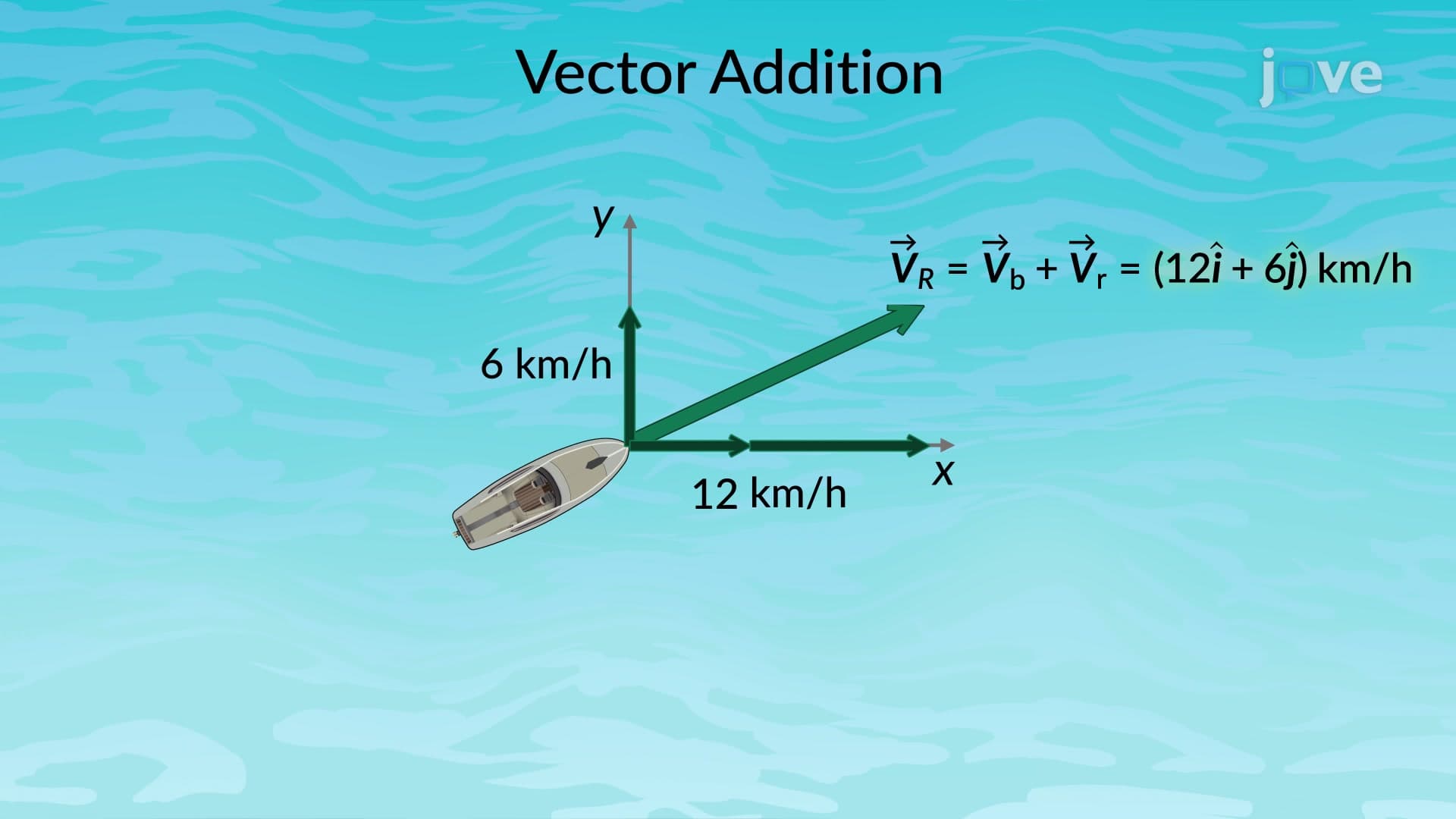
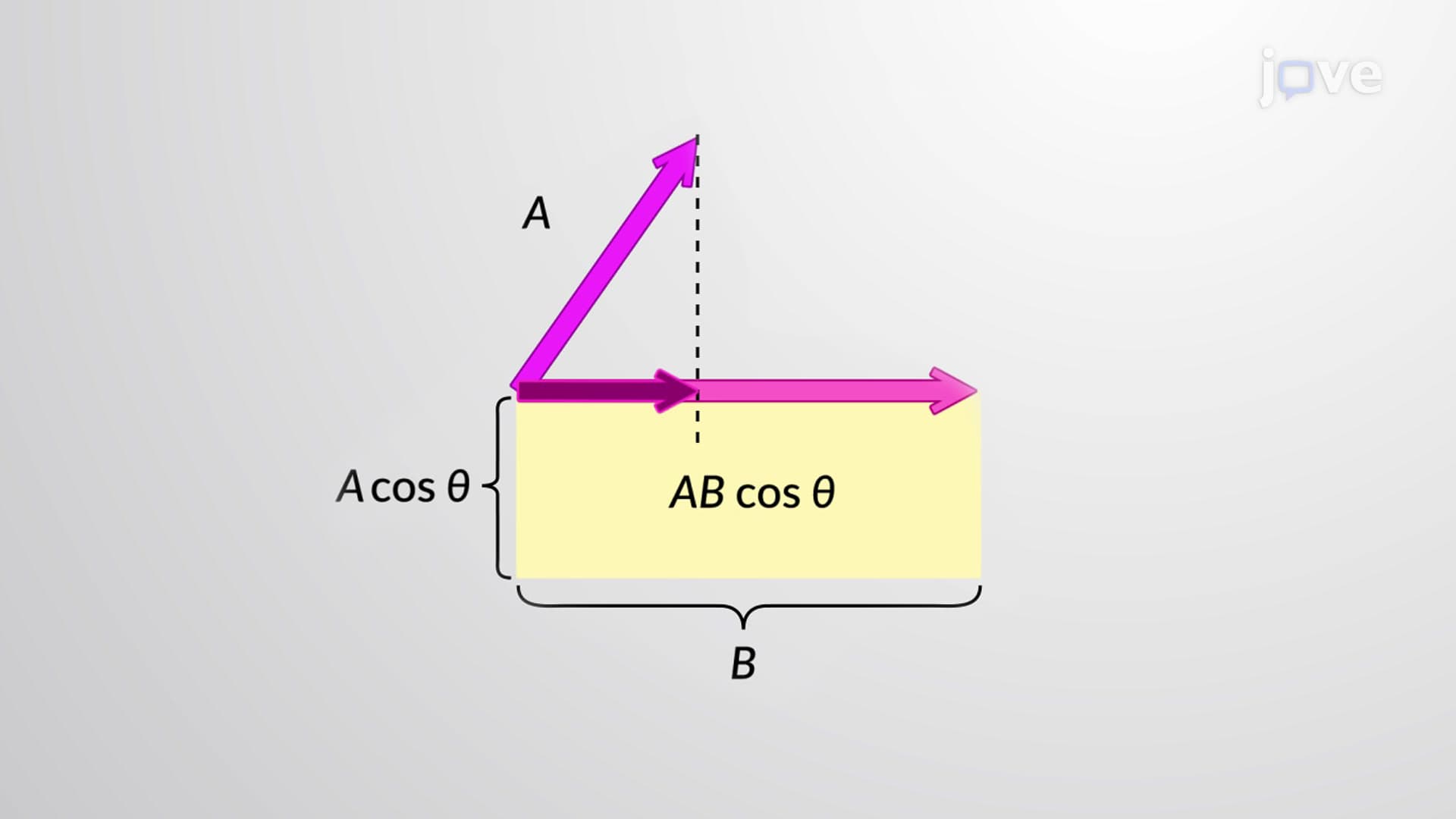
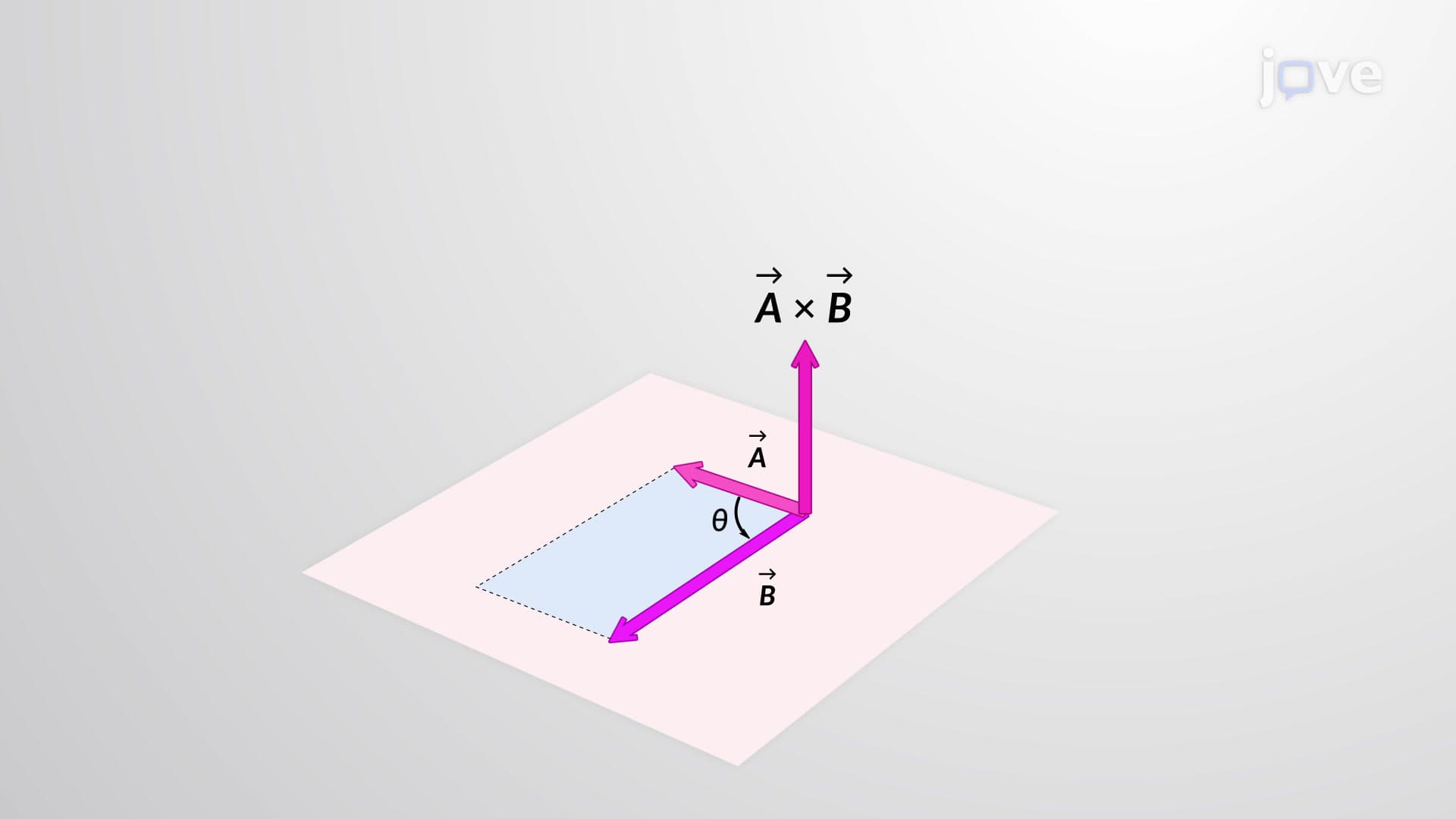
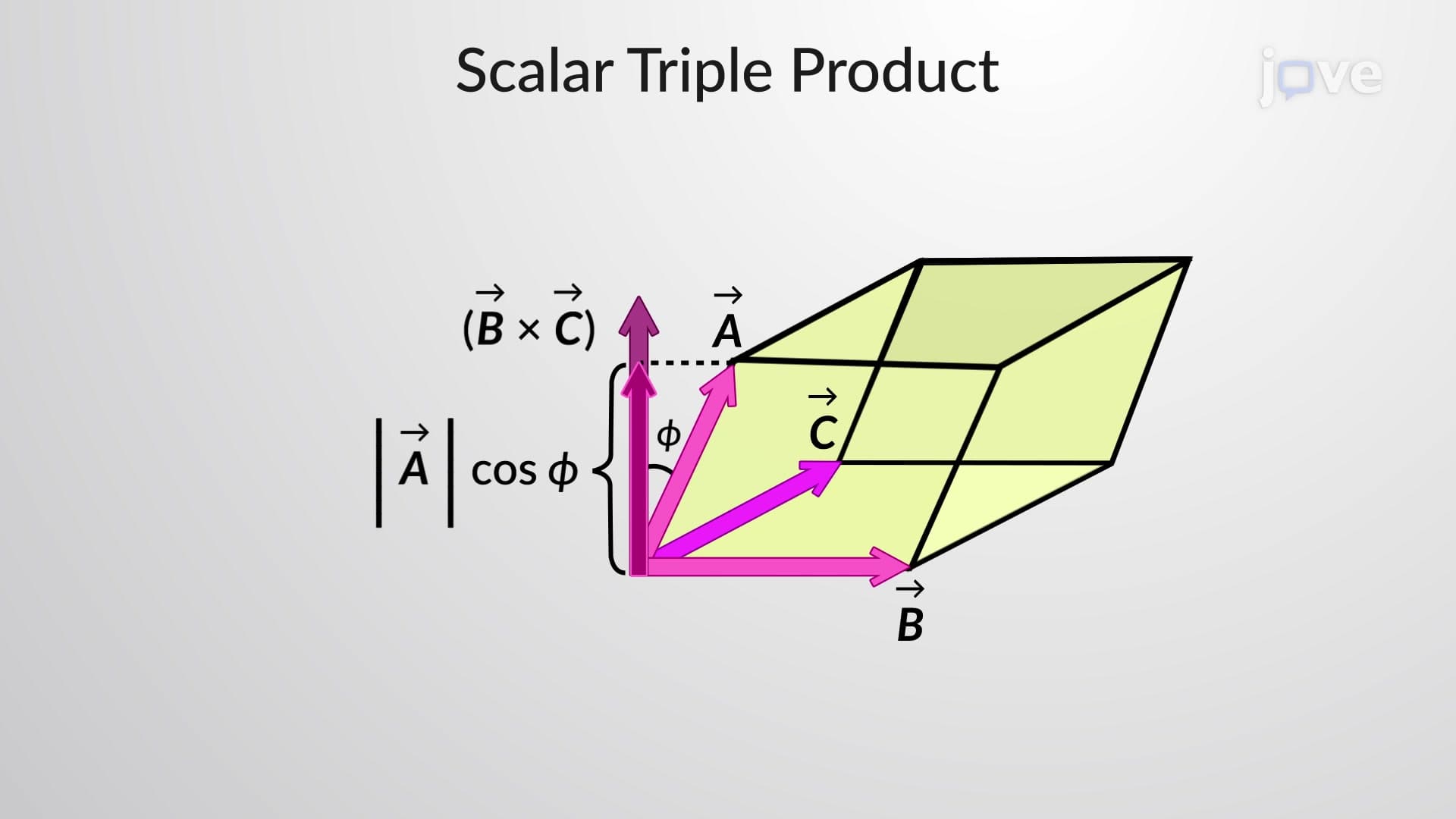

Introduction to Scalars

00:00
01:21
- Understand what are scalars and distinguish them from vector quantities in physics
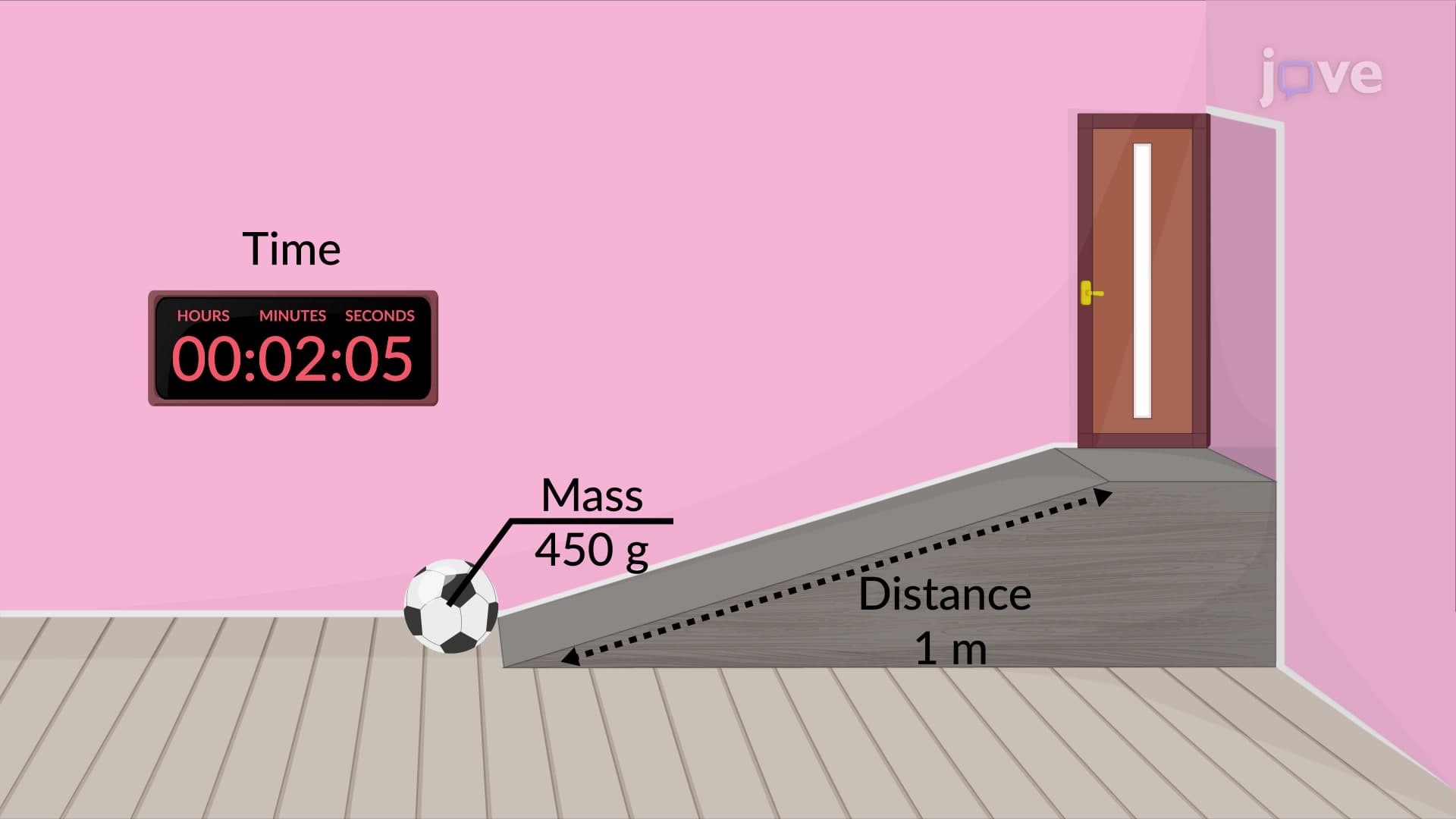
- Identify common scalar quantities including mass, time, distance, temperature, and electric charge
- Analyze how scalar quantities are represented using italicized notation and appropriate units
- Compare scalar and vector quantities to recognize when direction matters in physical measurements
- Evaluate real-world examples where scalar measurements are sufficient for problem-solving
- Apply scalar concepts to solve physics problems involving magnitude-only quantities
- Recognize that scalars can have negative values representing position on a scale or inherent properties
- Explore how scalar quantities appear in everyday measurements and scientific calculations
Understanding What are Scalars in Physics
Scalars represent one of the most fundamental classifications in physics, describing quantities that possess magnitude (size or amount) but lack directional properties. Unlike their counterparts, vectors, scalars provide complete information through a single numerical value paired with an appropriate unit. This simplicity makes scalars essential building blocks for understanding more complex physical phenomena.
Essential Characteristics of Scalar Quantities
The defining feature of scalar quantities lies in their independence from coordinate systems or directional references. When a pharmacy technician measures 250 mg of medication, or when a meteorologist records a temperature of 75°F in Phoenix, these measurements remain meaningful regardless of spatial orientation. Scalars follow standard arithmetic rules – two masses of 5 kg each always combine to yield 10 kg total mass, demonstrating the additive property that makes scalar mathematics straightforward.
Types of Scalars in Scientific Applications
Types of scalars encompass a broad spectrum of measurable quantities. Mass represents the amount of matter in an object, remaining constant whether measured in Houston or Denver. Time intervals, such as the 3.2 seconds it takes light to travel from Earth to the Moon, are scalar quantities that maintain consistency across reference frames. Distance measurements, like the 2,400 miles between New York and Los Angeles, provide scalar information about path length without concerning direction.
Temperature presents an interesting scalar case where negative values carry specific meaning. The −40°F recorded in Alaska doesn't indicate direction but rather a position on the temperature scale. Similarly, electric charge can be negative, as seen in electrons (−1.6 × 10^-19 coulombs), where the negative sign indicates charge type rather than direction.
Scalars vs. Vectors: Critical Distinctions for Students
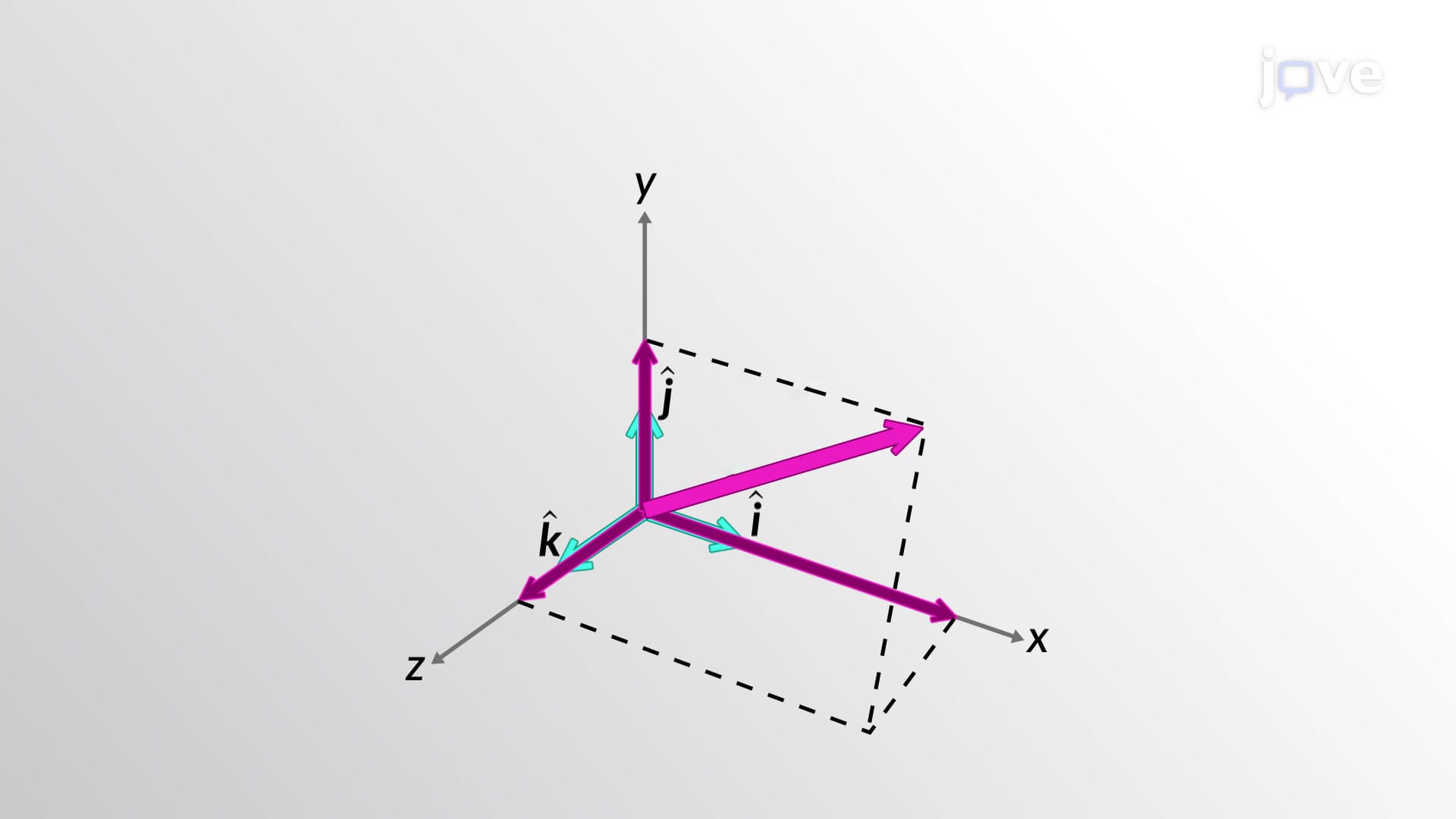
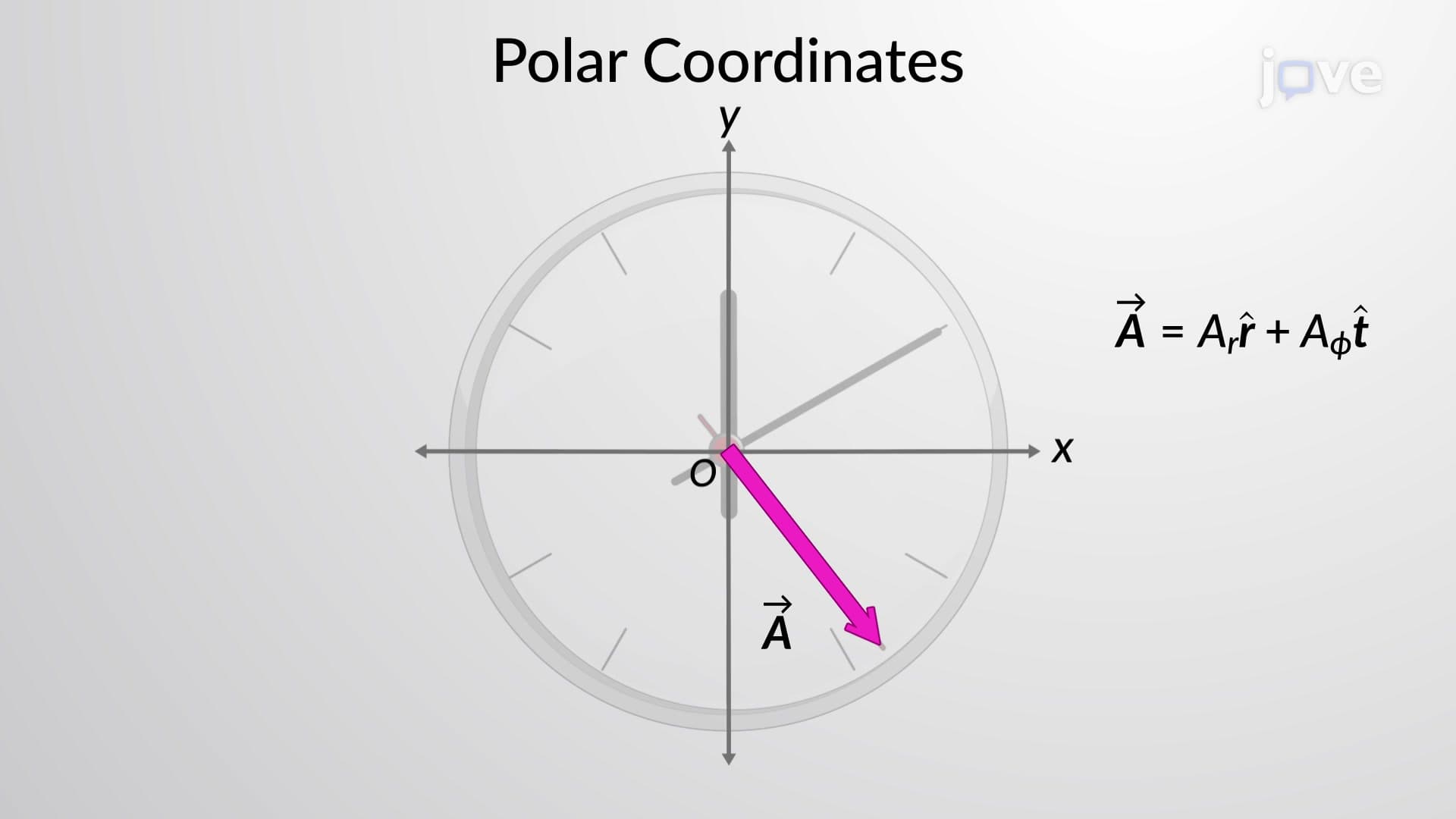
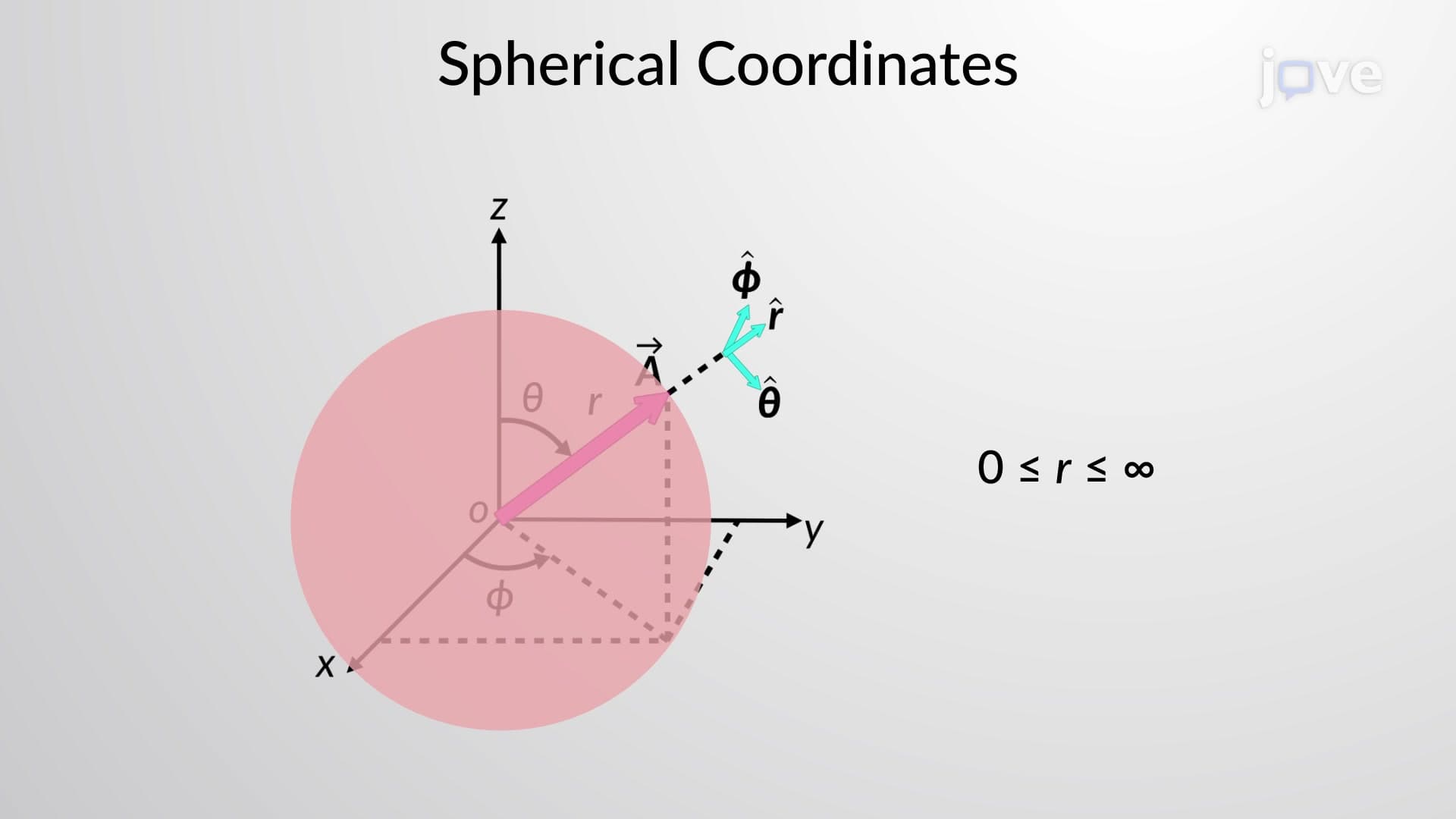
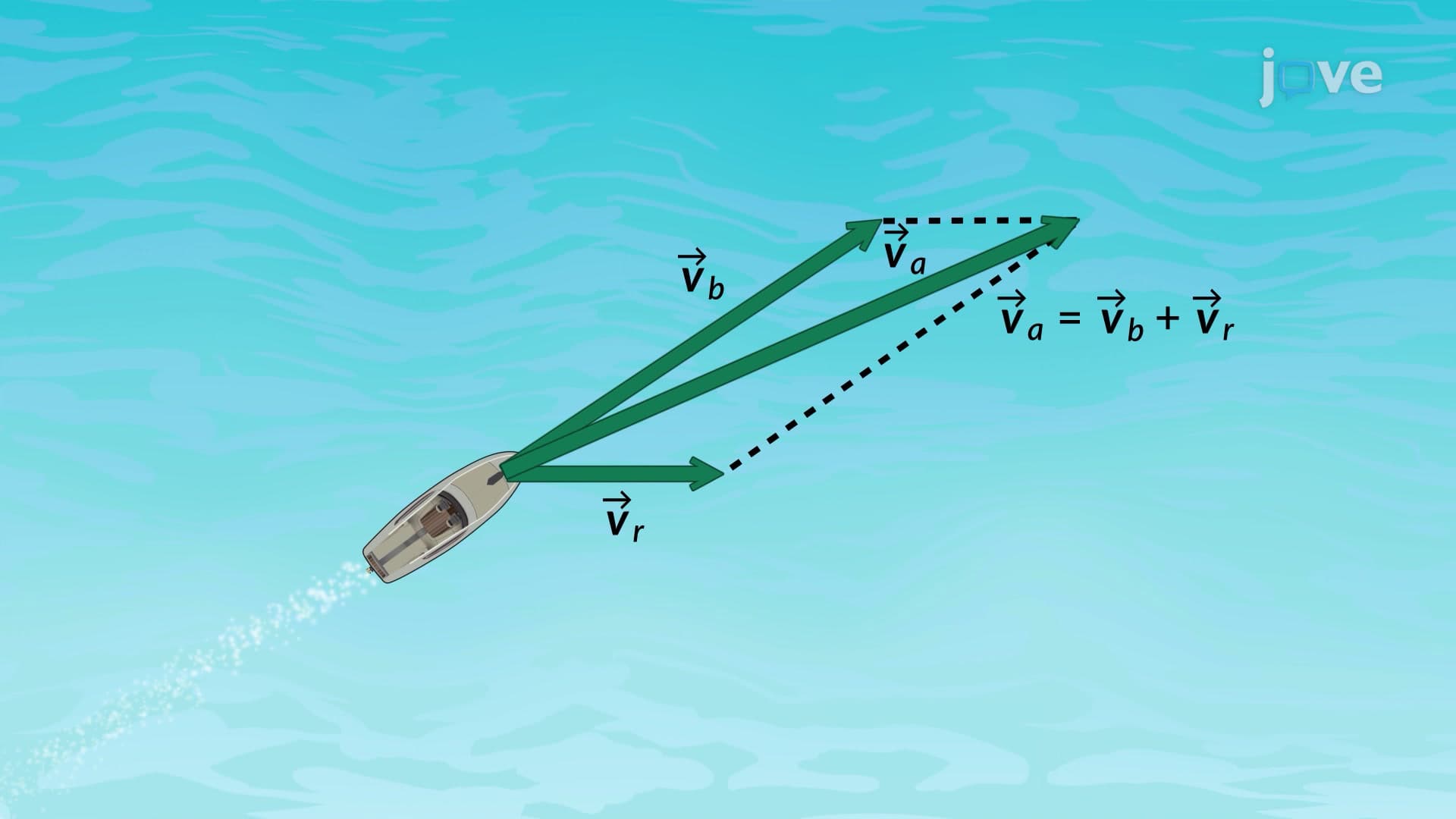
Understanding the scalar-vector distinction proves crucial for success in AP Physics, SAT Subject Tests, and college-level courses. While mass (scalar) measures the amount of matter, weight (vector) includes gravitational direction. Distance (scalar) tells you how far you've traveled, but displacement (vector) reveals your change in position with direction. These distinctions frequently appear on standardized exams, where students must identify whether complete problem solutions require directional information.
Practical Applications in Academic and Professional Settings
Engineering students encounter scalars extensively in thermodynamics, where pressure, temperature, and volume calculations rely on scalar arithmetic. Pre-med students preparing for the MCAT work with scalar quantities in kinetics problems involving reaction rates and concentrations. Business students analyzing data deal with scalar quantities like profit margins, inventory counts, and time periods. Mastering scalar concepts provides the foundation for advanced topics including vector analysis, calculus-based physics, and engineering mechanics.
Frequently Asked Questions
A scalar is a physical quantity that has magnitude (size) but no direction, expressed as a number with a unit. Unlike vectors, scalars don't require directional information – for example, a 200-pound weight or 5-second time interval. This makes scalar calculations simpler since they follow basic arithmetic rules without considering spatial orientation.
Key scalar types include mass (kg), time (s), distance (m), temperature (K), speed (m/s), energy (J), and electric charge (C). AP Physics frequently tests your ability to distinguish these from vectors like velocity, acceleration, and force. Focus on remembering that scalars need only magnitude to be completely described.
MCAT physics sections often present problems where you must identify scalar vs. vector quantities before solving. For example, calculating kinetic energy (scalar) from mass and speed, or determining reaction rates from concentration changes. Practice recognizing when problems require only magnitude calculations versus directional analysis.
Negative scalar values indicate position on a scale or inherent properties, not direction. Temperature of −20°F shows a scale position below zero, while an electron's −1.6 × 10^-19 C charge indicates charge type. The negative sign provides information about the quantity's nature rather than spatial orientation.
Engineers use scalars for material properties (density, temperature), energy calculations, and time measurements in project planning. Medical professionals work with scalar quantities like drug dosages (mg), body temperature (°F), and lab values (blood glucose levels). These applications require precise scalar understanding for safety and effectiveness.
Scalars require only basic arithmetic – addition, subtraction, multiplication, and division with units. If you can calculate 15 kg + 25 kg = 40 kg, you're ready to work with scalars. This makes them an excellent starting point for physics, building confidence before tackling more complex vector operations.
Create a reference list of common scalars with units, then practice identifying them in word problems. Focus on distinguishing scalar situations (like calculating total mass or time intervals) from vector problems (requiring direction). Use dimensional analysis to check your scalar calculations and ensure unit consistency.
Progress to vector quantities (velocity, acceleration, force) to understand directional physics. Then explore how scalars and vectors combine in topics like work and energy, where force (vector) and displacement (vector) produce work (scalar). This foundation prepares you for advanced mechanics and electromagnetism courses.
Related Micro-courses

14 Concepts
11 Concepts

16 Concepts
Related Subjects

Math Fundamentals11 micro-courses
›