Loading video…


 15 Concepts
 203.3K views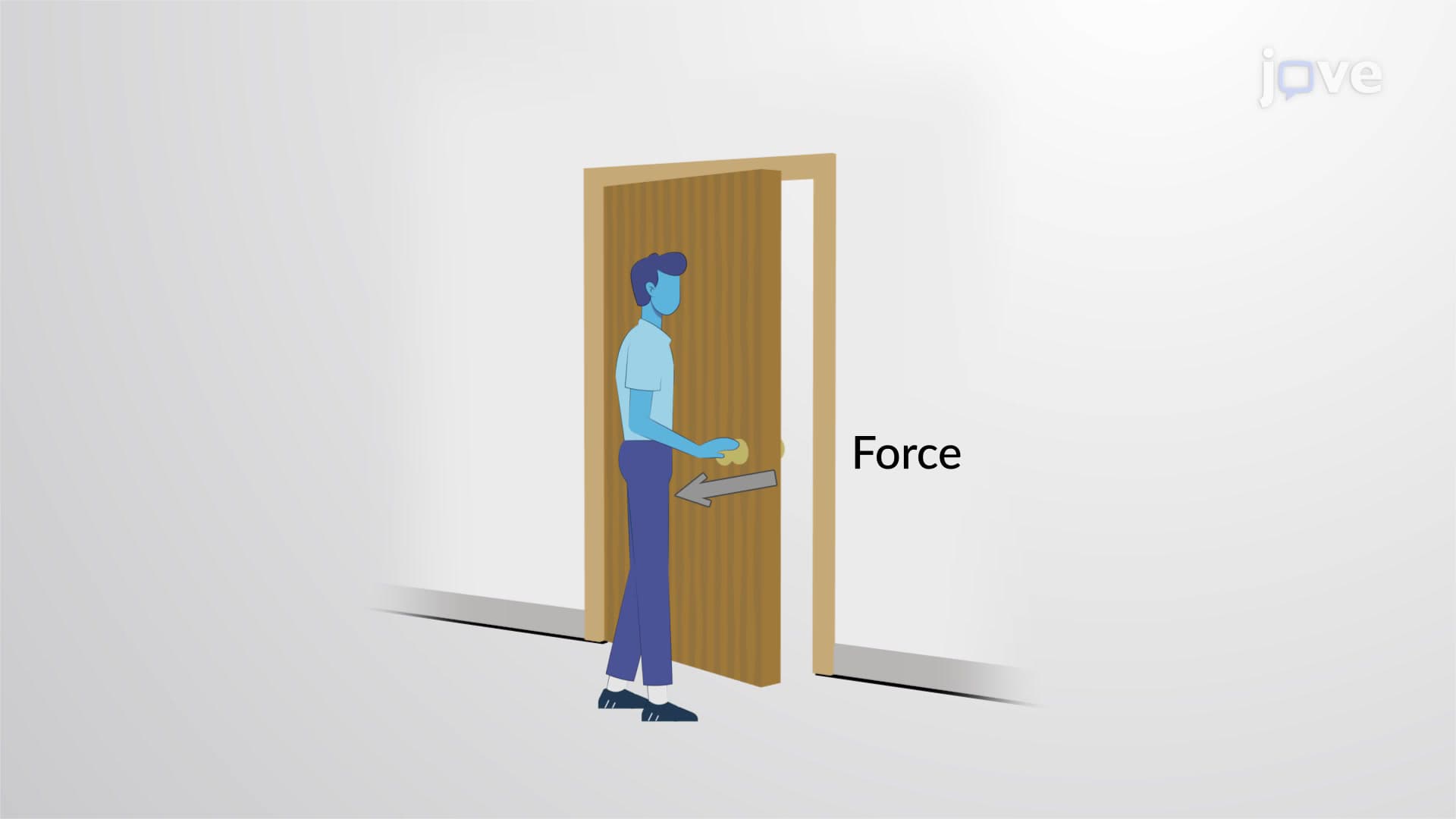

Video Summary: What are Vectors
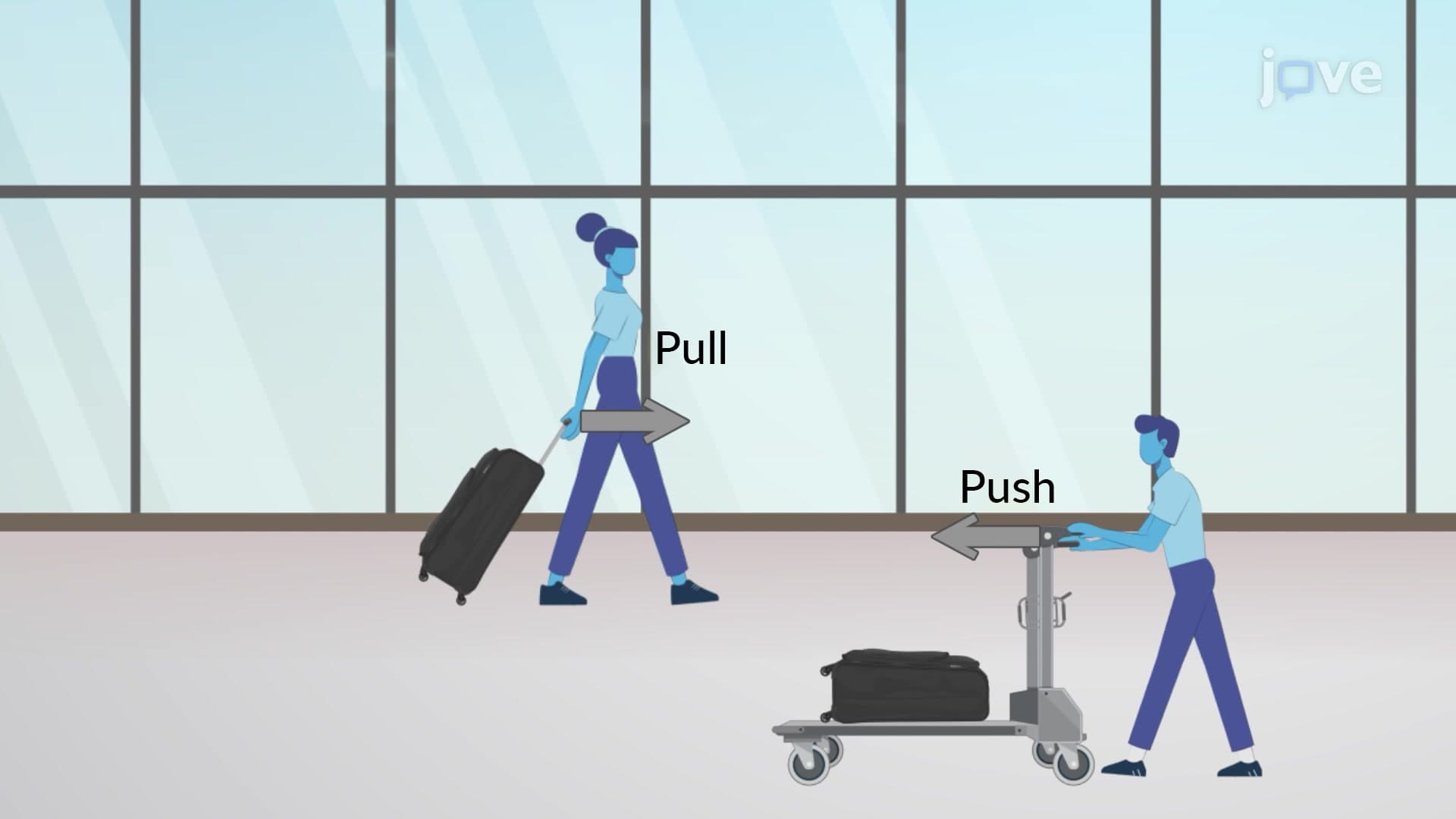
Ever wonder why NASA engineers can't just tell a rocket to go "really fast" to reach Mars? Vectors are the mathematical tools that describe both how much force is needed AND exactly which direction to apply it. When you push a heavy box across your dorm room floor, you're applying a vector, the strength of your push combined with the precise direction matters for success. From GPS navigation to video game physics, vectors are everywhere in American technology and engineering. Watch the full video on JoVE Coach to master this concept with expert-led visuals and step-by-step explanations.
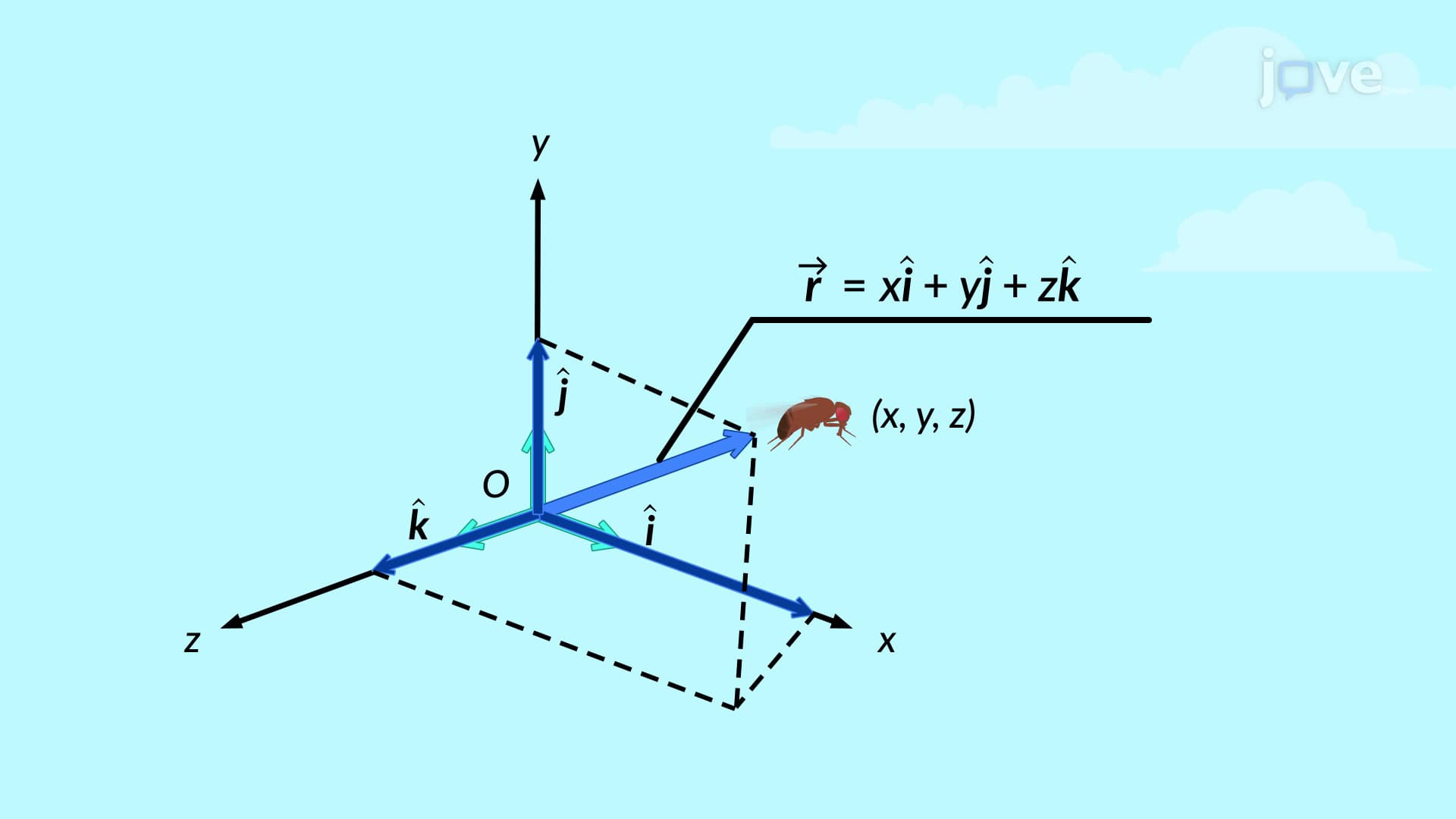
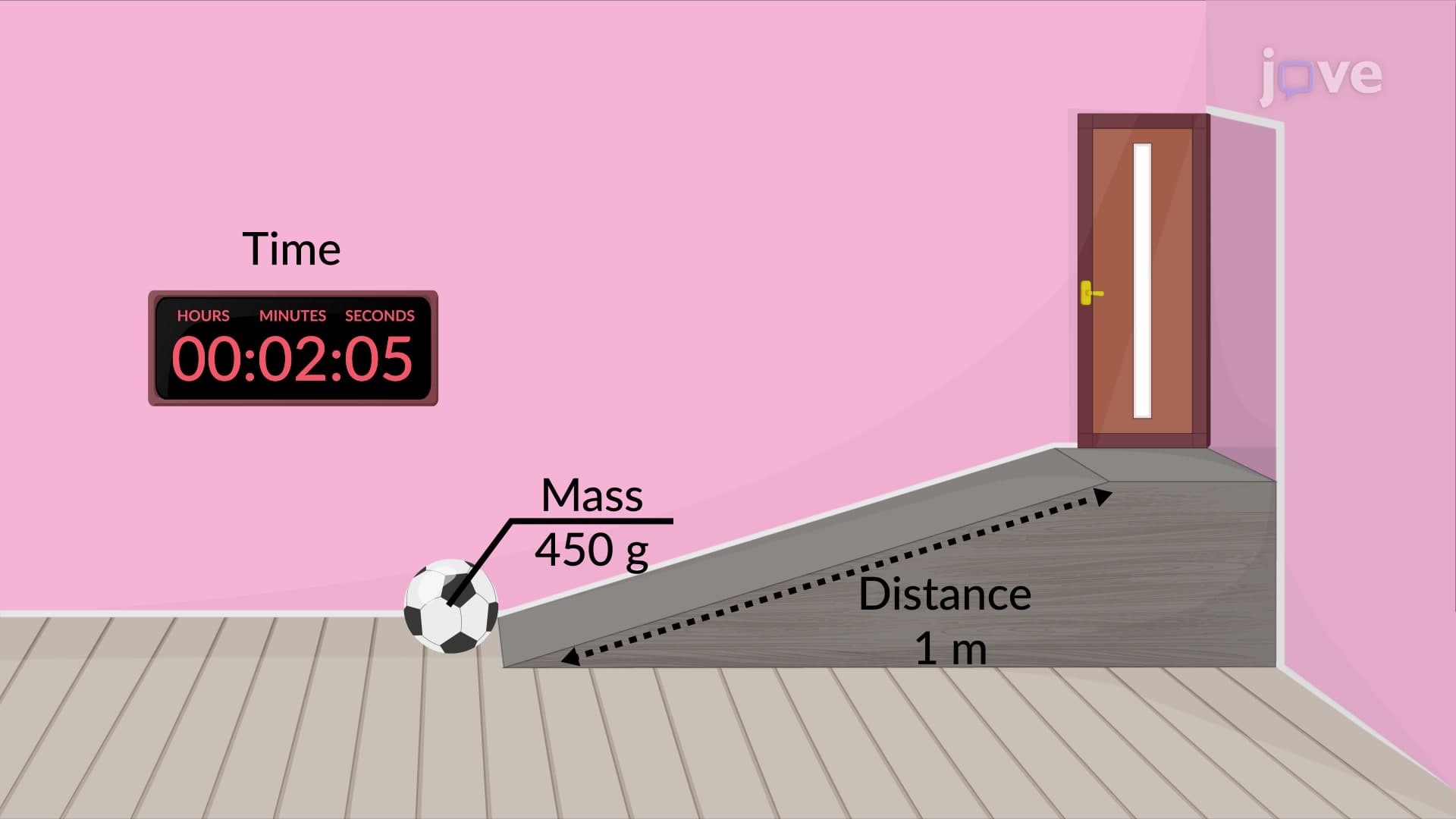
Vectors represent one of the most fundamental concepts in physics and mathematics, serving as the bridge between abstract mathematical theory and real-world physical phenomena. Unlike scalar quantities that only possess magnitude (such as temperature, mass, or speed), vectors carry both magnitude and direction information, making them indispensable for describing motion, forces, and field interactions in three-dimensional space.
The mathematical representation of vectors follows standardized conventions used throughout American universities and research institutions. Vectors appear as boldface letters with arrows above them (like A⃗), while their magnitudes are denoted using absolute value bars |A⃗| or simple italicized letters. This notation system, adopted by the American Physical Society and featured in AP Physics curricula, ensures consistency across academic and professional settings.
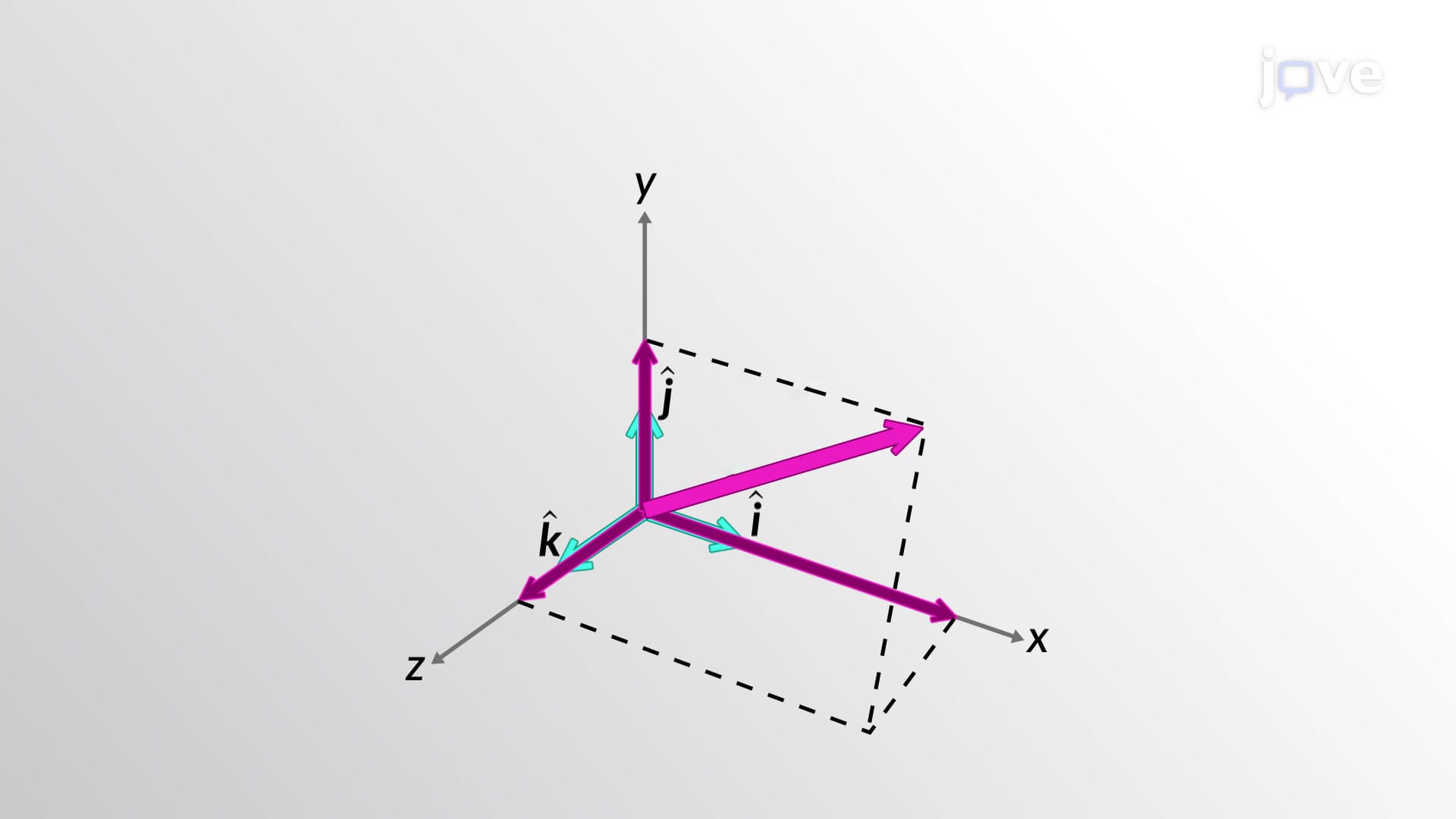
Geometrically, vectors manifest as directed line segments where the arrow's length represents magnitude and the pointing direction indicates orientation. This visual approach proves particularly valuable for students preparing for standardized exams like the SAT Subject Tests or AP Physics, where geometric vector problems frequently appear.
Understanding types of vectors becomes crucial for advanced applications. Equal vectors share identical magnitude and direction, regardless of their starting positions, a concept that confuses many students but proves essential for physics problem-solving. Parallel vectors point in the same direction, while antiparallel vectors point in opposite directions, creating the foundation for understanding vector addition and subtraction.
Negative vectors, formed by reversing a vector's direction while maintaining its magnitude, play critical roles in Newton's third law applications and equilibrium problems commonly found on MCAT physics sections.
Vector applications permeate American technology and engineering sectors. NASA's Jet Propulsion Laboratory relies on vectors for spacecraft trajectory calculations, while automotive engineers at companies like Ford and Tesla use vector mathematics for collision avoidance systems. Video game developers in Silicon Valley employ vectors for realistic physics engines, and meteorologists use vector fields to predict hurricane paths threatening US coastlines.
These practical applications make vector concepts highly relevant for students pursuing STEM careers, with vector proficiency being particularly important for engineering programs at institutions like MIT, Stanford, and Caltech.
Related Micro-courses