Loading video…


 15 Concepts
 203.3K views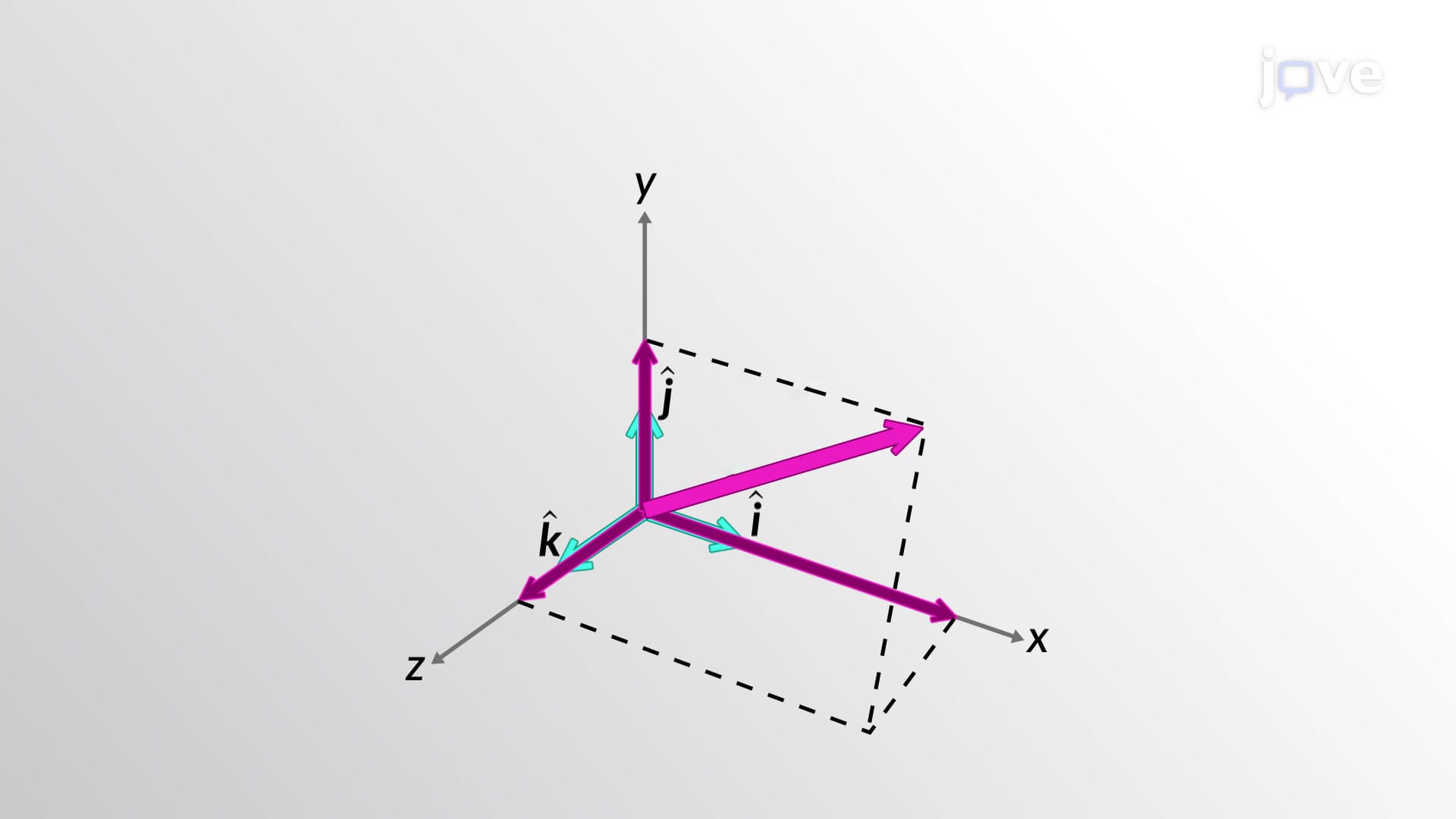

Video Summary: What Is Vector Components
Ever wonder how GPS navigation calculates the shortest route to your destination? Vector components break down any vector into perpendicular parts along coordinate axes, much like how a GPS system decomposes your location into latitude and longitude coordinates. In the Cartesian coordinate system, every vector becomes the sum of its projections onto the x, y, and z axes, allowing engineers at companies like Google Maps to precisely calculate distances and directions. Watch the full video on JoVE Coach to master this concept with expert-led visuals and step-by-step explanations.
Vector components form the foundation of vector analysis in physics and engineering. When we decompose a vector into components, we're essentially answering the question: "How much of this vector points in each coordinate direction?" This decomposition proves invaluable in solving problems ranging from projectile motion in AP Physics to structural analysis in college engineering courses.
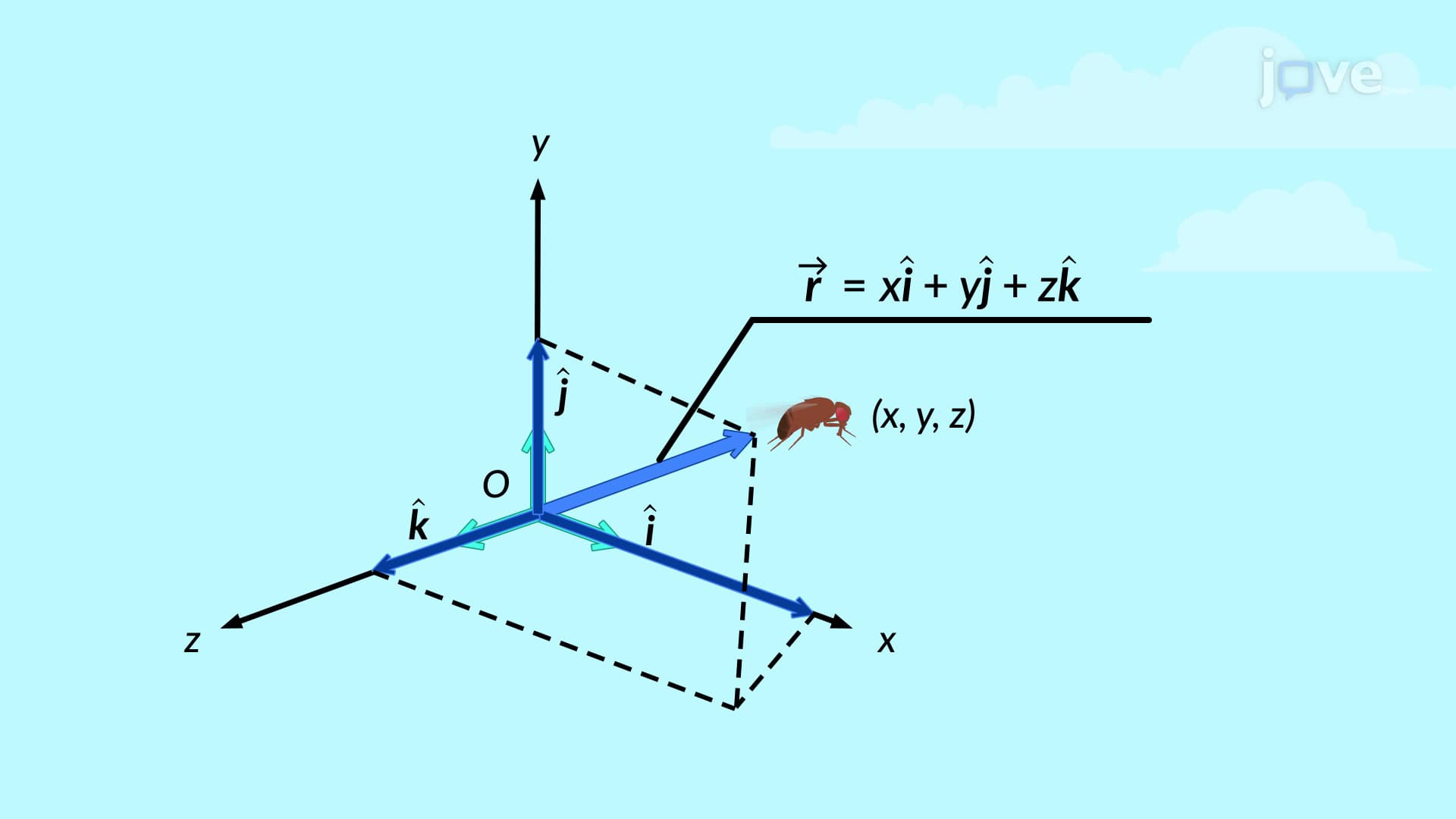
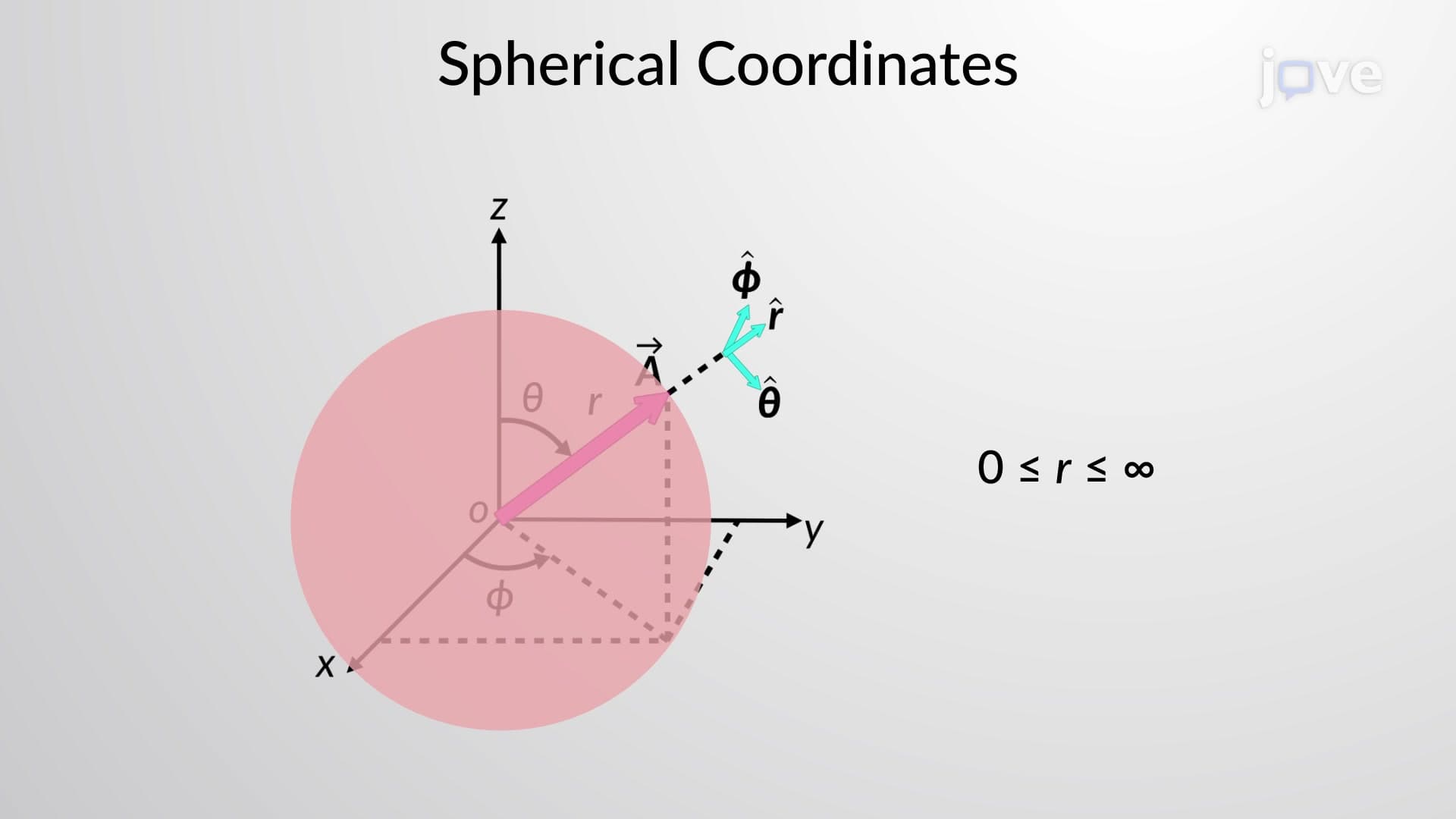
The Cartesian coordinate system provides the framework for this decomposition. Three mutually perpendicular axes-defined by unit vectors i, j, and k-create a reference system where any vector can be uniquely represented. Unit vectors are special because they have magnitude 1 and serve purely to indicate direction along their respective axes.
Every vector V can be written as V = Vₓi + Vyj + Vzk, where Vₓ, Vy, and Vz represent the scalar components. These scalar values tell us the magnitude of the vector's projection onto each axis, while the unit vectors provide the directional information.
For students preparing for standardized tests like the SAT Subject Test in Physics or AP Physics exams, understanding this notation is crucial. The scalar components can be positive or negative, indicating direction along each axis. A negative x-component means the vector points in the negative x-direction.
The vector components definition extends beyond simple representation to practical calculations. The magnitude of any vector equals √(Vₓ² + Vy² + Vz²), derived from the three-dimensional Pythagorean theorem. This relationship appears frequently in college physics courses and MCAT physics sections.
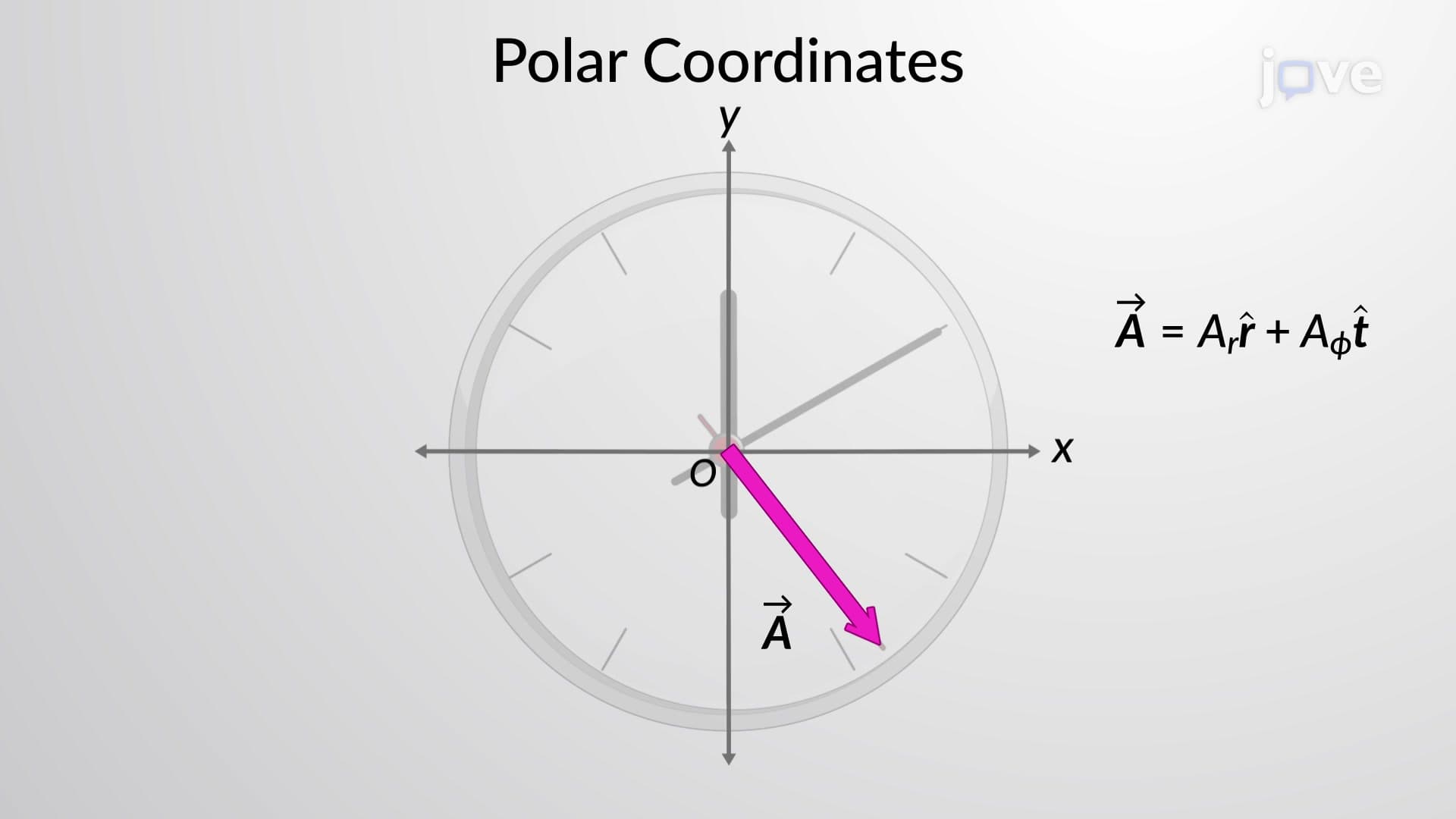
For two-dimensional vectors, direction calculation becomes straightforward: θ = tan⁻¹(Vy/Vₓ), where θ represents the angle measured counterclockwise from the positive x-axis. However, students must be careful about quadrant considerations-a vector with components (-3, 4) points in the second quadrant, not the fourth.
Vector components simplify complex real-world problems. NASA engineers use component analysis to calculate spacecraft trajectories, breaking velocity vectors into components that align with orbital mechanics equations. Similarly, civil engineers designing bridges in earthquake-prone California decompose seismic forces into horizontal and vertical components for structural analysis.
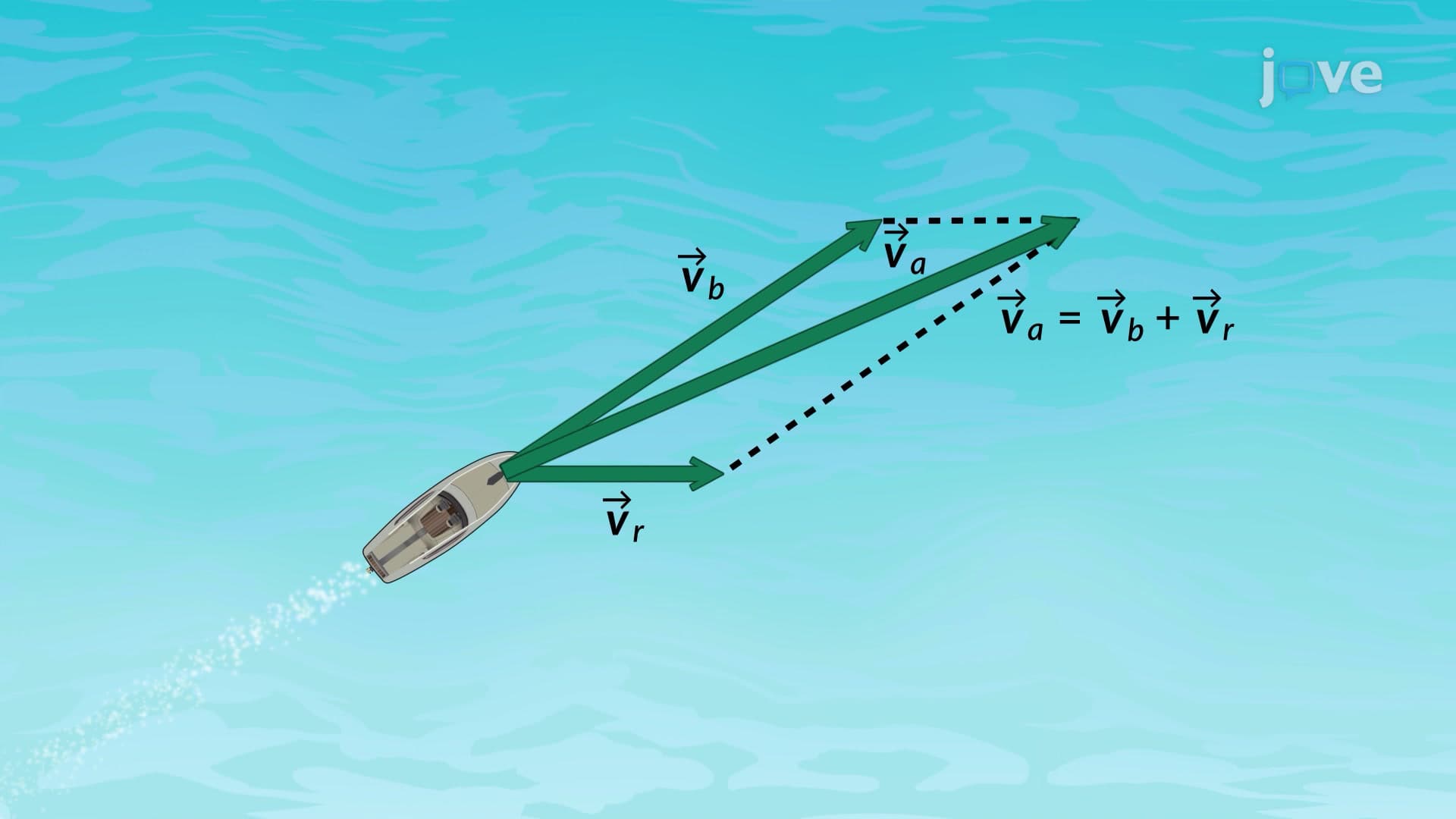
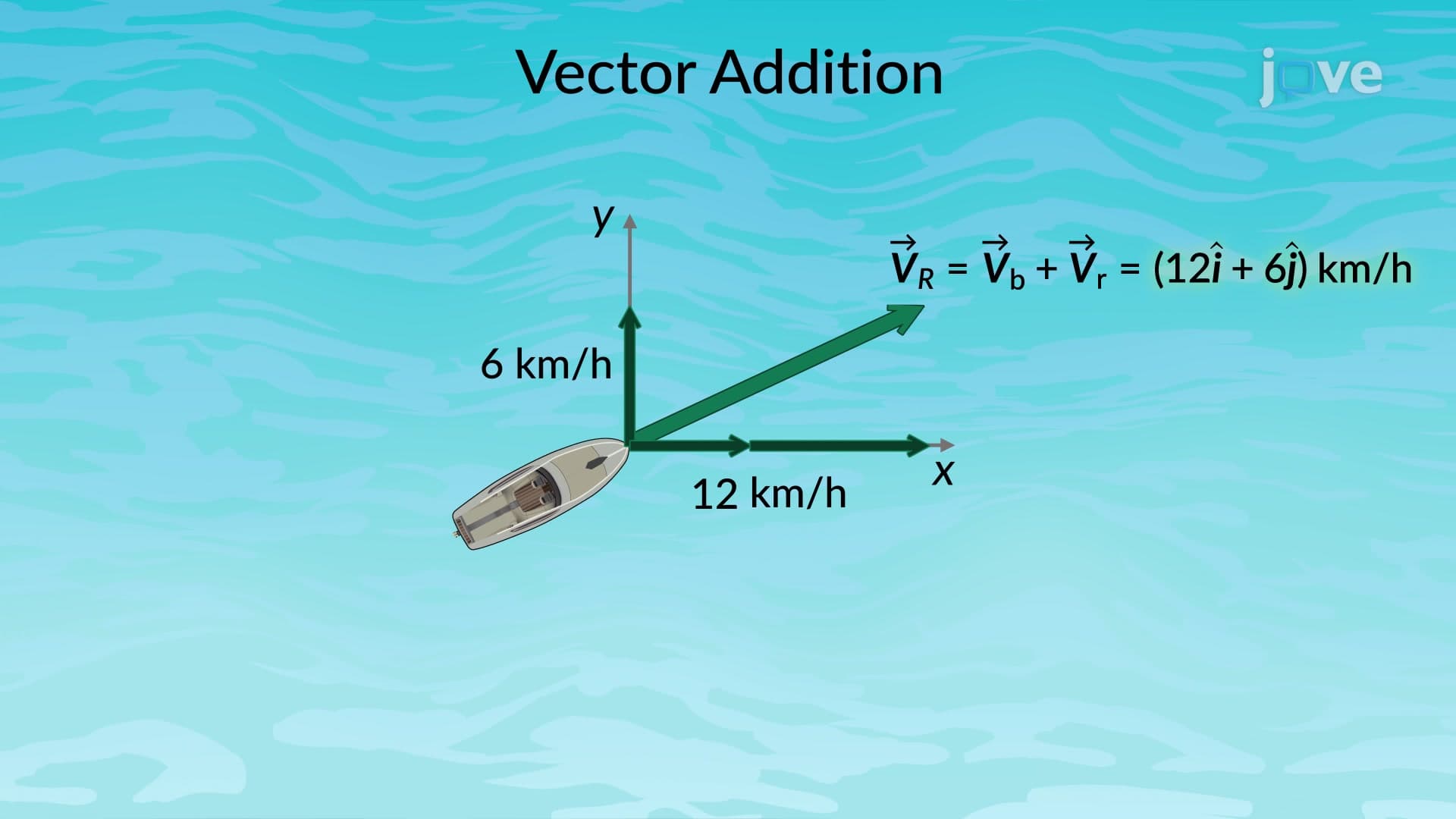
When solving physics problems, the component method often transforms difficult vector problems into manageable algebraic equations. Instead of dealing with vector addition graphically, students can add corresponding components separately-a technique essential for success in college-level physics courses and professional engineering applications.
Related Micro-courses