Loading video…


 15 Concepts
 203.3K views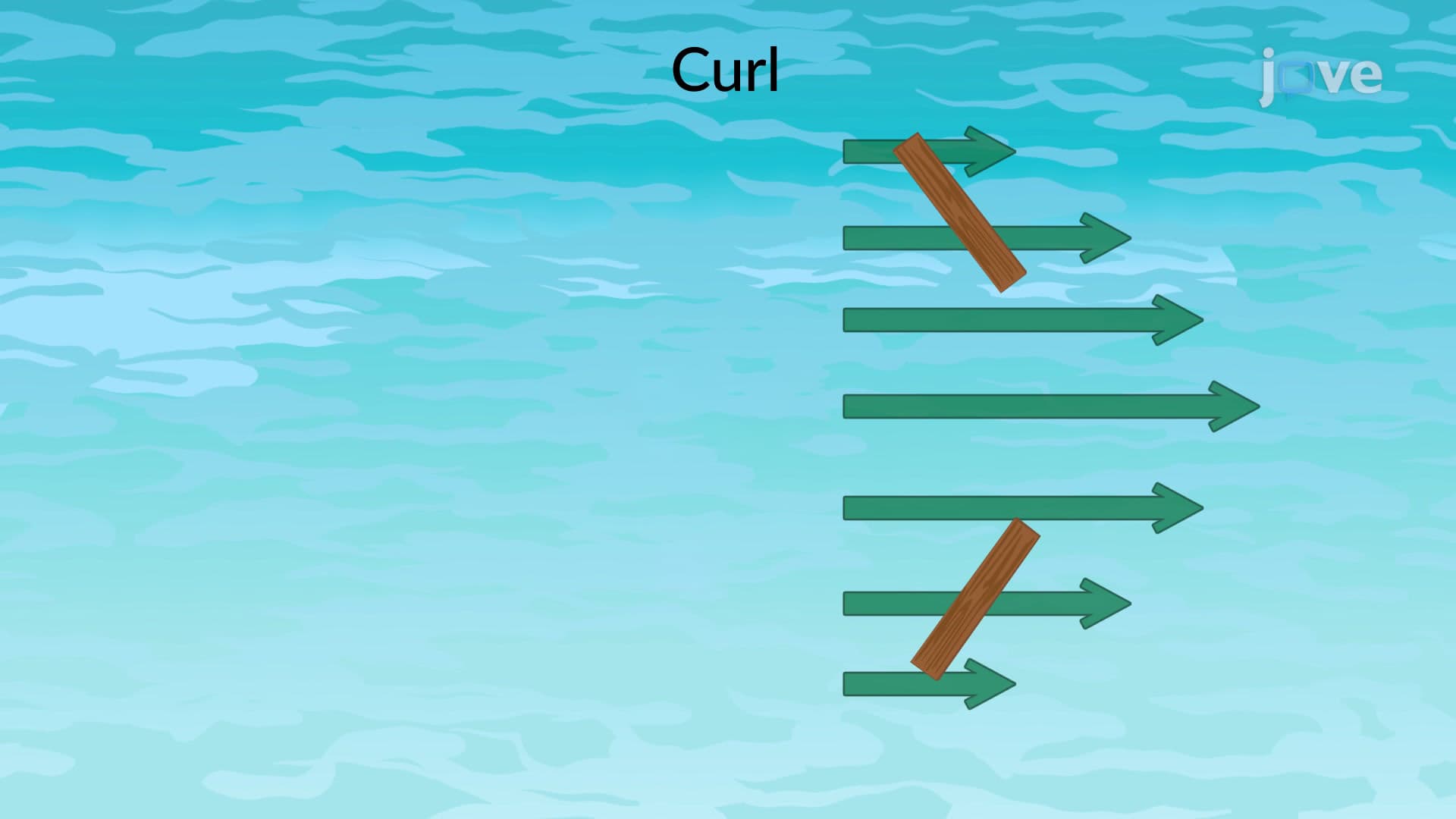

Video Summary: What Is Divergence and Curl
Ever wonder why a garden sprinkler creates those rotating water patterns, or how meteorologists predict storm circulation? Divergence and curl are two fundamental vector calculus concepts that explain these phenomena. Divergence measures how much a vector field spreads out from a point, while curl measures its rotational tendency-like analyzing water flow patterns in the Colorado River system. Understanding What is Divergence And Curl unlocks the mathematics behind fluid dynamics, electromagnetic fields, and weather prediction. Watch the full video on JoVE Coach to master this concept with expert-led visuals and step-by-step explanations.
Divergence and curl represent two cornerstone operations in vector calculus that describe how vector fields behave in space. These mathematical tools transform abstract field concepts into measurable quantities that engineers and scientists use daily. While divergence captures the "spreading" nature of vector fields, curl quantifies their "twisting" characteristics.
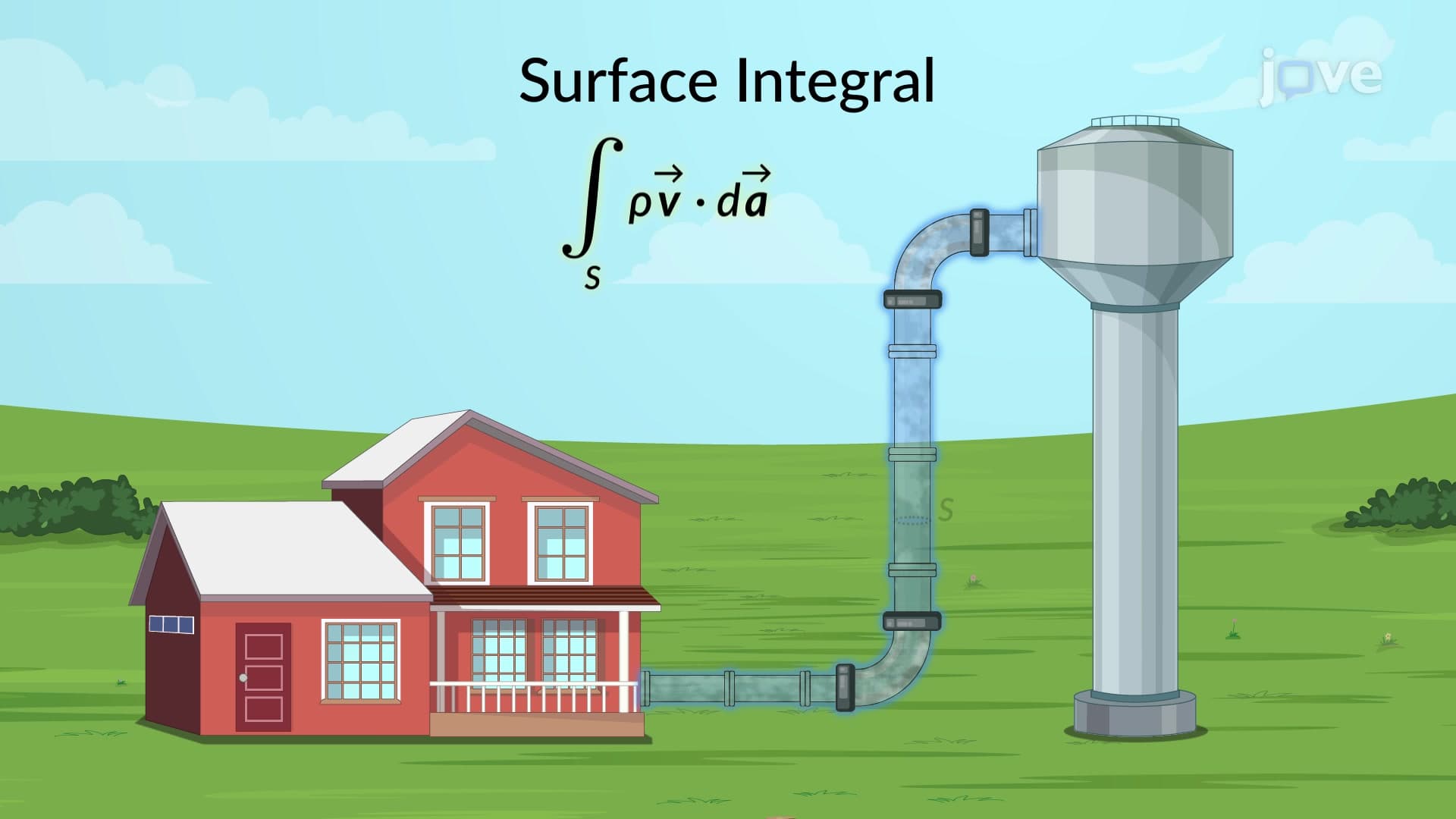
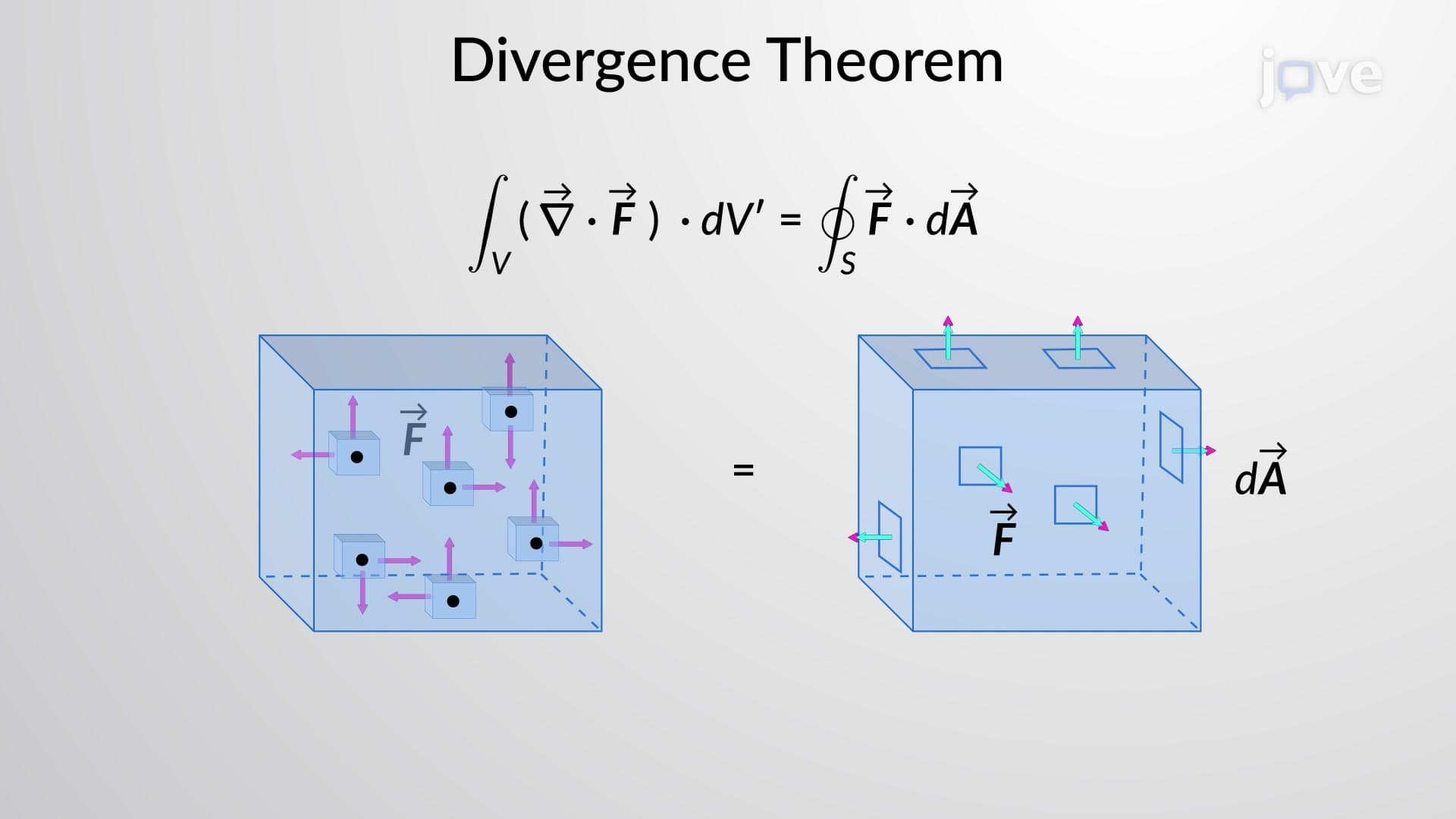
Divergence measures the net outward flow of a vector field from an infinitesimal point. Mathematically expressed as the dot product ∇ · F, divergence tells us whether a field acts as a source (positive divergence), sink (negative divergence), or remains constant (zero divergence).
Consider the Mississippi River delta system: where tributaries converge, water velocity decreases, creating negative divergence. At river mouths spreading into the Gulf of Mexico, positive divergence occurs as water disperses. This divergence and curl concept appears frequently in AP Physics C and college-level Multivariable Calculus courses, where students analyze electromagnetic field behavior and fluid dynamics problems.
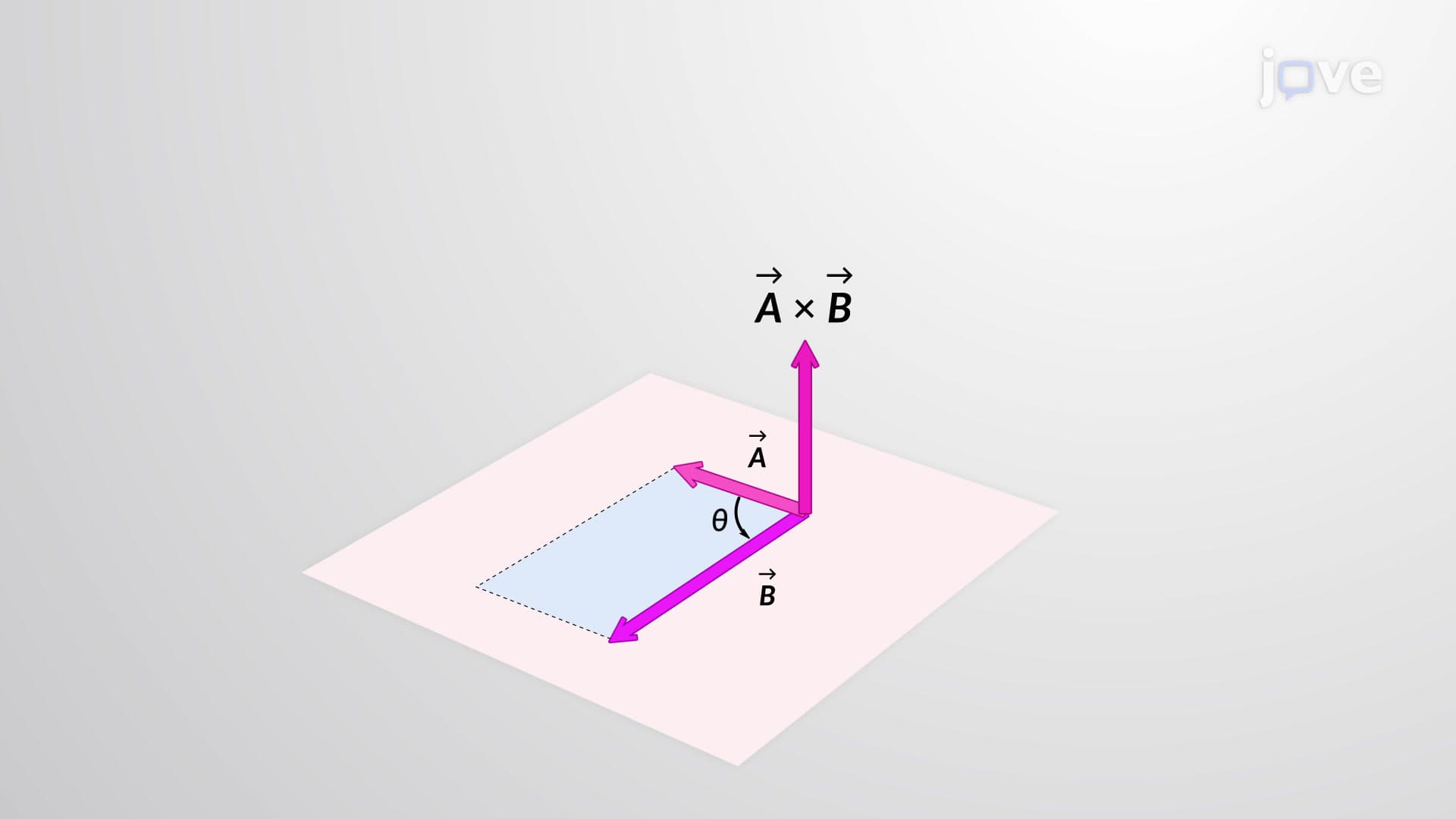
Curl measures the rotational tendency of vector fields, computed as the cross product ∇ × F. The curl vector points perpendicular to the plane of maximum rotation, following the right-hand rule. Zero curl indicates irrotational flow, while non-zero curl reveals spinning motion.
Hurricane formation exemplifies curl in atmospheric science. The Coriolis effect creates non-zero curl in air masses over the Atlantic Ocean, leading to the characteristic spiral patterns seen in satellite imagery. Meteorology students at universities like Colorado State University study these divergence and curl basics to understand severe weather prediction.
Both concepts prove essential in electromagnetic theory, where Maxwell's equations utilize divergence and curl to describe electric and magnetic field relationships. Engineering students encounter these operations when studying antenna design, motor efficiency, and power transmission systems across the US electrical grid.
The divergence and curl study guide for standardized tests emphasizes problem-solving techniques: identifying field types, computing partial derivatives, and interpreting results physically. MCAT preparation often includes vector calculus applications in biological fluid flow, while engineering graduate programs require mastery for advanced electromagnetic and fluid mechanics coursework.
Related Micro-courses