Loading video…


 15 Concepts
 203.3K views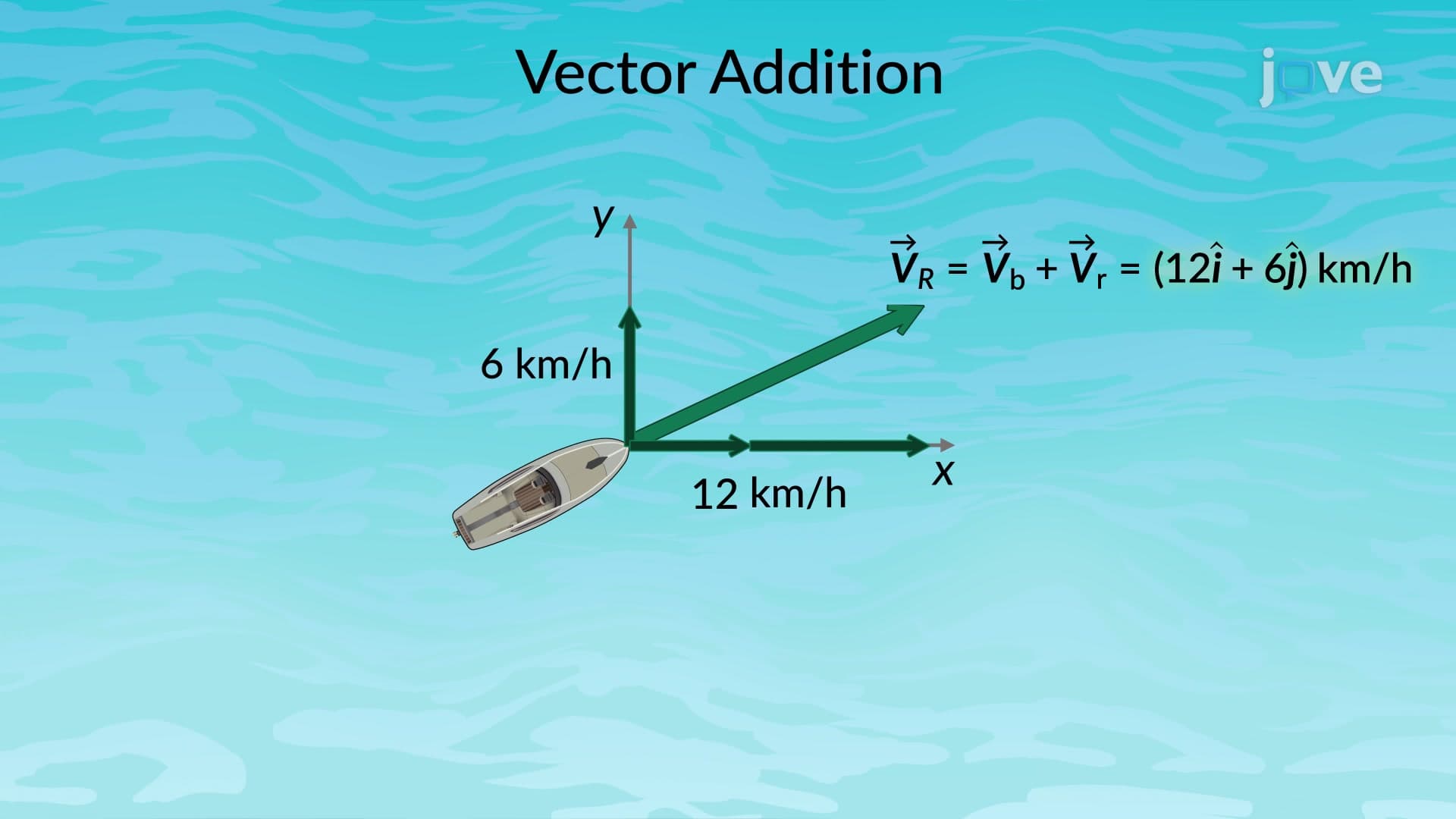

Video Summary: Vector Algebra Method of Components Guide
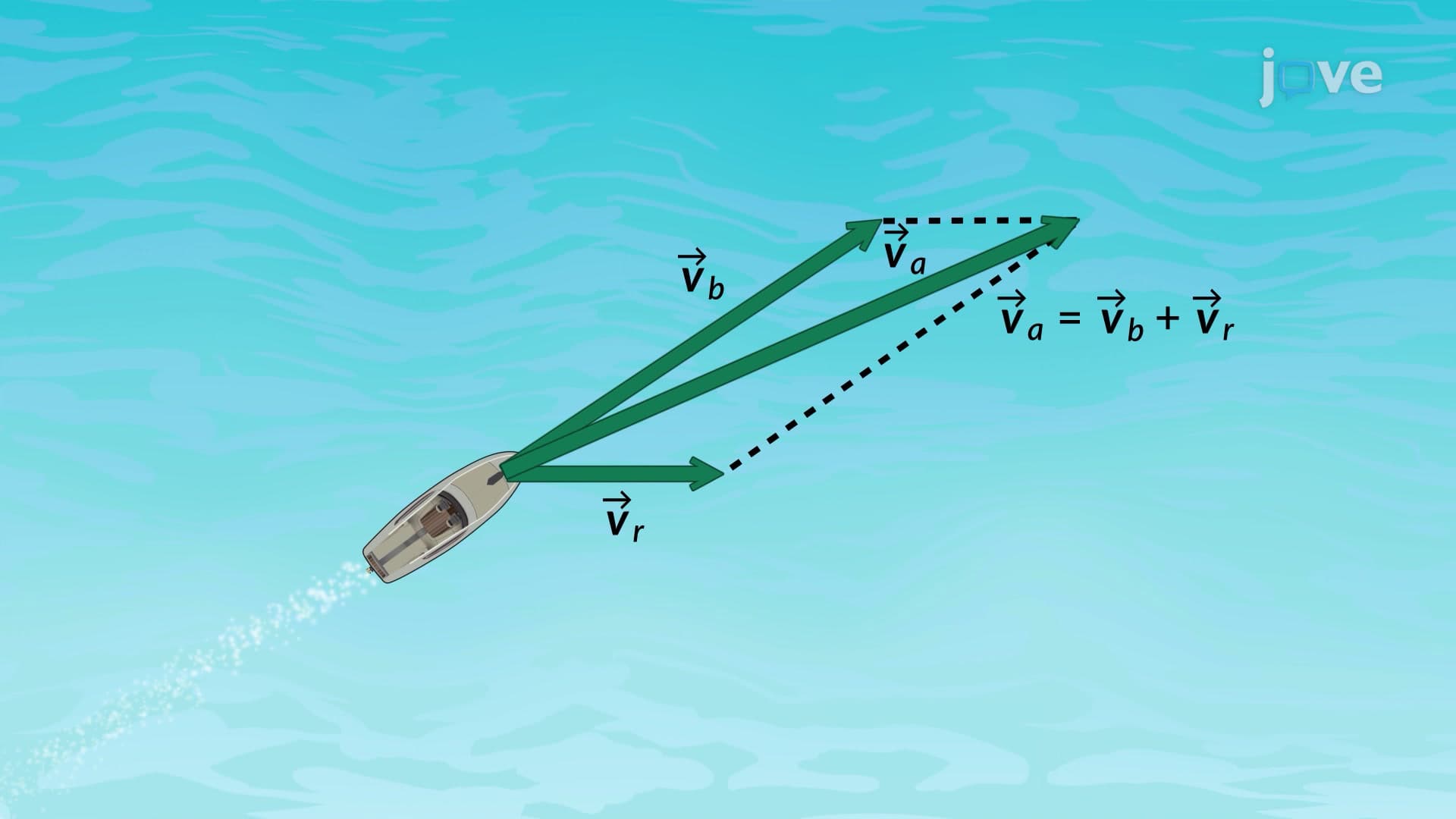
Ever wondered how NASA calculates the precise trajectory of a spacecraft moving through multiple gravitational fields? The vector algebra method of components breaks down complex vector problems into manageable parts by analyzing each directional component separately. This fundamental approach allows engineers at SpaceX to determine how a Falcon 9 rocket's velocity changes when Earth's gravity, wind resistance, and engine thrust all act simultaneously. The Vector Algebra Method of Components Guide demonstrates this systematic process through practical examples like boat navigation and physics applications. Watch the full video on JoVE Coach to master this concept with expert-led visuals and step-by-step explanations.
The vector algebra method of components represents one of the most powerful analytical tools in physics and engineering mathematics. This systematic approach transforms complex vector problems into straightforward arithmetic by decomposing vectors into their fundamental directional components. Unlike graphical methods that rely on scale drawings and protractors, the component method provides exact numerical solutions essential for precise calculations in fields ranging from aerospace engineering to architectural design.
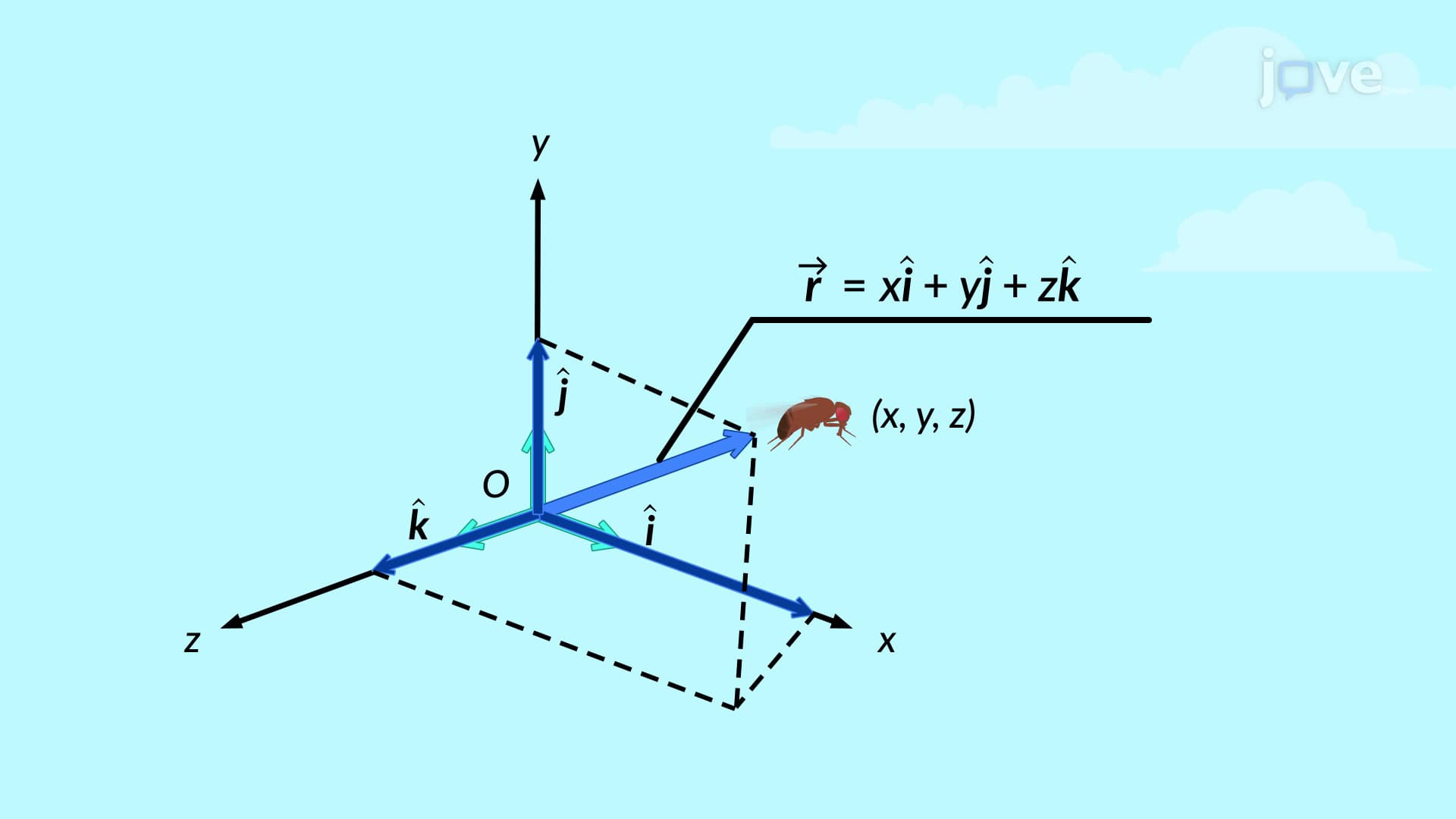
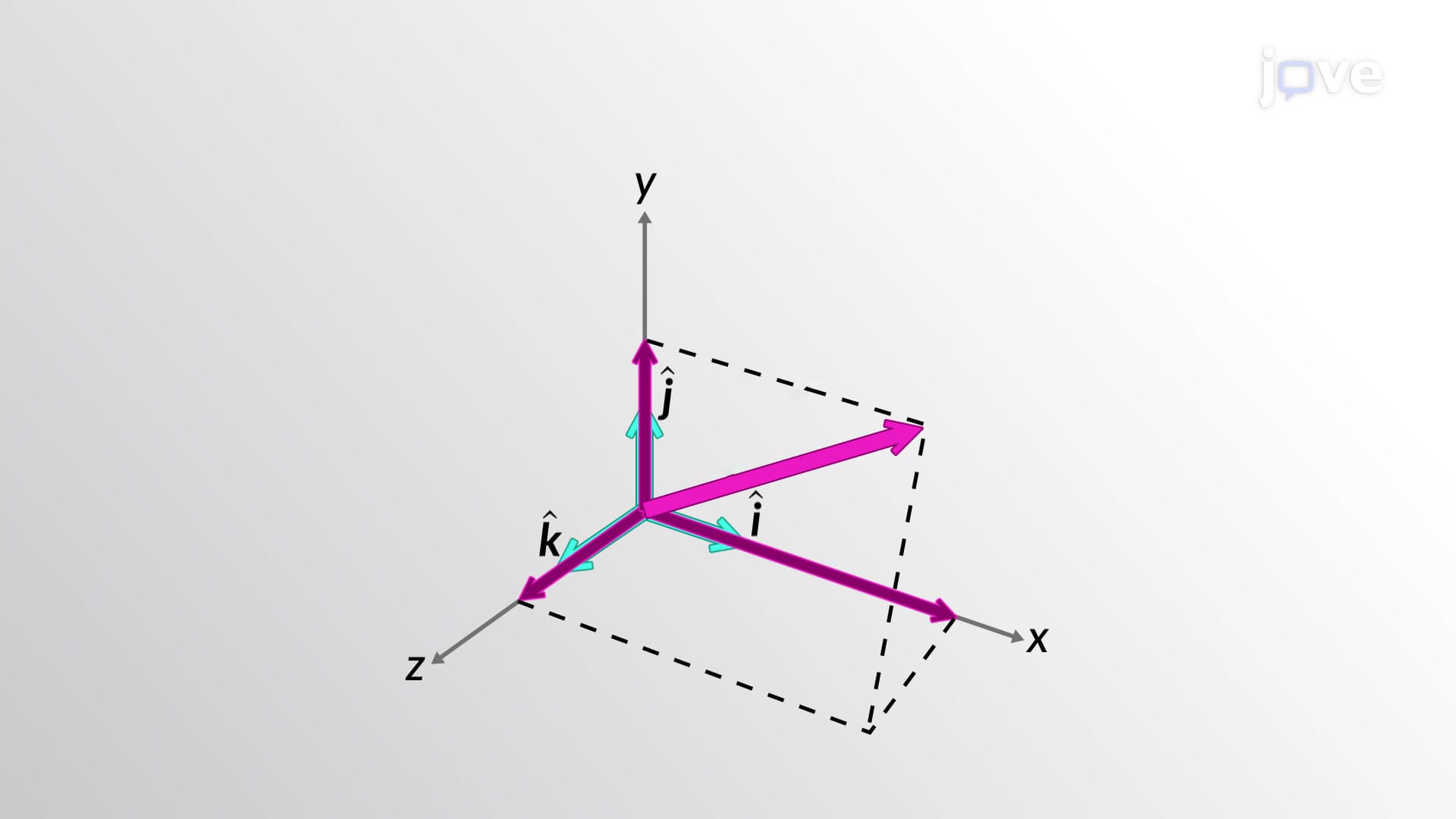
Every vector in two-dimensional space can be expressed as the sum of two perpendicular components: one along the x-axis (i-hat direction) and another along the y-axis (j-hat direction). For example, a velocity vector of 5i + 6j km/h represents motion with 5 km/h in the positive x-direction and 6 km/h in the positive y-direction simultaneously. This decomposition proves invaluable when analyzing forces acting on bridges in civil engineering projects, where engineers must account for wind loads, gravitational forces, and structural tensions independently.
The true power of the vector algebra method of components emerges during vector addition. Instead of using complex trigonometry or geometric constructions, you simply add corresponding components separately. Consider a Coast Guard rescue scenario where a helicopter moves at 80i + 60j mph while encountering wind at -20i + 15j mph. The resultant velocity becomes (80-20)i + (60+15)j = 60i + 75j mph. This component-wise addition follows the commutative property, meaning A + B = B + A, which provides flexibility in problem-solving strategies.
Students preparing for AP Physics exams frequently encounter these problems, particularly in mechanics units covering projectile motion and force equilibrium. The SAT Subject Test in Physics also emphasizes vector component analysis in questions involving displacement, velocity, and acceleration. College-level physics courses, from introductory mechanics to advanced electromagnetic theory, rely heavily on this foundational concept.
Scalar multiplication in the component method involves multiplying each component by the same scalar value. If you multiply vector 3i + 4j by scalar 2, the result is 6i + 8j, a vector twice as long in the same direction. Negative scalar multiplication, such as multiplying by -2, yields -6i - 8j, creating a vector twice as long but pointing in the opposite direction (antiparallel). This concept proves crucial in analyzing opposing forces, such as friction acting against motion in automotive engineering applications.
Related Micro-courses