Loading video…


 15 Concepts
 203.3K views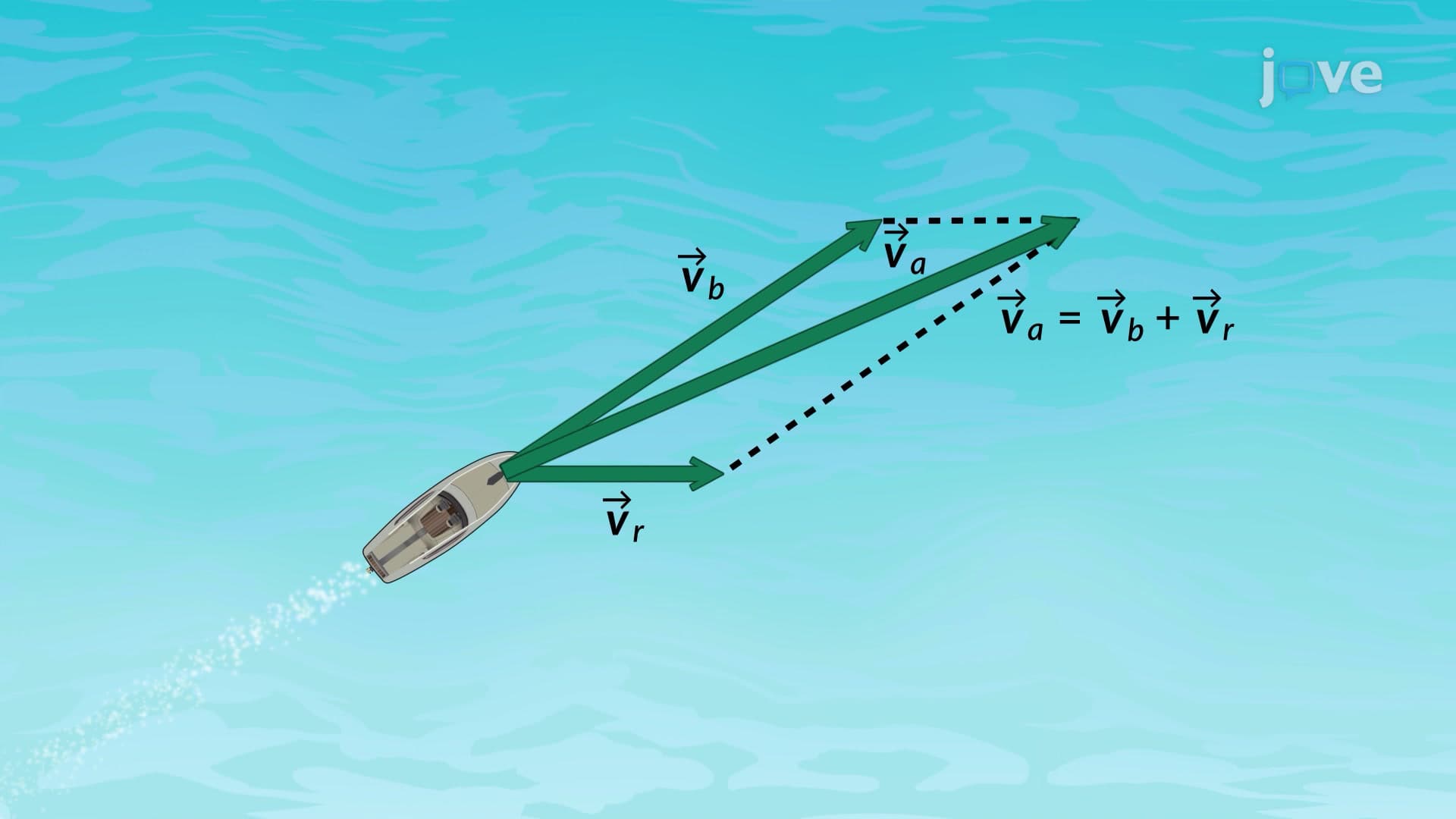

Video Summary: What Is Vector Algebra Graphical Method
Ever wondered how NASA calculates spacecraft trajectories or how meteorologists predict hurricane paths? The vector algebra graphical method provides the visual foundation for understanding these complex calculations. This powerful technique allows students to add, subtract, and manipulate vectors using geometric approaches like the head-to-tail method and parallelogram rule. Consider how air traffic controllers at airports like LAX use vector principles to guide planes safely through crosswinds. Watch the full video on JoVE Coach to master this concept with expert-led visuals and step-by-step explanations.
The vector algebra graphical method represents a visual approach to solving vector problems that forms the cornerstone of physics education in AP Physics courses and college-level mechanics. Unlike algebraic methods that rely purely on mathematical calculations, graphical methods provide intuitive visual representations that help students understand vector relationships and develop spatial reasoning skills essential for STEM careers.
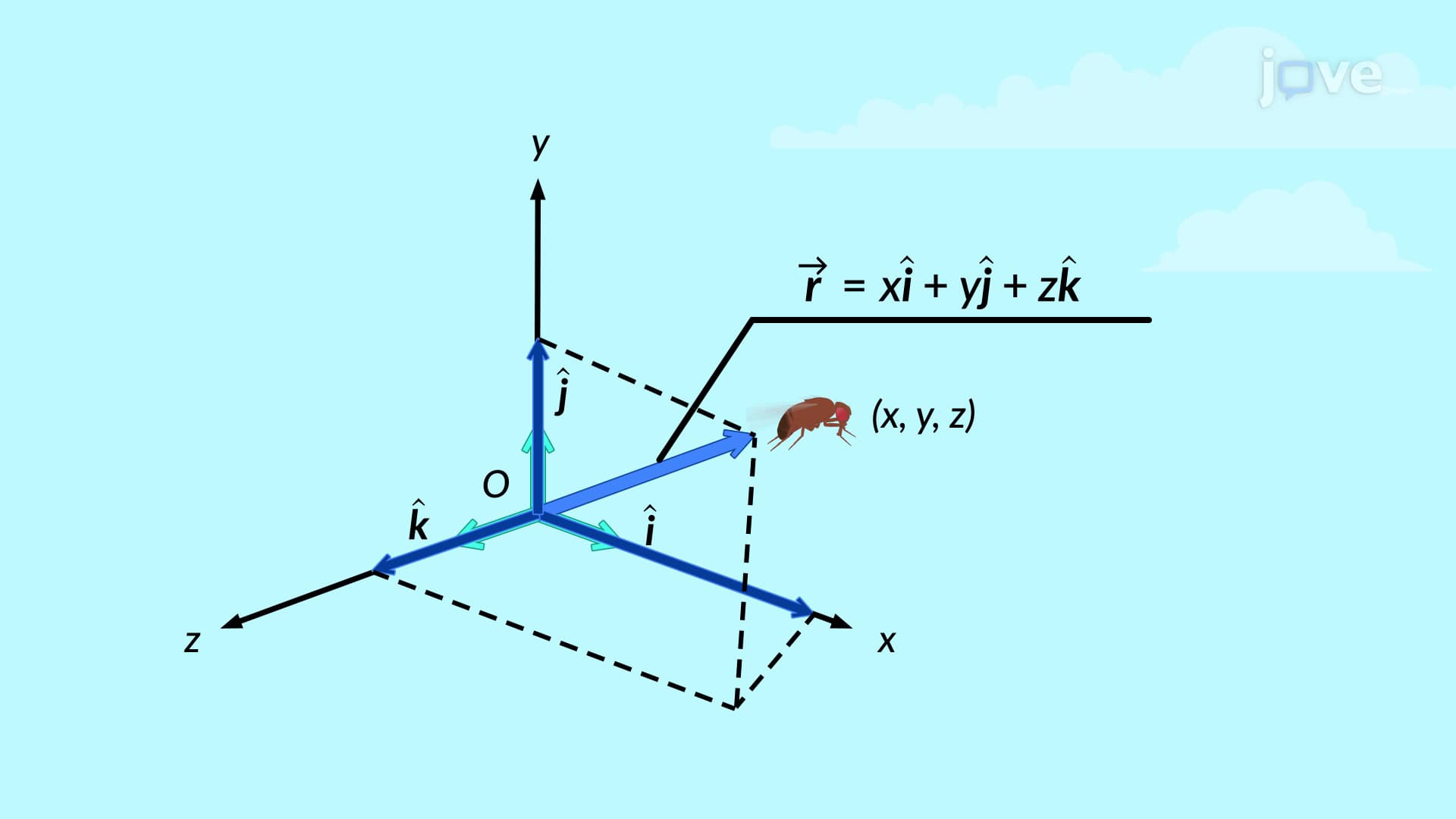
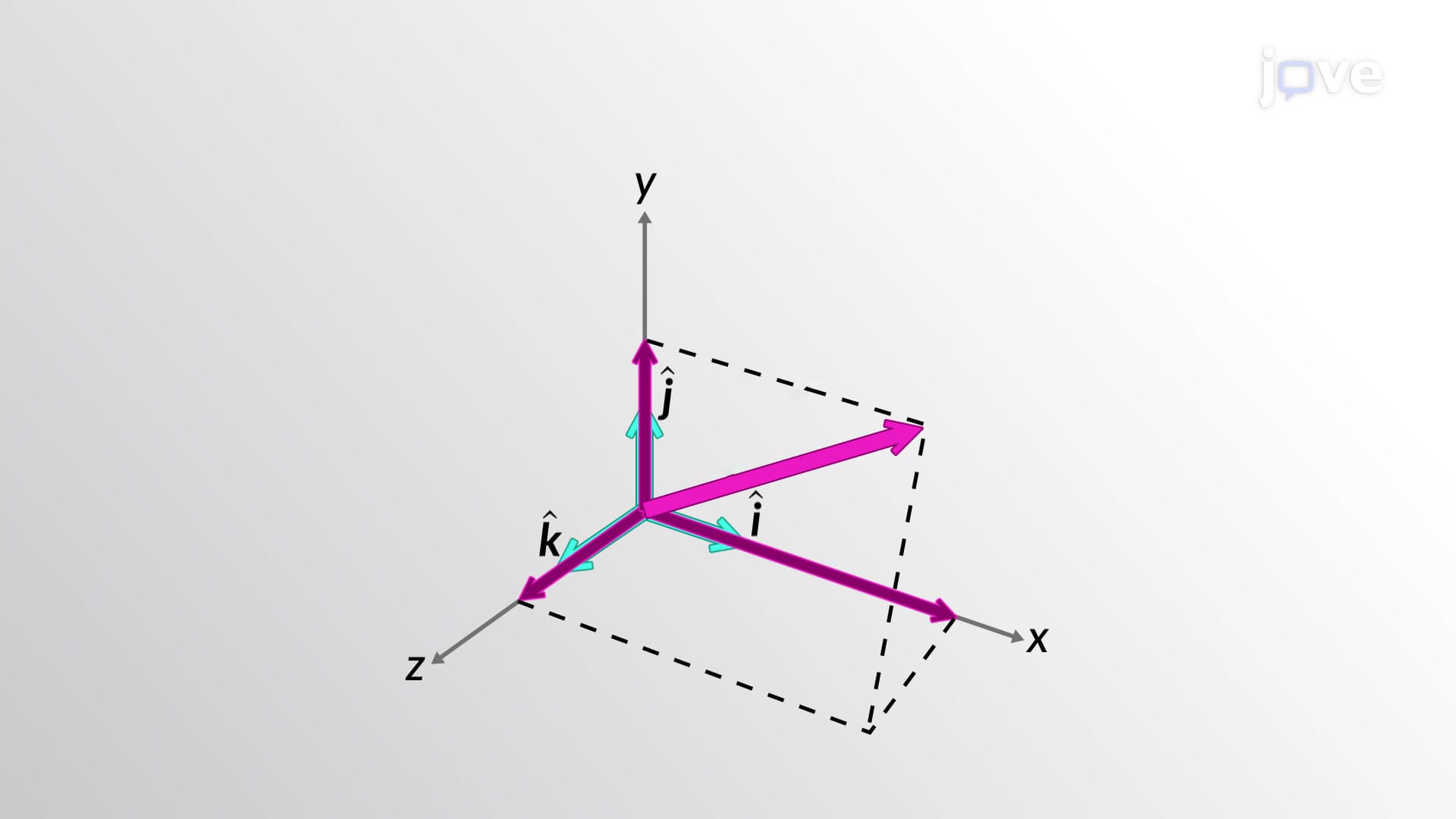
Vector quantities possess both magnitude and direction, distinguishing them from scalar quantities that only have magnitude. In graphical vector algebra, we represent vectors as arrows where the length corresponds to magnitude and the arrowhead indicates direction. This visual representation becomes particularly powerful when solving complex problems involving multiple forces, velocities, or displacements.
The head-to-tail method, also known as the tip-to-tail method, provides a systematic approach for adding multiple vectors graphically. Students place the tail (starting point) of each successive vector at the head (tip) of the previous vector, creating a connected chain of arrows. The resultant vector extends from the tail of the first vector to the head of the final vector.
This method demonstrates the commutative property of vector addition-changing the order of vectors doesn't affect the final result. For example, when analyzing the motion of a football during a game at MetLife Stadium, coaches might consider the initial velocity vector from the quarterback's throw combined with wind velocity vectors to predict the ball's trajectory.
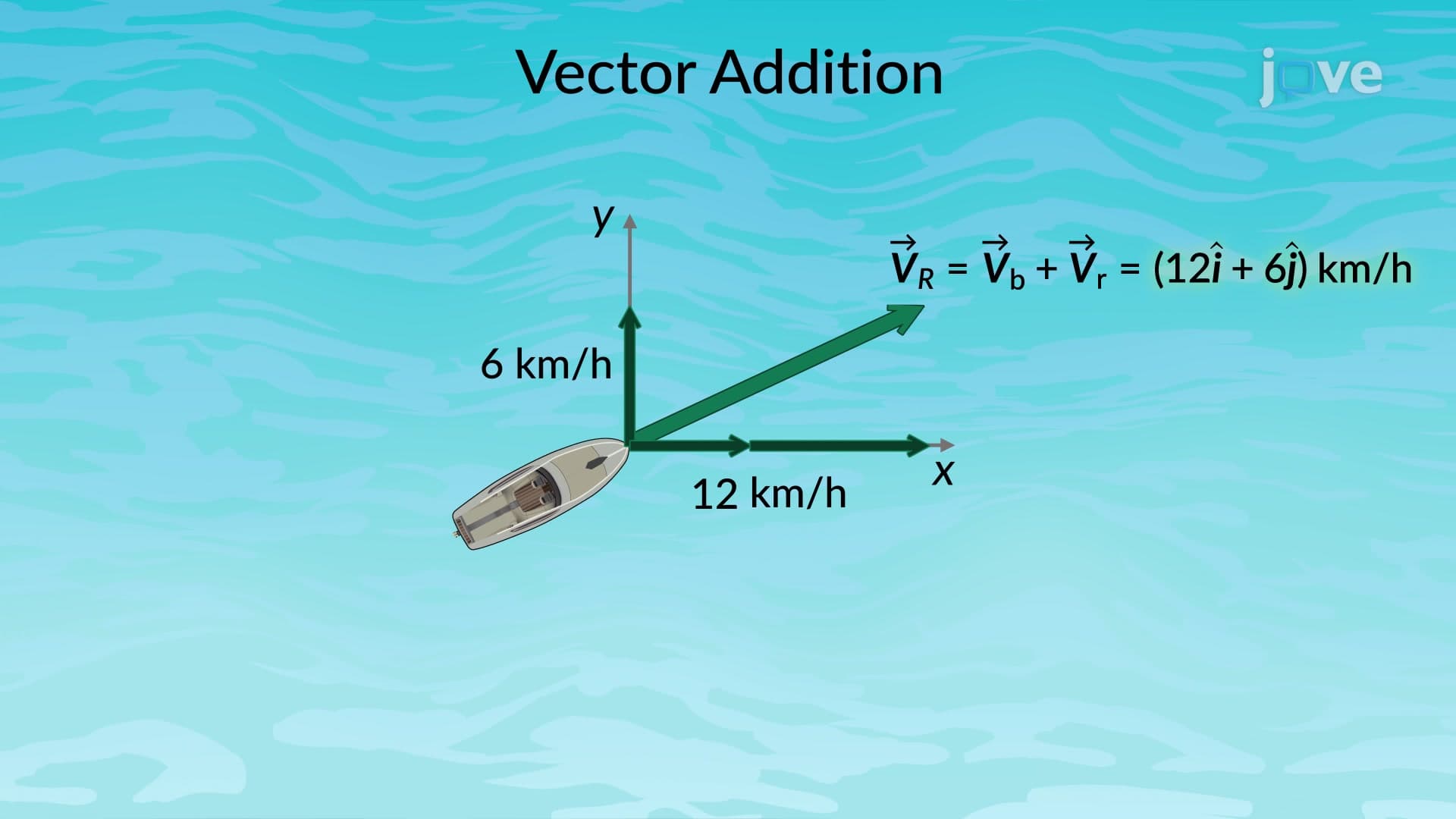
The parallelogram rule offers an alternative graphical method particularly useful when two vectors share a common starting point. By constructing a parallelogram using the two vectors as adjacent sides, the diagonal from the shared vertex represents the resultant vector. This technique proves invaluable in engineering applications, such as analyzing forces on bridge structures or calculating the resultant velocity of aircraft encountering crosswinds at airports like Denver International.
Students preparing for the AP Physics exam frequently encounter problems involving projectile motion where horizontal and vertical velocity components must be combined using the parallelogram rule. Understanding this graphical approach builds intuition for more advanced topics in vector calculus and engineering mechanics.
Vector subtraction follows a straightforward process: to subtract vector B from vector A, students first find the negative of vector B (same magnitude, opposite direction) and then add it to vector A using standard addition methods. This concept appears frequently in relative motion problems, such as calculating the velocity of a swimmer crossing a river with respect to the shore versus the water.
Scalar multiplication involves multiplying a vector by a real number, affecting only the magnitude while preserving direction for positive scalars or reversing direction for negative scalars. This operation proves essential in physics problems involving proportional relationships, such as calculating forces in structural engineering or analyzing electromagnetic field strengths in circuits.
Related Micro-courses