Loading video…


 15 Concepts
 203.3K views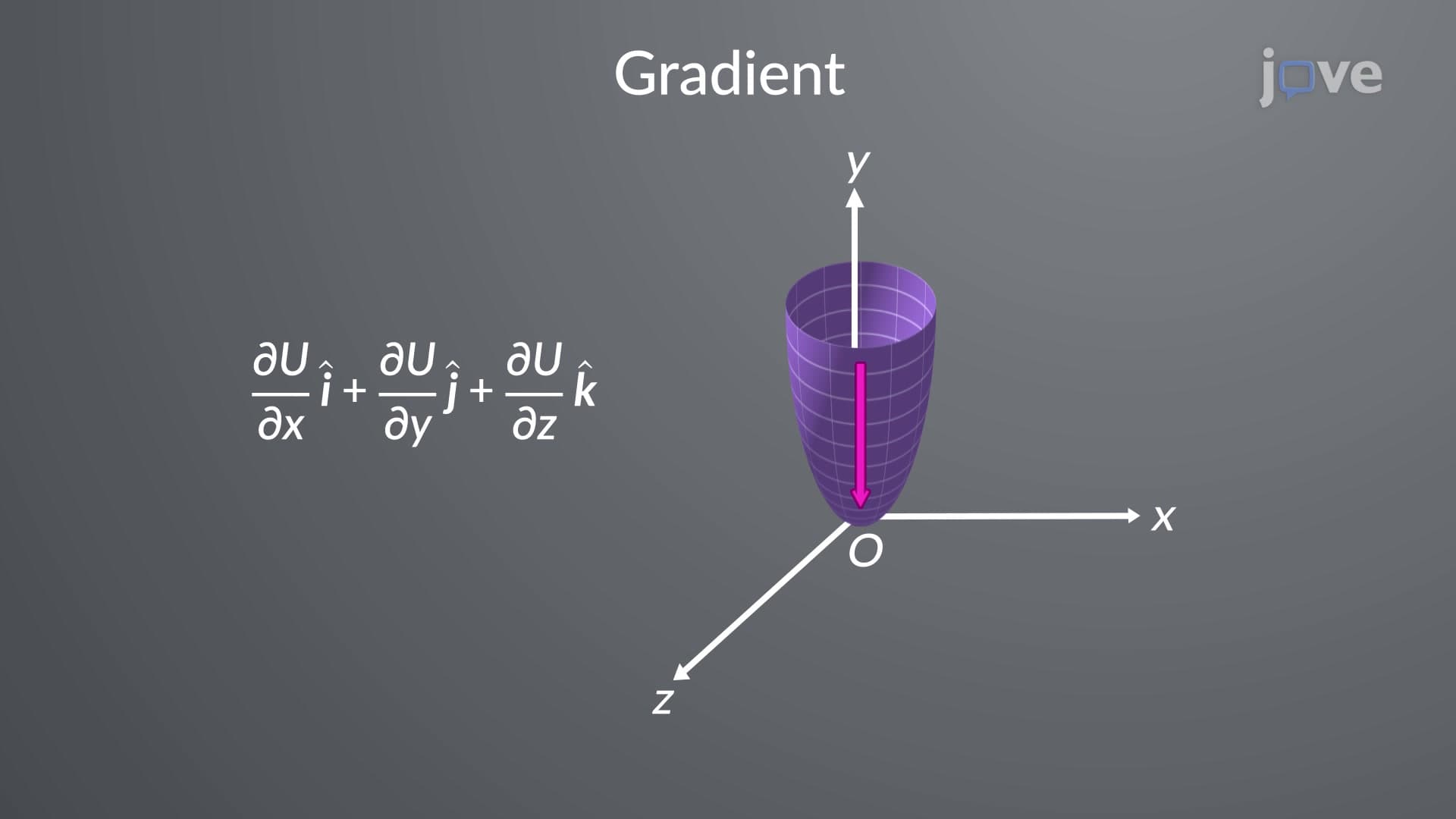

Video Summary: What Is Gradient and Del Operator
Ever wonder how meteorologists predict where hurricanes will intensify most rapidly? The gradient and del operator concepts are fundamental to understanding how scalar fields like atmospheric pressure change across space and time. In weather forecasting systems used by the National Weather Service, gradient calculations help identify areas where pressure drops most dramatically, indicating potential storm development. Understanding what is gradient and del operator reveals how mathematical vectors describe both the direction and magnitude of maximum change in any scalar field. Watch the full video on JoVE Coach to master this concept with expert-led visuals and step-by-step explanations.
The gradient and del operator represent cornerstone concepts in vector calculus that bridge pure mathematics with real-world physical phenomena. At its core, the gradient transforms a scalar field-a function that assigns a single value to every point in space-into a vector field that reveals how that scalar quantity changes throughout the region. This transformation is accomplished through the del operator (∇), a mathematical tool that acts on scalar functions to produce vectors pointing in the direction of steepest increase.
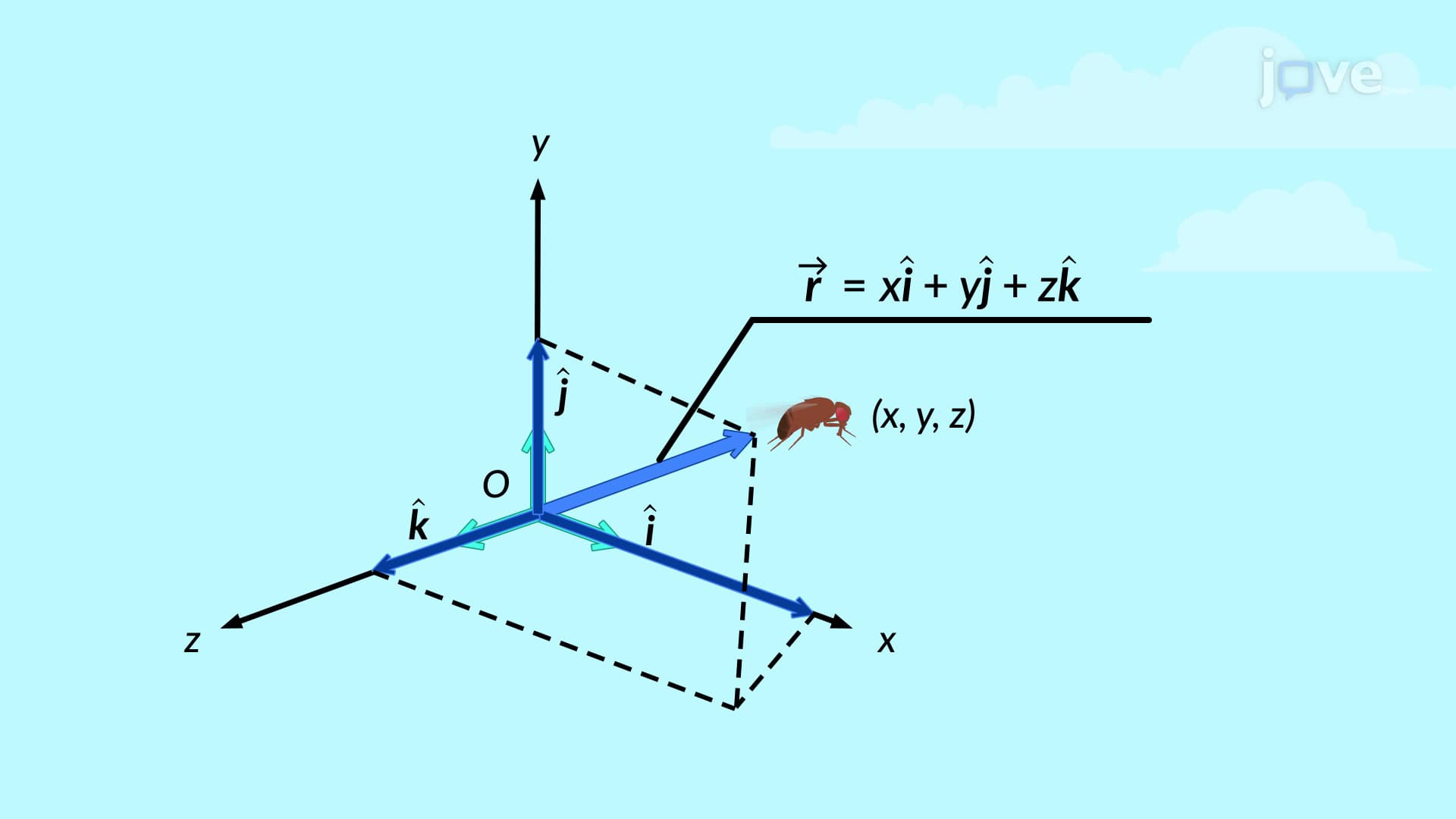
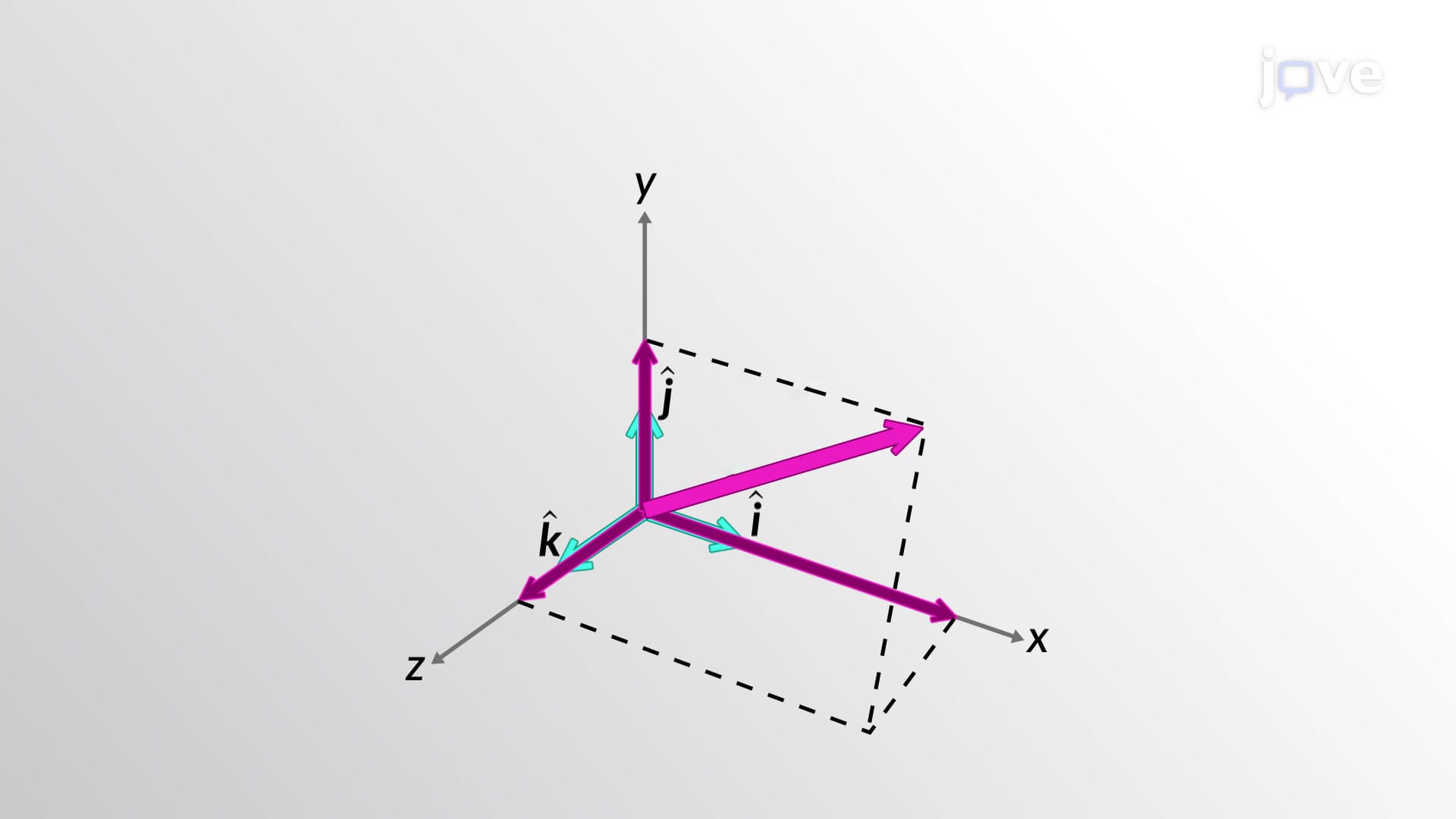
The del operator in Cartesian coordinates takes the form ∇ = (∂/∂x, ∂/∂y, ∂/∂z), where each component represents a partial derivative along its respective axis. When applied to a scalar function f(x,y,z), the gradient becomes ∇f = (∂f/∂x, ∂f/∂y, ∂f/∂z). Students preparing for AP Calculus BC or college-level multivariable calculus courses should recognize this as the natural extension of single-variable derivatives to three-dimensional space. The resulting vector simultaneously encodes two critical pieces of information: its direction points toward the steepest increase of the scalar field, while its magnitude quantifies exactly how steep that increase is.
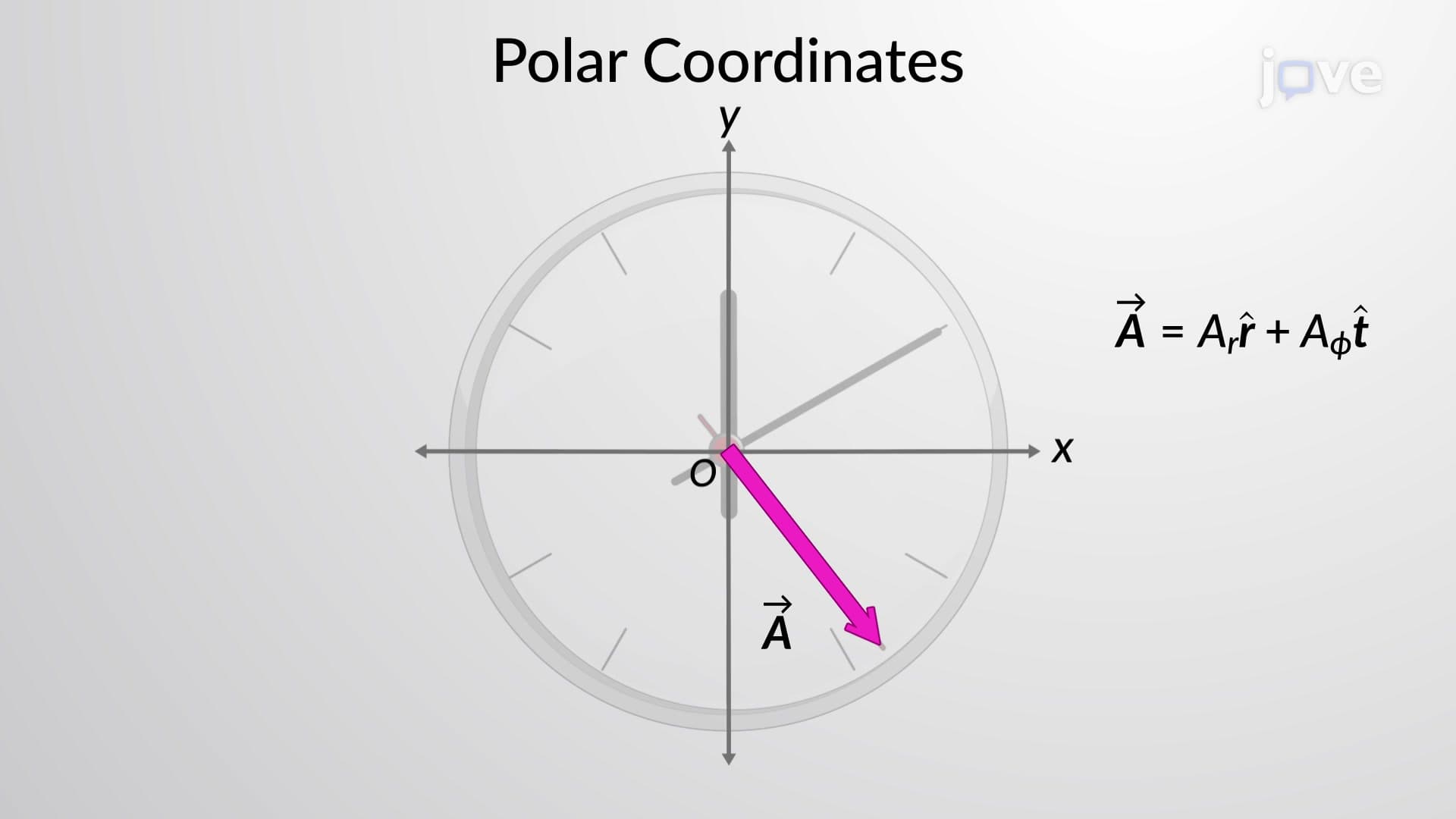
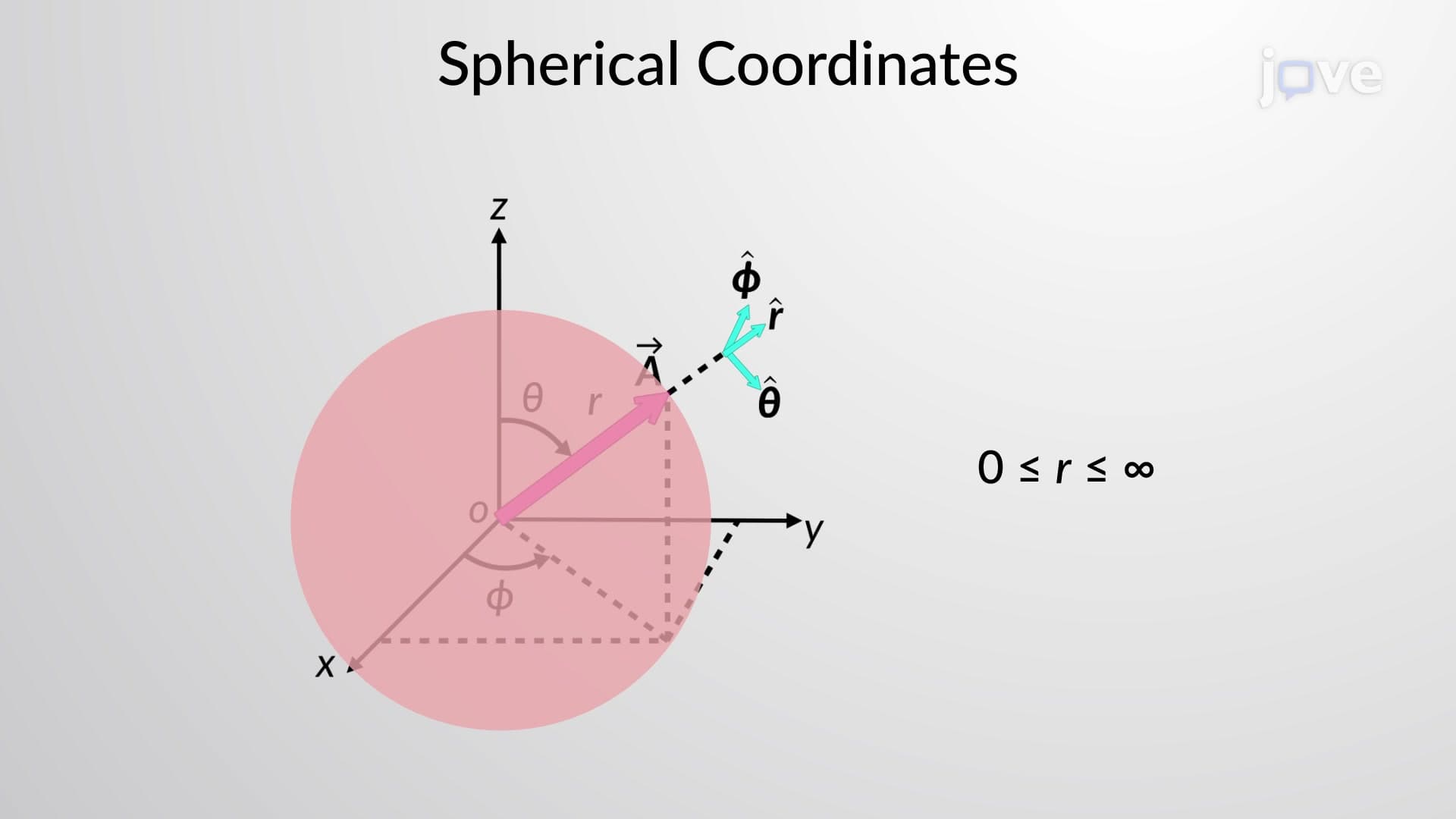
In cylindrical coordinates (r, θ, z), the del operator becomes ∇ = (∂/∂r, (1/r)∂/∂θ, ∂/∂z), while spherical coordinates (r, θ, φ) yield ∇ = (∂/∂r, (1/r)∂/∂θ, (1/r sin θ)∂/∂φ). These transformations prove essential for students tackling physics problems involving cylindrical symmetry (like electromagnetic fields around wires) or spherical symmetry (such as gravitational fields around planets). Engineering students at institutions like MIT or Stanford frequently encounter these coordinate-specific forms when analyzing fluid flow patterns or electromagnetic field distributions.
The gradient concept appears extensively in standardized exams, from AP Physics C problems involving electric field calculations to MCAT questions about concentration gradients in biological membranes. Consider how pharmaceutical companies use gradient principles to design drug delivery systems-the concentration gradient of medication determines diffusion rates through cell membranes. Similarly, environmental engineers studying groundwater contamination rely on concentration gradients to predict pollutant spread patterns. Students should understand that the gradient's perpendicularity to level surfaces means that if you're standing on a hillside where elevation remains constant, the gradient vector points in the direction of steepest ascent, perpendicular to your contour path.
Related Micro-courses