Loading subject page…

- Physics
- Vectors and Scalars
- Scalar Product (Dot Product)
Micro-course: Vectors and Scalars
203,316 views
Learn key concepts and earn your certificate.


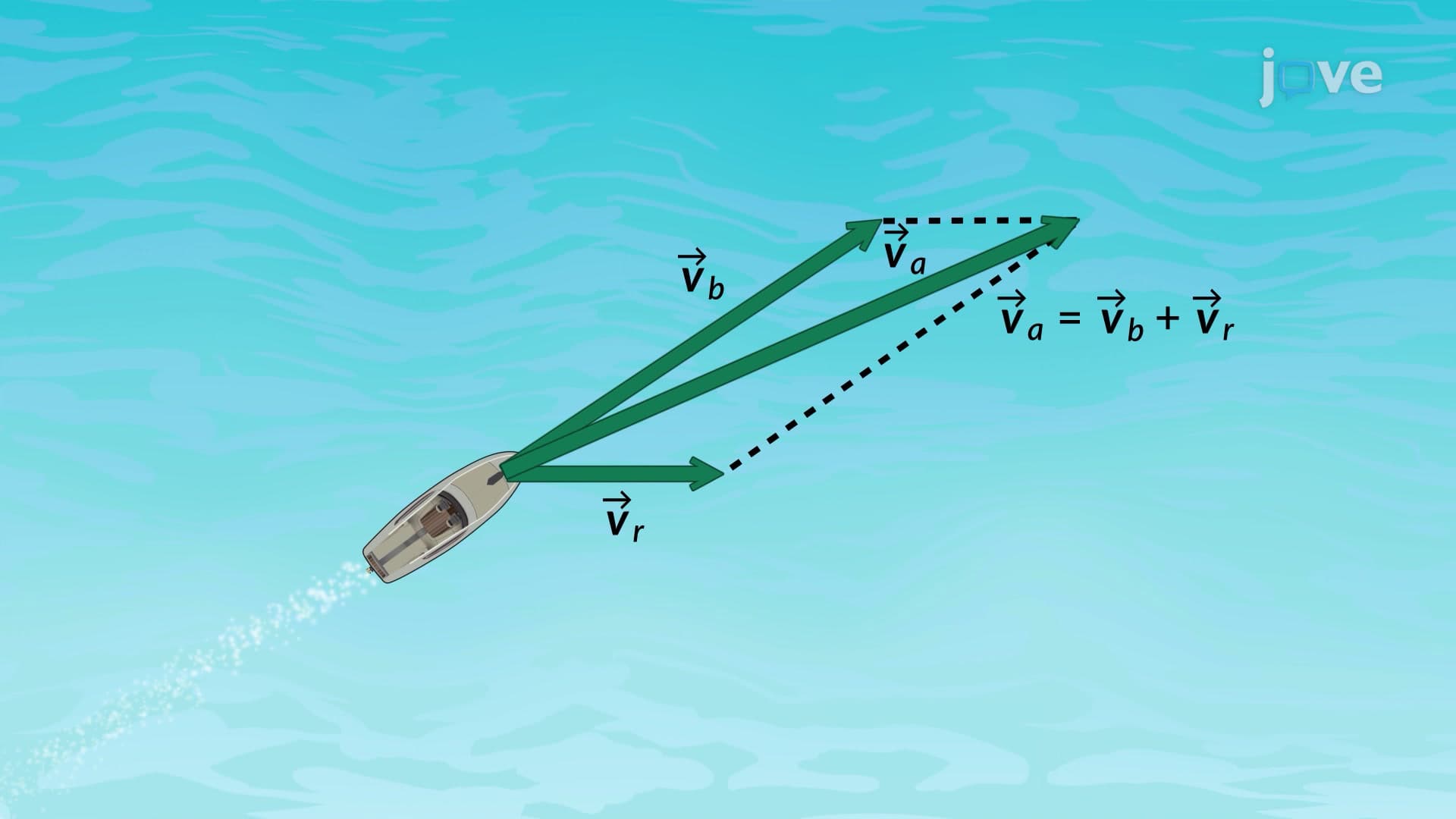
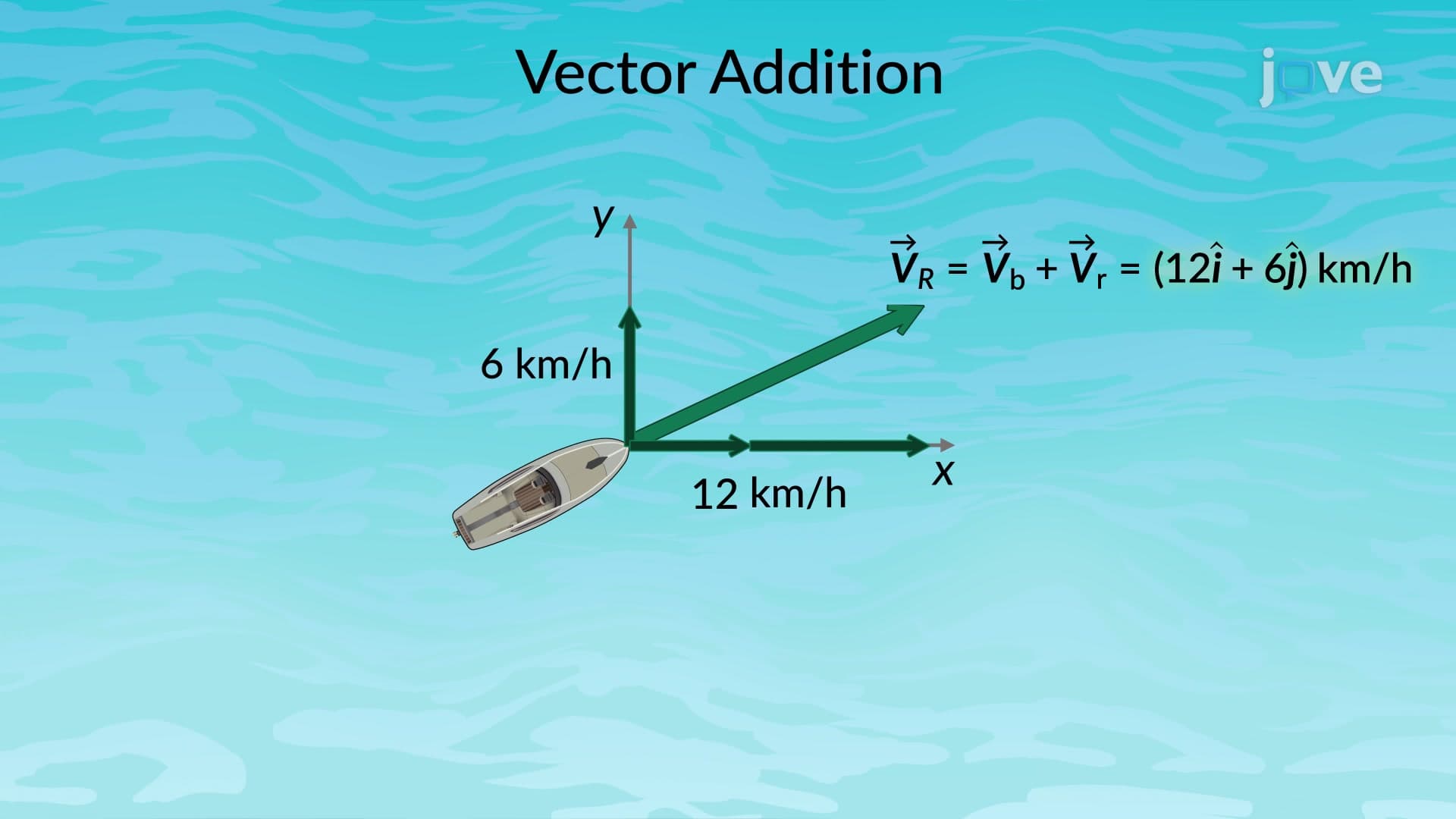
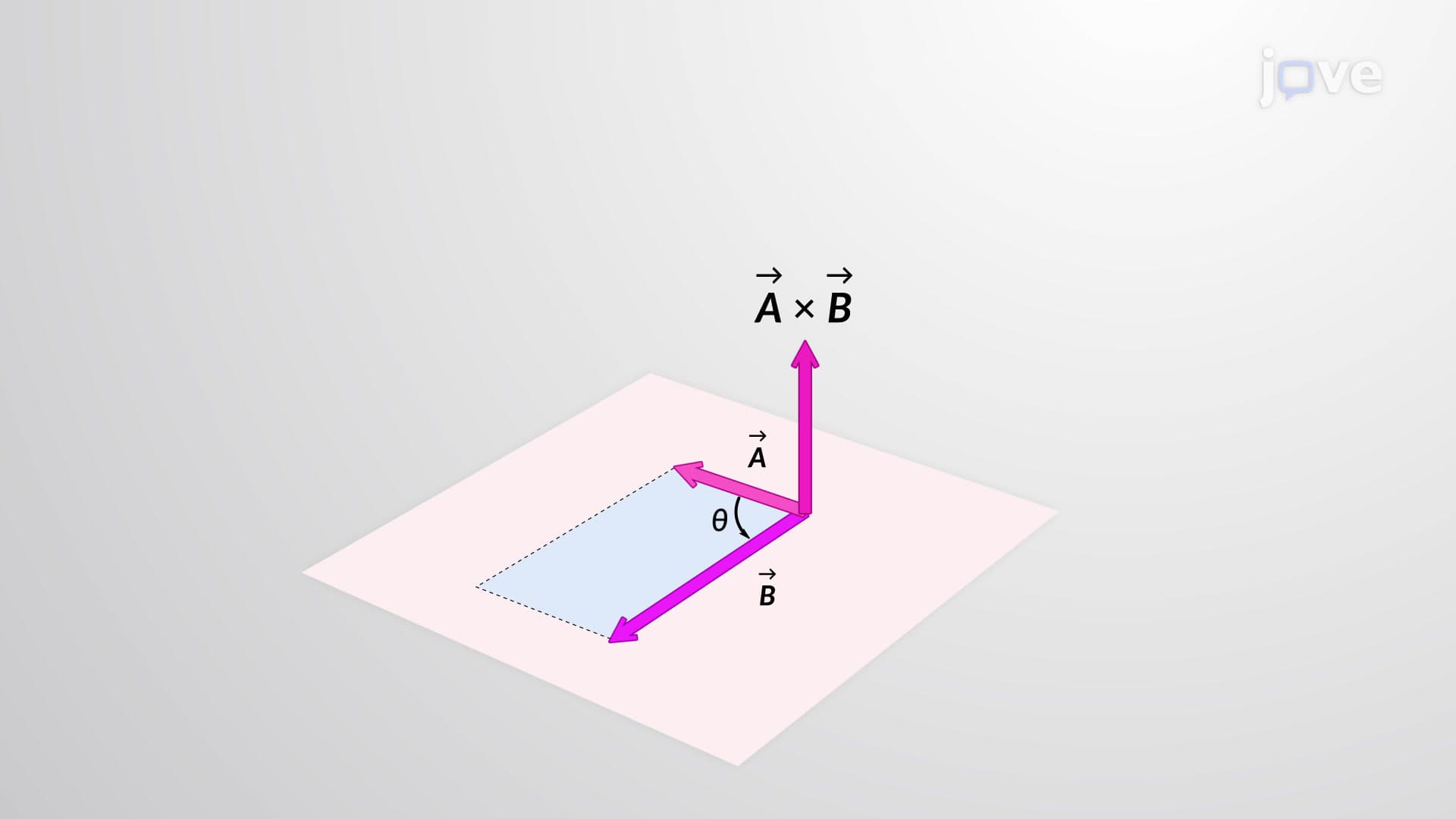
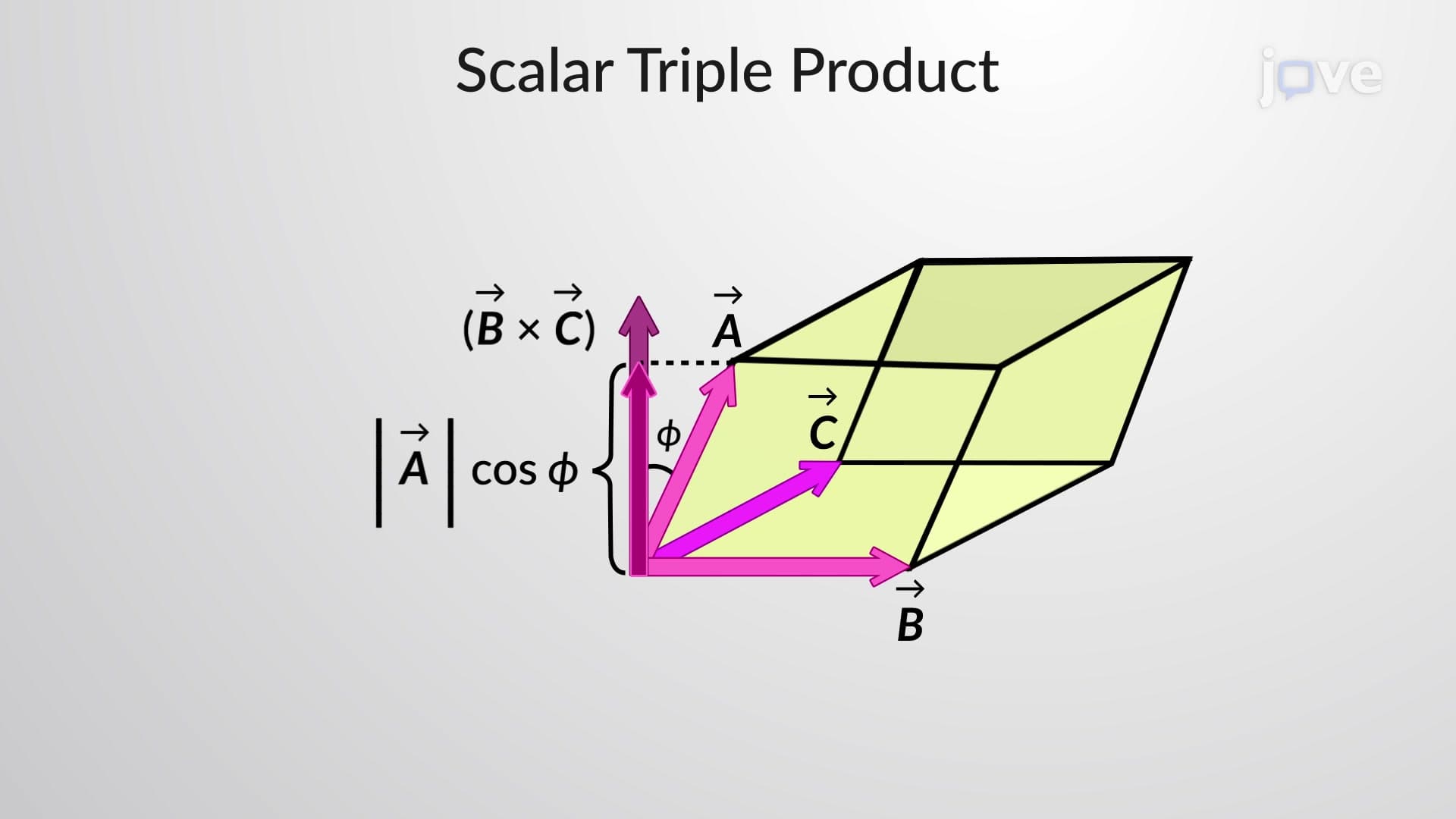
Scalar Product (Dot Product)

00:00
01:11
Video Summary: What Is Scalar Product Dot Product
When NASA engineers calculate the work done by rocket thrusters during spacecraft maneuvers, they rely on a fundamental mathematical operation called the scalar product dot product. This essential vector operation determines how much of one vector contributes in the direction of another, making it crucial for physics calculations involving force, displacement, and energy. Understanding what is scalar product dot product opens doors to solving complex real-world problems in engineering and physics. Watch the full video on JoVE Coach to master this concept with expert-led visuals and step-by-step explanations.
- Understand what is scalar product dot product and its fundamental mathematical definition as the product of vector magnitudes and the cosine of the angle between them
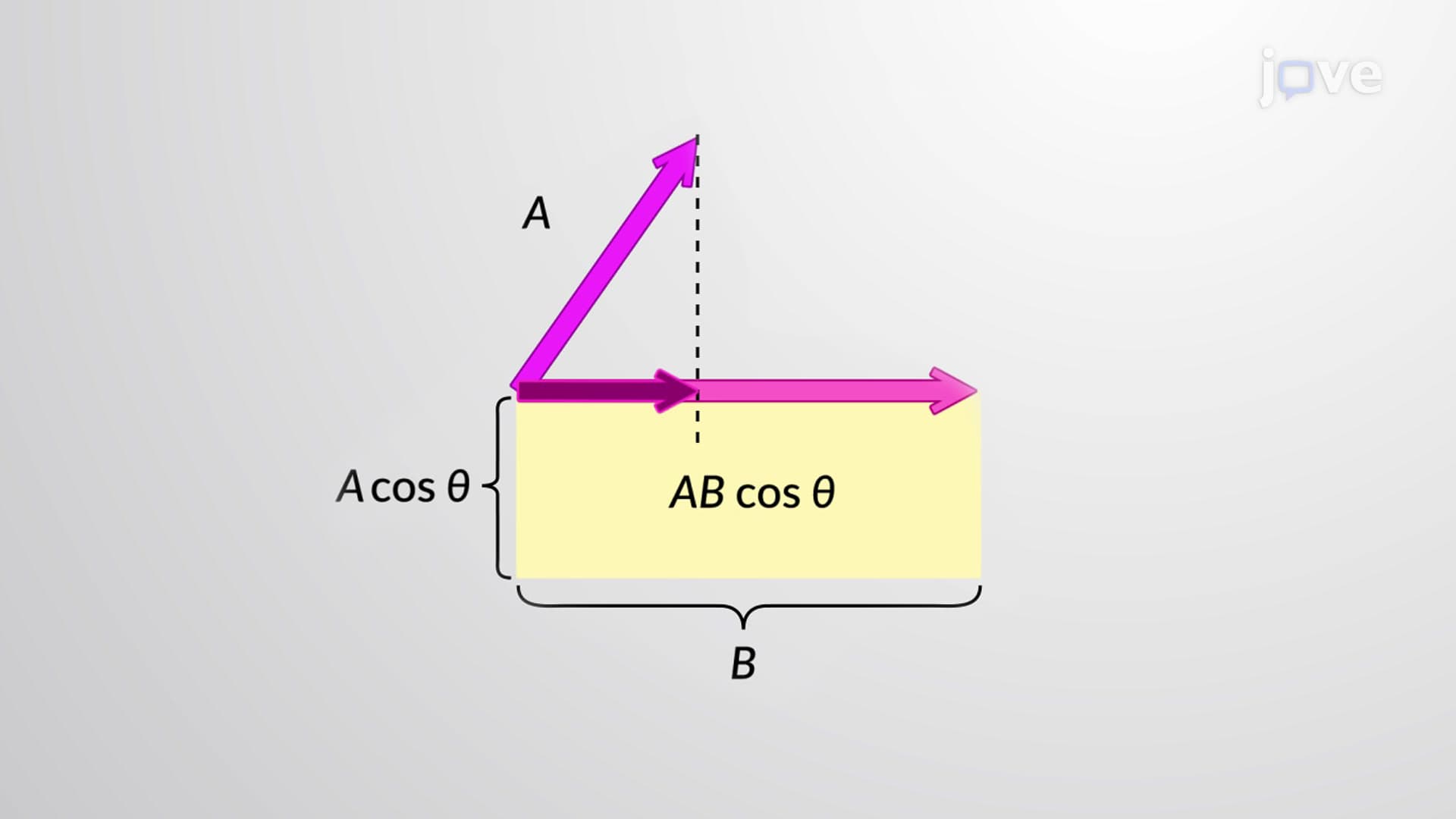
- Identify the geometric interpretation of dot products as projections of one vector onto another vector's direction
- Apply the scalar product dot product formula to calculate work done when forces act at various angles to displacement
- Recognize the commutative and distributive properties that make dot product calculations more efficient
- Analyze how unit vectors behave in dot product operations, with perpendicular unit vectors yielding zero and parallel unit vectors yielding one
- Evaluate dot products using component form by summing products of corresponding vector components
- Compare different scenarios where dot products equal zero, indicating perpendicular vectors or no contribution
- Explore practical applications of dot products in physics problems involving energy, momentum, and force analysis
Understanding Scalar Product Dot Product Fundamentals
The scalar product dot product represents one of the most important operations in vector mathematics, bridging geometric intuition with algebraic computation. Unlike vector multiplication that produces another vector, the dot product always yields a scalar quantity, making it invaluable for quantifying how much two vectors "agree" in direction.
Mathematically, for vectors A and B, the scalar product dot product equals |A| × |B| × cos(θ), where θ represents the angle between the vectors. This definition reveals why perpendicular vectors have zero dot products-the cosine of 90 degrees equals zero-while parallel vectors achieve maximum dot products when pointing in identical directions.
Physical Interpretation and Work Applications
The scalar product dot product definition becomes particularly meaningful in physics through work calculations. When you push a heavy box across the floor, only the horizontal component of your applied force contributes to actual work. If you push at a 30-degree angle downward, the work equals F × d × cos(30°), demonstrating how the dot product naturally captures this geometric relationship.
This principle explains why lifting weights straight up requires maximum work (force and displacement perfectly aligned), while pushing sideways on an immovable wall does zero work (force perpendicular to any displacement). Students preparing for AP Physics exams frequently encounter problems requiring this geometric understanding of work and energy.
Component Form and Computational Methods
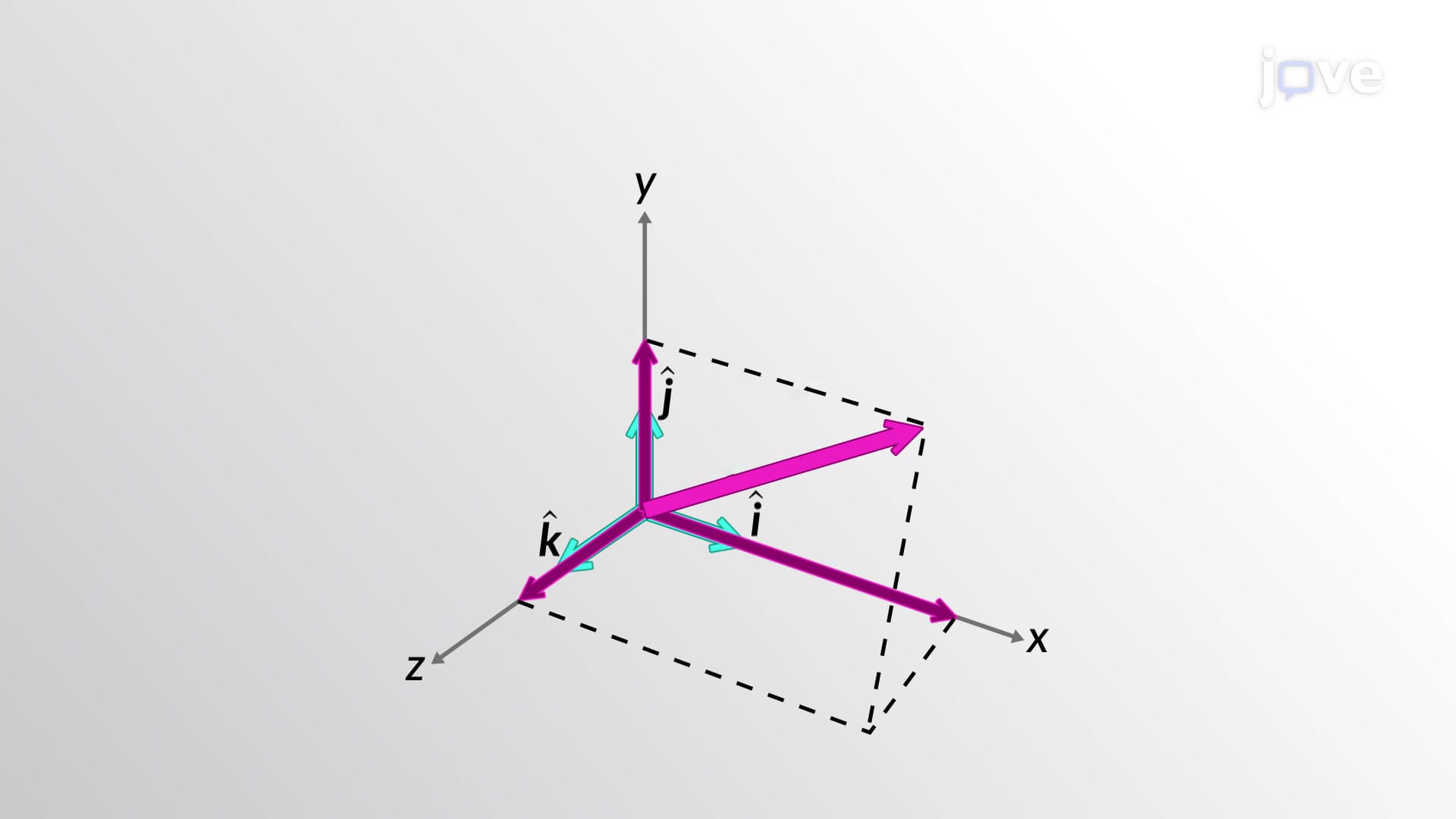
Beyond geometric interpretation, the scalar product dot product can be calculated using vector components. For vectors A = (Ax, Ay, Az) and B = (Bx, By, Bz), the dot product equals Ax×Bx + Ay×By + Az×Bz. This component method often proves more practical for numerical calculations than working with magnitudes and angles.
The component approach reveals why dot products follow commutative and distributive properties. Since multiplication of real numbers is commutative, A·B always equals B·A. Similarly, A·(B + C) equals A·B + A·C, making complex vector calculations more manageable.
Applications in Engineering and Advanced Studies
Understanding scalar product dot product concepts prepares students for advanced applications in engineering disciplines. Electrical engineers use dot products to calculate power consumption, while mechanical engineers apply them in stress analysis and robotics. Students planning to take the MCAT will encounter dot products in physics passages involving biomechanics and energy transfer in biological systems.
The ability to find angles between vectors using the inverse cosine formula-θ = arccos(A·B / |A||B|)-proves essential for spatial reasoning problems in standardized tests and engineering coursework at universities like MIT, Stanford, and UC Berkeley.
Frequently Asked Questions
The scalar product dot product measures how much two vectors point in the same direction by multiplying their lengths and the cosine of the angle between them. It produces a single number (scalar) rather than another vector, making it useful for calculating quantities like work in physics. Think of it as measuring how much one vector "helps" or "opposes" another vector's direction.
For AP Physics, remember that dot product equals |A| × |B| × cos(θ), where θ is the angle between vectors A and B. This formula directly applies to work calculations (W = F·d) and appears frequently on AP Physics 1 and 2 exams. You'll also need the component form: A·B = AxBx + AyBy + AzBz for computational problems.
MCAT physics passages often test dot products through work-energy scenarios, such as muscle forces during movement or electric field interactions. You might calculate work done by heart muscles or analyze force vectors in biomechanical systems. The key is recognizing when forces act at angles to displacement, requiring dot product calculations for accurate work determinations.
Engineering applications use dot products extensively for power calculations in electrical systems, stress analysis in mechanical structures, and signal processing in computer engineering. Students at schools like Georgia Tech and Purdue encounter dot products in dynamics, electromagnetics, and control systems courses where vector relationships determine system behavior and efficiency.
When SpaceX engineers calculate fuel efficiency for Falcon 9 rockets, they use dot products to determine how effectively thruster forces align with desired trajectory changes. If thrusters fire at angles to the flight path, only the component along the direction of motion contributes to speed changes, requiring dot product calculations for optimal fuel consumption planning.
Most students find dot products manageable after mastering basic trigonometry and vector notation, typically covered in Precalculus or Physics courses. The geometric interpretation (projection) often clicks more easily than the algebraic formula, so starting with visual examples like work problems helps build intuition before tackling computational methods.
Practice both geometric visualization and component calculations, as exams often test both approaches. Create flashcards for special cases (perpendicular vectors give zero, parallel vectors give maximum values) and work through physics problems involving work, power, and force analysis. Focus on recognizing when problems require dot products versus other vector operations.
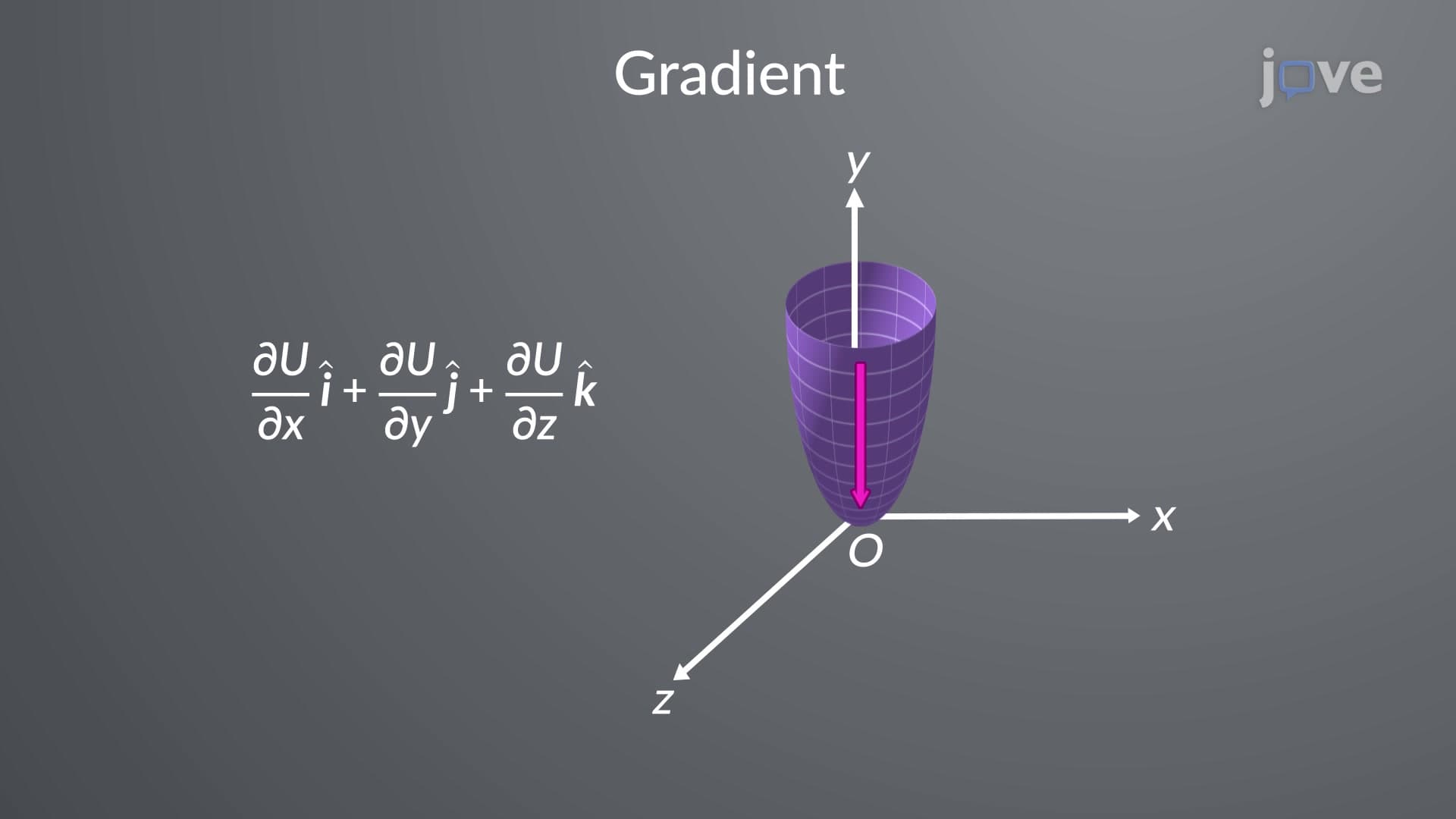
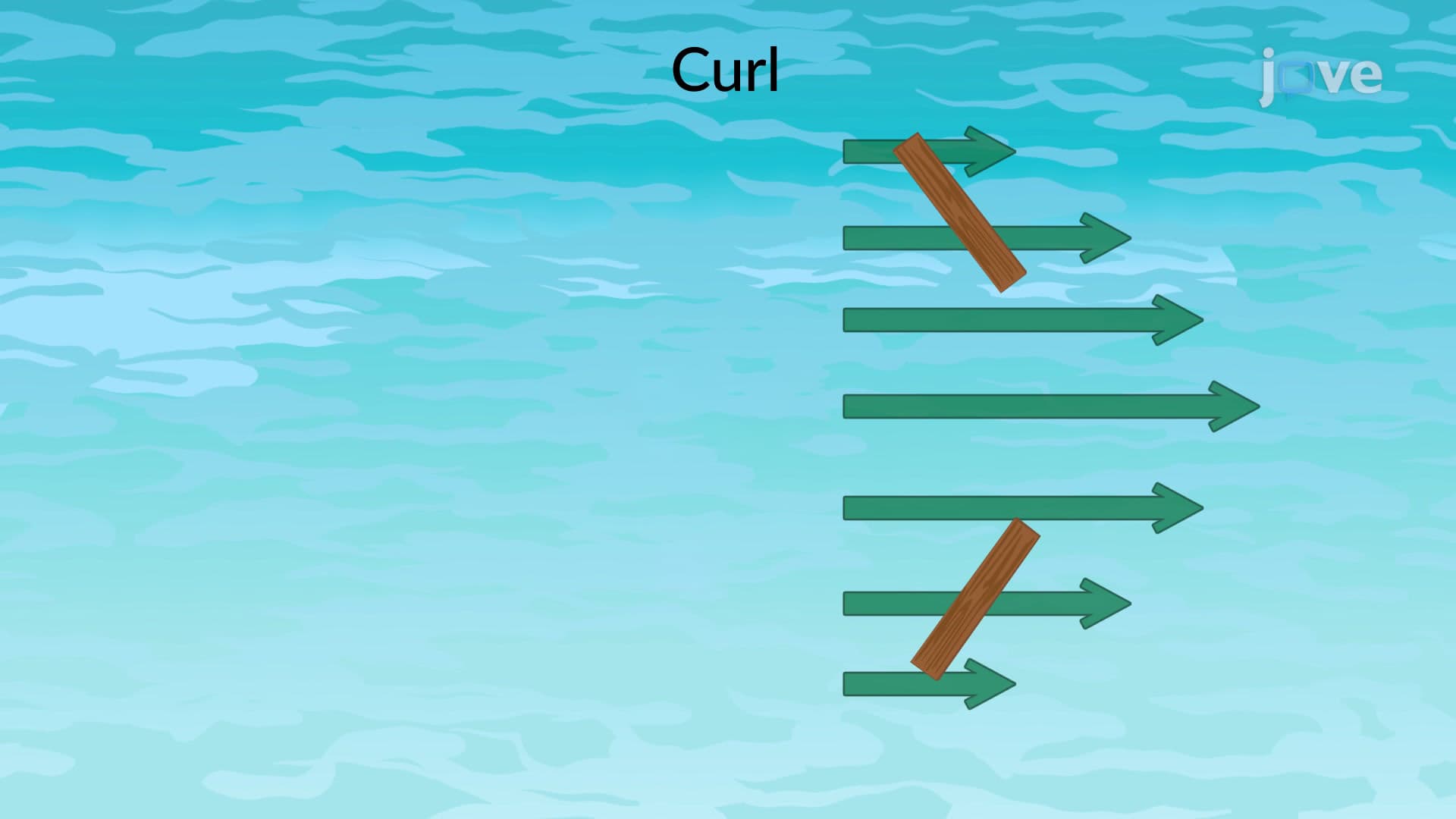
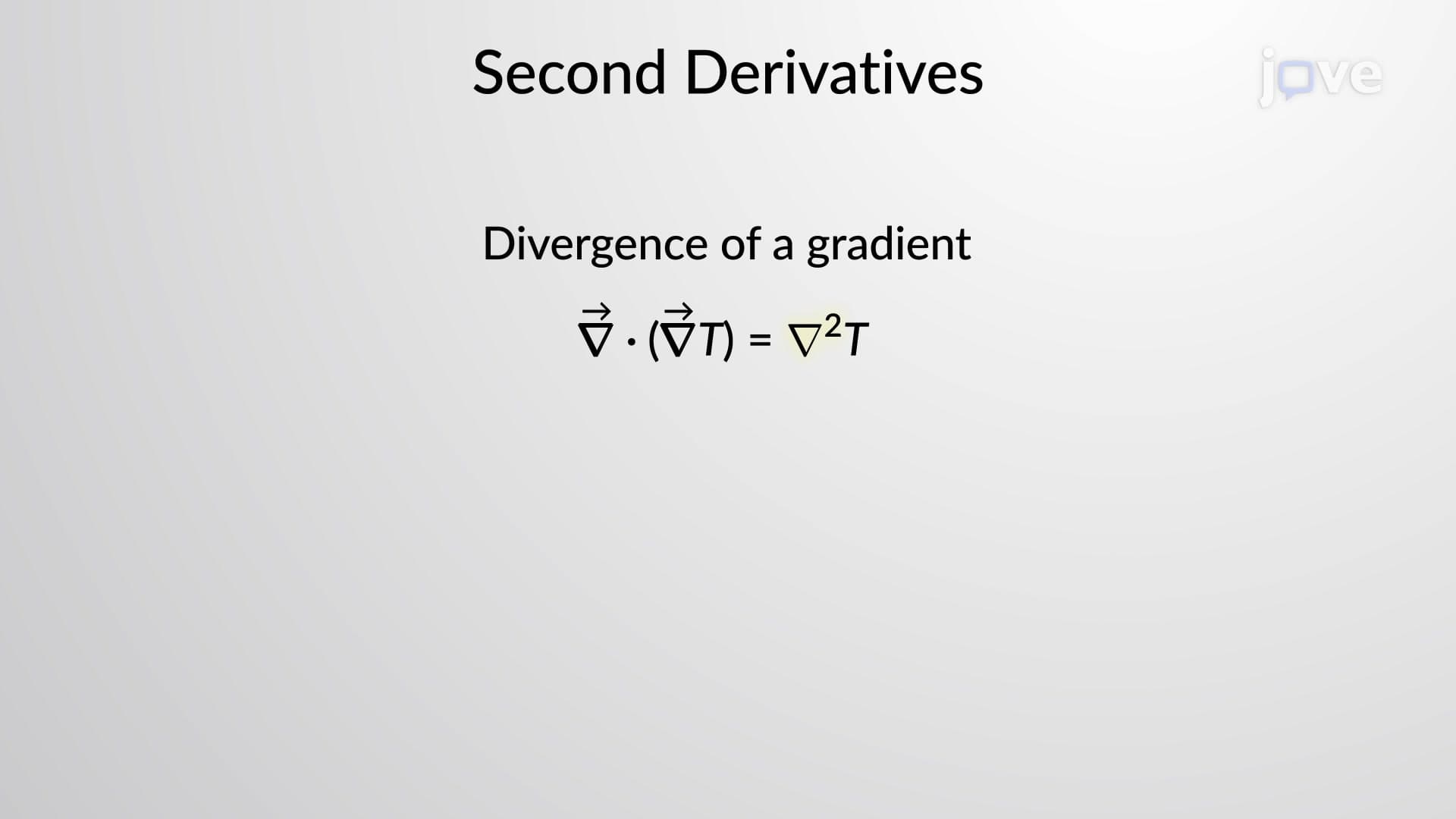
Progress to cross products (vector products) to understand three-dimensional vector relationships and applications in torque and magnetic fields. Then explore vector calculus topics like gradient, divergence, and curl, which build on dot product foundations and appear in advanced physics and engineering courses at the university level.
Related Micro-courses

14 Concepts
11 Concepts
16 Concepts