Loading subject page…

- Social Psychology
- Self Interaction
- Sources of Self-Esteem I: Family Experience
Micro-course: Self-Interaction
1,049 views
Learn key concepts and earn your certificate.






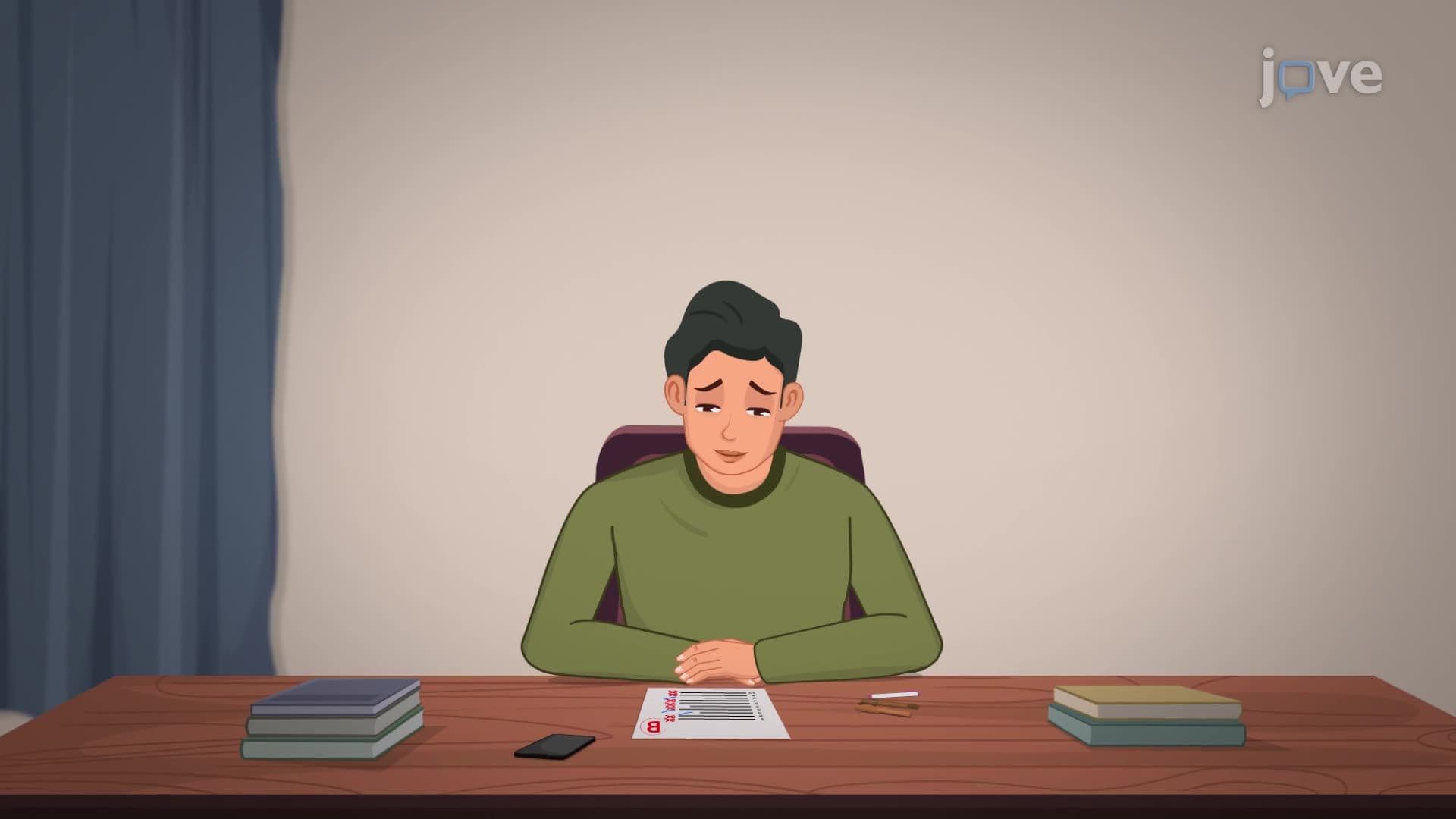






Sources of Self-Esteem I: Family Experience


00:00
01:18
Video Summary: Sources of Self Esteem I Explained
Did you know that American teenagers who receive consistent praise from parents score 23% higher on self-confidence measures than those who don't? The sources of self esteem i concept reveals how family dynamics, peer relationships, and gender differences shape our self-worth from childhood through adulthood. For instance, students at Lincoln High School in Chicago showed improved academic performance when teachers implemented autonomy-supportive feedback methods rather than controlling discipline. Understanding sources of self esteem i helps explain why some students thrive while others struggle with confidence. Watch the full video on JoVE Coach to master this concept with expert-led visuals and step-by-step explanations.
- Understand how sources of self esteem i development begins in family environments through specific parental behaviors and discipline approaches
- Identify the four key parental behaviors that research shows promote higher self-esteem: acceptance, clear limits, autonomy encouragement, and noncoercive discipline
- Analyze how adolescent self-esteem shifts from family influence to peer and social network feedback during teenage years
- Compare the impact of perceived versus actual peer approval on teenage self-worth and confidence levels
- Evaluate gender differences in self-esteem patterns from adolescence through early adulthood in American populations
- Apply knowledge of self-esteem sources to understand classroom dynamics and student behavior patterns
- Recognize how positive parent-child interactions create reinforcing cycles that further boost children's confidence
- Explore connections between self-esteem development and academic performance in US educational settings
Understanding Sources of Self Esteem I Through Family Foundations
The sources of self esteem i concept begins with recognizing that our sense of self-worth originates primarily in early family experiences. Research conducted across diverse American communities consistently shows that certain parental approaches create stronger foundations for lifelong confidence. When parents demonstrate genuine acceptance of their children while maintaining firm but fair boundaries, they establish the psychological safety necessary for healthy self-regard to flourish.
This foundation becomes particularly important for students preparing for standardized tests like the SAT or AP Psychology exams, where understanding developmental psychology concepts requires grasping how early relationships shape personality formation. The four research-backed parental behaviors-acceptance, clear limits, autonomy support, and noncoercive discipline-create what psychologists call "authoritative parenting," the gold standard for raising confident children.
Adolescent Self-Esteem Sources and Peer Influence
During the teenage years, sources of self esteem i expand beyond family to include peer relationships, teacher feedback, and increasingly, online social interactions. American high school students report that perceived peer approval carries more weight than actual peer opinions, explaining why social media platforms can significantly impact teenage self-worth. This shift represents a crucial developmental transition that educators and parents must understand.
For students taking college psychology courses or preparing for the MCAT, this concept connects to broader theories about identity formation and social development. Erik Erikson's stages of psychosocial development, commonly tested on AP Psychology exams, directly relate to how adolescents navigate the tension between maintaining family connections while establishing peer relationships.
Gender Patterns in Self-Esteem Development
Research from major US universities reveals interesting gender differences in self-esteem trajectories. While boys typically report slightly higher self-esteem during adolescence, this advantage disappears by early adulthood, suggesting that socialization factors influence confidence patterns differently for males and females. Understanding these patterns helps explain classroom dynamics and can inform teaching strategies.
This knowledge proves valuable for students pursuing careers in education, counseling, or healthcare fields where understanding diverse confidence patterns enhances professional effectiveness. NCLEX and HESI A2 exams often include questions about adolescent development that require understanding these gender-related patterns in self-esteem formation.
Frequently Asked Questions
Sources of self esteem i refer to the key factors that build our sense of self-worth, primarily through family relationships and later peer interactions. They matter because students with higher self-esteem perform better academically, show more resilience during challenges, and develop stronger social skills that benefit them throughout life.
These concepts commonly appear in developmental psychology sections of AP Psychology exams and college midterms. You might see multiple-choice questions about parenting styles, free-response questions connecting self-esteem to academic performance, or essays requiring you to analyze case studies about family dynamics and teenage confidence.
Absolutely. The MCAT's psychology and sociology sections frequently test knowledge of developmental concepts, including self-esteem formation. Understanding how family dynamics affect psychological development helps you analyze patient behavior patterns and demonstrates the psychological knowledge medical schools expect.
Consider programs like Positive Behavioral Interventions and Supports (PBIS) used in thousands of US schools. These programs apply self-esteem research by providing consistent expectations, celebrating student achievements, and offering choices within structured environments-directly implementing the four research-backed parental behaviors in educational settings.
Not at all. These concepts use everyday experiences most students recognize from their own families and schools. The research terminology might seem complex initially, but the underlying ideas about acceptance, boundaries, and peer influence are highly relatable and help students understand their own development.
Create connection maps linking the four parental behaviors to real examples from your life or observation. Practice explaining how self-esteem sources shift from family to peers during adolescence, and memorize the key research findings about gender differences for multiple-choice questions.
This pattern continues into college and workplace environments where people often overestimate how much others judge them. Understanding this concept helps explain social anxiety, workplace confidence issues, and why building genuine self-worth independent of others' opinions becomes crucial for long-term success.
Explore attachment theory, which explains how early relationships create lasting patterns in self-regard and social connections. Also study identity development theories, particularly James Marcia's identity statuses, which build on self-esteem concepts to explain how teenagers develop stable sense of self.
Related Micro-courses

6 Concepts

18 Concepts

25 Concepts