Loading video…


 13 Concepts
 1K views

Video Summary: Self Discrepancy and Its Effects Explained
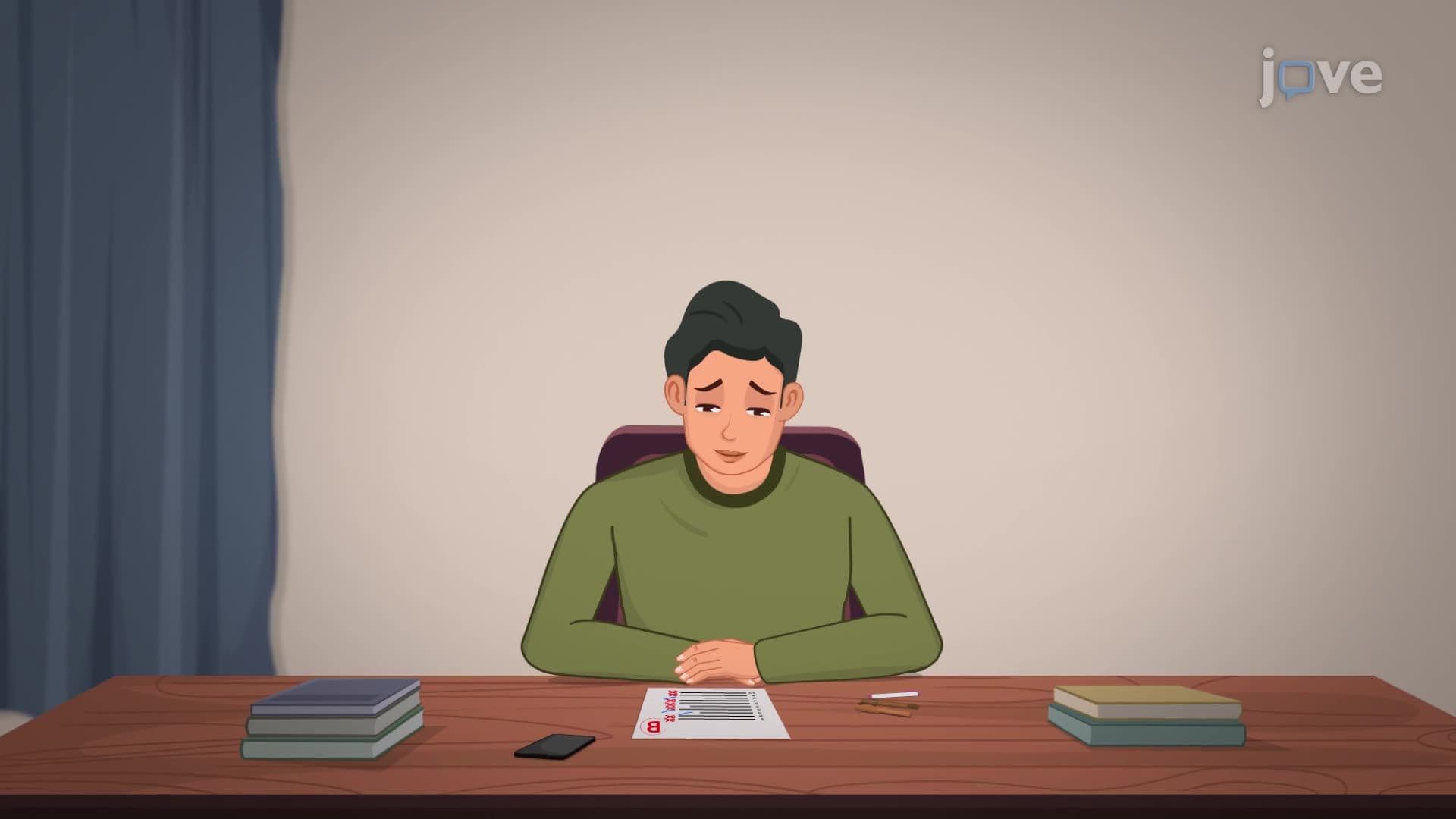
Why do college students at Stanford University who ace their exams still feel inadequate compared to their classmates? Self discrepancy and its effects explain this psychological phenomenon where the gap between who we are and who we think we should be creates emotional distress. This mismatch between our actual self, ideal self, and ought self can lead to depression, anxiety, and even serious behavioral issues like eating disorders. Understanding how these internal conflicts shape our mental health is crucial for psychology students and anyone interested in human behavior. Watch the full video on JoVE Coach to master this concept with expert-led visuals and step-by-step explanations.
Self-discrepancy theory, developed by psychologist E. Tory Higgins, provides a comprehensive framework for understanding how conflicts between different aspects of our self-concept influence emotions and behavior. This theory has become fundamental in social psychology and clinical applications, appearing frequently on AP Psychology exams and college psychology coursework.
The actual self represents our current self-perception-the traits, abilities, and characteristics we believe we currently possess. For example, a UCLA pre-med student might view their actual self as "hardworking but struggling with organic chemistry."
The ideal self encompasses our hopes, wishes, and aspirations-who we would like to become. This same student's ideal self might be "a confident physician who easily masters complex medical concepts."
The ought self reflects the attributes we believe we should possess to meet duties, responsibilities, and obligations. The student's ought self might include "someone who never disappoints their immigrant parents' sacrifices."
When our actual self falls short of our ideal self, we experience dejection-related emotions like disappointment, sadness, and depression. Research consistently shows that actual-ideal discrepancies predict depressive symptoms in college students, particularly during high-stress periods like finals week at universities across the United States.
Conversely, when our actual self doesn't align with our ought self, we experience agitation-related emotions including anxiety, fear, and guilt. Students preparing for the MCAT often exhibit this pattern when they feel they're not studying hard enough to meet family expectations.
Self-discrepancy theory has significant implications for understanding eating disorders. Research involving college students at institutions like Northwestern University has linked actual-ideal self discrepancies to bulimia nervosa, where individuals engage in binge-purge cycles attempting to bridge the gap between their current body image and their ideal physique.
In contrast, actual-ought self discrepancies correlate with anorexia nervosa, where restrictive eating behaviors stem from feeling obligated to maintain a certain appearance or weight to meet perceived social or family expectations.
Media influence amplifies these effects. Studies tracking college women's responses to thin-ideal media imagery show increased body dissatisfaction and depressive symptoms, particularly among those with pre-existing body image discrepancies.
Self-discrepancies aren't always negative-they can motivate positive change. Research on fathers involved in parenting programs shows that those with clear parenting goals (ideal selves as engaged fathers) were more likely to recognize discrepancies between their current behavior and their aspirations, leading to increased involvement in childcare activities.
Related Micro-courses