Loading subject page…

- Social Psychology
- Self Interaction
- Sources of Self-Esteem III: Social Comparison
Micro-course: Self-Interaction
1,049 views
Learn key concepts and earn your certificate.











Sources of Self-Esteem III: Social Comparison


00:00
01:27
Video Summary: Sources of Self Esteem Iii Explained
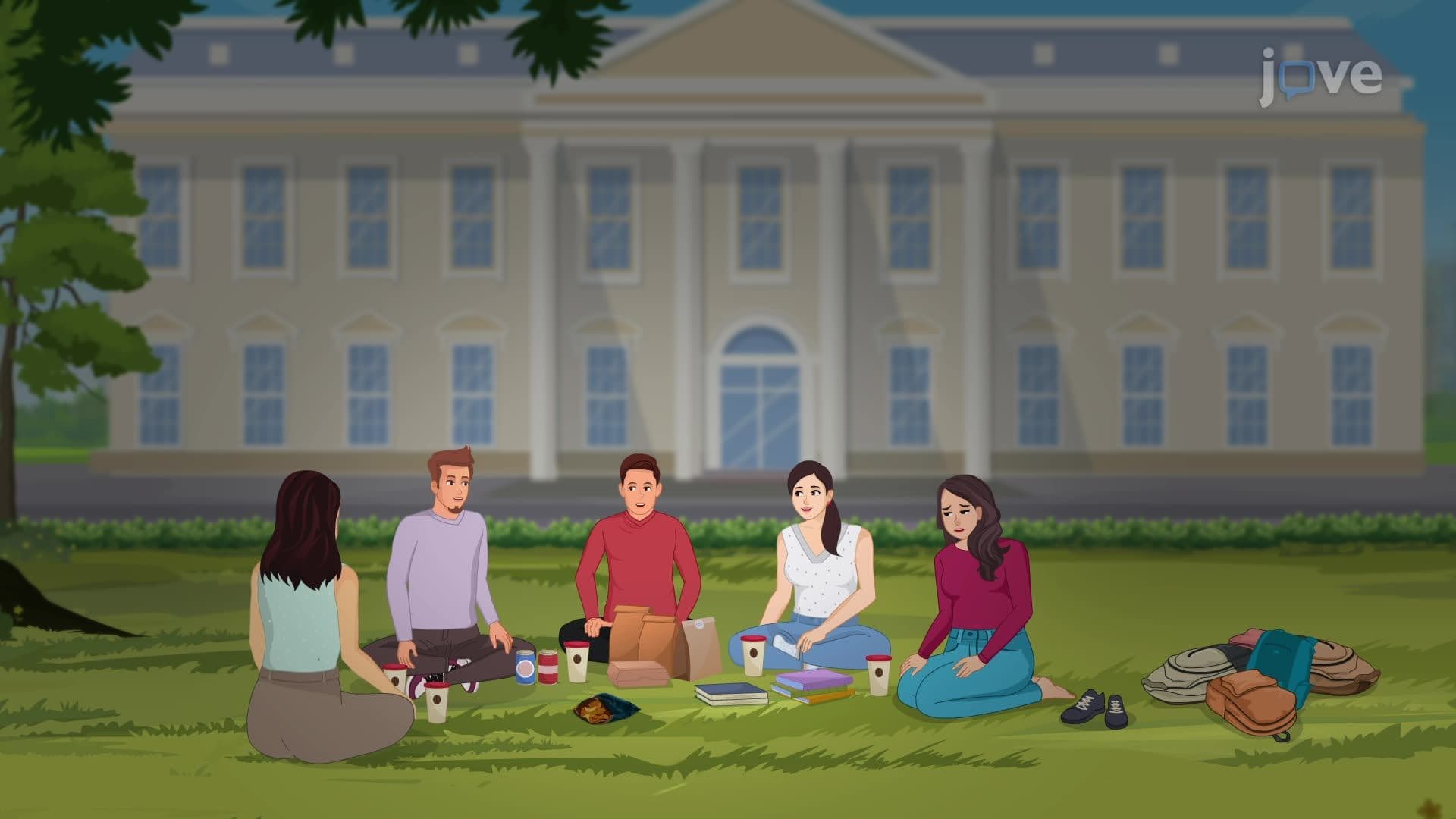
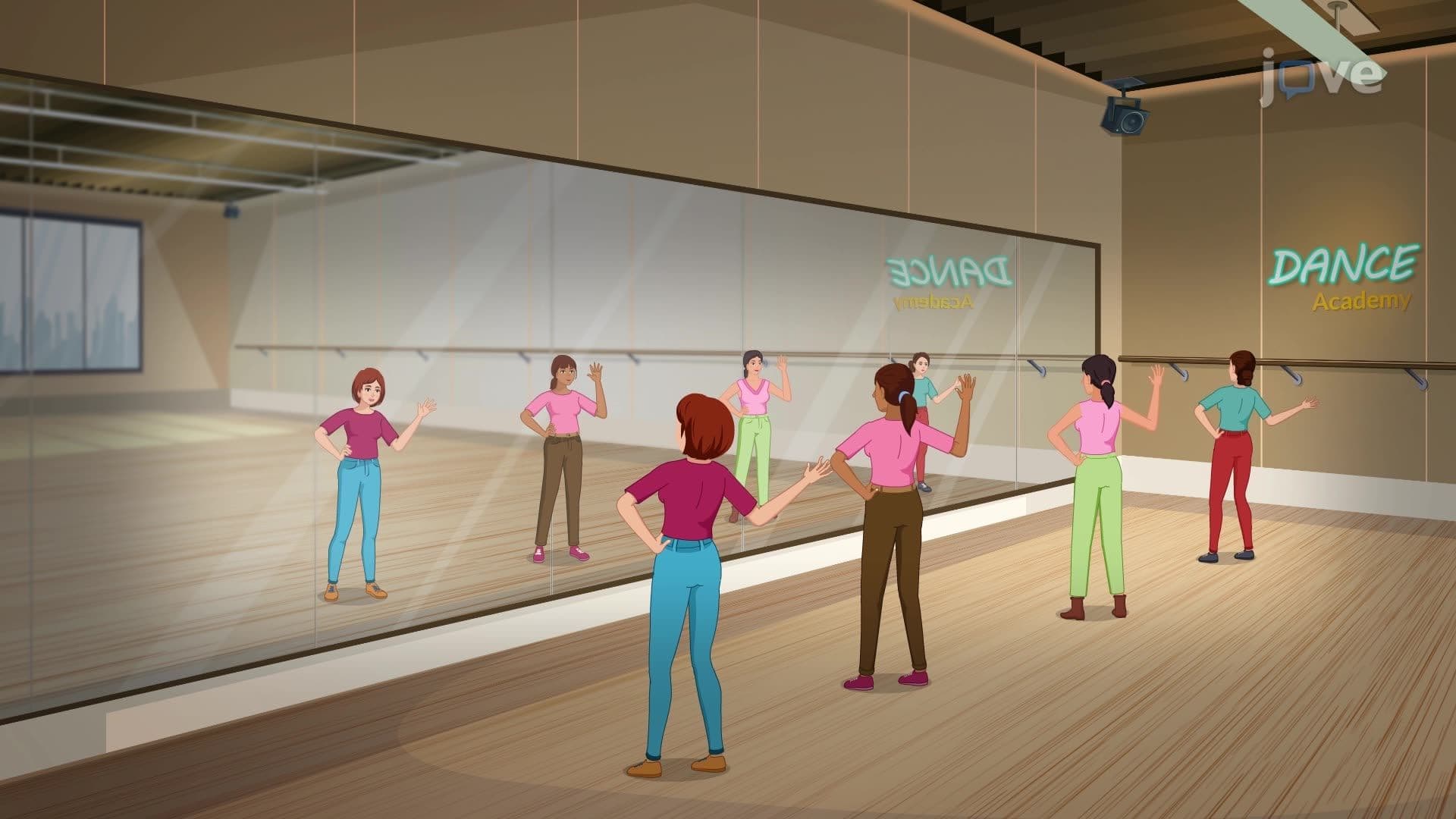
Why do some Stanford students feel less confident after earning a B+ while community college students celebrate the same grade? Sources of Self Esteem III reveals how social comparison fundamentally shapes our self-worth through constant evaluation against peers and personal expectations. A UCLA student's confidence might soar or plummet based entirely on whether their roommates scored higher or lower on the MCAT. Watch the full video on JoVE Coach to master this concept with expert-led visuals and step-by-step explanations.
- Understand how Sources of Self Esteem III demonstrates the role of social comparison in shaping individual self-worth and confidence levels
- Identify the key factors that influence upward and downward social comparisons in academic and professional settings
- Analyze how peer group composition affects self-esteem outcomes in educational environments like high schools and colleges
- Compare the impact of homogeneous versus heterogeneous social groups on individual psychological well-being
- Evaluate how cultural background and neighborhood demographics influence self-esteem development patterns
- Apply social comparison theory to predict self-esteem changes in various academic and social contexts
- Recognize the difference between personal goal-based evaluation and peer-comparison-based assessment of performance
- Explore real-world implications of social comparison processes for academic motivation and career satisfaction
Understanding Sources of Self Esteem III: The Social Comparison Framework
Sources of Self Esteem III centers on social comparison theory, a foundational concept in psychology that explains how individuals evaluate their abilities, opinions, and achievements. Unlike the first two sources of self-esteem (competence and social acceptance), this third source focuses specifically on comparative evaluation processes that occur within social contexts.
Social comparison operates through two primary mechanisms: temporal comparison (comparing current self to past self) and social comparison (comparing self to others). Research consistently shows that the reference group significantly impacts self-evaluation outcomes. For example, a student earning a 1200 on the SAT might feel accomplished at a school where the average is 1000, but discouraged at a prep school where 1400+ scores are common.
Academic Performance and Reference Group Effects
The "big fish, little pond" effect demonstrates how academic self-concept depends heavily on peer comparison rather than absolute performance. Students with identical GPAs report vastly different confidence levels depending on their school's academic profile. A 3.5 GPA student at a competitive high school like Stuyvesant in New York might experience lower academic self-esteem than a 3.5 student at a less competitive school, despite identical objective performance.
This phenomenon extends to standardized testing contexts. MCAT scores provide a clear example: a 510 score (80th percentile) might boost confidence for a student whose study group averaged 505, while deflating confidence for someone whose peers averaged 515. Understanding this dynamic helps explain why some high-achieving students struggle with impostor syndrome in competitive environments.
Cultural and Demographic Influences on Self-Esteem
Sources of Self Esteem III emphasizes how demographic similarity within peer groups enhances self-esteem through reduced comparison stress and increased social support. Research from California State University systems demonstrates that underrepresented minority students show improved academic confidence and persistence when enrolled in institutions with higher diversity rates.
The cultural component extends beyond academic settings into professional environments. Healthcare professionals from minority backgrounds report higher job satisfaction and professional confidence when working in diverse medical centers compared to predominantly homogeneous institutions. This pattern appears consistently across various professional fields, from education to technology.
Practical Applications for Students and Educators
Understanding social comparison processes proves essential for AP Psychology students studying social cognition units and college students in Introduction to Psychology courses. The concept frequently appears on exams through scenario-based questions asking students to predict self-esteem changes given different peer group compositions.
For practical application, students can leverage this knowledge by strategically choosing study groups and academic environments that balance challenge with support. Rather than avoiding all upward comparisons, effective students learn to use them motivationally while maintaining realistic self-expectations based on personal growth rather than purely comparative metrics.
Frequently Asked Questions
Sources of Self Esteem III focuses specifically on social comparison processes where individuals evaluate themselves relative to others or personal standards. Unlike competence-based or acceptance-based self-esteem, this source depends entirely on comparative evaluation within social contexts. It explains why identical achievements can produce different self-esteem outcomes depending on peer group performance and individual expectations.
AP Psychology frequently tests this concept through free-response questions involving scenario analysis of student performance in different school settings. Students must identify social comparison processes and predict self-esteem changes when peer groups or reference standards shift. Multiple-choice questions often present performance scenarios requiring application of upward/downward comparison principles to predict psychological outcomes.
Absolutely - social comparison theory represents a high-yield topic for MCAT Psychological, Social, and Biological Foundations sections. The exam frequently presents research scenarios requiring analysis of self-concept formation in various demographic contexts. Understanding reference group effects and cultural influences on self-esteem provides essential knowledge for interpreting psychology and sociology research passages accurately.
Consider two students with 3.8 GPAs applying to University of California schools. Student A attends a competitive private school where the average GPA is 3.9, while Student B attends a public school averaging 3.2. Despite identical grades, Student A might experience admission anxiety due to downward comparison within their peer group, while Student B feels confident due to upward standing among classmates.
Not at all - most students intuitively understand social comparison from personal experience with grades, sports, and social media. The academic framework simply provides scientific terminology for familiar psychological processes. Students who've experienced different confidence levels in various classes or activities already understand the core concept experientially.
Focus on memorizing key terms like "upward comparison," "downward comparison," and "reference group effects" while practicing scenario analysis. Create flashcards linking specific situations to predicted self-esteem outcomes. Practice explaining how changing peer group composition would affect individual confidence levels in academic, athletic, or professional contexts.
Progress to related social psychology topics including social identity theory, in-group/out-group dynamics, and stereotype threat. These concepts build naturally on social comparison foundations. Also explore cognitive dissonance theory and attribution theory, which help explain how individuals process comparative evaluation outcomes psychologically.
Social media amplifies social comparison processes by expanding reference groups beyond immediate peers to include global networks. Instagram and TikTok create constant opportunities for upward social comparison, often leading to decreased self-esteem among adolescents and young adults. Understanding these mechanisms helps students recognize and manage digital comparison effects on their psychological well-being.
Related Micro-courses

6 Concepts

18 Concepts

25 Concepts