Loading subject page…


1,745 views


Video Summary: Channels of Non Verbal Communication Explained
Did you know that over 90% of emotional communication happens without words? The channels of non verbal communication include facial expressions, eye contact, body language, and touch-skills crucial for success in everything from job interviews to classroom presentations. Consider how a firm handshake and direct eye contact can make or break a college admissions interview at Harvard or UCLA. Understanding these communication channels helps decode the unspoken messages we send and receive daily. Watch the full video on JoVE Coach to master this concept with expert-led visuals and step-by-step explanations.
The channels of non verbal communication form the foundation of human interaction, often conveying more information than spoken words. Research from UCLA and other leading institutions demonstrates that nonverbal cues account for approximately 55% of all communication, making these channels essential for academic success, professional development, and social competence. Students preparing for psychology AP exams or college communications courses must master these concepts to excel in both theoretical understanding and practical application.
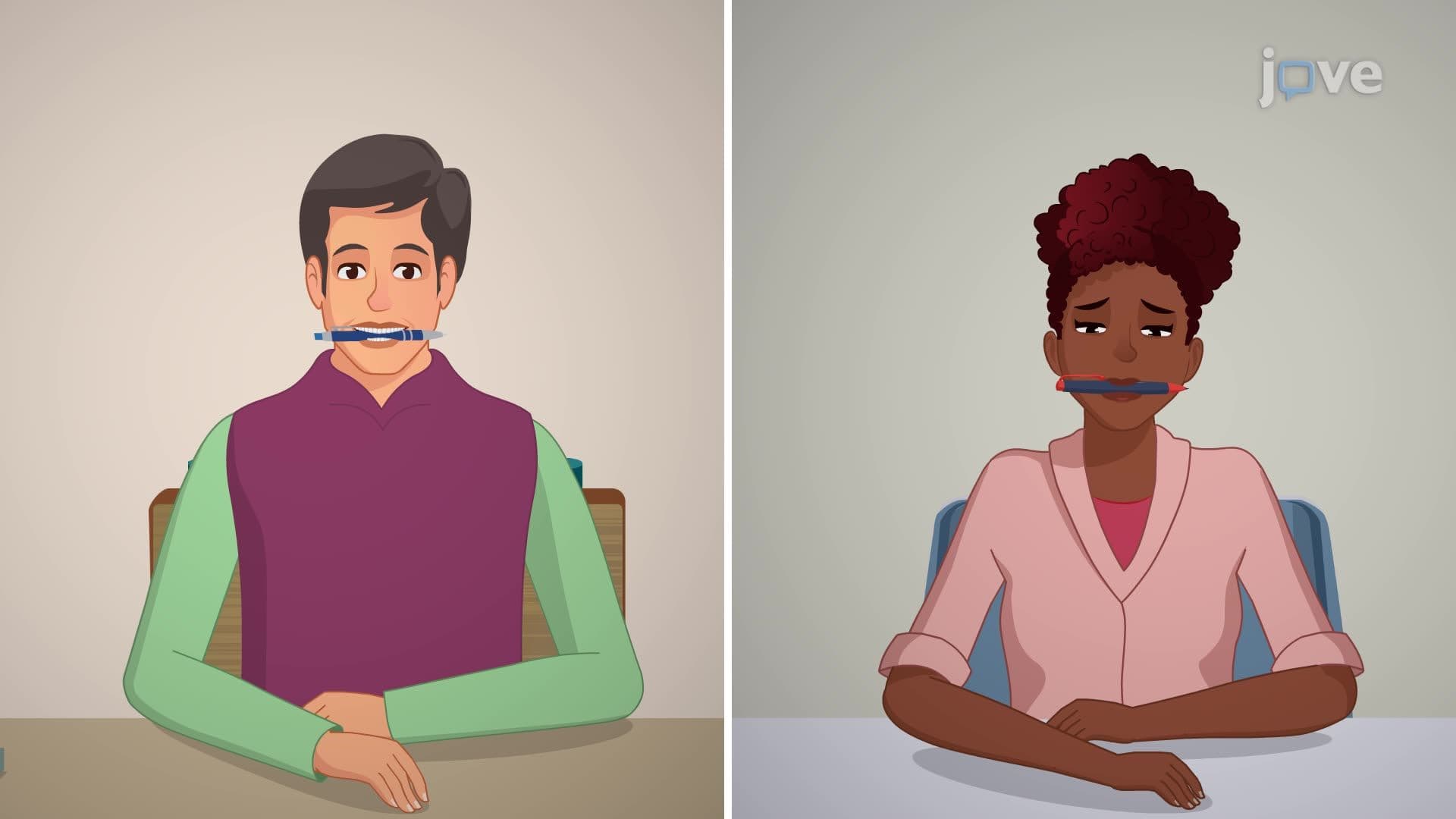
Facial expressions represent the most studied channel of nonverbal communication. Paul Ekman's groundbreaking research at UC San Francisco identified five universal emotions-anger, fear, happiness, sadness, and disgust-that transcend cultural boundaries. However, cultural display rules significantly influence when and how these expressions appear. In American business culture, maintaining a pleasant expression during networking events signals approachability, while in academic settings, concentrated facial expressions during lectures demonstrate engagement. Students encountering these concepts on the MCAT or psychology coursework should note that happiness remains the most accurately recognized emotion across all demographic groups.
Eye contact serves multiple communicative functions, from establishing rapport to signaling dominance. Research from Stanford University reveals that appropriate eye contact duration varies by context-typically 3-5 seconds in professional American settings. During college presentations, maintaining eye contact with audience members for brief intervals creates connection without appearing aggressive. Conversely, avoiding eye contact may signal discomfort, dishonesty, or cultural deference. Students studying for communications exams should understand that prolonged staring (over 10 seconds) typically triggers discomfort responses.
Body language encompasses posture, gestures, and spatial behavior. Confident posture-shoulders back, upright stance-correlates with leadership perception in American academic and professional environments. During college interviews or group projects, open gestures (uncrossed arms, visible hands) signal receptiveness. However, cultural awareness remains crucial: while thumbs-up gestures indicate approval in most American contexts, students from diverse backgrounds may interpret gestures differently. Touch communication, from handshakes to supportive pats, requires careful consideration of appropriateness, professional boundaries, and individual comfort levels.
Related Micro-courses