Loading subject page…

1,742 views

Video Summary: What are Implicit Personality Theories
Ever wonder why assuming someone is "cold" makes you think they're also unfriendly and stingy? Implicit personality theories explain how our minds automatically connect certain traits together, shaping first impressions in seconds. Research shows that simply describing a Stanford professor as "warm" versus "cold" dramatically changed how students perceived his entire personality during lectures. Understanding what are implicit personality theories reveals the hidden mental shortcuts that guide our daily social judgments. Watch the full video on JoVE Coach to master this concept with expert-led visuals and step-by-step explanations.
Implicit personality theories represent the organized belief systems we use to understand how personality traits connect and cluster together. These cognitive frameworks operate automatically, allowing us to make rapid inferences about others based on limited information. When we observe one trait in a person, our implicit theories trigger assumptions about what other characteristics they likely possess.
The classic warm-cold studies demonstrate how powerful these implicit theories can be. When MIT students received identical descriptions of a guest lecturer, with only the word "warm" or "cold" differing, their entire perception shifted dramatically. Students who read "warm" expected someone friendly, humorous, and generous, while those who read "cold" anticipated an unfriendly, humorless person. This effect extended beyond expectations-it actually changed how students interpreted the lecturer's behavior during class, showing that implicit personality theories don't just shape predictions but also influence ongoing social perception.
Research using factor analysis has revealed that people organize personality traits along two fundamental dimensions. The social dimension captures traits related to interpersonal warmth, kindness, and sociability, while the intellectual dimension encompasses competence, intelligence, and capability. This two-dimensional model appears remarkably consistent across cultures, suggesting universal patterns in how humans categorize personality characteristics.
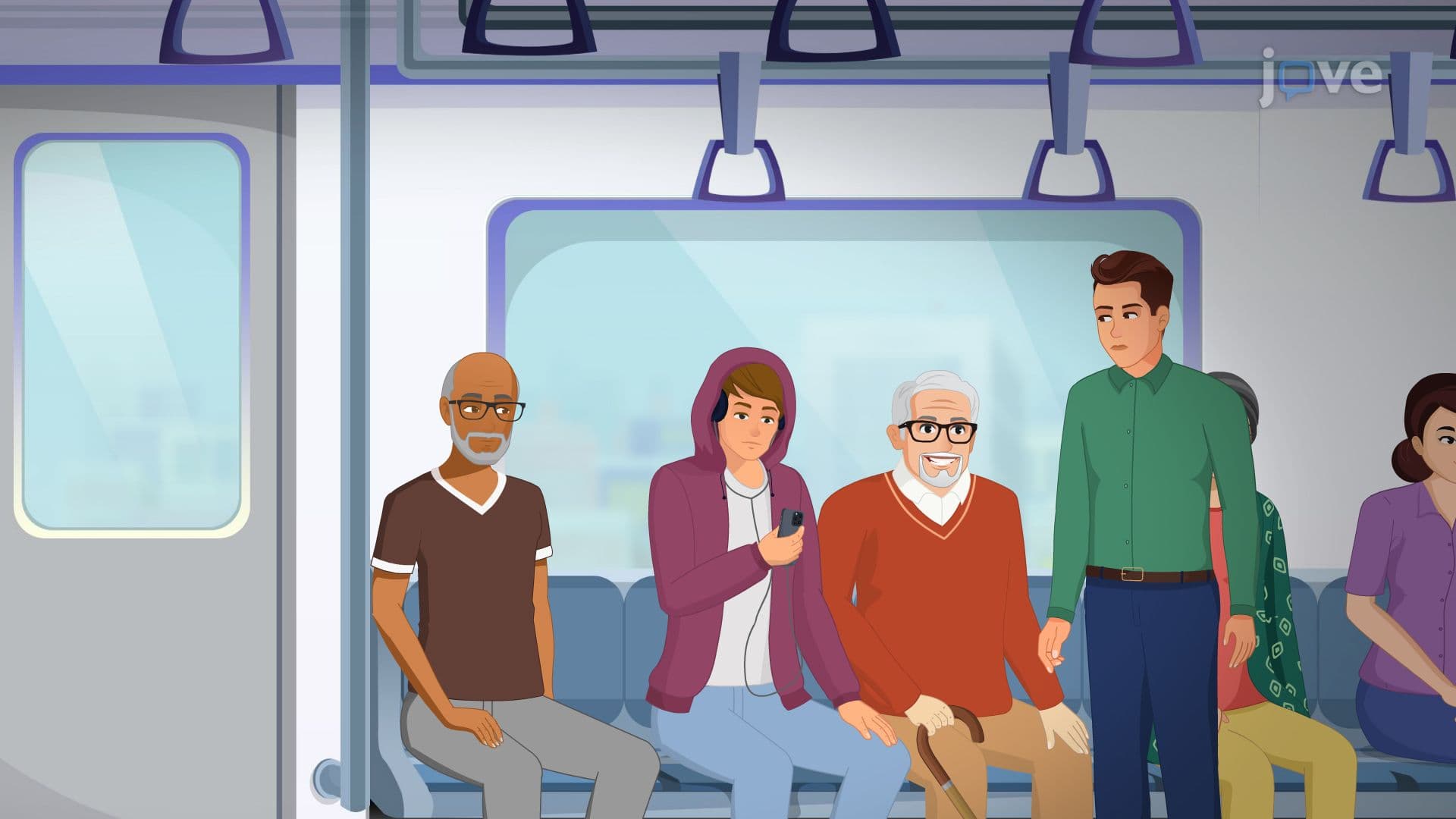
The stereotype content model refines this framework by identifying warmth and competence as the core dimensions people use to evaluate others. This model has profound implications for understanding social bias-groups perceived as high in warmth but low in competence (like elderly people) evoke paternalistic prejudice, while those seen as competent but cold (like wealthy professionals) may trigger envious prejudice.
These concepts frequently appear on AP Psychology exams, particularly in social psychology units covering person perception and stereotyping. College students encounter implicit personality theories in Introduction to Psychology, Social Psychology, and Research Methods courses. Understanding these theories helps explain phenomena ranging from hiring bias to political candidate evaluation.
In healthcare settings, implicit personality theories affect patient-provider relationships-research shows that perceived warmth in physicians correlates with patient satisfaction and treatment adherence. Similarly, in educational contexts, teacher expectations shaped by implicit theories can create self-fulfilling prophecies affecting student performance.
For exam preparation, focus on distinguishing implicit personality theories from explicit beliefs, understanding the methodology behind warm-cold studies, and recognizing how dimensional models organize trait perceptions. Practice applying these concepts to scenarios involving first impressions, stereotyping, and social judgment.
Related Micro-courses