Loading subject page…

1,745 views

Video Summary: What Is Correspondence Bias
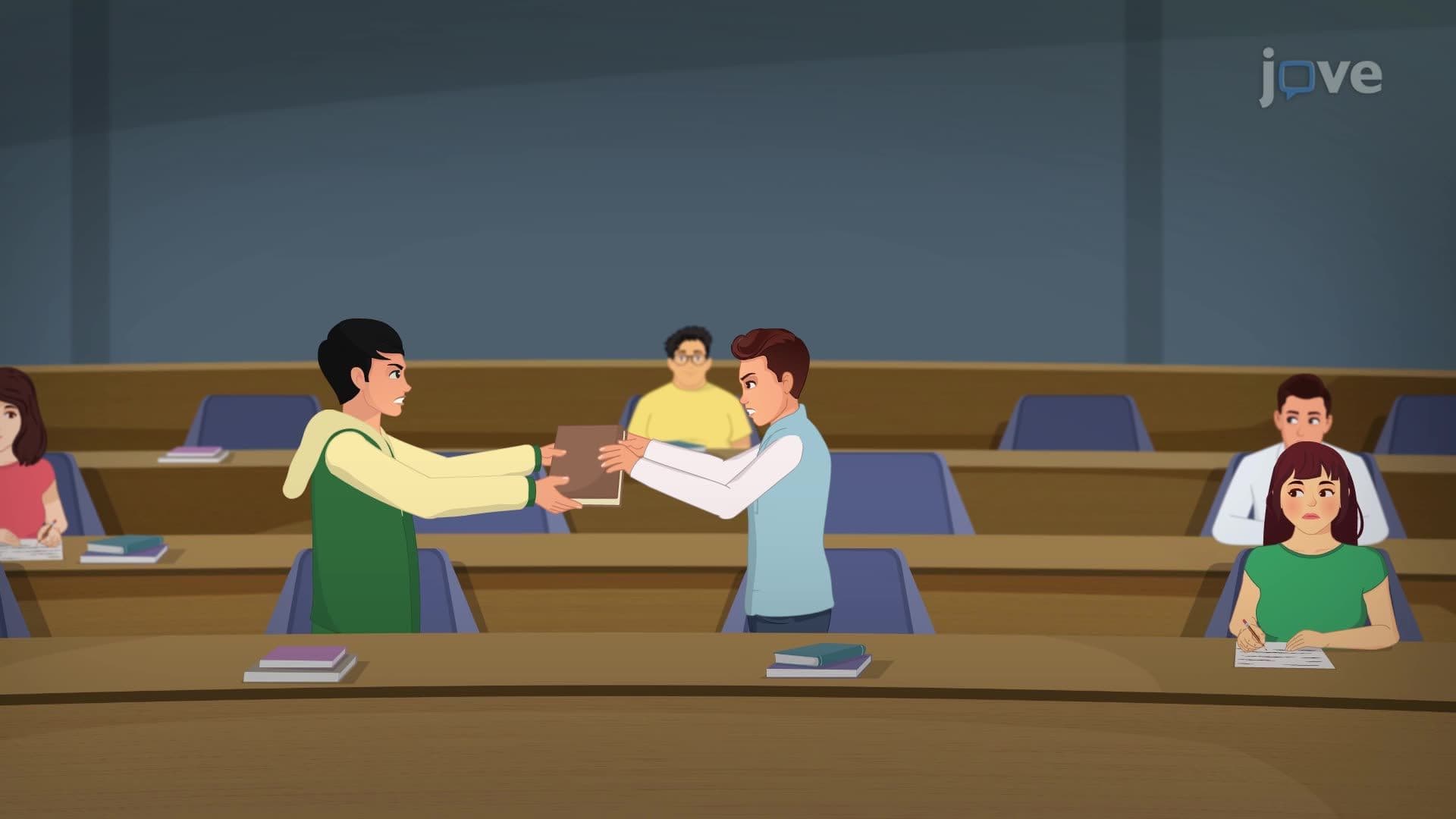
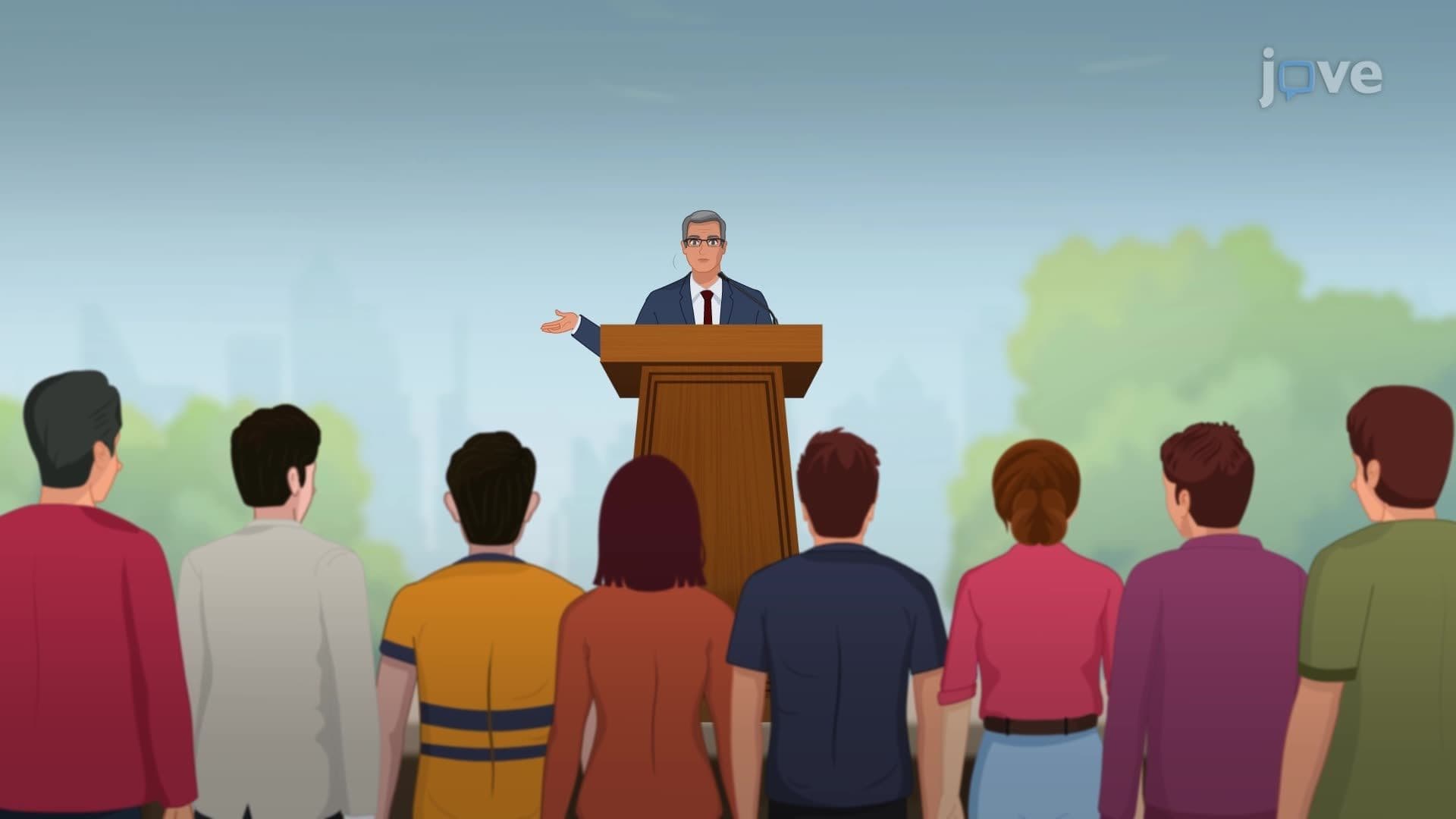
Ever wonder why Americans quickly label a rude customer service representative as "just a mean person" rather than considering they might be having the worst day of their career? Correspondence bias drives this snap judgment, causing us to attribute others' behaviors to personality rather than circumstances. When college students read essays supporting controversial policies, they assumed the writers truly believed those positions-even knowing the writers were assigned their stance. What is Correspondence Bias reveals how this psychological phenomenon shapes our daily interactions and decision-making. Watch the full video on JoVE Coach to master this concept with expert-led visuals and step-by-step explanations.
Correspondence bias represents one of social psychology's most robust findings: our systematic tendency to overestimate personality factors and underestimate situational influences when explaining others' behavior. Also termed the fundamental attribution error, this cognitive bias affects everyone from high school students evaluating classmates to hiring managers assessing job candidates.
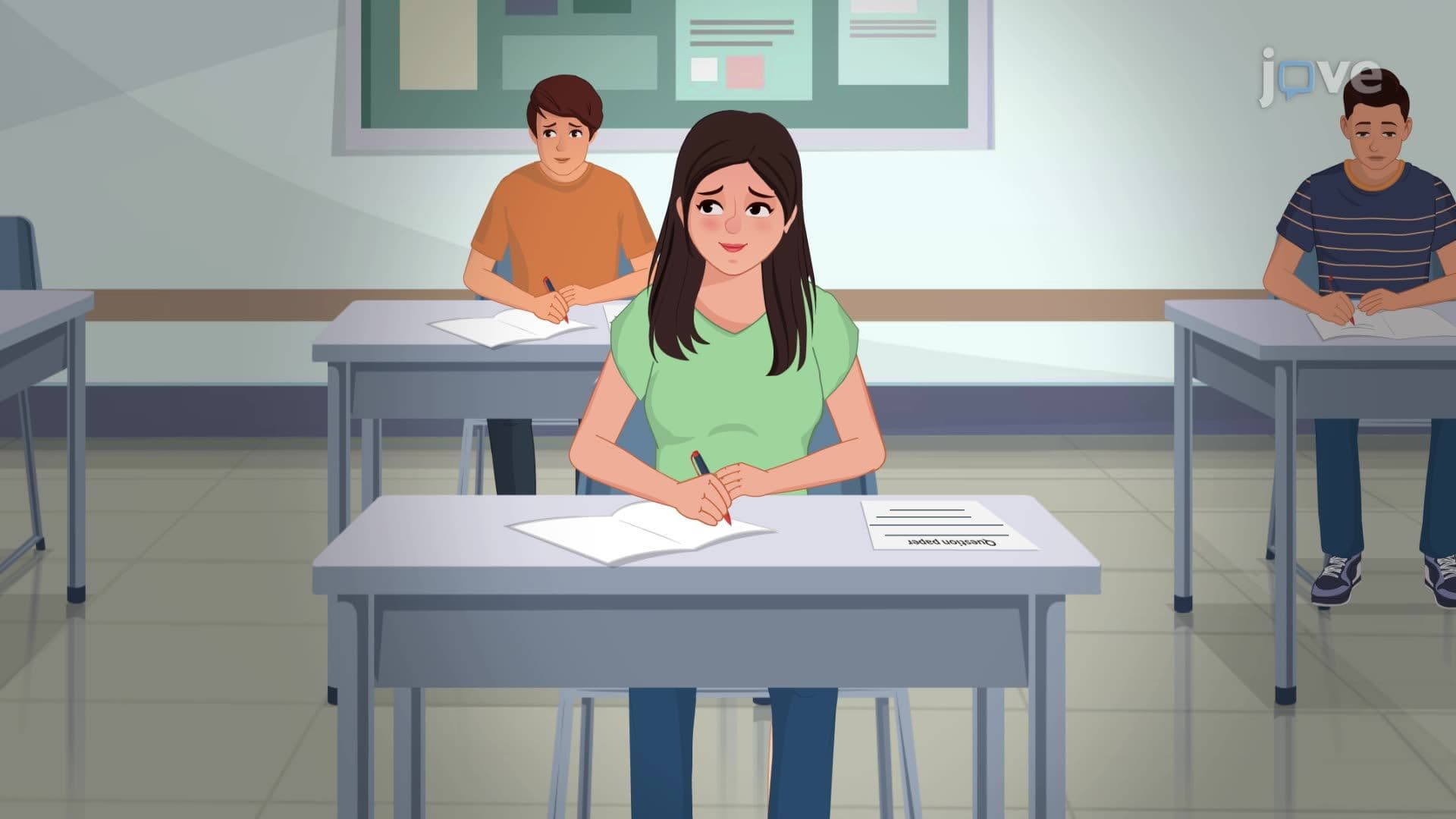
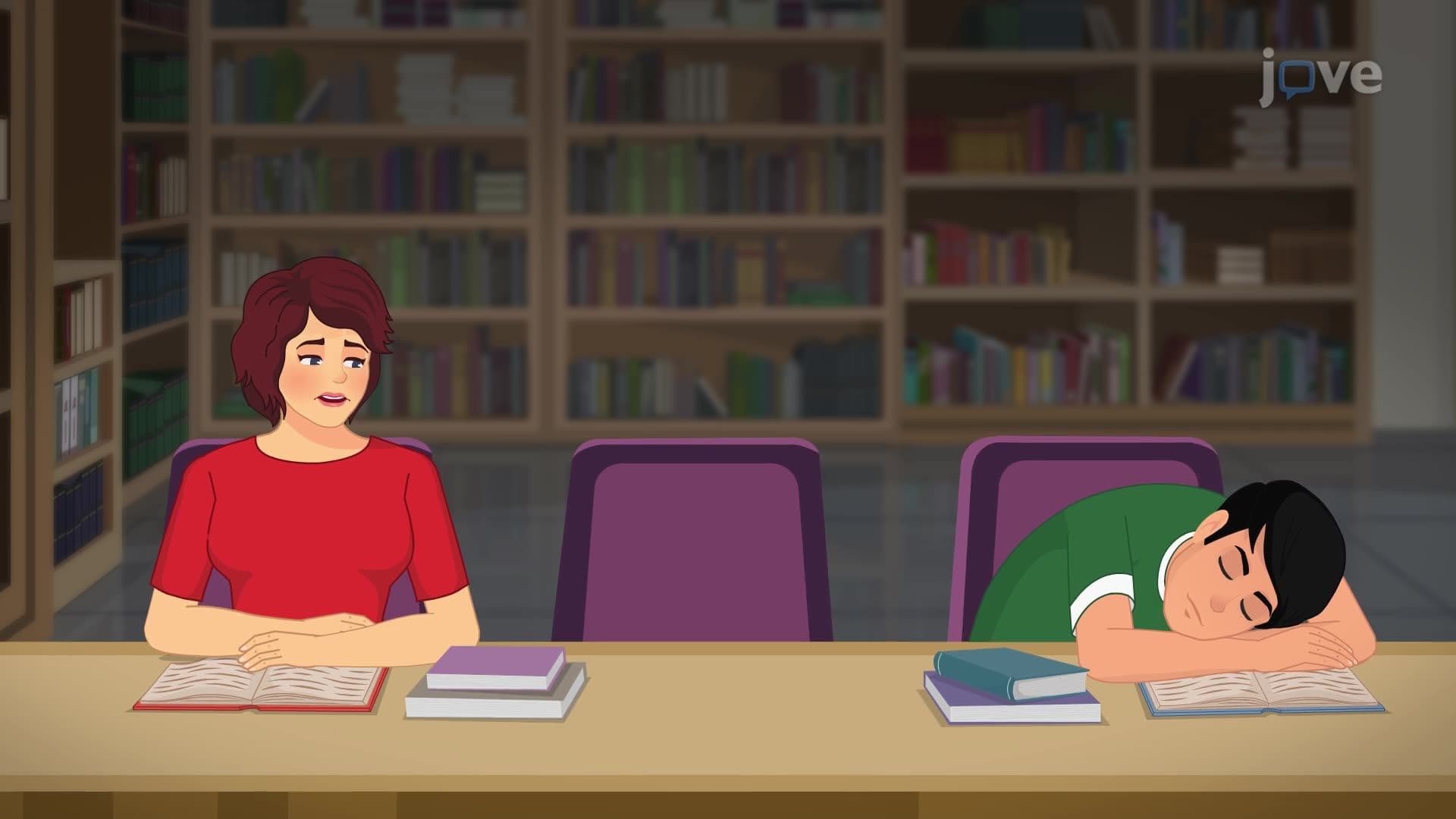
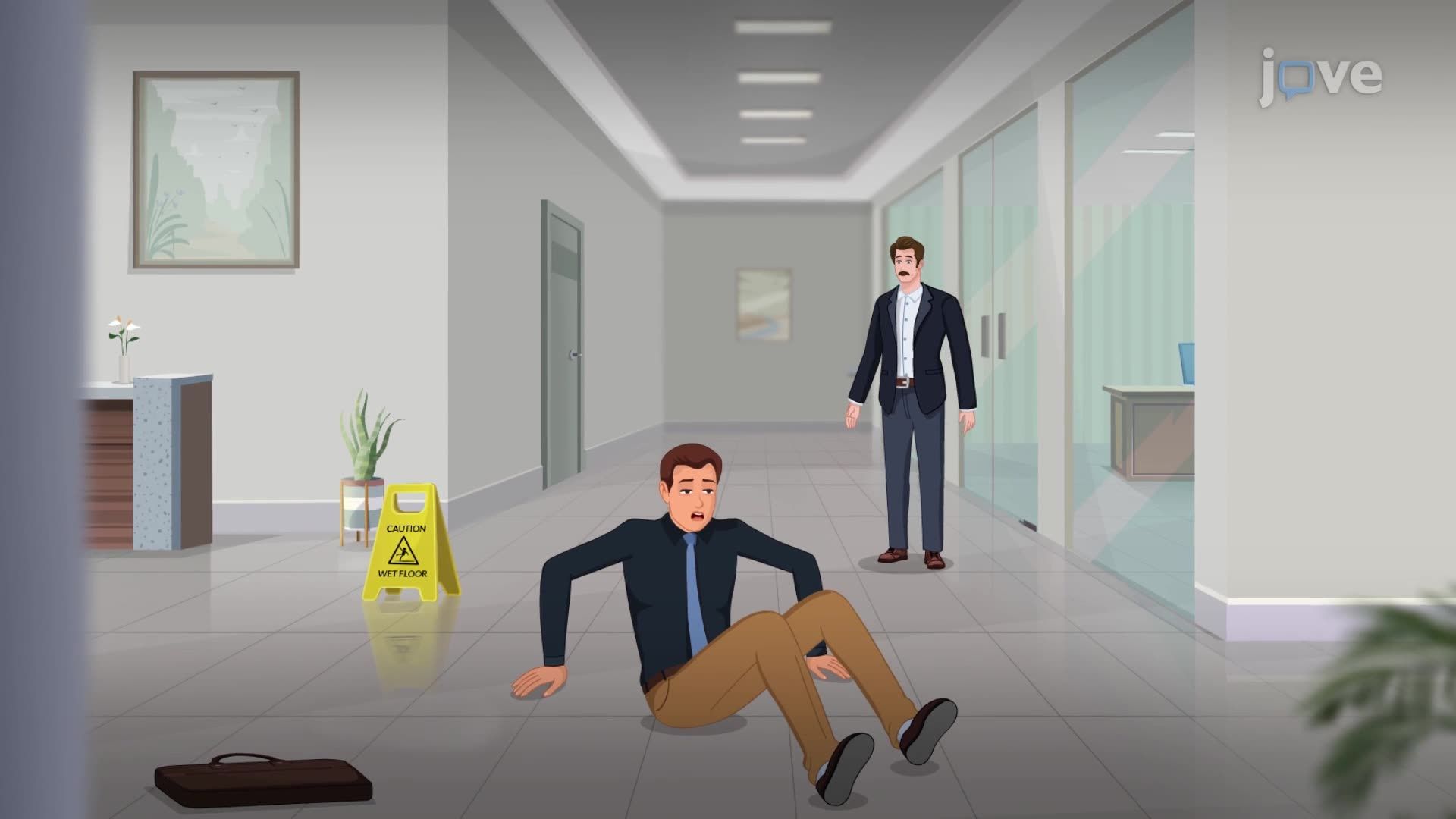
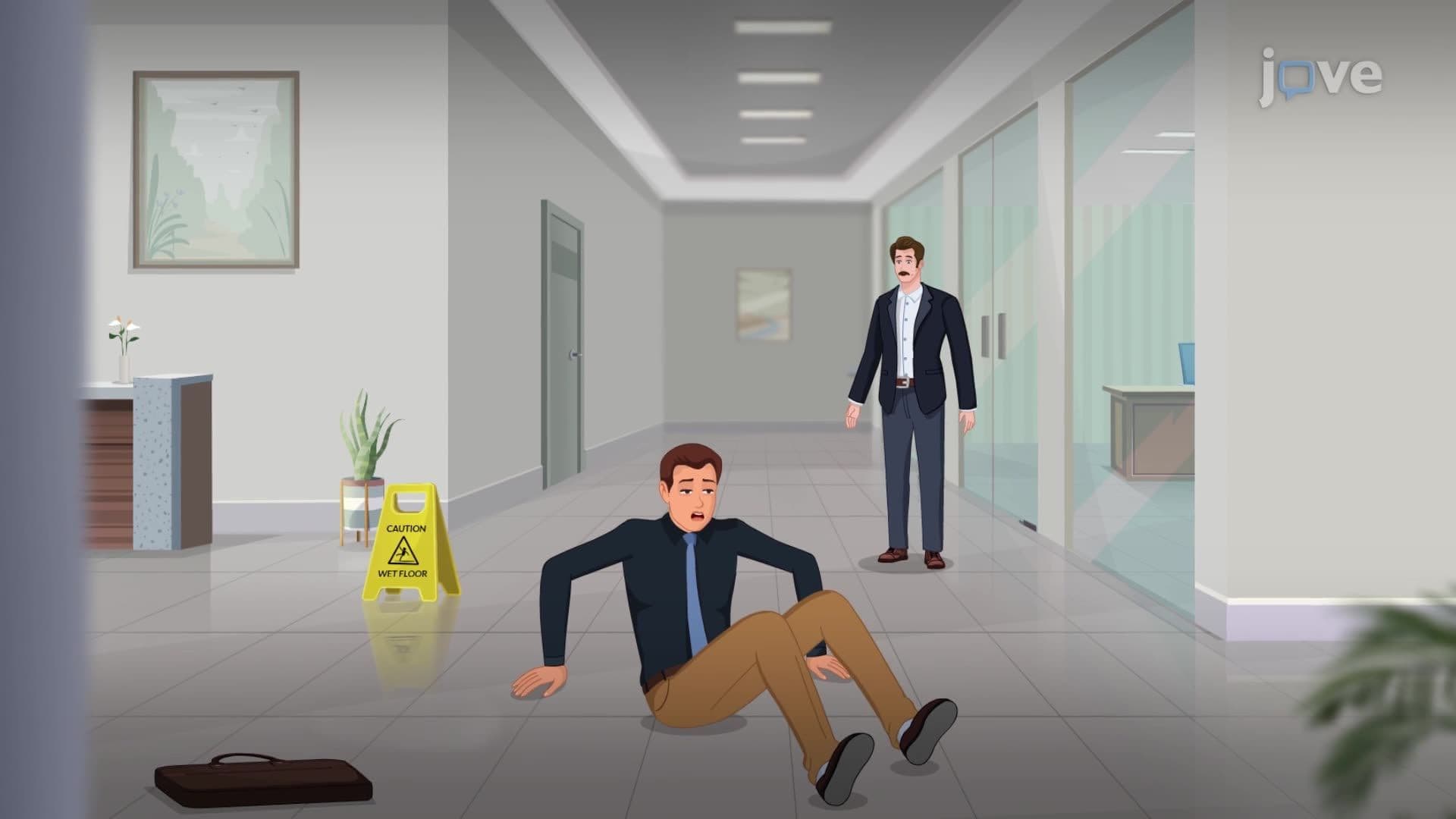
Research demonstrates that correspondence bias follows a predictable two-stage process. Initially, our brains make rapid, automatic personality-based attributions about others' actions. A student arriving late to class gets labeled "irresponsible" before we consider traffic jams or family emergencies. The second stage involves effortful correction for situational factors-but this adjustment often proves insufficient to overcome our initial personality-focused judgment.
This bias emerges because human attention naturally focuses on the most salient element: the person acting. We literally see the individual more clearly than their surrounding context, creating a perceptual spotlight that emphasizes personality over circumstances. Meanwhile, when explaining our own behavior, we have intimate access to our situational pressures and constraints, leading to the actor-observer bias.
American students demonstrate stronger correspondence bias than peers from East Asian cultures like Japan or China. Individualistic societies emphasize personal responsibility and character, while collectivist cultures recognize situational influences and social pressures. This cultural difference appears in everything from criminal justice attitudes to workplace performance evaluations.
Understanding correspondence bias proves essential for AP Psychology students tackling social cognition units and college undergraduates studying attribution theory. The MCAT frequently tests this concept through scenarios involving medical professionals making patient assessments. Similarly, business students encounter correspondence bias in organizational behavior courses, learning how it affects hiring decisions and performance reviews.
For exam success, remember the key distinction: we judge others by their character but explain our own actions through circumstances. Practice identifying this pattern in multiple-choice scenarios where someone draws personality conclusions about others' behavior while overlooking obvious situational factors.
Related Micro-courses