Loading subject page…

- Social Psychology
- Social Perception
- Introducing Social Perception
Micro-course: Social Perception
1,741 views
Learn key concepts and earn your certificate.



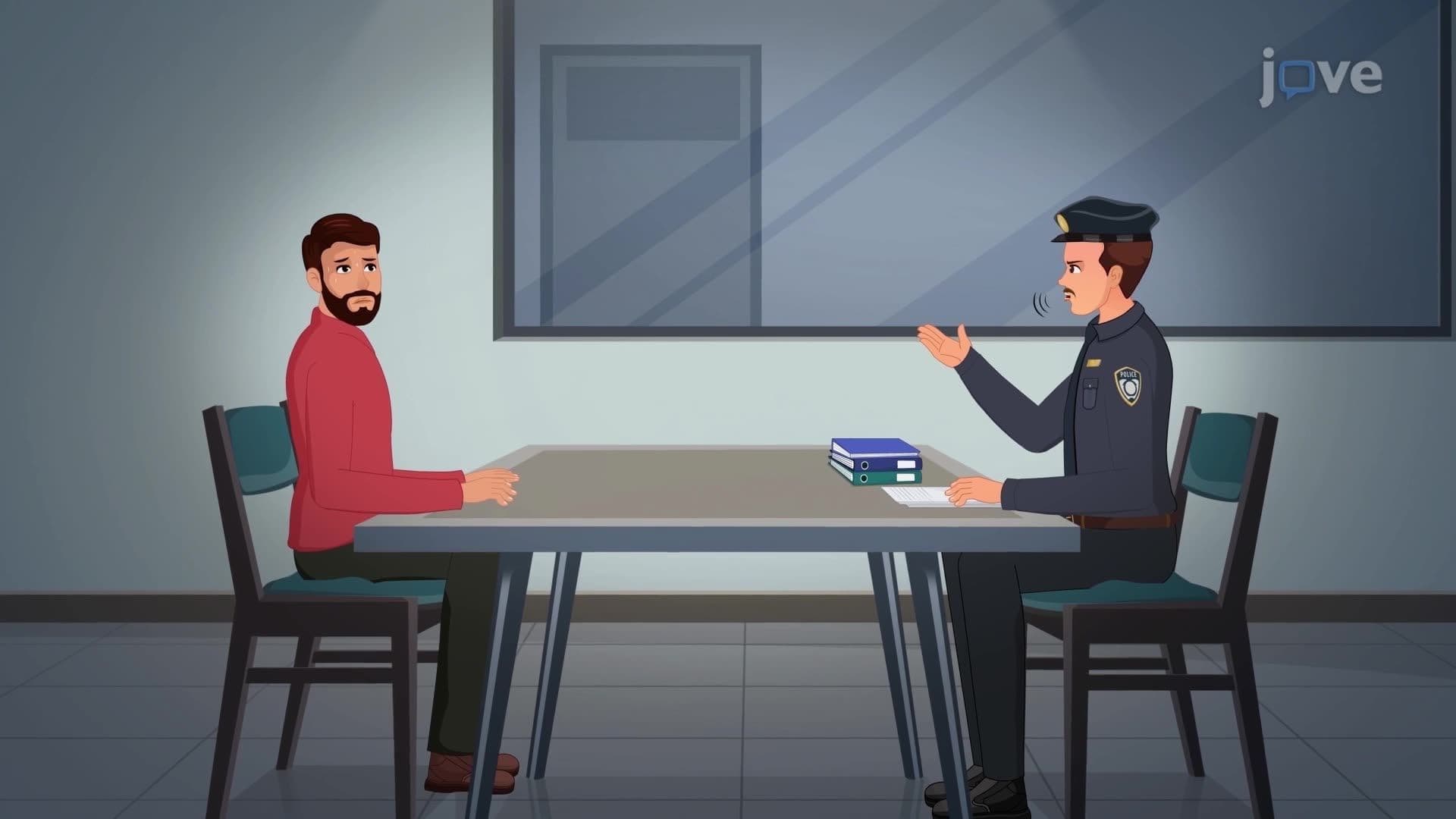




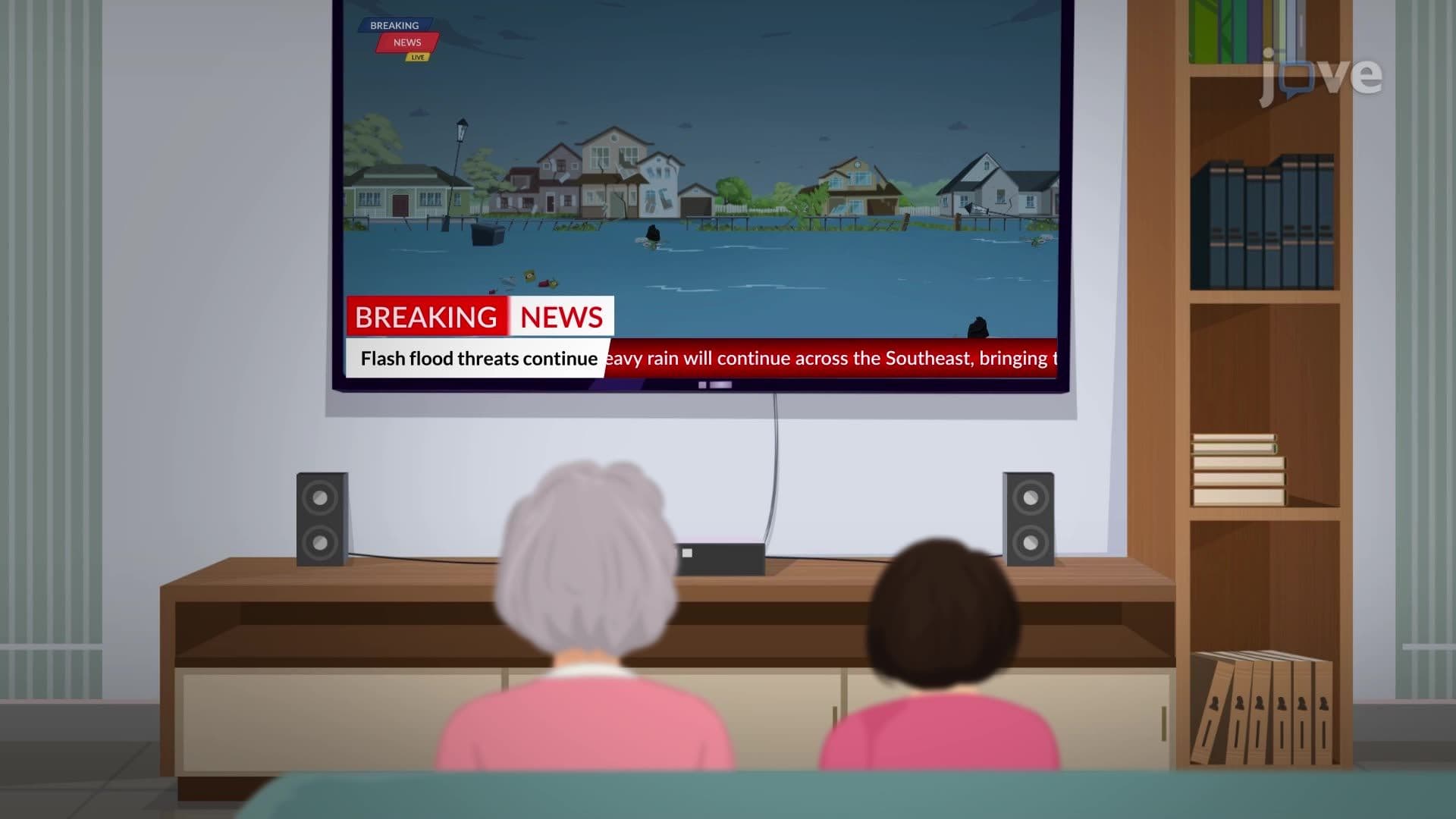




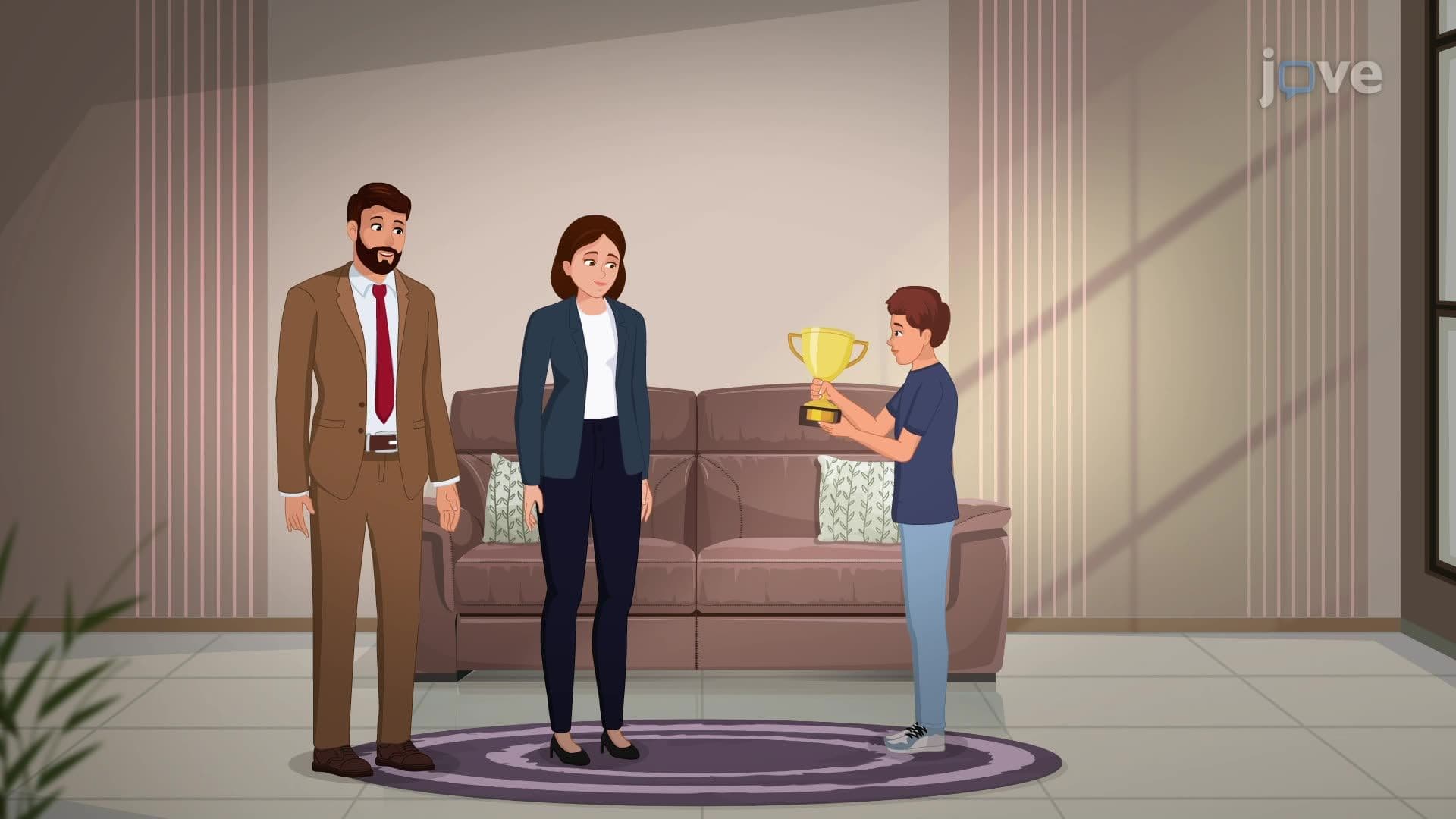




Introducing Social Perception


00:00
01:29
Video Summary: What Is Introducing Social Perception
Did you know that it takes just seven seconds to form a first impression of someone? Introducing social perception is the fascinating process of how we gather, interpret, and understand information about others around us. From reading a nervous student's fidgeting during a class presentation to recognizing when a friend's withdrawal signals stress rather than rudeness, this fundamental psychological concept shapes every human interaction. Watch the full video on JoVE Coach to master this concept with expert-led visuals and step-by-step explanations.
- Understand what is introducing social perception and how it governs our daily interactions with others
- Identify key nonverbal cues including facial expressions, eye contact, body language, and posture that reveal true intentions
- Analyze the difference between surface-level observations and deeper behavioral patterns in social settings
- Recognize how stress, nervousness, and emotional states manifest through observable behaviors
- Apply social perception skills to improve relationship-building and communication effectiveness
- Evaluate the accuracy of first impressions and their lasting impact on professional and personal relationships
- Explore the connection between understanding others' goals and predicting their future actions
- Compare empathetic responses versus judgmental reactions when interpreting social behaviors
Understanding Social Perception Fundamentals
What is introducing social perception represents one of psychology's most practical and universally applicable concepts. Social perception encompasses the complex mental processes we use to form impressions, make judgments, and understand the motivations of people around us. Unlike simple observation, this cognitive skill involves active interpretation of verbal and nonverbal information to construct meaningful understanding of others' internal states, intentions, and likely behaviors.
This concept proves essential for students preparing for AP Psychology exams, where social perception questions frequently appear in both multiple-choice and free-response sections. College psychology courses also emphasize this topic as foundational to understanding interpersonal relationships, group dynamics, and social influence.
Decoding Nonverbal Communication Patterns
The introducing social perception process heavily relies on interpreting nonverbal cues, which research shows comprise up to 93% of all human communication. Key indicators include facial microexpressions that reveal true emotions, eye contact patterns that signal confidence or deception, and body positioning that demonstrates openness or defensiveness.
For example, during college admissions interviews at institutions like Harvard or Stanford, trained admissions officers observe how candidates' nonverbal behavior aligns with their verbal responses. A student claiming enthusiasm while displaying closed body language and minimal eye contact sends conflicting signals that trained observers easily detect.
Attribution Theory and Behavioral Interpretation
Advanced social perception involves understanding attribution theory-how we explain others' behaviors through internal dispositions versus external circumstances. When a classmate performs poorly on an exam, do we attribute this to laziness (internal) or difficult life circumstances (external)? This distinction dramatically affects our emotional responses and relationship decisions.
Students preparing for the MCAT psychology section encounter numerous questions testing their ability to distinguish between fundamental attribution error (overemphasizing personality factors) and situational attribution (recognizing environmental influences). Understanding these concepts helps future healthcare professionals develop better patient rapport and diagnostic accuracy.
First Impressions and Professional Success
Research conducted at major US universities demonstrates that first impressions formed within seconds can predict relationship outcomes with surprising accuracy. In professional contexts, from Wall Street interviews to medical school admissions, the ability to both create positive first impressions and accurately read others provides significant competitive advantages.
Students can practice these skills through mock interviews, group presentations, and peer collaboration exercises that simulate real-world social perception challenges they'll encounter in their academic and professional futures.
Frequently Asked Questions
Introducing social perception is the study of how we understand and interpret other people's behaviors, emotions, and intentions through observation and analysis. Students should master this concept because it directly improves their interpersonal skills, academic collaboration, interview performance, and future career success. It's also a core topic in AP Psychology, college psychology courses, and pre-health program curricula.
AP Psychology frequently tests social perception through scenarios requiring students to identify nonverbal cues, explain attribution theory, or analyze first impression formation. Expect multiple-choice questions about facial expressions, body language interpretation, and free-response questions connecting social perception to broader psychological principles. The MCAT psychology section also emphasizes these concepts for future healthcare professionals.
Prioritize studying attribution theory (internal vs. external causes), nonverbal communication categories (facial expressions, eye contact, posture, touch), first impression formation processes, and the fundamental attribution error. Many professors test students' ability to apply these concepts to real-world scenarios, so practice analyzing case studies and interpersonal situations using social perception principles.
Use social perception to read interviewer engagement levels through their body language, adjust your communication style based on their nonverbal feedback, and project confidence through appropriate eye contact and posture. At networking events, observe others' openness to conversation through their positioning and facial expressions, then adapt your approach accordingly to build more meaningful professional connections.
Social perception skills can absolutely be learned and improved regardless of your natural personality type or current social comfort level. The concepts follow clear, research-based patterns that respond well to systematic study and practice. Many successful psychologists, counselors, and business leaders started as introverts who developed strong social perception abilities through dedicated learning and application.
Create flashcards linking specific nonverbal cues to their typical meanings, practice analyzing video clips or photographs for social cues, and work through case study scenarios that require attribution analysis. Form study groups where you can observe and discuss real social perception examples, and review past AP Psychology or college exam questions to understand how these concepts are typically tested.
Build on social perception by studying social cognition, group dynamics, prejudice and stereotyping, interpersonal attraction, and social influence techniques. These related areas deepen your understanding of human social behavior and prepare you for advanced psychology courses, research opportunities, or careers in counseling, human resources, or organizational psychology.
Cultural backgrounds significantly influence both nonverbal expression and interpretation, making cross-cultural social perception more complex but increasingly important in America's diverse society. Eye contact norms, personal space preferences, and facial expression meanings vary across cultures, requiring adaptable social perception skills for effective communication in multicultural academic and professional environments.
Related Micro-courses

25 Concepts

6 Concepts

9 Concepts