Loading subject page…

1,745 views

Video Summary: What Is Non Verbal Cues
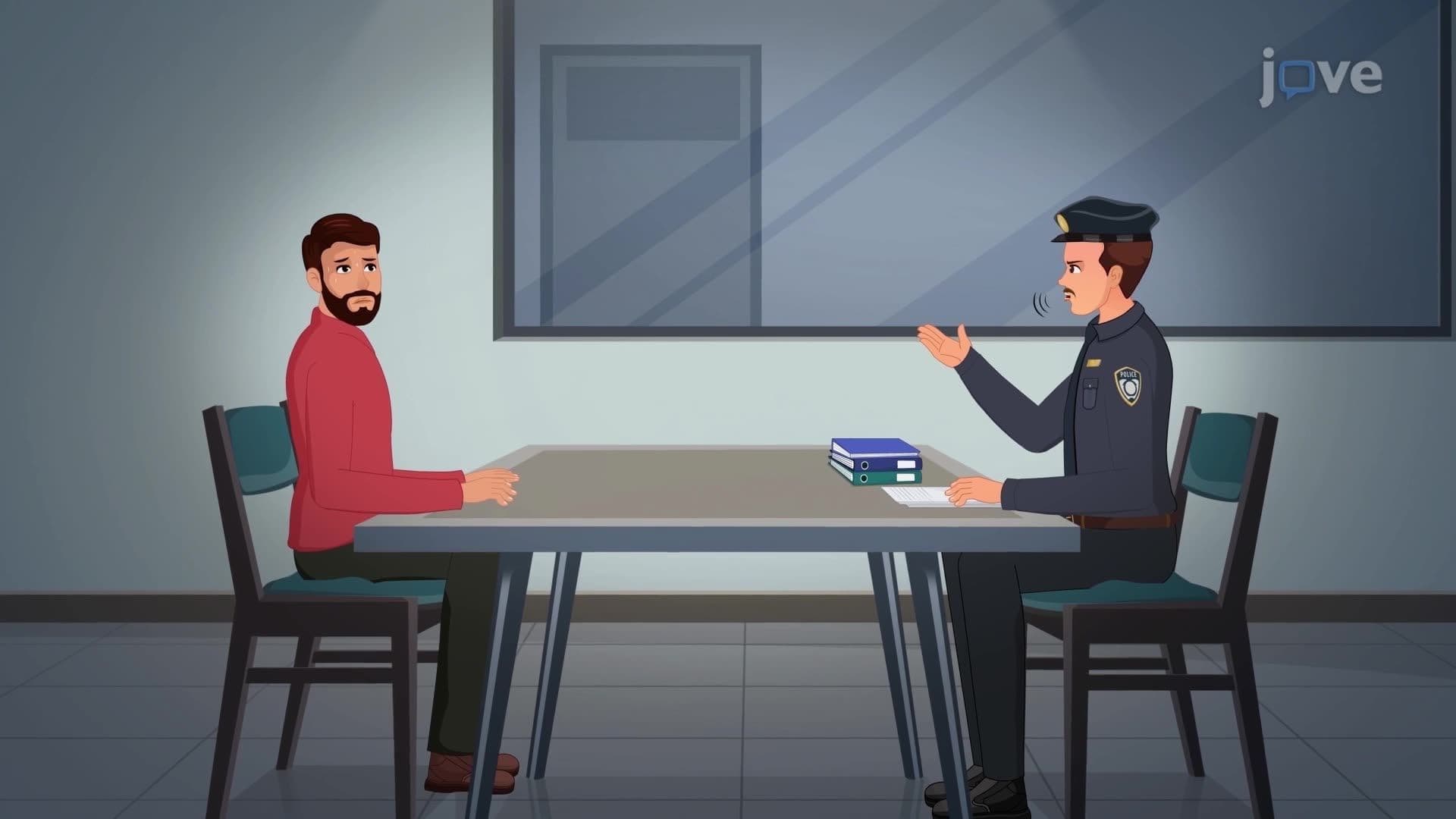
Did you know that when a teacher raises their voice slightly while asking "Does everyone understand?" they're actually using non verbal cues to gauge student comprehension? Non verbal cues encompass the powerful communication elements beyond spoken words, including paralanguage-vocal qualities like pitch, tone, and pauses that dramatically influence how messages are received. Consider how a nervous job candidate's shaky voice during a Harvard Business School interview might overshadow their impressive résumé. Watch the full video on JoVE Coach to master this concept with expert-led visuals and step-by-step explanations.
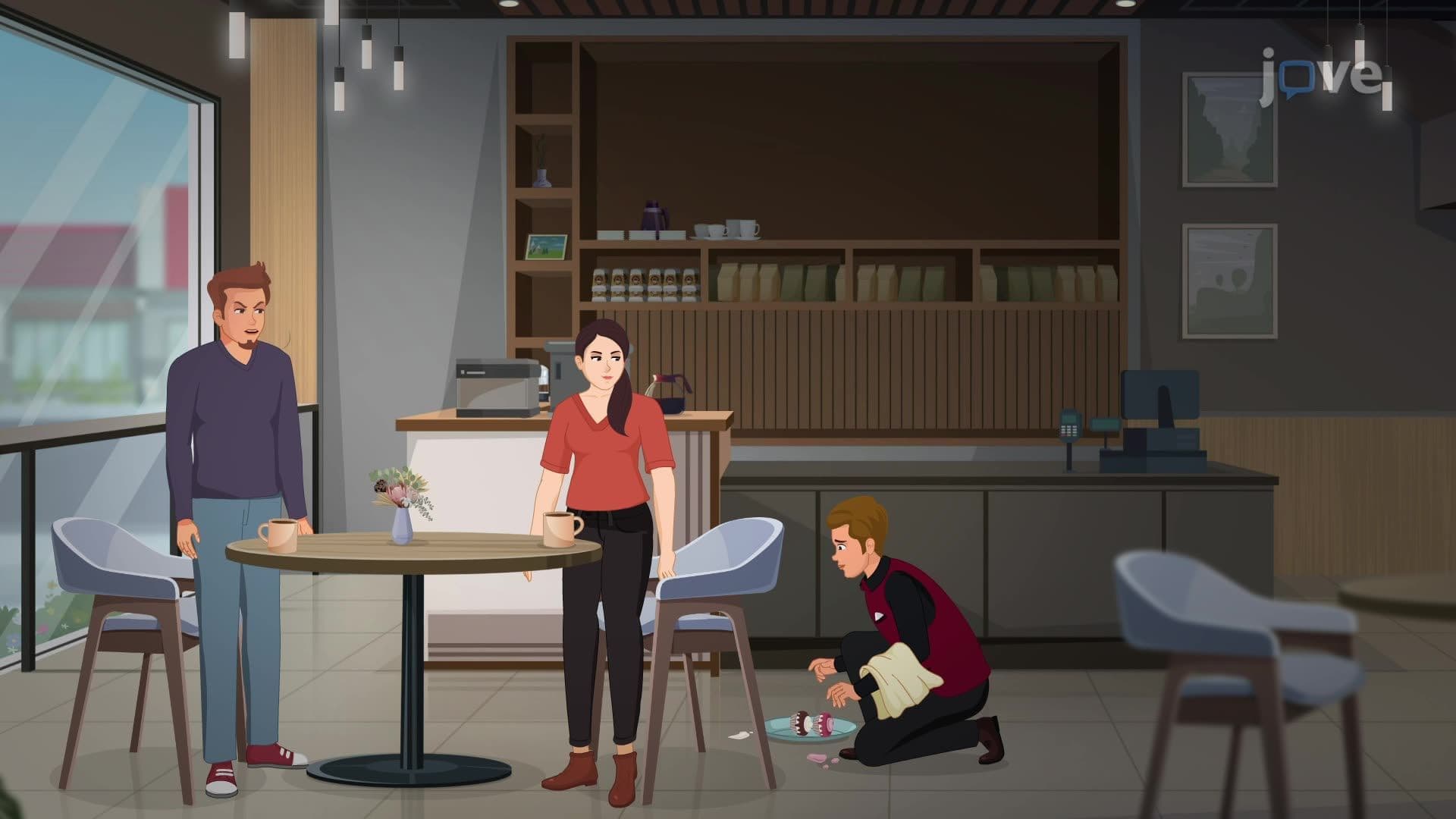
Non verbal cues represent the vast array of communication signals that occur without spoken words, encompassing everything from vocal qualities to facial expressions and body language. These silent communicators often carry more weight than our actual words, shaping how others perceive our intentions, emotions, and credibility. Research consistently demonstrates that non verbal communication accounts for a significant portion of human interaction, making it essential knowledge for students preparing for psychology courses, communication studies, or professional development.
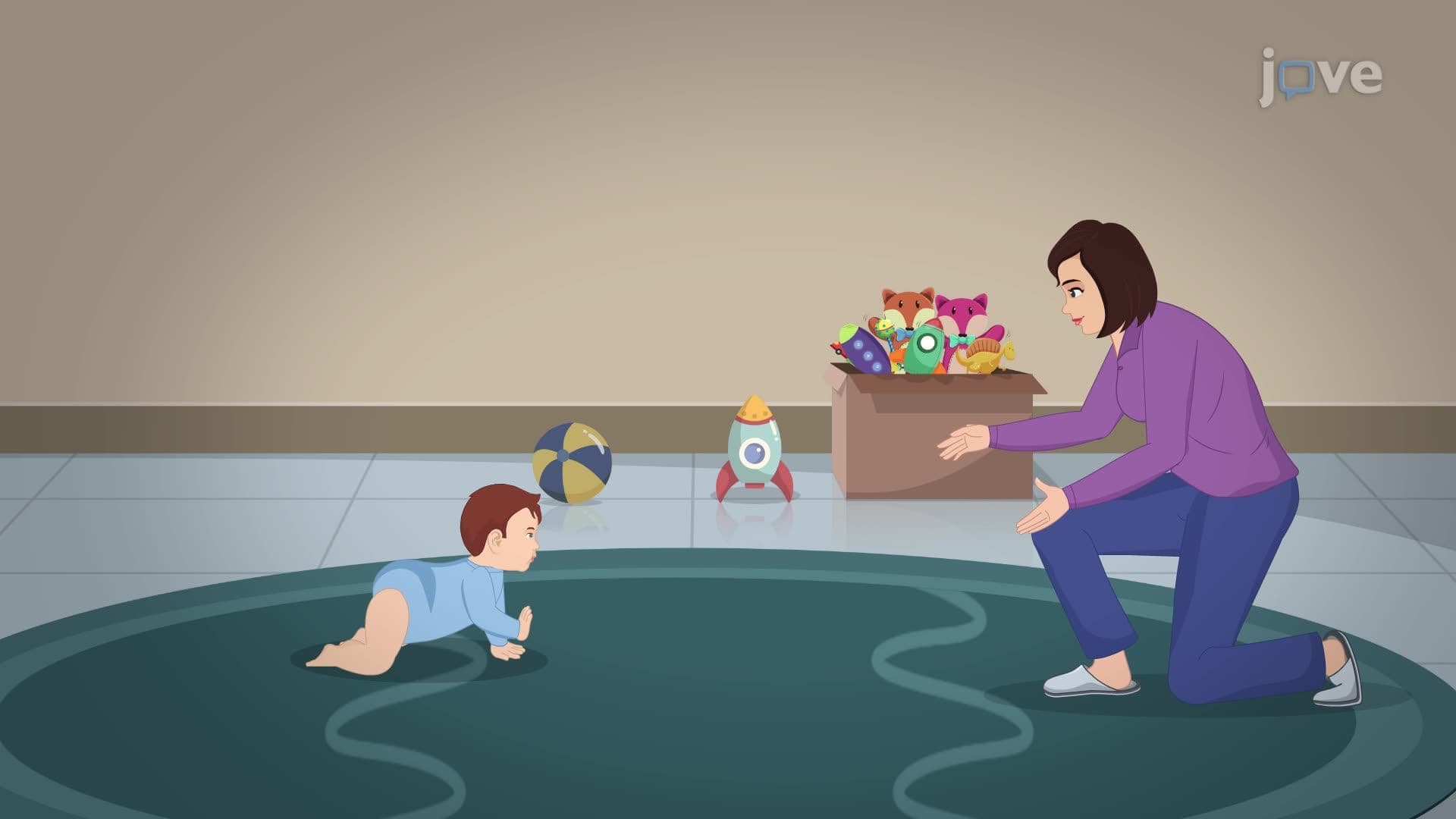
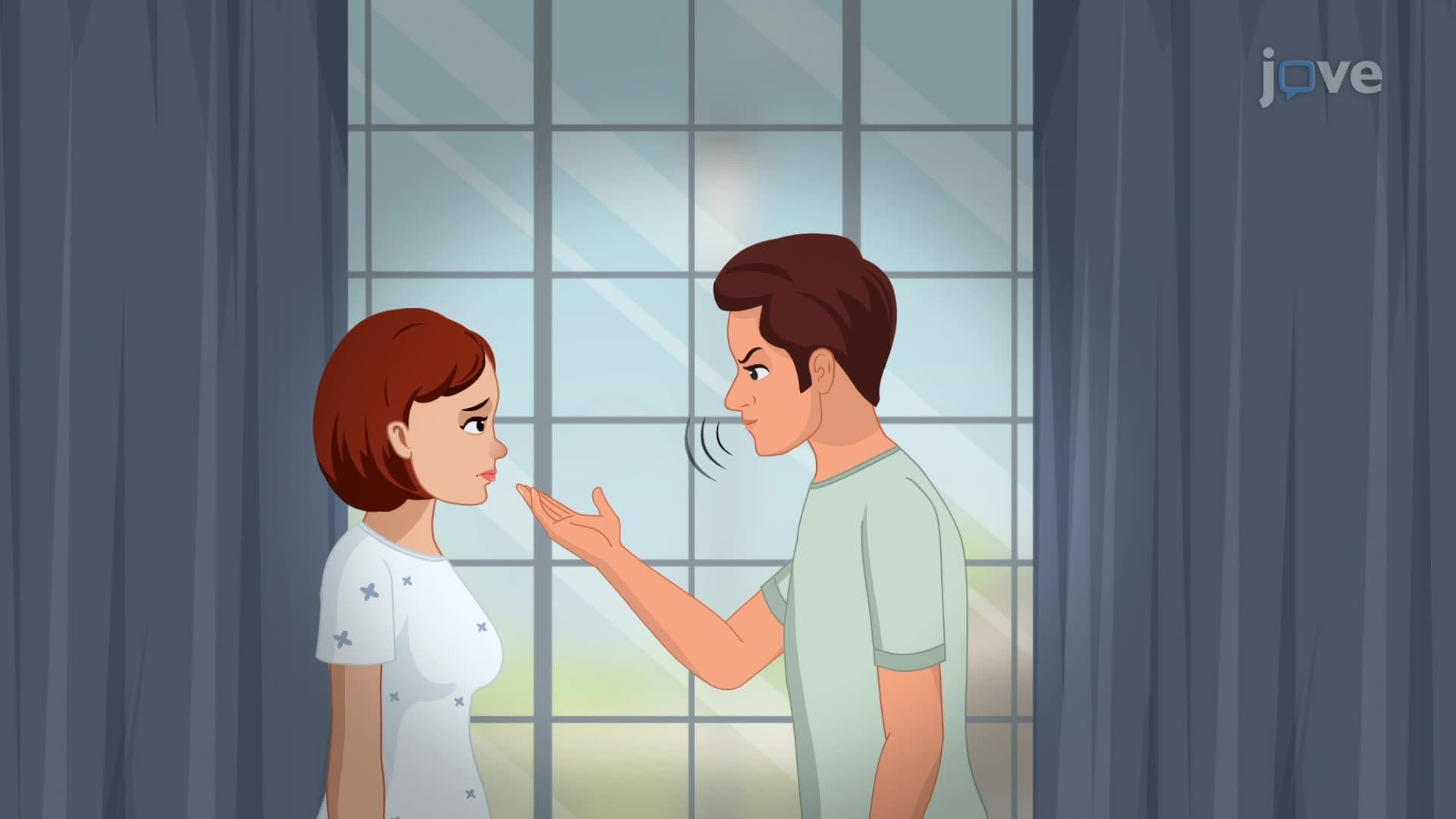
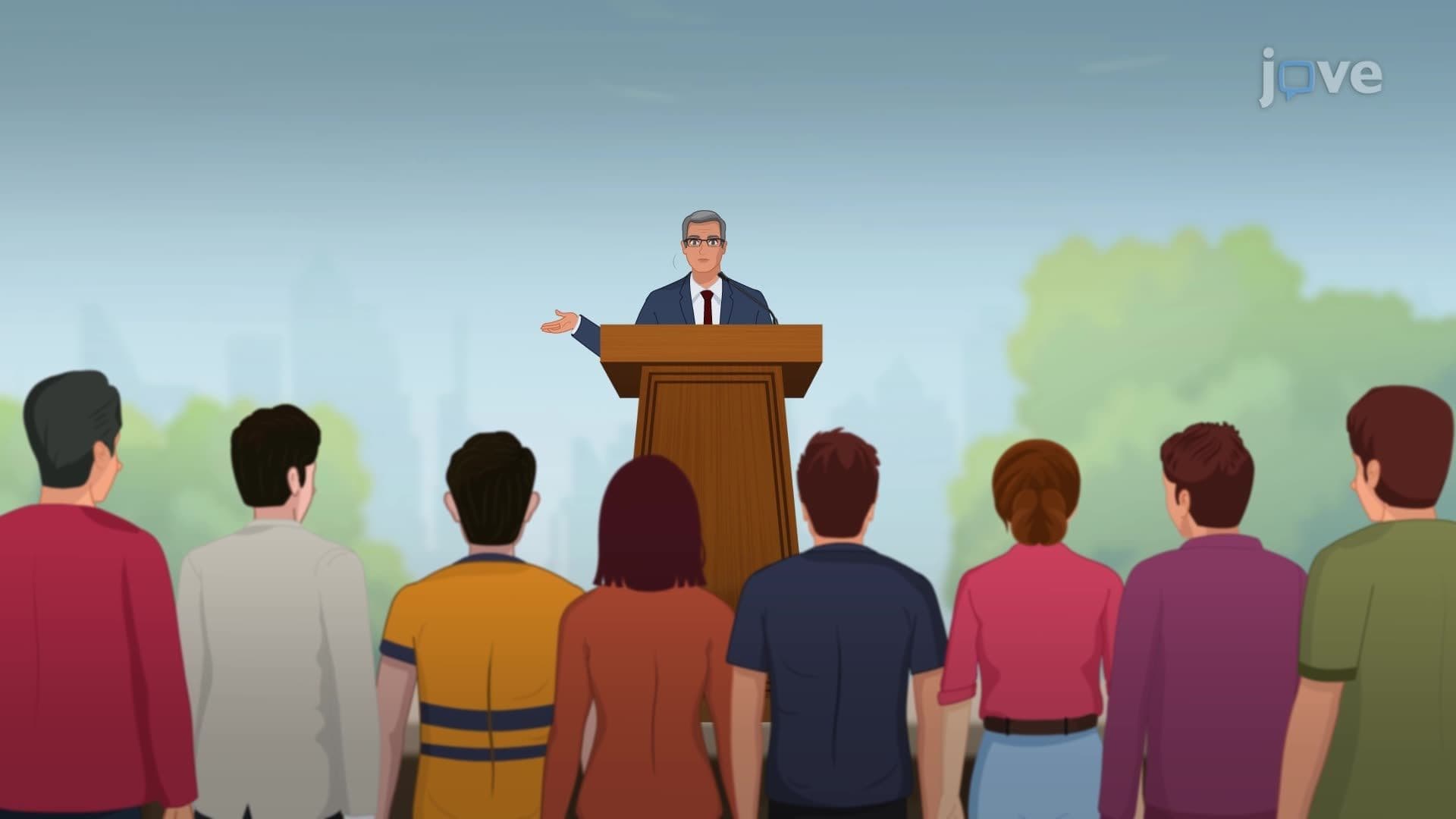
Paralanguage serves as a critical component of non verbal cues, encompassing the vocal elements that accompany speech without being the words themselves. This includes pitch variations-like how a rising tone might signal a question or uncertainty-as well as volume changes, speaking rate, and strategic pauses. Consider how a CNN news anchor modulates their voice during breaking news coverage, using lower pitch and measured pacing to convey authority and calm. Students preparing for AP Psychology exams should understand that paralanguage includes emotional vocalizations such as laughter, sighing, or even nervous throat-clearing, all of which provide listeners with crucial emotional context that words alone cannot convey.
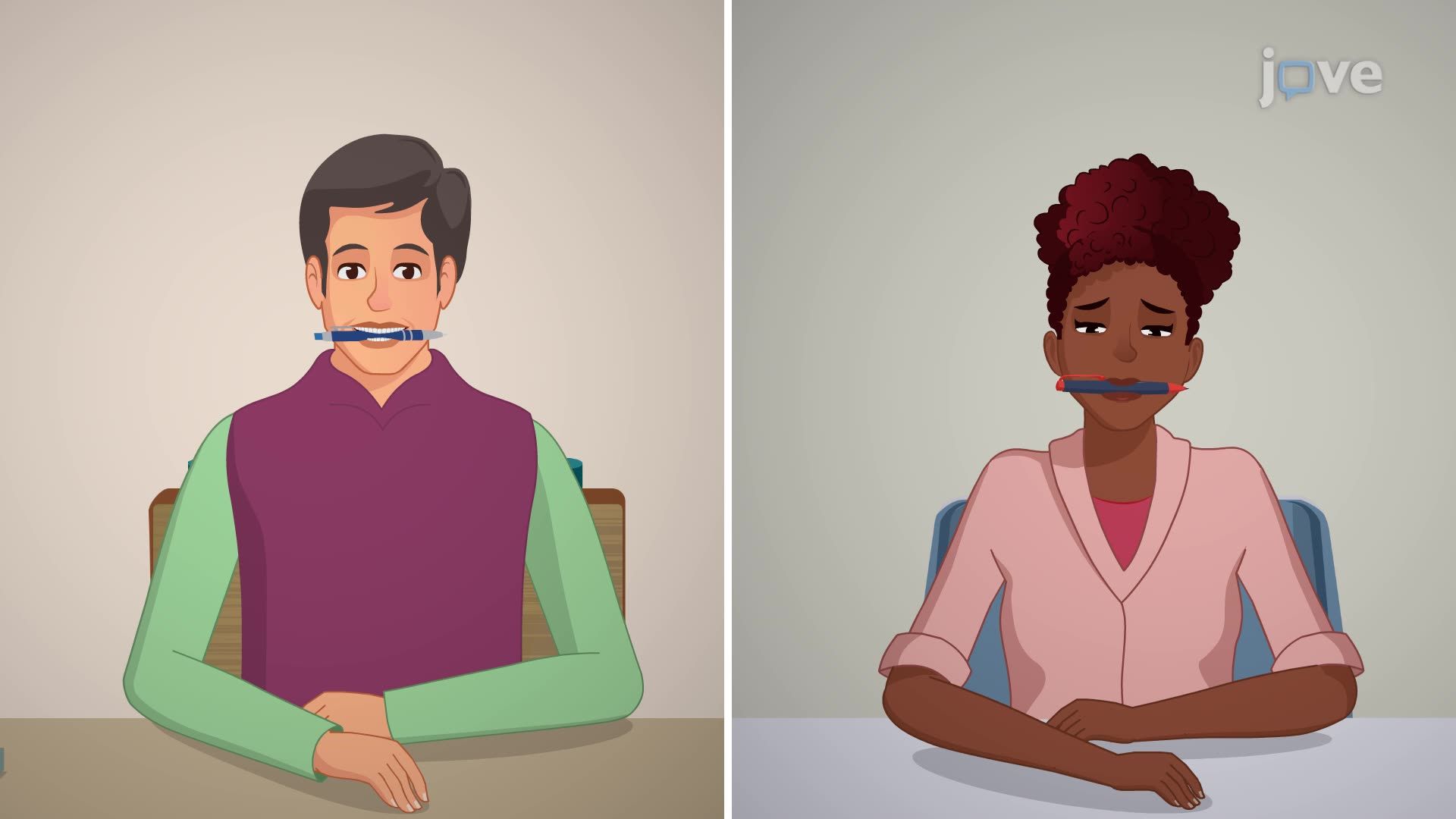
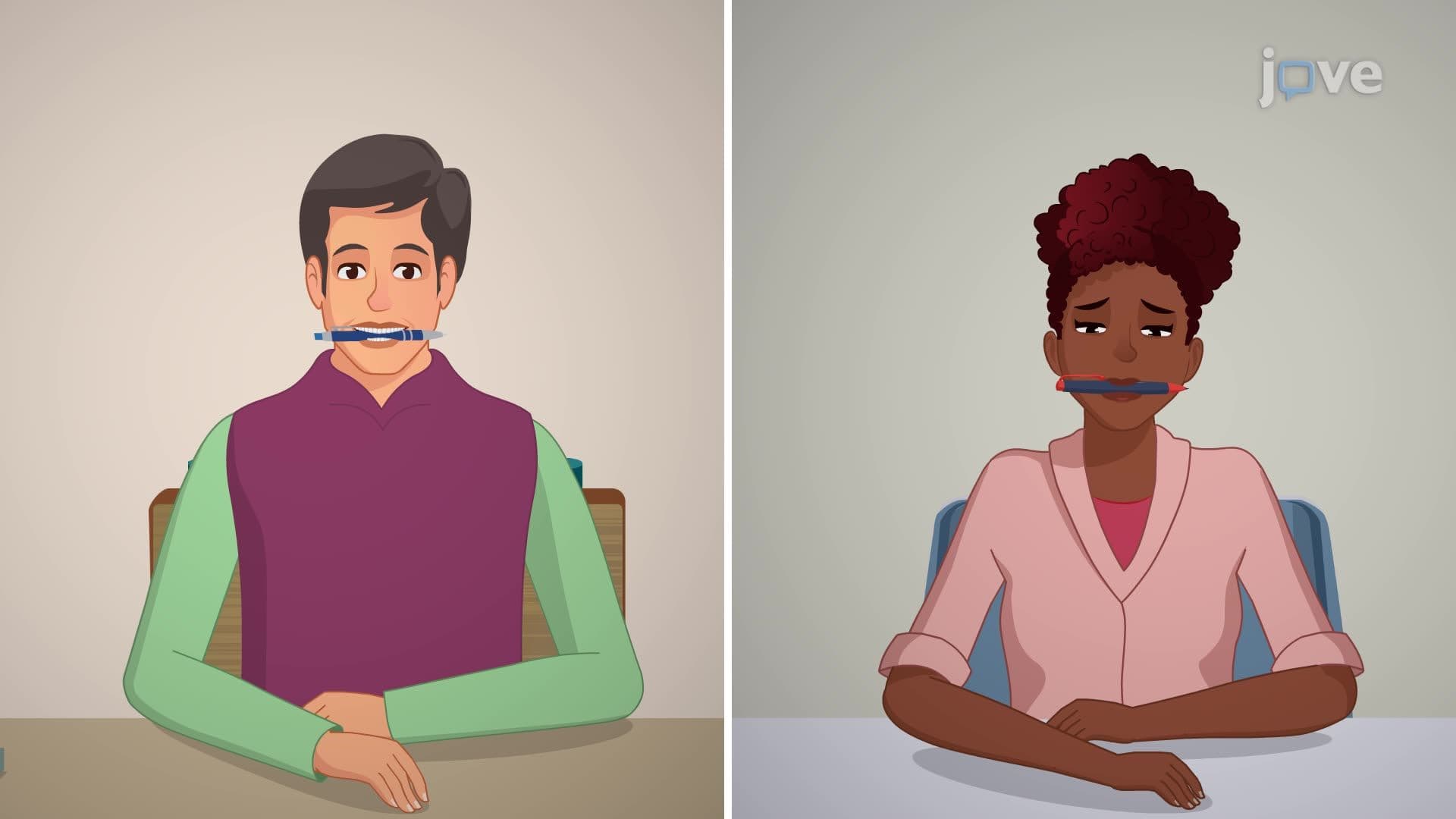
The facial feedback hypothesis presents a fascinating aspect of non verbal cues, suggesting that our facial expressions don't just reflect emotions-they can actually influence them. When researchers at Stanford University asked participants to hold pencils in their mouths in ways that either facilitated or prevented smiling, those forced to smile reported feeling happier. This concept frequently appears on college psychology midterms and demonstrates how non verbal cues operate bidirectionally. Understanding this principle helps students grasp why maintaining confident body language before a college interview or SAT test might actually boost their confidence levels.
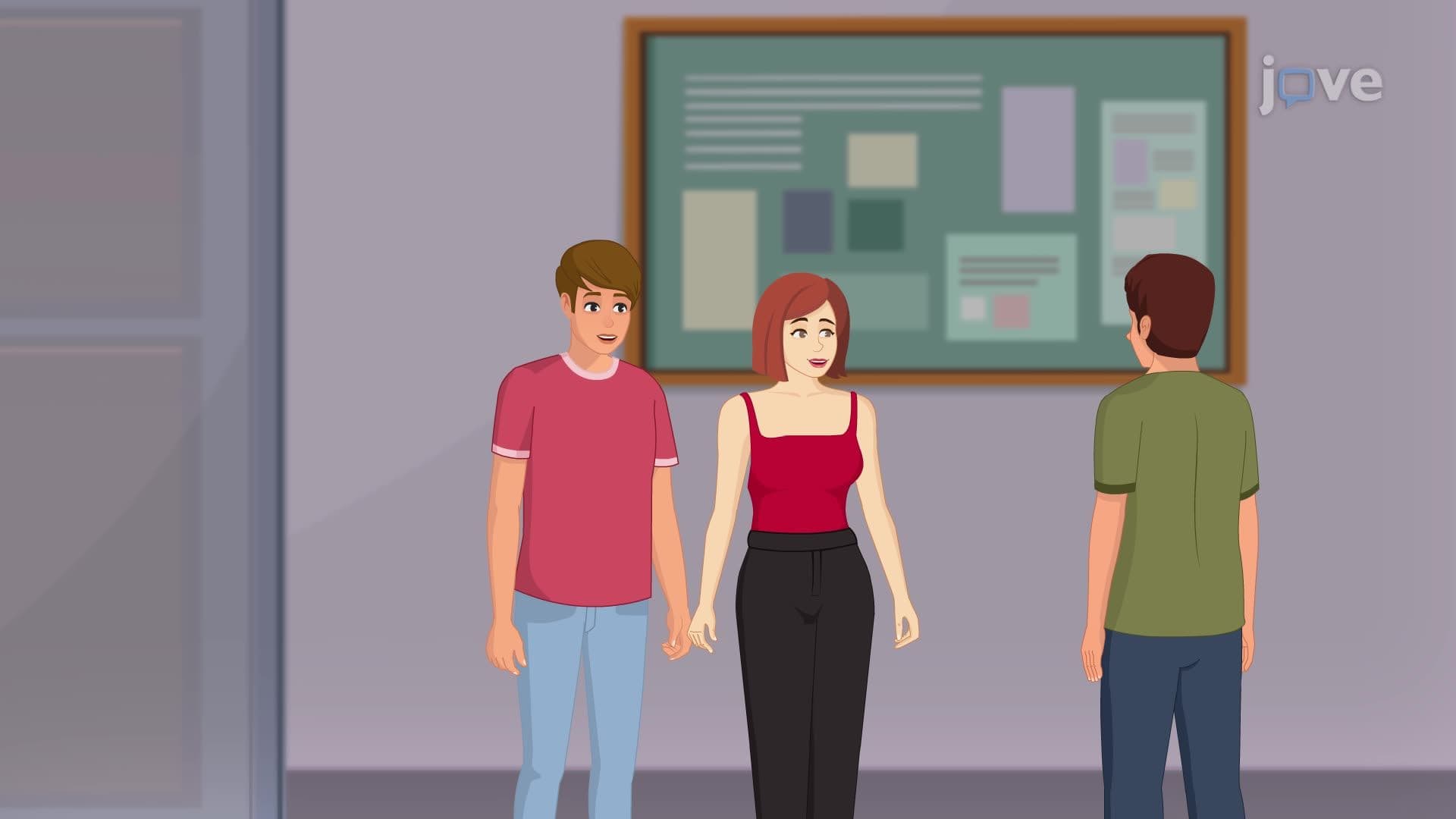
Research reveals that couples express love through synchronized non verbal behaviors including prolonged eye contact, forward-leaning postures, and genuine smiles. These behaviors create a feedback loop where positive non verbal cues strengthen emotional bonds, which in turn generate more positive non verbal expressions. Students studying for the MCAT should understand how these patterns reflect neurochemical processes involving oxytocin and dopamine, while those in communication courses can analyze how these cues function in various social contexts from first dates to long-term partnerships.
Related Micro-courses