Loading subject page…

- Social Psychology
- Social Perception
- Self-Serving Bias
Micro-course: Social Perception
1,741 views
Learn key concepts and earn your certificate.











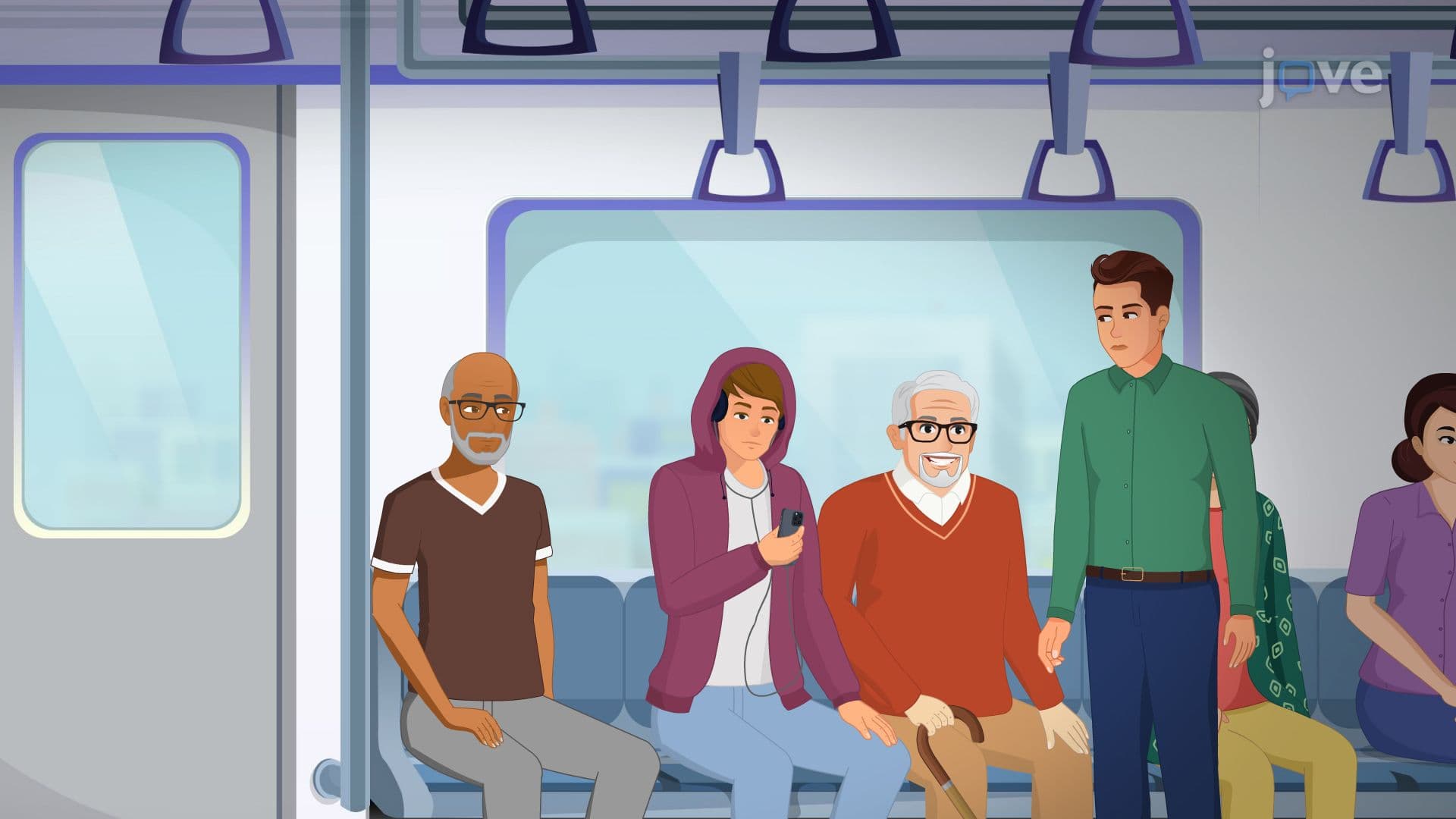


Self-Serving Bias


00:00
01:29
Video Summary: What Is Self Serving Bias
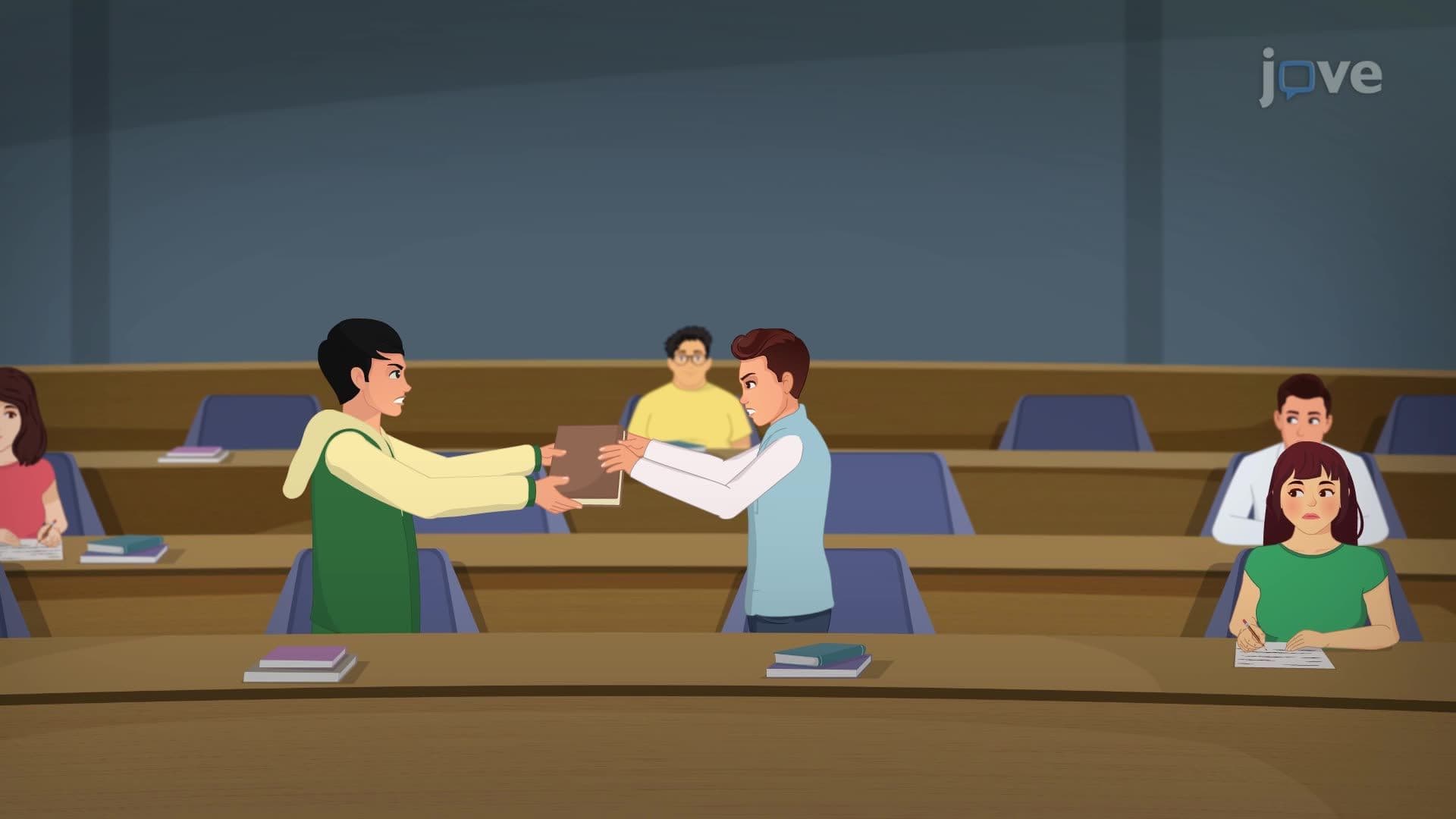
Ever wonder why students blame "unfair grading" after bombing a test but credit their intelligence when they ace it? Self serving bias explains this universal tendency to attribute our successes to internal factors like skill and effort, while blaming failures on external circumstances. A classic example occurs when college athletes credit their natural talent for winning games but blame poor officiating for losses. This psychological phenomenon reveals how we protect our self-esteem through selective reasoning. Watch the full video on JoVE Coach to master this concept with expert-led visuals and step-by-step explanations.
- Understand what is self serving bias and how it shapes our interpretation of personal outcomes in academic and professional settings
- Identify the two primary psychological theories explaining this bias: cognitive and motivational explanations
- Analyze real-world examples of self serving bias in educational contexts, workplace performance, and social interactions
- Compare how self serving bias manifests differently across individualistic versus collectivistic cultural backgrounds
- Evaluate the stronger empirical support for motivational explanations over cognitive explanations in psychological research
- Recognize how psychological conditions like anxiety and depression can reduce the expression of self serving bias
- Apply knowledge of this bias to improve self-reflection and critical thinking skills in academic performance evaluation
- Explore the cultural variations in self serving bias between Western and Asian societies
Understanding Self Serving Bias in Psychology
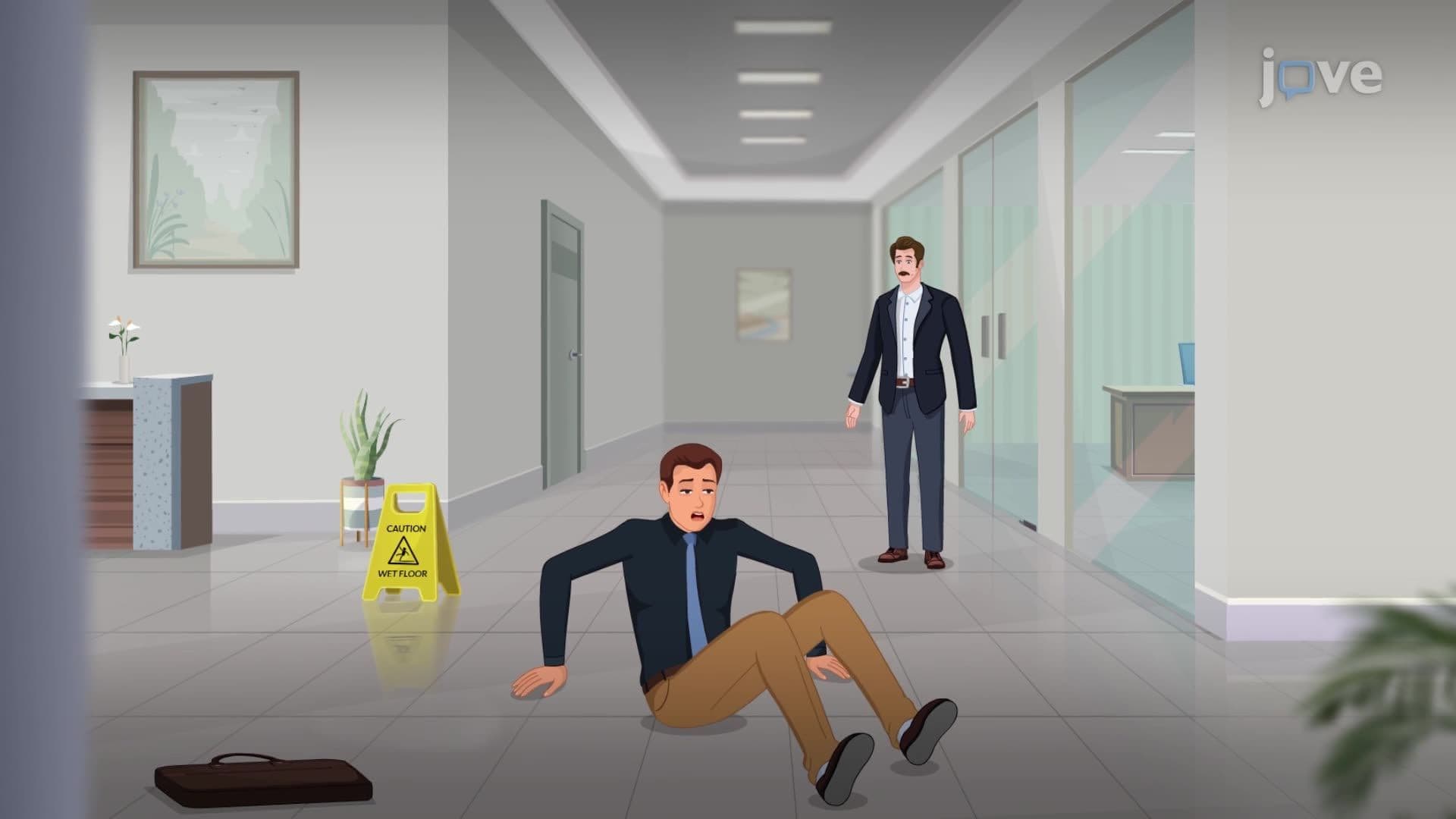
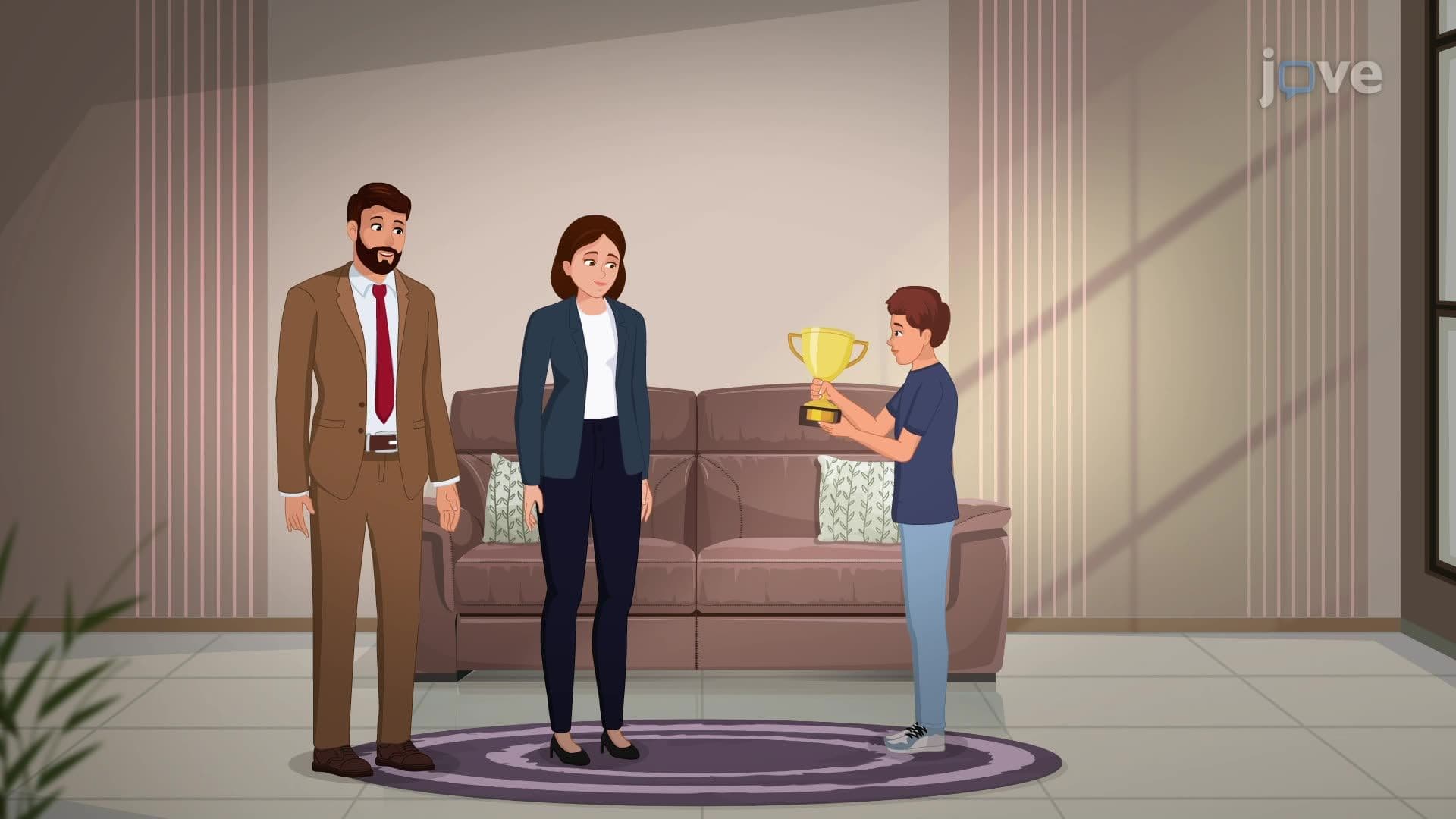
Self serving bias represents one of the most pervasive cognitive biases in human psychology, fundamentally affecting how we interpret our successes and failures. This phenomenon occurs when individuals systematically attribute positive outcomes to internal characteristics-such as intelligence, hard work, or natural ability-while attributing negative outcomes to external factors beyond their control, including unfair circumstances, bad luck, or other people's actions.
The Two Competing Theoretical Explanations
Psychologists have developed two primary frameworks to explain why self serving bias occurs so consistently across human populations. The cognitive explanation suggests that this bias emerges naturally because people generally expect to succeed in their endeavors. When success occurs, it aligns with these pre-existing expectations, making internal attribution feel logical and natural. Conversely, when failure happens, it contradicts our expectations, prompting us to search for external explanations.
The motivational explanation offers a different perspective, arguing that self serving bias primarily serves to protect and enhance our self-esteem. According to this theory, attributing successes to internal factors boosts our confidence and self-worth, while blaming failures on external circumstances shields our ego from psychological harm. Extensive research in social psychology provides stronger empirical support for the motivational explanation, particularly through studies conducted at major US universities like Stanford and Harvard.
Cultural and Individual Variations
Self serving bias doesn't manifest equally across all populations. Research consistently demonstrates that this bias appears more prominently in Western cultures, particularly in the United States, compared to Asian cultures. This difference likely stems from the contrast between individualistic values prevalent in American society versus the collectivistic values emphasized in many Asian cultures. Students preparing for psychology courses, including AP Psychology or college-level social psychology classes, should understand that cultural context significantly influences cognitive biases.
Additionally, psychological conditions can modify the expression of self serving bias. Individuals experiencing anxiety or depression often show reduced self serving bias, sometimes even displaying the opposite pattern-attributing failures to internal factors while crediting successes to external circumstances.
Practical Applications in Academic and Professional Settings
Understanding self serving bias proves crucial for students and professionals seeking accurate self-assessment. In academic contexts, recognizing this bias can help students more objectively evaluate their performance on exams like the SAT, MCAT, or college midterms. Rather than solely crediting intelligence for high scores or blaming "tricky questions" for poor performance, students can develop more balanced perspectives that consider both internal and external factors contributing to their outcomes.
Frequently Asked Questions
Self serving bias is the tendency to credit your successes to your own abilities while blaming your failures on outside circumstances. For example, attributing a good grade to your intelligence but a bad grade to an unfair teacher. This bias helps protect our self-esteem but can prevent accurate self-reflection.
AP Psychology frequently tests self serving bias through multiple-choice questions and free-response scenarios. Students might encounter questions asking them to identify examples of the bias or explain the difference between cognitive and motivational theories. Practice recognizing this bias in various contexts like academic performance, sports, and workplace situations.
Yes, self serving bias commonly appears in MCAT Psychology/Sociology sections. The exam tests your ability to apply psychological concepts to real-world scenarios. Understanding both theoretical explanations and cultural variations will strengthen your performance on behavioral science questions.
A sales representative might credit meeting their quarterly targets to their excellent communication skills and hard work, but blame missing targets on economic downturns or unrealistic company expectations. This pattern helps maintain professional confidence while avoiding personal responsibility for setbacks.
Not at all-self serving bias is actually one of the more intuitive psychological concepts. High school students easily recognize this pattern in their own lives and relationships. No advanced psychology background is needed, making it an excellent introduction to cognitive biases and social psychology.
Create a comparison chart listing cognitive versus motivational explanations, memorize 3-4 concrete examples, and practice identifying the bias in different scenarios. Focus on cultural differences between individualistic and collectivistic societies, as this frequently appears on college exams.
No, self serving bias varies significantly across individuals and cultures. Western cultures show stronger bias than Asian cultures, and people with depression or anxiety often display reduced bias. Understanding these variations demonstrates the complex interaction between psychology and cultural context.
Explore other attribution biases like fundamental attribution error, actor-observer bias, and confirmation bias. These related concepts build on similar psychological principles and frequently appear together on psychology exams and coursework.
Related Micro-courses

25 Concepts

6 Concepts

9 Concepts