Loading video…

 7 Concepts
 2.9K views

Video Summary: Monitor Progress Without Micromanaging
Monitoring progress without micromanaging means staying informed about outcomes rather than controlling daily activities. A Management by Objectives approach makes this practical: you work with your team to define measurable goals, track them through a shared system, and review results in scheduled meetings. This gives you visibility into performance while keeping the team's autonomy intact. It is a core skill within delegating work with clarity and accountability.
Before defining any outcomes, ask your team about task priorities and current challenges. Their perspective helps surface real obstacles you might otherwise miss, and it builds buy-in from the start. This step ensures goal-setting reflects the team's actual work, not just top-down assumptions. When deciding what to delegate, this kind of input shapes smarter decisions.
You and your team agree together on what success looks like and how it will be evaluated. Shared definitions prevent ambiguity later, since everyone understands the target from the beginning. This collaborative process makes accountability concrete rather than subjective. Pairing it with giving clear and actionable instructions strengthens how expectations land with the team.
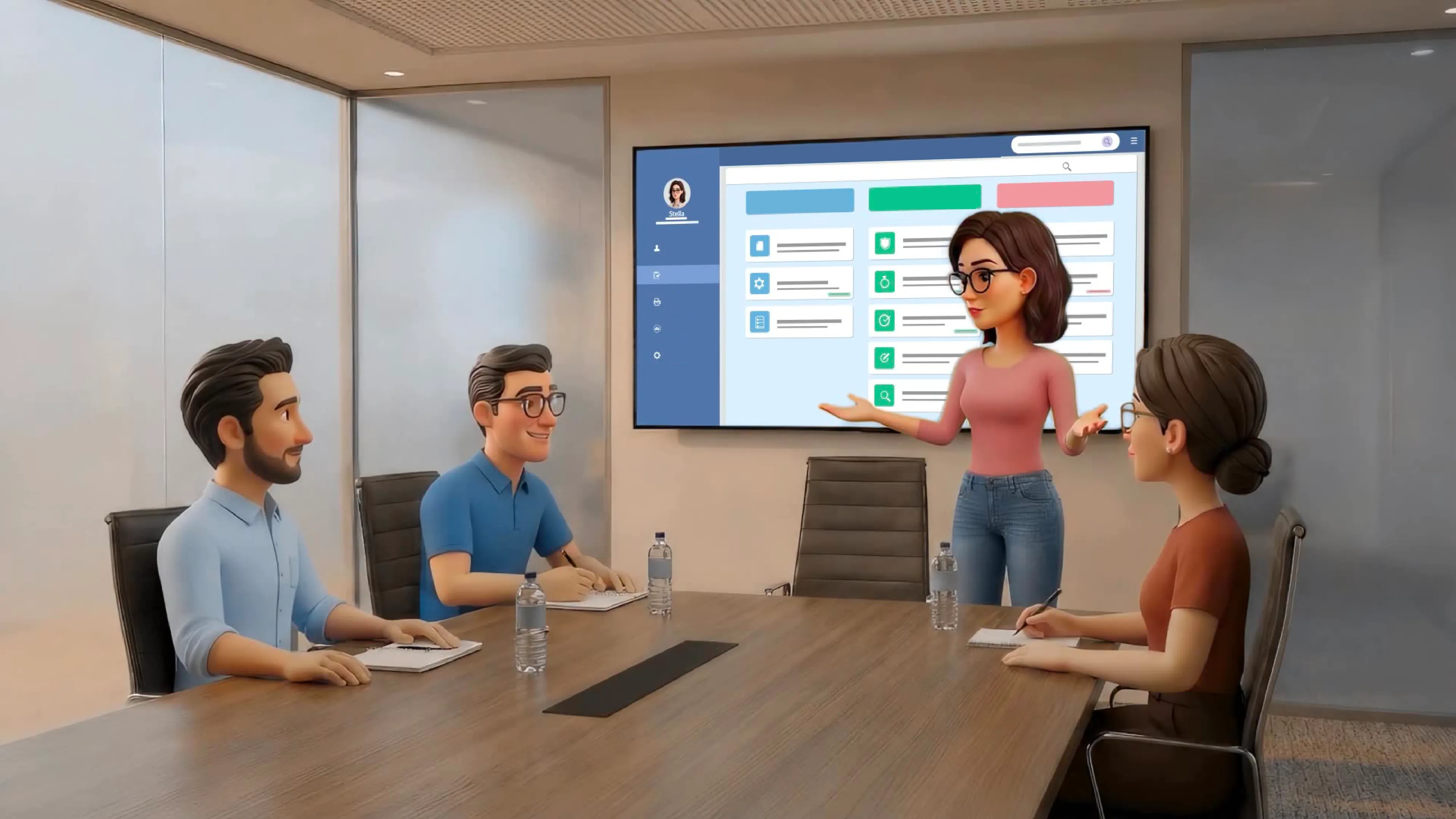
A shared dashboard or similar system lets the whole team monitor results in real time. Agreed metrics, such as weekly revenue targets, become visible to everyone without requiring constant check-ins. Transparency shifts the focus from your oversight to the team's own awareness of their progress.
Instead of monitoring daily activity, schedule a regular weekly meeting dedicated to progress. Use it to hear the team's updates, gather their feedback on challenges, and offer constructive input. This structure keeps you informed at the right level without turning oversight into interference. It also connects directly to managing team performance and feedback.
Your role after setting goals is to make sure the team has what they need to succeed, not to control how they do the work. This means removing blockers and supplying tools or support, while leaving the method up to them. Trusting the process is easier when you have already invested time in choosing the right person for the task.
Related Micro-courses