Loading video…


 9 Concepts
 79.3K views

Video Summary: What Is Social Scripts
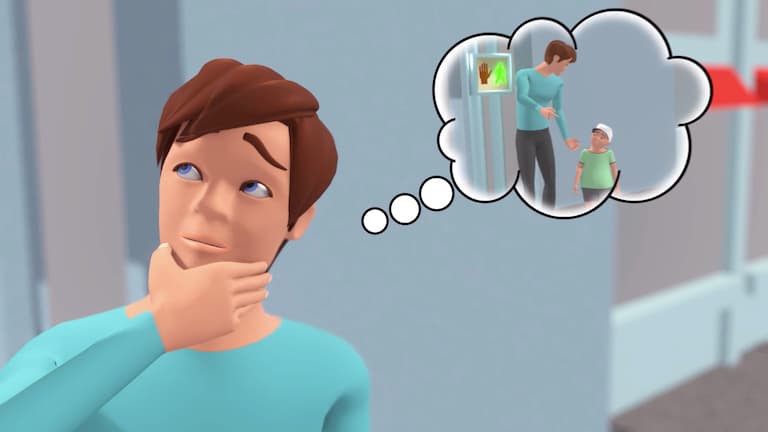
Ever wonder why everyone seems to know the "rules" at a movie theater-arriving early, silencing phones, not talking during the film-without anyone explicitly teaching them? Social scripts are mental blueprints that guide our behavior in specific social situations based on cultural expectations and past experiences. Consider how American students instinctively know to raise their hand before speaking in class, while international students might need time to learn this unspoken rule. These behavioral roadmaps help us navigate everything from restaurant etiquette to workplace interactions. Watch the full video on JoVE Coach to master this concept with expert-led visuals and step-by-step explanations.
Social scripts serve as invisible instruction manuals that guide human behavior in specific social contexts. These cognitive frameworks develop through repeated exposure to social situations, cultural teachings, and observational learning. In American society, social scripts help explain why students automatically form lines at cafeterias, why people hold doors open for others, and why audiences applaud at the end of performances-behaviors that seem natural but are actually learned cultural practices.
Social scripts develop through multiple channels. Primary socialization occurs within families, where children learn basic scripts like saying "please" and "thank you." Secondary socialization happens in schools, where students master classroom scripts such as raising hands, taking turns speaking, and respecting teacher authority. Peer groups contribute additional scripts around friendship behaviors, dating norms, and social hierarchies that are particularly relevant during high school years.
Cultural transmission plays a crucial role in script formation. American social scripts often emphasize individualism, direct communication, and personal space preferences. For example, the American restaurant script typically involves waiting to be seated, making eye contact for service, and tipping 18-20% for good service-behaviors that might confuse visitors from cultures with different hospitality norms.
Modern technology significantly impacts social script formation, especially among teenagers and young adults. Social media platforms create new scripts around online interaction, privacy boundaries, and digital communication norms. Video games, as highlighted in research studies, can influence behavioral scripts related to aggression, problem-solving approaches, and social interaction patterns.
Television and movies contribute to script formation by modeling behaviors in various contexts. American high school students often develop dating scripts, friendship dynamics, and conflict resolution strategies based partly on media representations. However, these media-influenced scripts may not always align with real-world effectiveness or social acceptability.
Understanding social scripts proves valuable for AP Psychology students studying social cognition and cultural psychology. The concept appears frequently on standardized tests like the MCAT, where students must analyze behavioral scenarios through various psychological lenses. College students in sociology and psychology courses examine how social scripts influence group dynamics, organizational behavior, and cross-cultural communication.
In professional contexts, mastering workplace scripts becomes essential for career success. American business scripts typically emphasize punctuality, professional dress codes, meeting etiquette, and performance evaluation processes. Students preparing for careers in healthcare, education, or business benefit from understanding how social scripts operate in these specialized environments.
Related Micro-courses