Loading video…


 25 Concepts
 84.7K views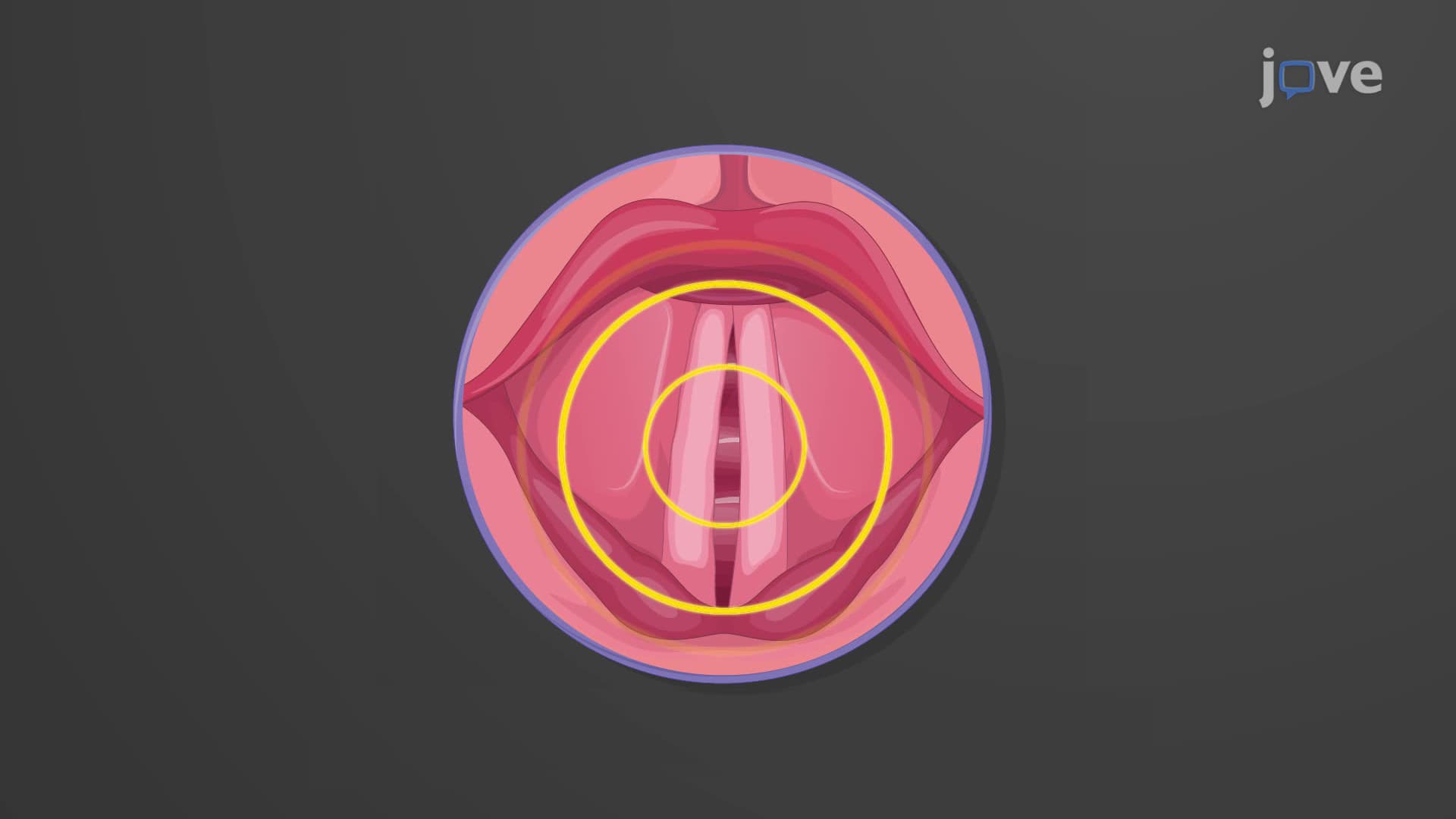

Video Summary: What Is Larynx
Ever wondered why your voice sounds deeper when you're sick or why men typically have lower voices than women? The larynx anatomy biology reveals fascinating structures that control voice production and protect your airway. Located in your neck, this complex organ contains multiple cartilages and vocal folds that work together like a sophisticated musical instrument. For example, when opera singers at the Metropolitan Opera in New York hit those powerful high notes, they're precisely controlling their laryngeal muscles and vocal fold tension. Watch the full video on JoVE Coach to master this concept with expert-led visuals and step-by-step explanations.
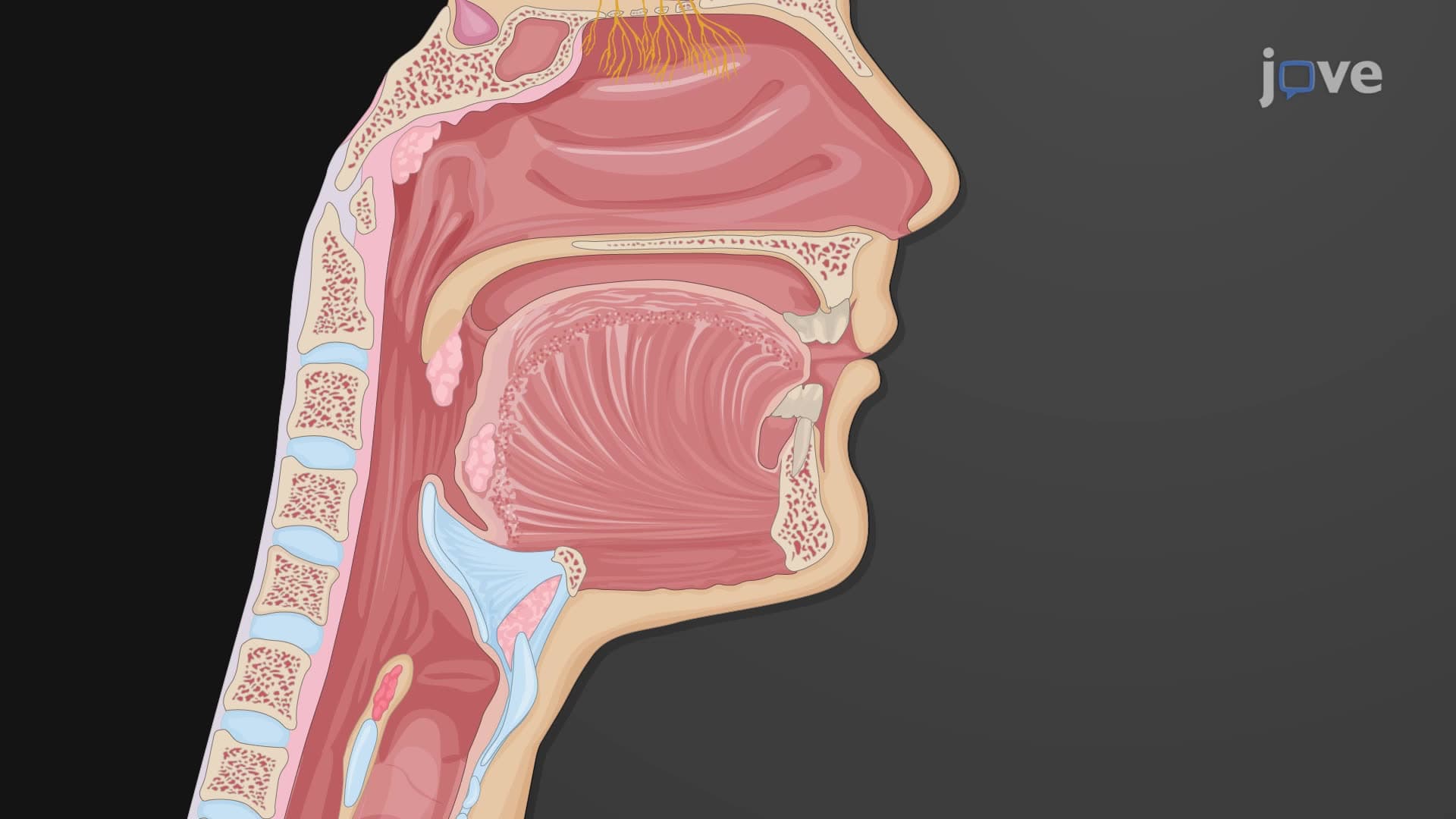
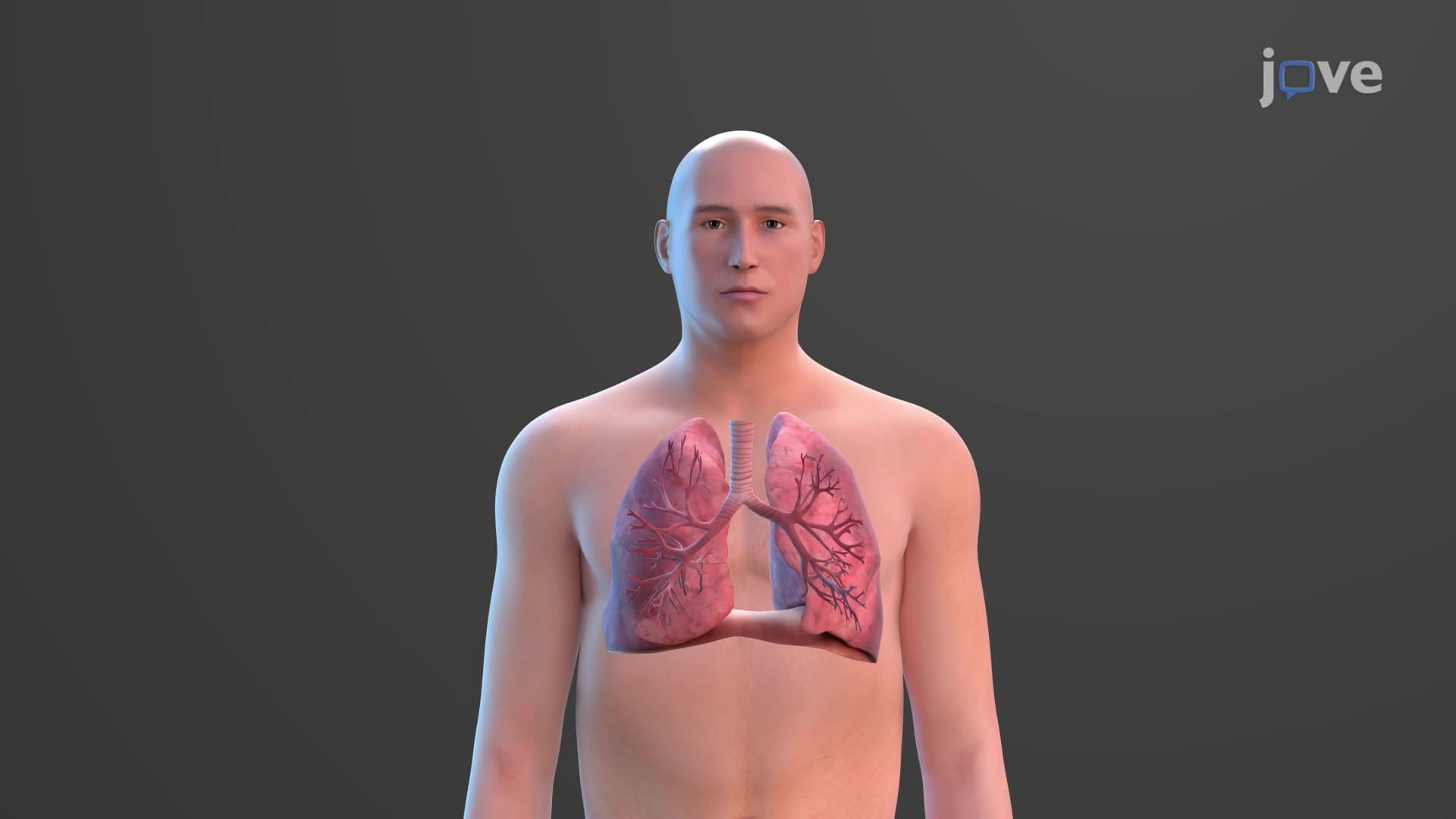
The larynx, commonly called the voice box, serves as a critical junction in the respiratory system where air passage meets voice production. This remarkable organ sits strategically between the laryngopharynx above and the trachea below, functioning as both a protective gateway and a sophisticated sound-generating instrument.
The laryngeal skeleton consists of six primary cartilages that form a protective framework. The thyroid cricoid cartilage larynx system provides the main structural support, with the thyroid cartilage forming the prominent anterior shield-like structure. In males, this creates the visible Adam's apple due to the more acute angle of thyroid cartilage fusion. The cricoid cartilage, shaped like a signet ring, forms the foundation and connects directly to the first tracheal ring.
The epiglottis, a leaf-shaped elastic cartilage, acts as the airway's protective lid during swallowing-a crucial function that prevents aspiration pneumonia, a serious condition treated in US emergency departments. The paired arytenoid cartilages serve as the mobile posterior anchors for the vocal folds, while the smaller corniculate and cuneiform cartilages provide additional structural support.
The vocal fold larynx mechanism represents one of the body's most precise muscular control systems. The true vocal folds contain the vocalis muscles and vocal ligaments, which can adjust tension, length, and thickness with remarkable precision. Above these lie the false vocal folds (vestibular folds), which primarily serve protective functions but can contribute to certain voice qualities.
The glottis larynx anatomy includes both the vocal folds and the space between them (rima glottidis). During phonation, controlled airflow from the lungs causes the vocal folds to vibrate, creating sound waves that resonate through the vocal tract. This principle is essential for students preparing for the MCAT's biological sciences section, where laryngeal physiology frequently appears in passages about human anatomy and physiology.
Understanding laryngeal anatomy proves crucial for various medical specialties. Otolaryngologists at institutions like Johns Hopkins routinely examine laryngeal function using laryngoscopy. Speech-language pathologists across the US help patients recover voice function after laryngeal injuries or surgeries. For students entering healthcare fields, mastering this anatomy is essential for courses in human anatomy, physiology, and clinical medicine, appearing regularly on exams like the USMLE and nursing certification tests.
Related Micro-courses