Loading video…


 25 Concepts
 84.7K views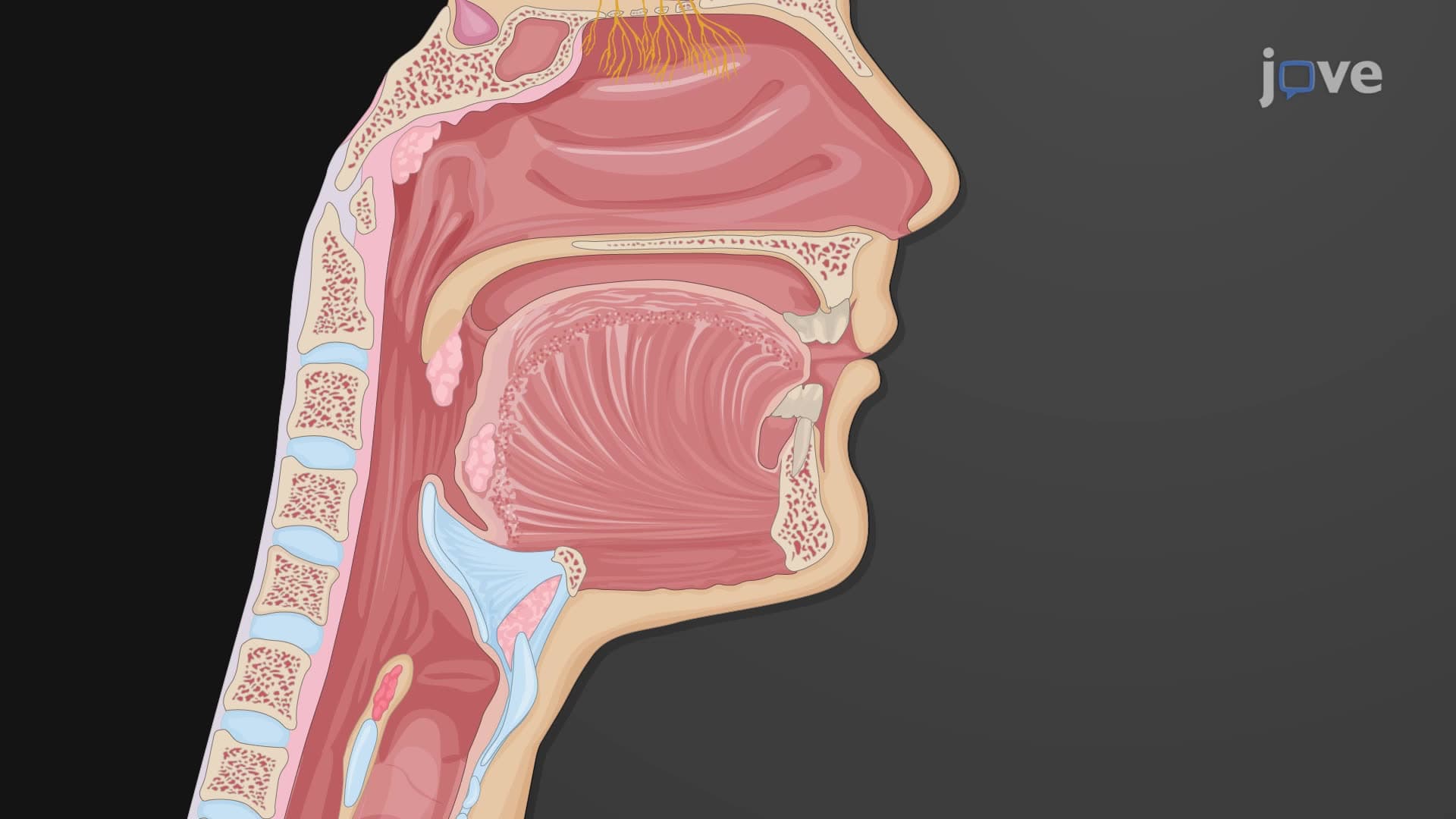

Video Summary: What Is Pharynx
Ever wondered why you can breathe through your mouth when your nose is stuffy during a cold? The pharynx anatomy biology reveals a fascinating 13-centimeter tube that serves as your body's shared highway for air, food, and liquids. From a student choking on cafeteria food to understanding why strep throat affects your entire throat region, the pharynx plays a critical role in both respiratory and digestive functions through its three distinct sections. Watch the full video on JoVE Coach to master this concept with expert-led visuals and step-by-step explanations.
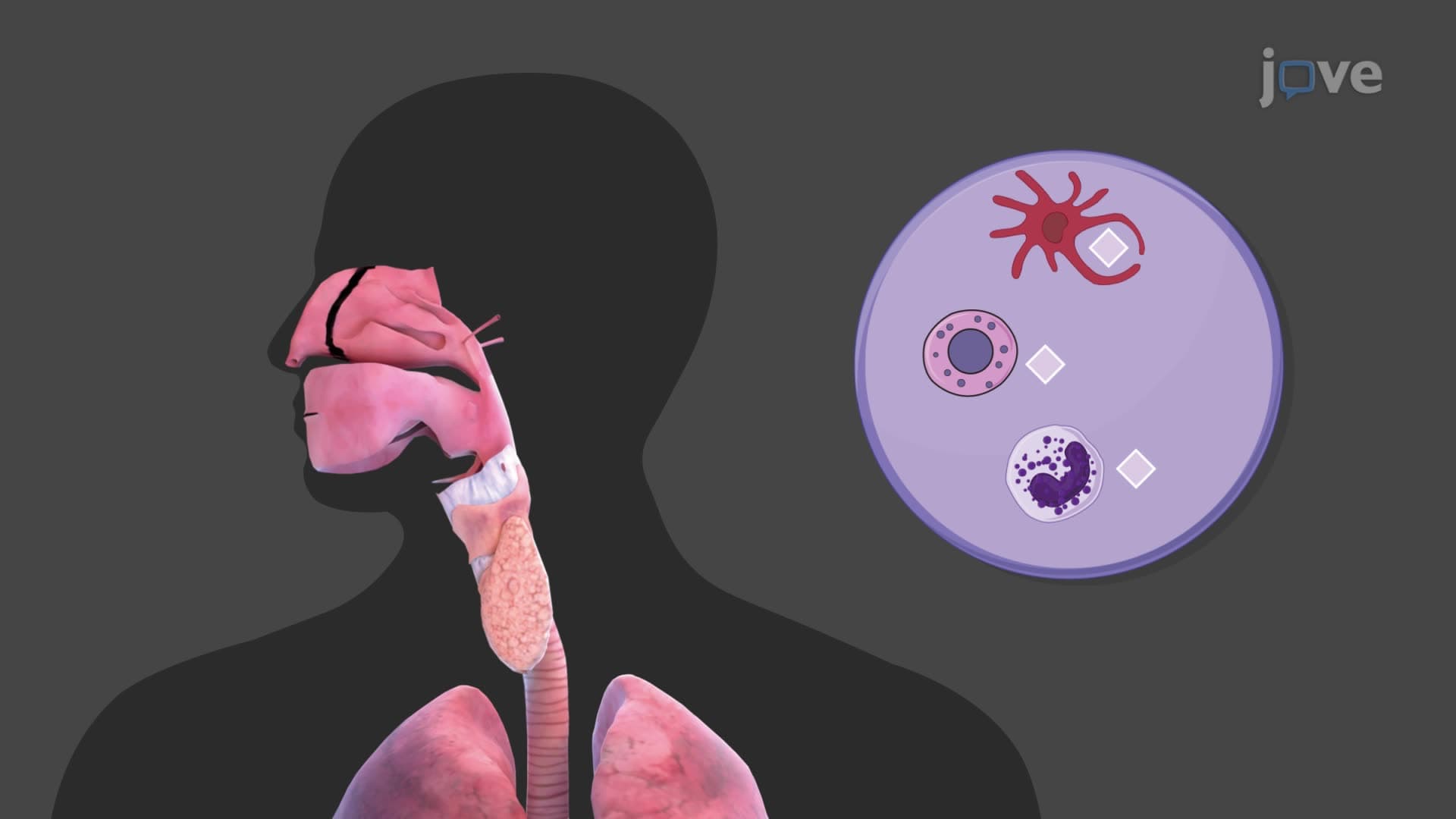
The pharynx anatomy biology represents one of the most strategically important regions in human anatomy, functioning as a muscular tube that serves dual roles in both respiratory and digestive systems. This remarkable 13-centimeter structure extends from the internal nares down to the cricoid cartilage, creating a vital crossroads where air, food, and liquids must navigate safely to their respective destinations.
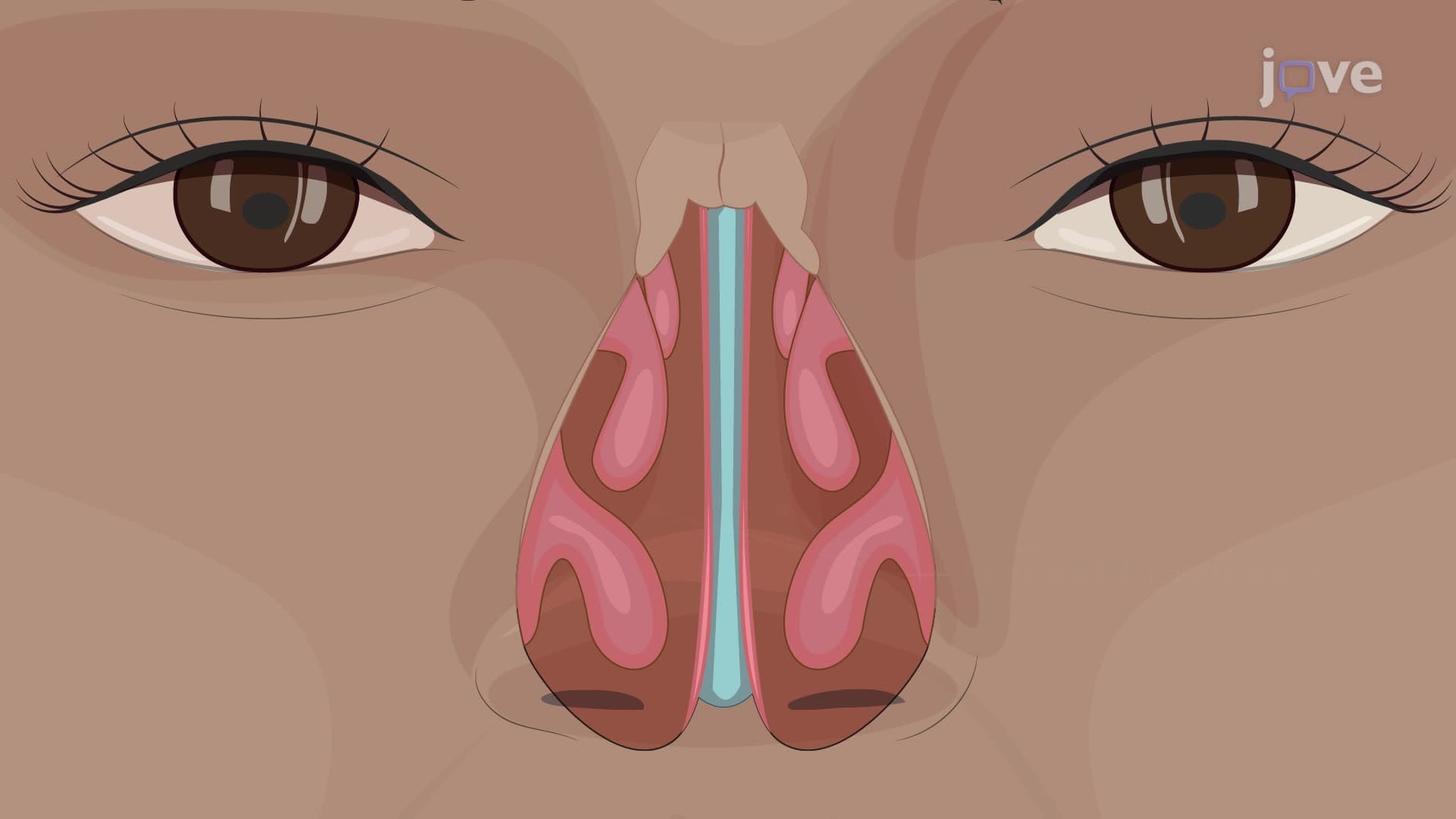
The nasopharynx occupies the uppermost position in throat pharynx structure function, situated directly behind the nasal cavity and extending to the soft palate. This region showcases specialized ciliated pseudostratified columnar epithelium that actively propels mucus downward, creating a self-cleaning mechanism essential for respiratory health. The pharyngeal tonsil, commonly known as adenoids, guards this region by trapping airborne pathogens and particles. Students studying for the MCAT often encounter questions about this region's connection to middle ear infections through the Eustachian tubes, which open into the nasopharynx and can become blocked during upper respiratory infections.
Understanding what is the pharynx in respiratory anatomy requires examining how the middle and lower regions adapt to handle both air and food passage. The oropharynx serves as the throat's busiest intersection, where the fauces (opening from the oral cavity) allows entry of food, liquids, and air. This region houses four major tonsils: two palatine tonsils embedded in the lateral walls and two lingual tonsils positioned behind the tongue base.
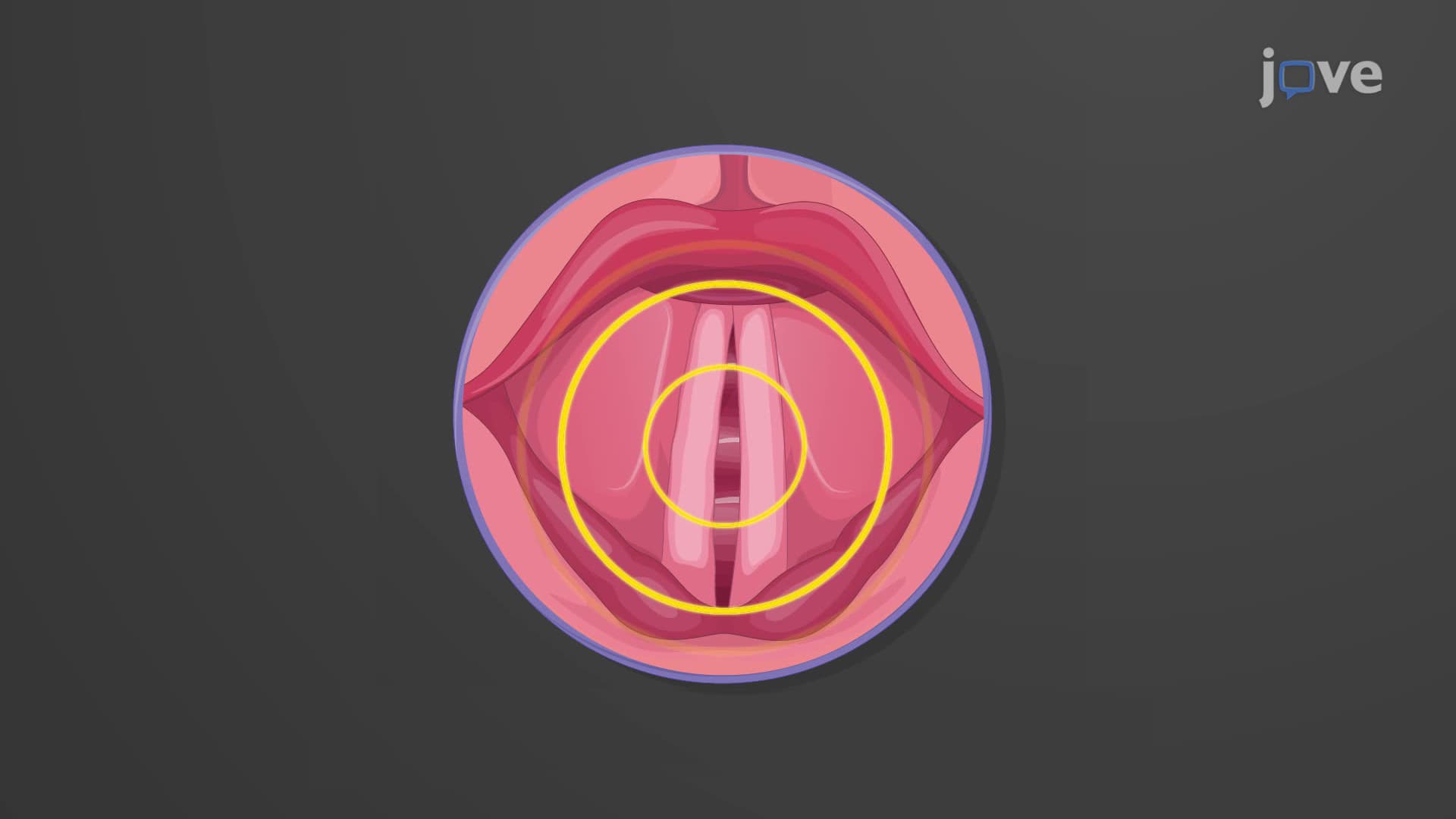
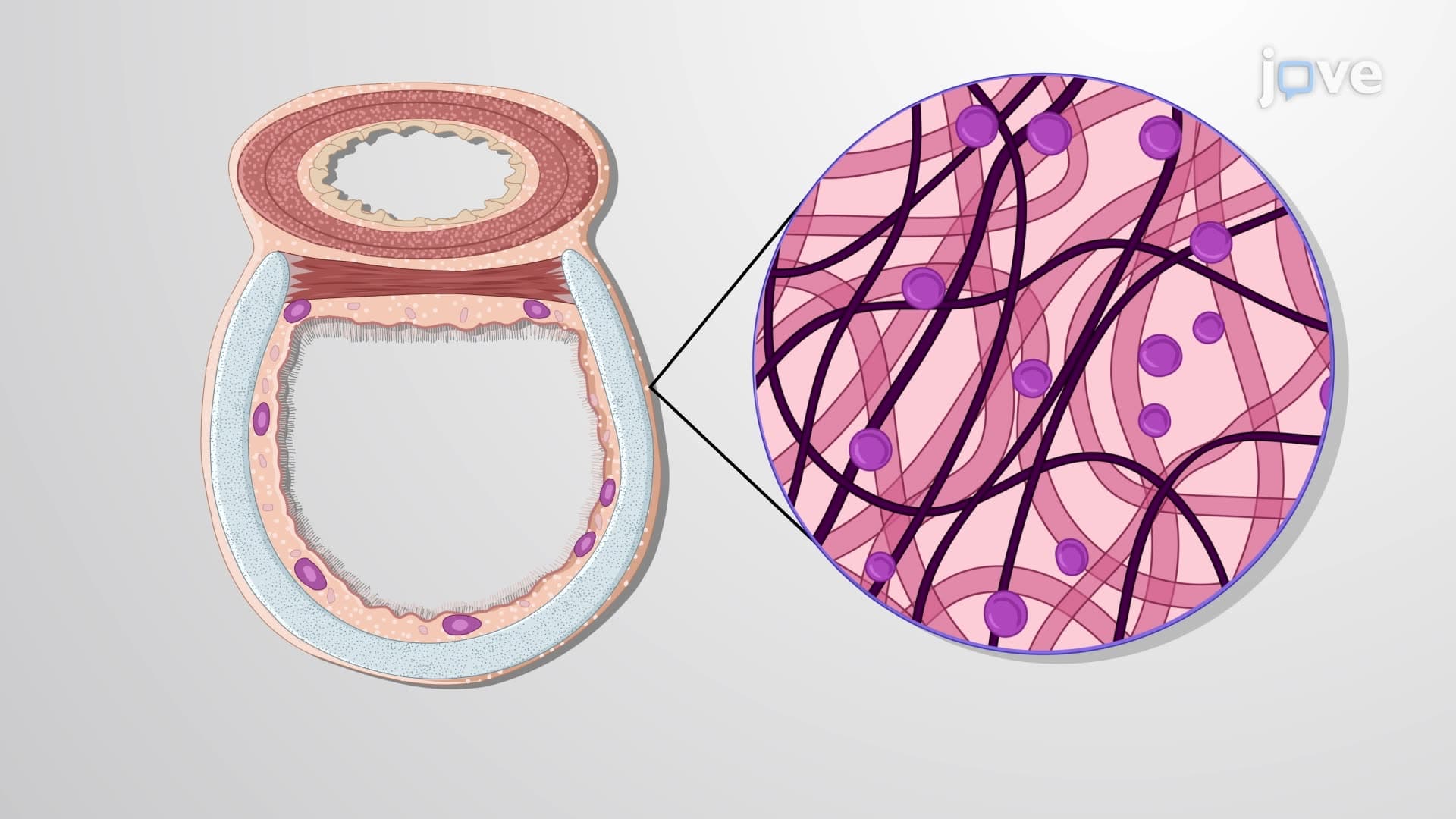
The laryngopharynx represents the pharynx's lowest segment, where critical anatomical decisions occur. Posteriorly, it opens into the esophagus for food passage, while anteriorly it connects to the larynx for air passage. Both the oropharynx and laryngopharynx feature nonkeratinized stratified squamous epithelium, providing essential protection against mechanical abrasion from food particles during swallowing.
For AP Biology students, the pharyngeal anatomy structure exemplifies how form follows function in biological systems. The epithelial tissue variations demonstrate evolutionary adaptations: ciliated epithelium for mucus transport in the nasopharynx versus squamous epithelium for protection in food-contact regions. Pre-med students preparing for the MCAT frequently encounter questions linking pharyngeal dysfunction to aspiration pneumonia, where food particles accidentally enter the respiratory tract due to compromised swallowing reflexes.
Healthcare programs emphasize the Eustachian tube pharynx connection when studying middle ear infections in pediatric patients, as the shorter, more horizontal Eustachian tubes in children predispose them to frequent ear infections when nasopharyngeal inflammation blocks proper drainage.
Related Micro-courses