Loading video…

 21 Concepts
 2M views

Video Summary: What Is Isotopes
Did you know that the carbon in your pencil graphite contains atoms with different masses, yet they're all still carbon? Isotopes biology explained reveals how atoms of the same element can vary in neutron count while maintaining identical chemical properties. Take carbon dating used by archaeologists at the Smithsonian Institution-this technique relies on carbon-14's radioactive decay to determine artifact ages. What is isotopes becomes clearer when you understand that these atomic variants drive everything from medical imaging to geological dating. Watch the full video on JoVE Coach to master this concept with expert-led visuals and step-by-step explanations.
What are isotopes in biology and chemistry fundamentally comes down to nuclear composition. While all atoms of an element share the same number of protons (atomic number), isotopes differ in their neutron count. This neutron number isotope variation creates atoms with identical chemical behavior but different physical properties, particularly mass and nuclear stability.
The atomic mass isotope concept becomes crucial when examining real examples. Carbon serves as an ideal case study: carbon-12 (6 protons, 6 neutrons) represents the most abundant form, while carbon-13 (6 protons, 7 neutrons) occurs naturally in smaller quantities. Both remain chemically identical-they form the same bonds and participate in identical reactions-yet their mass differences make them distinguishable through advanced analytical techniques.
Radioactive stable isotope classification depends on the neutron-to-proton ratio within the nucleus. Lighter elements typically achieve stability when neutron and proton numbers approximately equal each other. However, as atomic numbers increase, stable nuclei require progressively more neutrons than protons to counteract increasing electromagnetic repulsion.
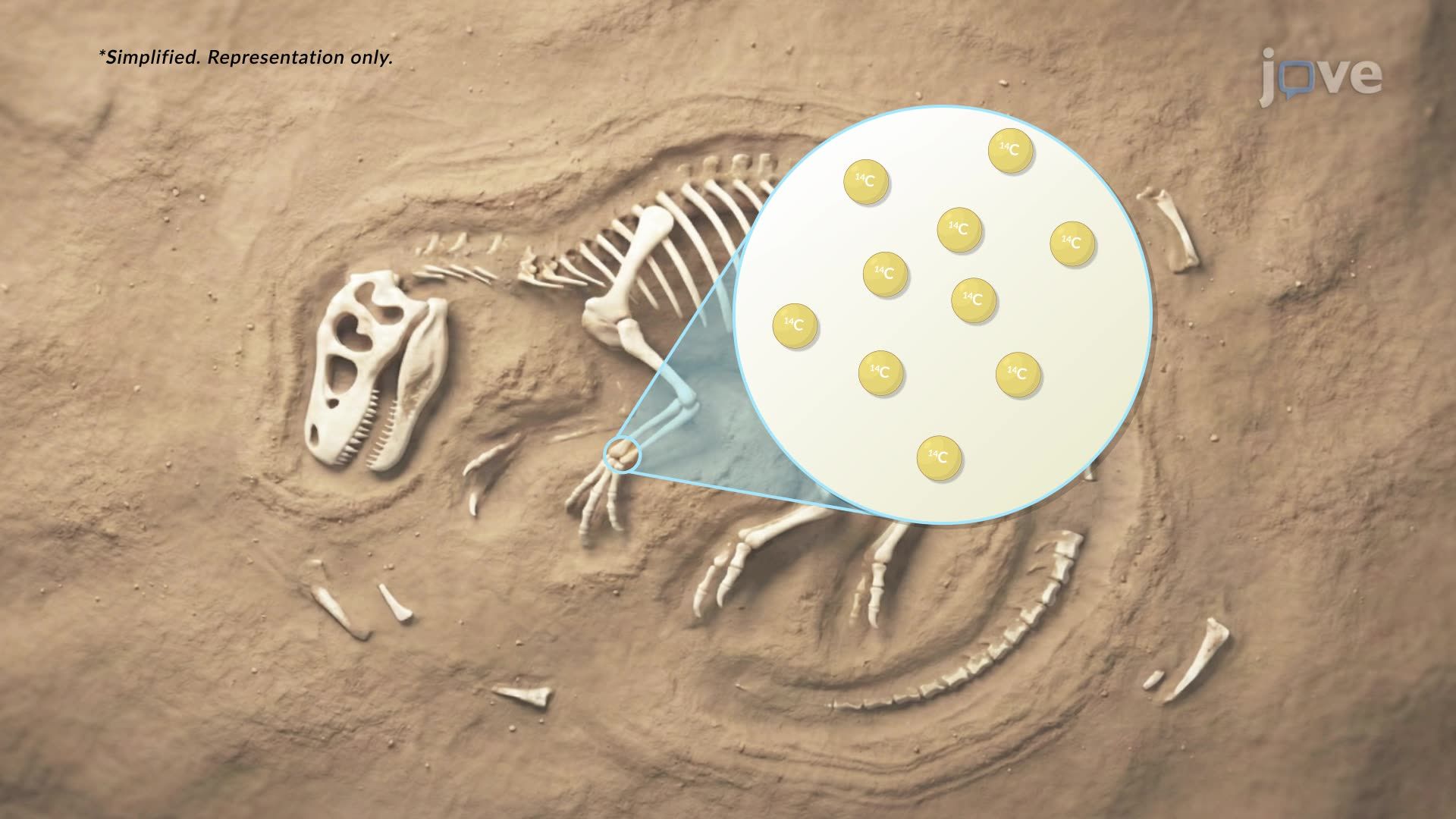
Carbon-14 exemplifies radioactive isotope behavior. With 8 neutrons and 6 protons, this isotope's nucleus becomes unstable, undergoing beta decay with a half-life of approximately 5,730 years. This predictable decay rate enables archaeologists at institutions like the University of Arizona's radiocarbon laboratory to date organic materials up to 50,000 years old.
Isotope biology application extends far beyond academic curiosity. Medical facilities across the United States employ isotopic tracers for diagnostic imaging and cancer treatment. Iodine-131, used at major medical centers like Johns Hopkins and Mayo Clinic, targets thyroid tissue specifically due to iodine's natural biological pathway, while the isotope's radioactive properties enable both imaging and therapeutic applications.
Students preparing for AP Chemistry, MCAT, or college-level chemistry courses encounter isotope concepts regularly. Mass number isotope calculations appear frequently on standardized tests, requiring understanding of how to determine neutron numbers from mass and atomic numbers. The College Board's AP Chemistry curriculum specifically emphasizes isotopic abundance calculations and their relationship to average atomic mass-concepts directly applicable to real-world analytical chemistry careers.
Related Micro-courses