Loading video…

 21 Concepts
 2M views

Video Summary: What Is Van Der Waals Interactions
Ever wonder how geckos walk up glass walls without falling? The secret lies in van der Waals interactions biology, the weak but crucial forces that allow molecules to stick together even when they have no permanent charge. These forces enable everything from gecko feet adhering to surfaces to the precise folding of proteins in your cells. Understanding what are van der Waals interactions helps explain countless biological processes, from how cell membranes maintain their structure to how enzymes recognize their targets. Watch the full video on JoVE Coach to master this concept with expert-led visuals and step-by-step explanations.
Van der Waals interactions represent one of nature's most elegant solutions to molecular recognition and stability. These weak intermolecular forces, typically ranging from 0.5 to 2 kcal/mol, may seem insignificant compared to covalent bonds (50-100 kcal/mol), but their cumulative effect drives countless biological processes. In the human body, these forces help maintain the double helix structure of DNA, enable antibody-antigen recognition, and allow hemoglobin to change shape when binding oxygen.
Dipole-dipole interactions occur between permanently polar molecules like water, where the positive end of one molecule attracts the negative end of another. In biological systems, this is crucial for protein secondary structure, where polar amino acid side chains interact to stabilize alpha helices and beta sheets.
Dipole-induced dipole forces arise when a polar molecule distorts the electron cloud of a nearby nonpolar molecule. This mechanism is essential in cell membranes, where polar phospholipid heads interact with nonpolar cholesterol molecules, helping regulate membrane fluidity, a concept frequently tested on the AP Biology exam.
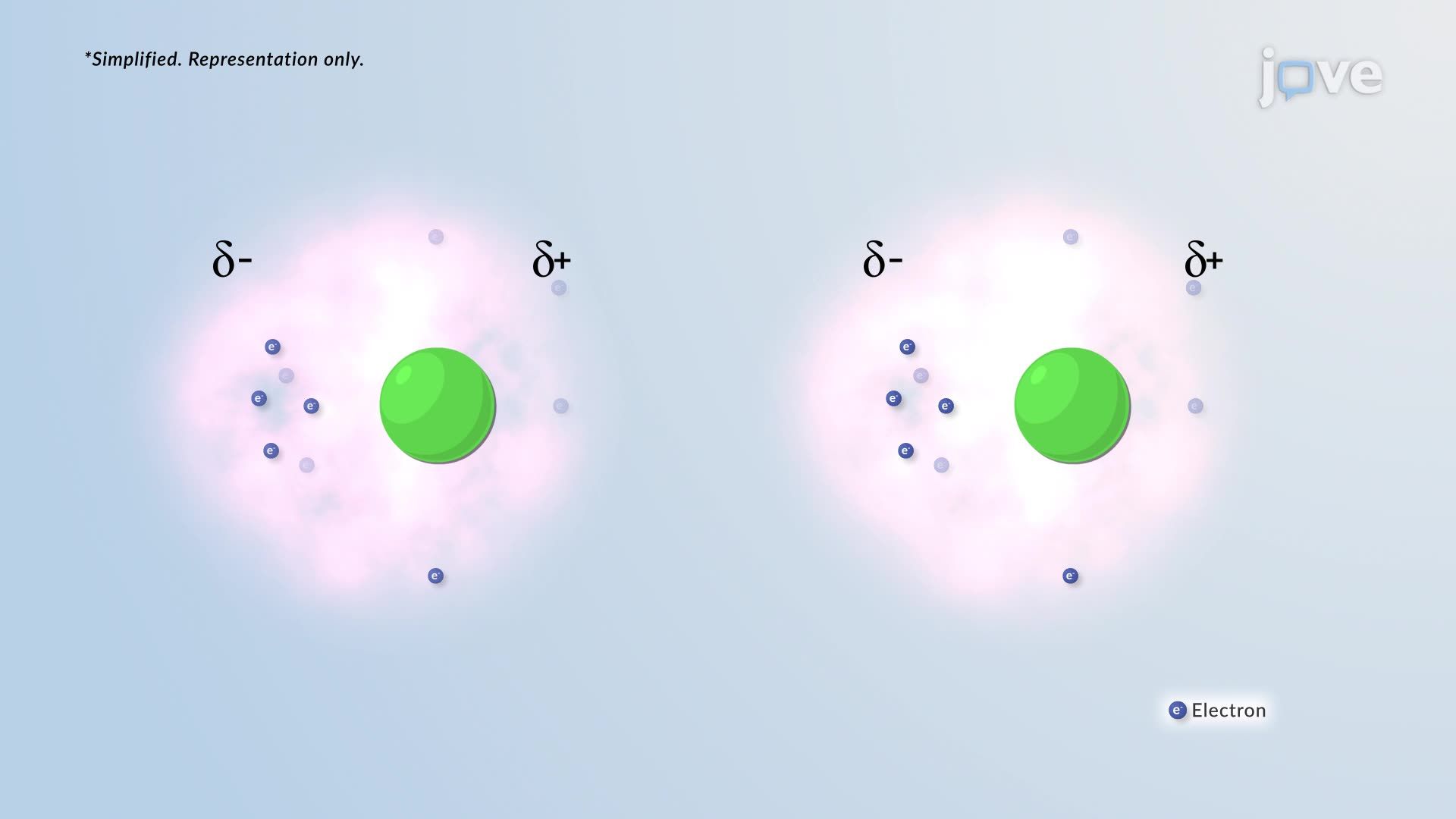
London dispersion forces represent the most universal type, occurring between all molecules regardless of polarity. These forces result from temporary dipoles created by the constant motion of electrons. While individually weak, they become significant in large biological molecules like proteins, where hundreds of these interactions collectively provide substantial stabilization.
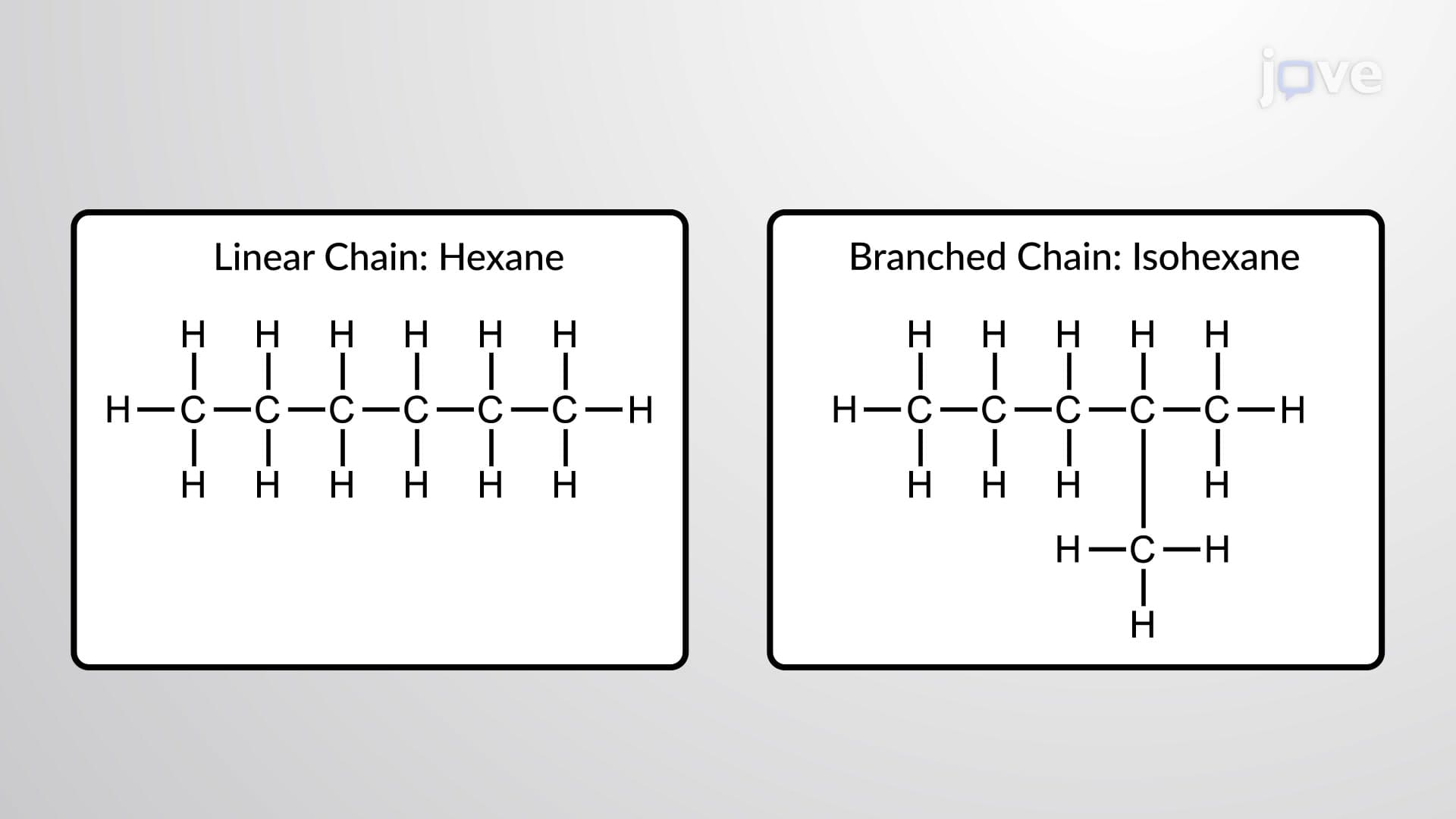
Understanding van der Waals forces is crucial for success in advanced coursework and standardized tests. The MCAT regularly includes questions about protein folding, where students must predict how amino acid interactions stabilize tertiary structure. College organic chemistry courses emphasize how these forces influence boiling points and solubility, concepts that directly relate to drug absorption and distribution in pharmacology.
In pharmaceutical research, scientists at companies like Pfizer and Merck design drugs that optimize van der Waals interactions with target proteins. The COVID-19 antiviral drug Paxlovid, for example, relies heavily on these weak forces to bind effectively to the SARS-CoV-2 protease enzyme while avoiding strong interactions that might cause unwanted side effects.
Related Micro-courses