Loading video…


 11 Concepts
 665.9K views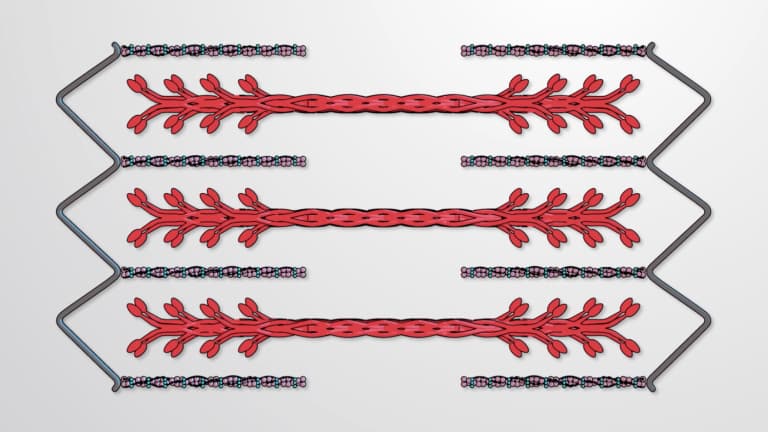

Video Summary: What Is Cross Bridge Cycle
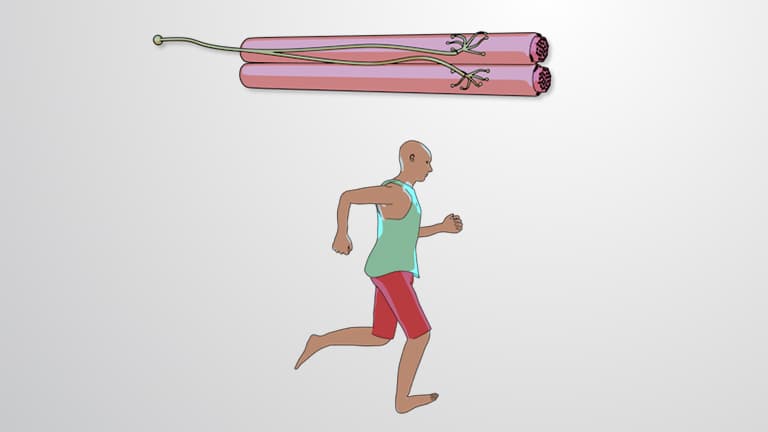
Ever wonder how your bicep muscles can lift a 20-pound dumbbell at your local gym? The cross bridge cycle is the molecular mechanism that makes muscle contraction possible, involving a precise dance between myosin and actin proteins powered by ATP energy. This fundamental process occurs millions of times per second in American athletes during competitions like the Boston Marathon. Watch the full video on JoVE Coach to master this concept with expert-led visuals and step-by-step explanations.
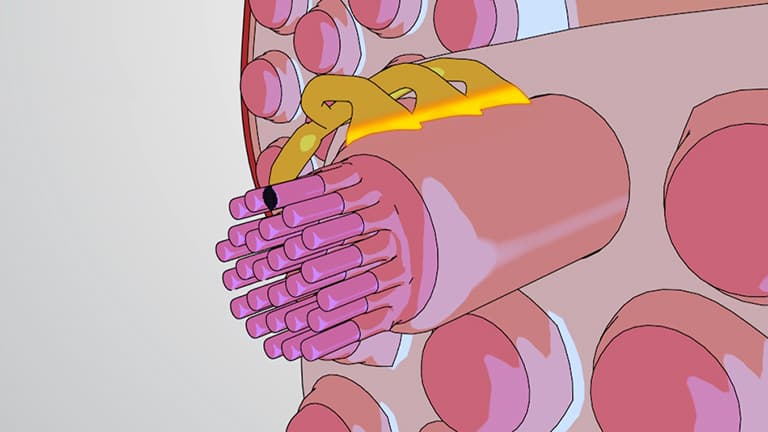
The cross bridge cycle represents one of biology's most elegant molecular machines, explaining how muscles generate the force needed for everything from a pitcher's fastball at Yankee Stadium to the precise movements of a surgeon's hands. This cyclical process occurs within sarcomeres, the basic contractile units of muscle fibers, where thick myosin filaments interact with thin actin filaments to produce movement.
The cross bridge cycle definition encompasses four distinct phases that repeat continuously during muscle contraction. First, ATP binding to myosin causes the cross bridge to detach from actin. Second, ATP hydrolysis energizes the myosin head, cocking it into a high-energy position. Third, the energized myosin head binds to actin, forming a new cross bridge. Finally, the power stroke occurs as ADP and phosphate are released, causing the myosin head to pivot and pull the actin filament toward the sarcomere center.
This molecular process generates approximately 3-4 piconewtons of force per cross bridge-seemingly tiny, but when millions of cross bridges work together, they can produce the tremendous forces seen in Olympic weightlifting competitions or NFL linemen pushing against each other.
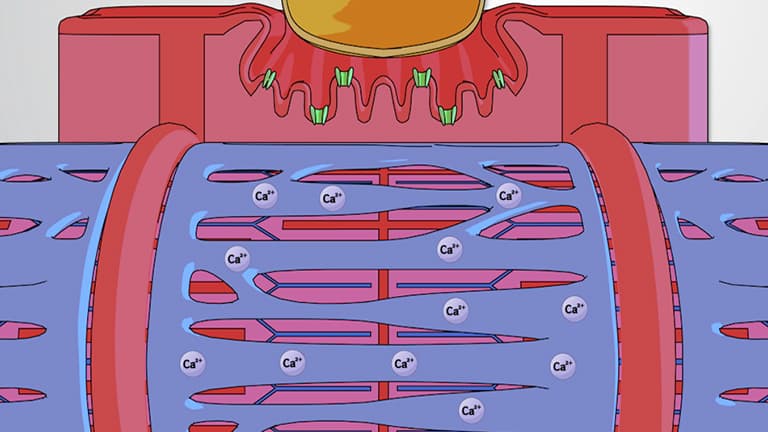
The cross bridge cycle requires precise regulation through calcium ions released from the sarcoplasmic reticulum. In resting muscle, tropomyosin proteins block myosin binding sites on actin filaments. When calcium floods the sarcomere, it binds to troponin complexes, causing tropomyosin to shift and expose binding sites. This regulatory mechanism explains why muscle relaxants work in medical procedures-they interfere with calcium availability or troponin function.
Students preparing for the MCAT or AP Biology exams should understand that this calcium-dependent regulation differs between muscle types. Cardiac muscle shows unique calcium handling that medical students study extensively for USMLE Step 1, particularly regarding heart failure mechanisms.
Understanding the cross bridge cycle proves essential for healthcare careers. Physical therapists at rehabilitation centers like those in the Mayo Clinic system use this knowledge to design exercise programs for stroke patients. The cycle also explains rigor mortis-when ATP depletes after death, cross bridges remain permanently attached, causing muscle stiffness.
For pre-med students, cross bridge cycle dysfunction underlies many diseases. Duchenne muscular dystrophy affects the structural proteins supporting cross bridge function, while malignant hyperthermia involves uncontrolled calcium release that triggers excessive cross bridge cycling.
Related Micro-courses