Loading video…


 11 Concepts
 665.9K views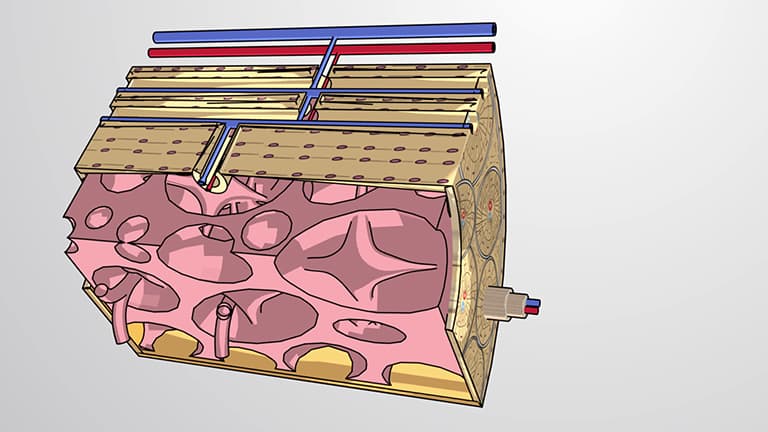

Video Summary: What Is Bone Structure
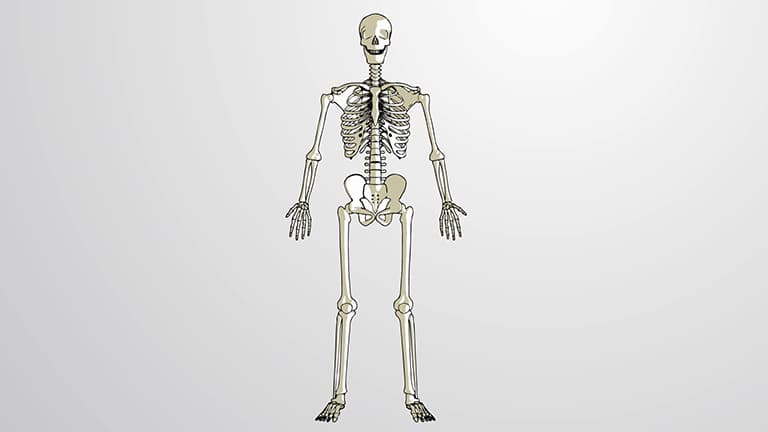
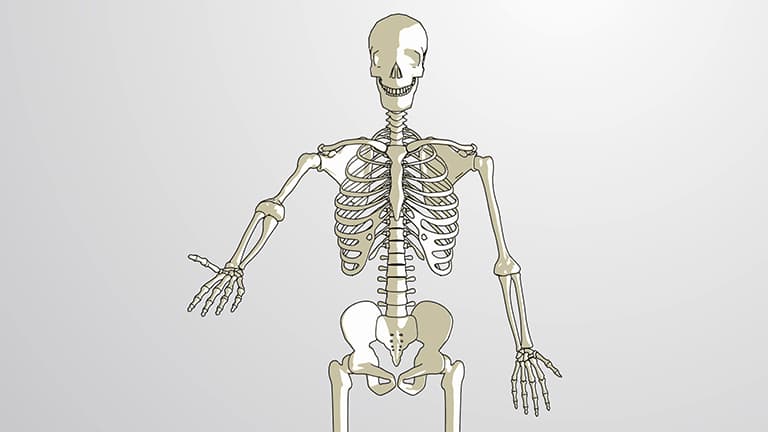
Did you know that your thighbone is stronger than concrete? Bone structure forms one of the body's most remarkable engineering marvels, combining lightweight design with incredible strength. The femur, America's most commonly fractured bone in elderly patients, demonstrates how cortical and cancellous tissues work together to create this biological masterpiece. Understanding what is bone structure reveals how your skeleton supports everything from a basketball player's slam dunk to an astronaut's weightless movements. Watch the full video on JoVE Coach to master this concept with expert-led visuals and step-by-step explanations.
Bone structure represents one of biology's most sophisticated architectural achievements. Unlike static building materials, bones continuously remodel themselves while maintaining structural integrity that surpasses many engineered materials. This dynamic system supports everything from a marathon runner's 26.2-mile journey to the precise movements of a surgeon's hands.
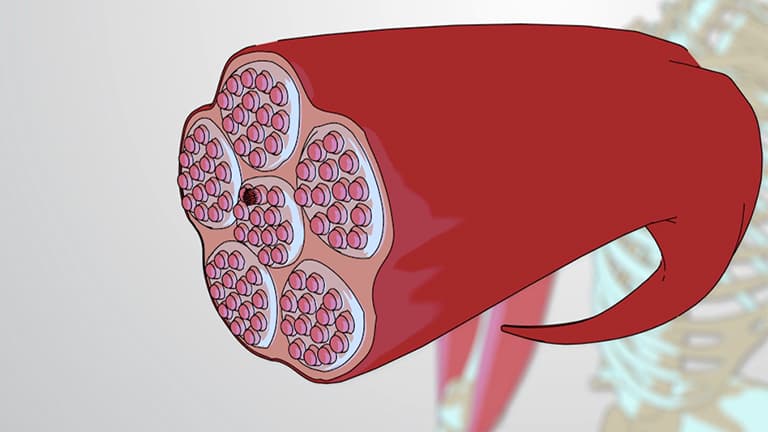
The outer layer of cortical bone forms approximately 80% of the adult skeleton's total mass. This compact tissue creates a dense shell around the medullary cavity, where yellow bone marrow stores energy-rich fat cells. The periosteum, a specialized membrane covering this outer layer, contains the blood vessels and nerves essential for bone nutrition and sensation. When orthopedic surgeons repair fractures-a procedure performed over 6 million times annually in US hospitals-they must carefully preserve this periosteal layer to ensure proper healing.
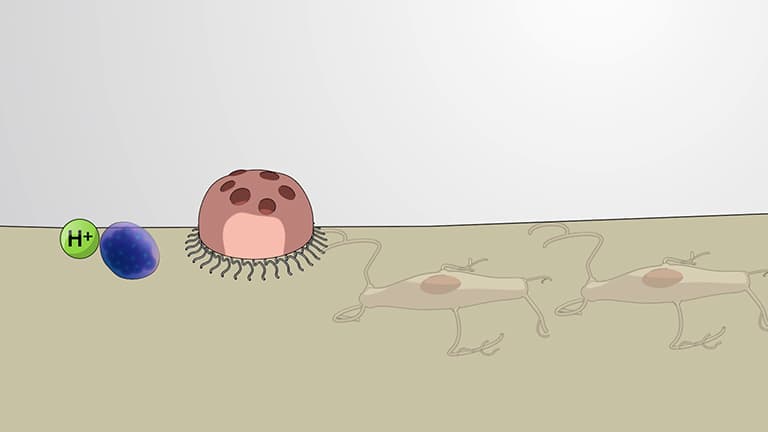
The microscopic organization within cortical bone centers on osteons, cylindrical structures arranged like tree rings. Each osteon contains concentric lamellae surrounding a central Haversian canal, which houses blood vessels and nerve fibers. This arrangement allows efficient nutrient transport while maintaining structural strength. Students preparing for the MCAT or AP Biology exams should understand how osteoblasts mature into osteocytes within lacunae, as this cellular transformation frequently appears in standardized testing.
Cancellous bone demonstrates nature's mastery of weight optimization. Found primarily in the epiphyses of long bones, this spongy tissue creates a honeycomb-like network called trabeculae. These structures align along stress lines, maximizing strength while minimizing mass-a principle engineers now apply in aerospace and automotive design.
The spaces between trabeculae house red bone marrow, containing hematopoietic stem cells that produce blood cells and platelets. This process, called hematopoiesis, generates approximately 200 billion red blood cells daily in healthy adults. Medical students studying for the USMLE should note that diseases affecting this marrow space, such as leukemia or aplastic anemia, directly impact blood cell production.
Understanding bone structure proves essential for healthcare careers. Nursing students taking the NCLEX-RN encounter questions about osteoporosis, where decreased bone density primarily affects trabecular bone first. Physical therapy students must comprehend how bone remodeling responds to mechanical stress-knowledge crucial for designing rehabilitation programs.
For college anatomy courses, bone structure concepts integrate with physiology topics including calcium homeostasis and endocrine regulation. Students should connect bone architecture to metabolic processes, as this interdisciplinary approach reflects modern healthcare's emphasis on systems-based thinking.
Related Micro-courses