Loading video…

 4 Concepts
 220.9K views

Video Summary: What are Types of Selection
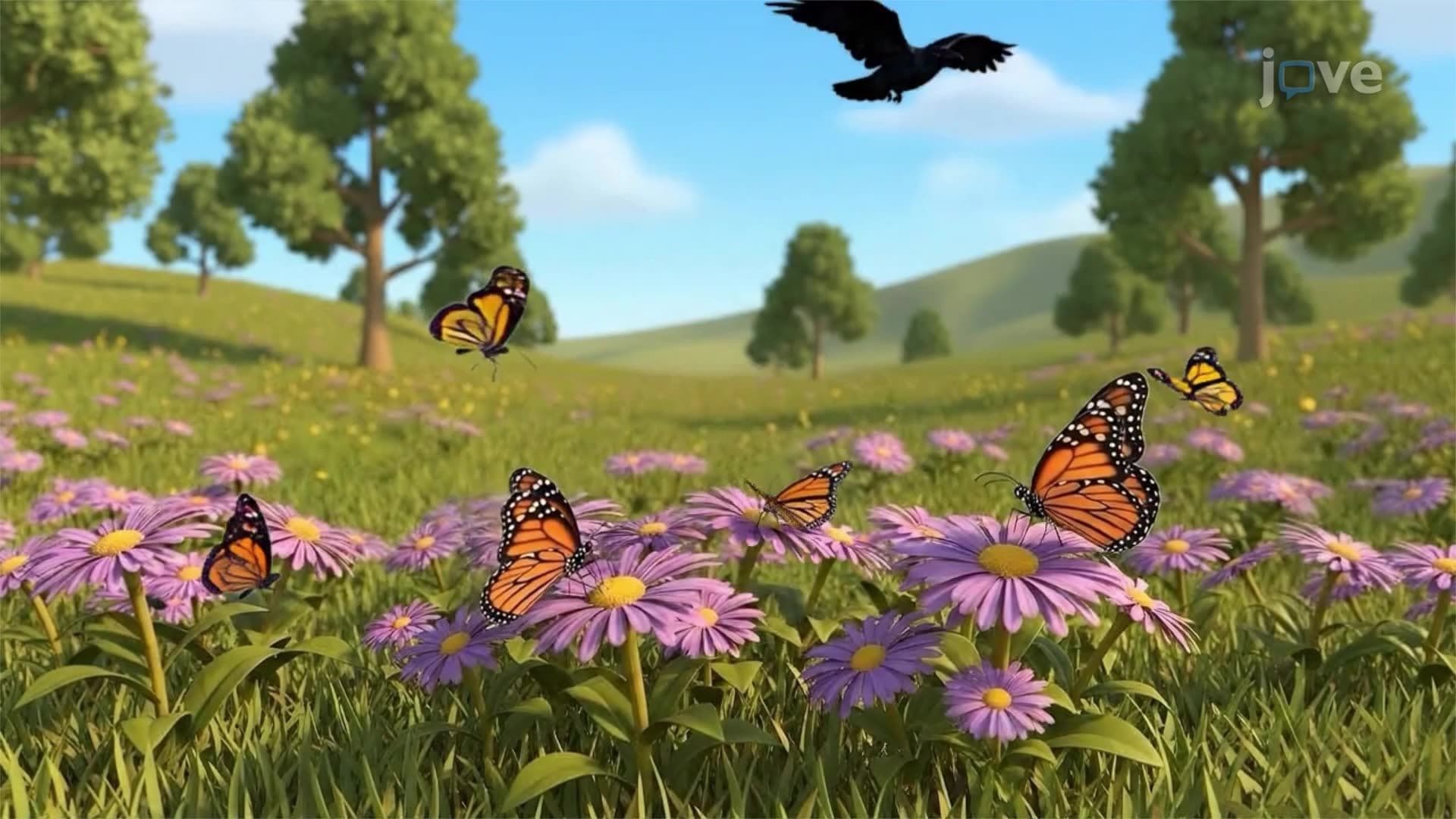
Ever wonder why peacocks have such elaborate tail feathers while their forest-dwelling cousins remain camouflaged? The types of selection operating in nature shape these dramatic differences through three primary mechanisms: directional, stabilizing, and disruptive selection. These evolutionary forces determine which traits survive and spread through populations, from the bright warning colors of monarch butterflies to the varied beak sizes of Darwin's finches in the Galápagos. Watch the full video on JoVE Coach to master this concept with expert-led visuals and step-by-step explanations.
Natural selection acts as evolution's primary driving force, but it doesn't operate the same way in every situation. The types of selection definition encompasses three distinct mechanisms that shape how traits change in populations: directional selection favors one extreme, stabilizing selection favors intermediate traits, and disruptive selection favors both extremes while eliminating the middle ground.
Directional selection occurs when environmental conditions consistently favor individuals at one end of a trait spectrum. This type creates a clear evolutionary "push" in one direction. The classic example involves the peppered moths of industrial England, where darker moths gained a survival advantage on soot-covered trees during the Industrial Revolution. In the United States, we observe directional selection in antibiotic-resistant bacteria, where repeated antibiotic use favors increasingly resistant strains.
Sexual selection represents a specialized form of directional selection where mate choice drives trait evolution. Male northern cardinals' bright red plumage exemplifies this process-females consistently choose the most vibrant males, leading to increasingly striking coloration over generations.
Stabilizing selection preserves intermediate phenotypes while eliminating extremes on both sides. This mechanism maintains population stability when the current average represents the optimal solution. Human birth weight demonstrates this perfectly: babies born at average weights (6-8 pounds) have higher survival rates than those at either extreme. Similarly, cliff swallows in Nebraska with medium-sized wings show better survival than those with very long or very short wings.
Disruptive selection creates a bimodal distribution by favoring traits at both ends of the spectrum while selecting against intermediate forms. This process can lead to speciation over time. African seed-cracker finches illustrate this beautifully-birds with either very large beaks (for cracking hard seeds) or very small beaks (for handling soft seeds) outcompete those with medium-sized beaks.
AP Biology frequently tests selection types through data interpretation questions, requiring students to analyze graphs showing trait distributions before and after selection events. College-level courses often emphasize mathematical models, including Hardy-Weinberg equilibrium deviations. MCAT questions commonly integrate selection concepts with population genetics and ecology, testing your ability to predict evolutionary outcomes across multiple generations.
Related Micro-courses