Loading video…


 4 Concepts
 220.9K views

Video Summary: What Is Frequency Dependent Selection
Did you know that some butterflies survive by being copycats while others thrive by standing out? Frequency dependent selection explains how an organism's survival depends on how common or rare its traits are in the population. This fascinating evolutionary process shapes everything from butterfly wing patterns in North American forests to bacterial resistance in US hospitals. Understanding what is frequency dependent selection reveals why being different-or similar-can be a matter of life and death in nature. Watch the full video on JoVE Coach to master this concept with expert-led visuals and step-by-step explanations.
Frequency dependent selection represents a unique evolutionary mechanism where an organism's fitness directly correlates with how common its phenotype is within the population. Unlike directional or stabilizing selection, this process creates dynamic fitness landscapes that shift as population compositions change. This concept frequently appears on AP Biology exams and college evolutionary biology courses, making it essential for students pursuing STEM careers.
In positive frequency dependent selection, common phenotypes gain fitness advantages as their frequency increases. The Heliconius butterfly example from Central and South American species that migrate through southern US states perfectly illustrates this concept. When a particular toxic color pattern becomes prevalent, predatory birds develop stronger avoidance behaviors, benefiting all individuals displaying that pattern. This creates a positive feedback loop where success breeds more success.
Medical students preparing for the MCAT should note similar patterns in bacterial populations, where dominant antibiotic-resistant strains gain advantages as hospitals adapt treatment protocols around the most common resistance mechanisms.
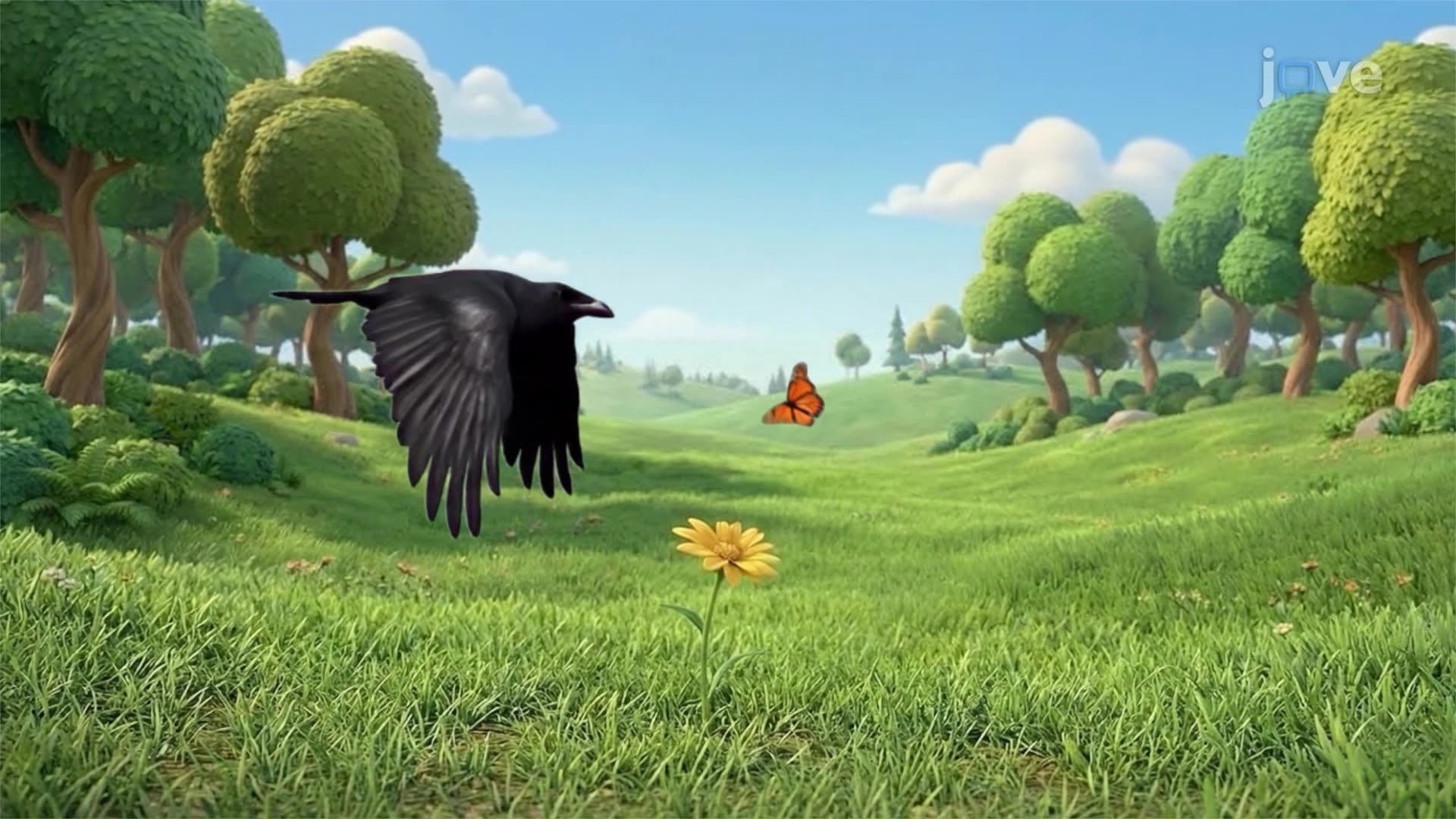
Negative frequency dependent selection operates oppositely-rare phenotypes enjoy higher fitness until they become common enough to lose their advantage. The viceroy butterfly's mimicry of monarch butterflies exemplifies this perfectly in North American ecosystems. When viceroy mimics are scarce, birds mistake them for toxic monarchs and avoid them. However, as mimics increase in frequency, birds encounter more palatable viceroys, eventually learning to distinguish them from true monarchs.
This principle appears in various college biology textbook problems and standardized tests, particularly when discussing evolutionary arms races and frequency-dependent mimicry systems.
Frequency dependent selection maintains genetic diversity by preventing any single phenotype from completely dominating populations. In US agricultural systems, this principle guides crop rotation strategies and pest management programs. Plant pathologists recognize that rare resistance genes in crop varieties may become more valuable as pathogen populations adapt to common resistance mechanisms.
Students should understand that this selection type creates balanced polymorphisms, where multiple phenotypes coexist in stable frequencies-a concept that frequently appears in population genetics problems on college examinations and graduate school entrance exams.
Related Micro-courses