Loading video…


 20 Concepts
 222.1K views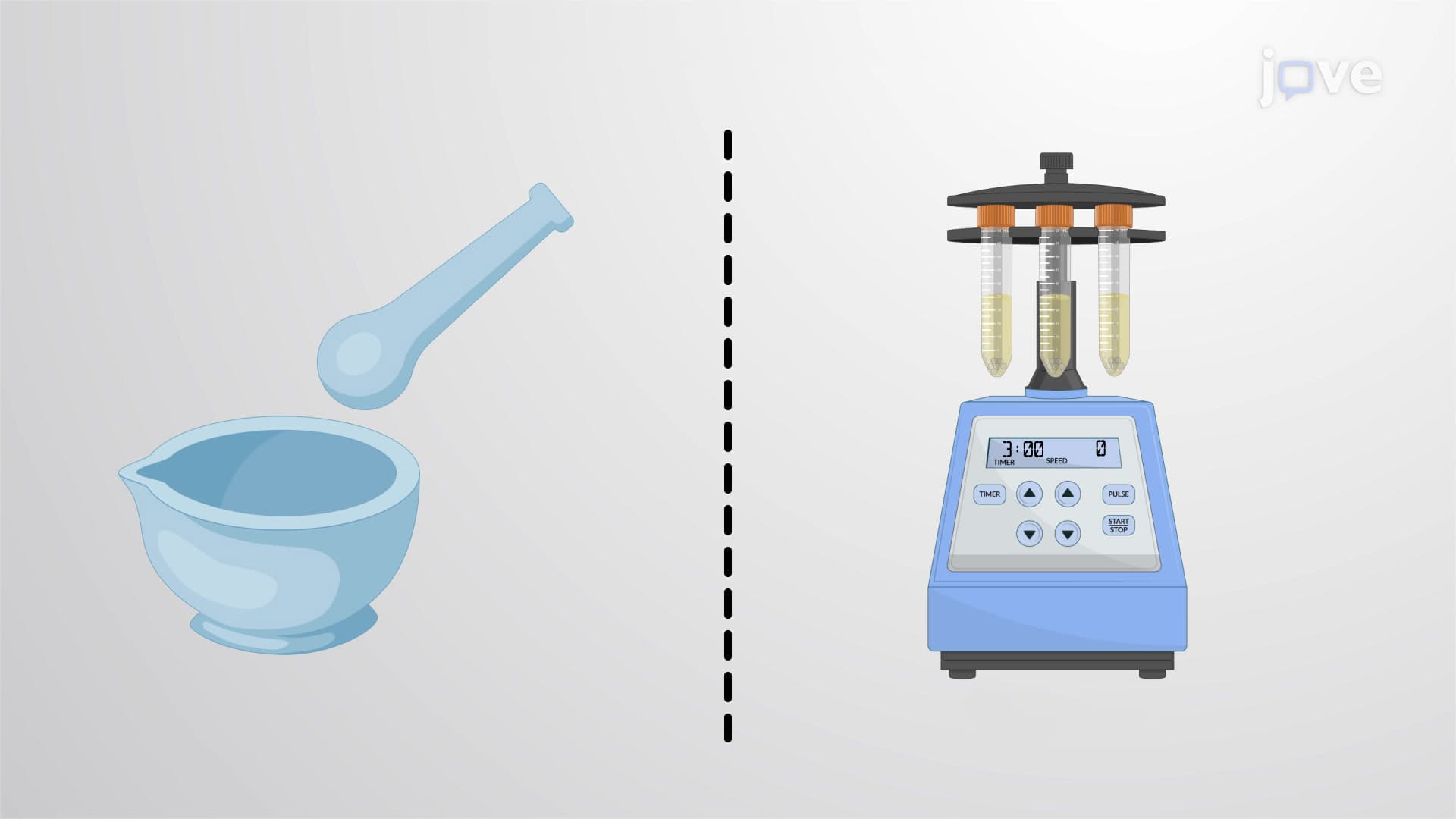

Video Summary: Tissue Homogenization and Cell Lysis Explained
Ever wondered how researchers at the Mayo Clinic extract DNA from cancer cells to study genetic mutations? Tissue homogenization and cell lysis are the fundamental techniques that break down tissue structure and cellular barriers to release valuable biological components like proteins and nucleic acids. From grinding bone samples with mortar and pestle to using high-frequency sound waves for gentle cell disruption, these methods form the backbone of modern biomedical research and diagnostics. Watch the full video on JoVE Coach to master this concept with expert-led visuals and step-by-step explanations.
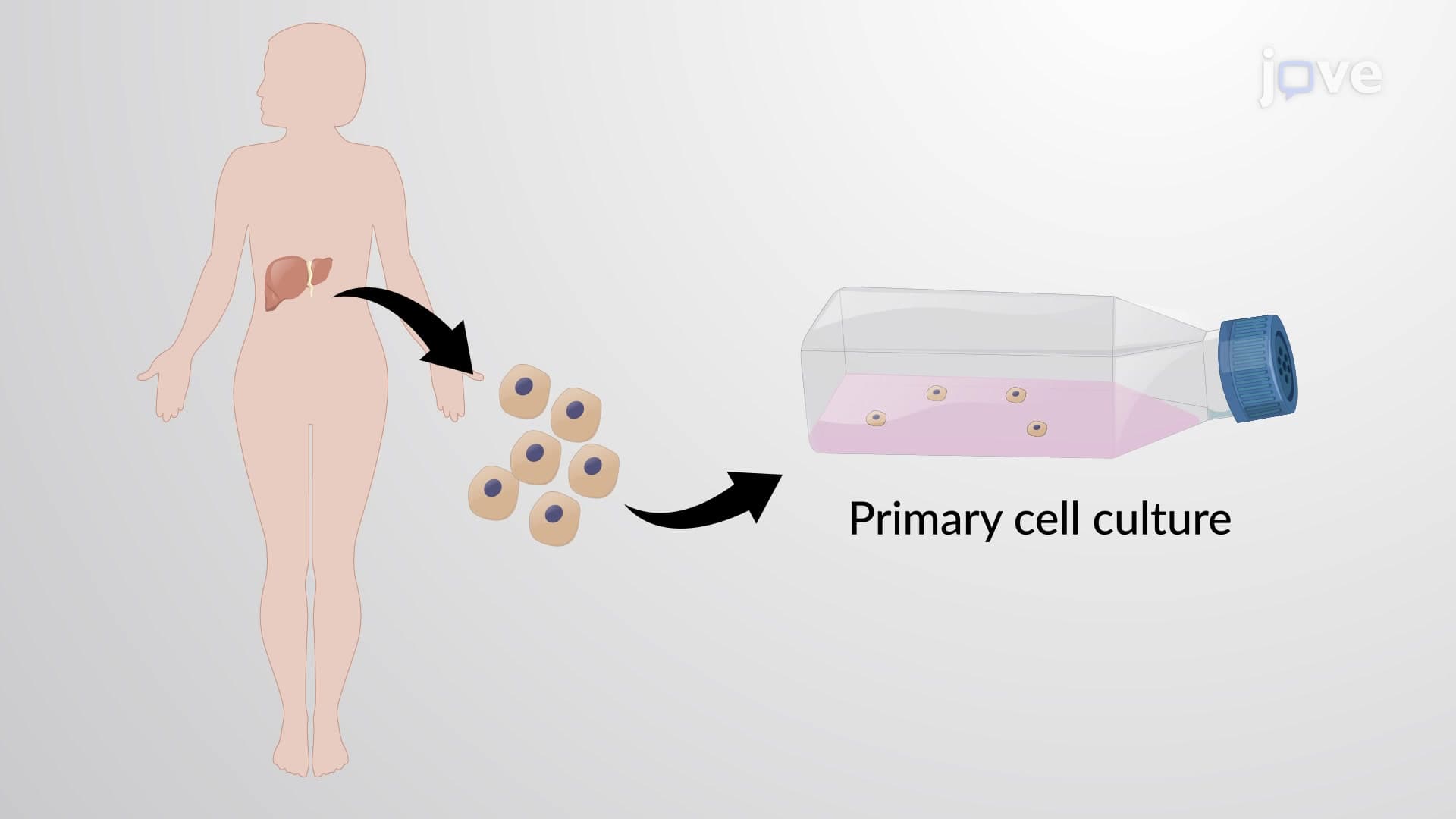
Tissue homogenization and cell lysis represent critical preparatory steps in virtually every molecular biology and biochemistry protocol. These processes systematically dismantle the organized architecture of tissues and cells, releasing intracellular contents for subsequent analysis. The choice of method depends on tissue characteristics, target molecules, and intended applications-from preparing samples for Western blots in college biochemistry labs to isolating RNA for COVID-19 diagnostic tests.
Mechanical techniques employ physical force to disrupt cellular structures. Solid-based methods excel with tough, fibrous samples. Tissue grinders utilize the classical mortar and pestle principle, either manually operated in teaching labs or automated in research facilities like those at Johns Hopkins University. The grinding action physically shears cellular membranes and breaks down extracellular matrix components.
Bead beaters represent a more modern approach, using rapid agitation to create collisions between samples and ceramic or steel beads. This method proves invaluable for processing muscle biopsies or bone samples in orthopedic research. Liquid-based mechanical methods, particularly ultrasonication, generate high-frequency sound waves (typically 20-50 kHz) that create microscopic bubbles. When these bubbles collapse, they produce localized high-pressure zones that rupture cell membranes-a technique commonly used in protein purification protocols.
Non-mechanical approaches target specific cellular components through biochemical means. Enzymatic methods employ protein cocktails containing collagenase (which degrades collagen in connective tissues) or trypsin (which cleaves proteins at specific amino acid sequences). These enzymes prove essential in cell culture applications and are routinely used in cancer research to dissociate tumor samples.
Chemical lysis utilizes detergents like Triton X-100 or SDS to solubilize membrane lipids, while chaotropic agents such as urea disrupt protein-protein interactions. Osmotic lysis exploits water movement across semi-permeable membranes-placing cells in hypotonic solutions causes them to swell and burst, a phenomenon students observe in AP Biology osmosis experiments.
Modern protocols often combine multiple techniques for optimal results. For instance, pharmaceutical companies analyzing drug distribution in tissue samples might use freeze-thaw cycles followed by enzymatic digestion and mechanical homogenization. This multi-step approach ensures complete cellular disruption while preserving target molecule integrity-crucial for accurate MCAT-level biochemistry questions about protein structure and function.
Related Micro-courses