Loading subject page…


222,123 views

Video Summary: What Is Proteomics
Did you know that while your DNA remains the same throughout your life, the proteins your cells produce change constantly? Proteomics is the large-scale study of all proteins expressed by cells, tissues, or organisms at specific times. For instance, researchers at Johns Hopkins University use proteomics to compare protein patterns between healthy individuals and COVID-19 patients, identifying potential biomarkers for early disease detection. This powerful approach combines protein analysis techniques with high-throughput technologies to understand how diseases develop and find new therapeutic targets. Watch the full video on JoVE Coach to master this concept with expert-led visuals and step-by-step explanations.
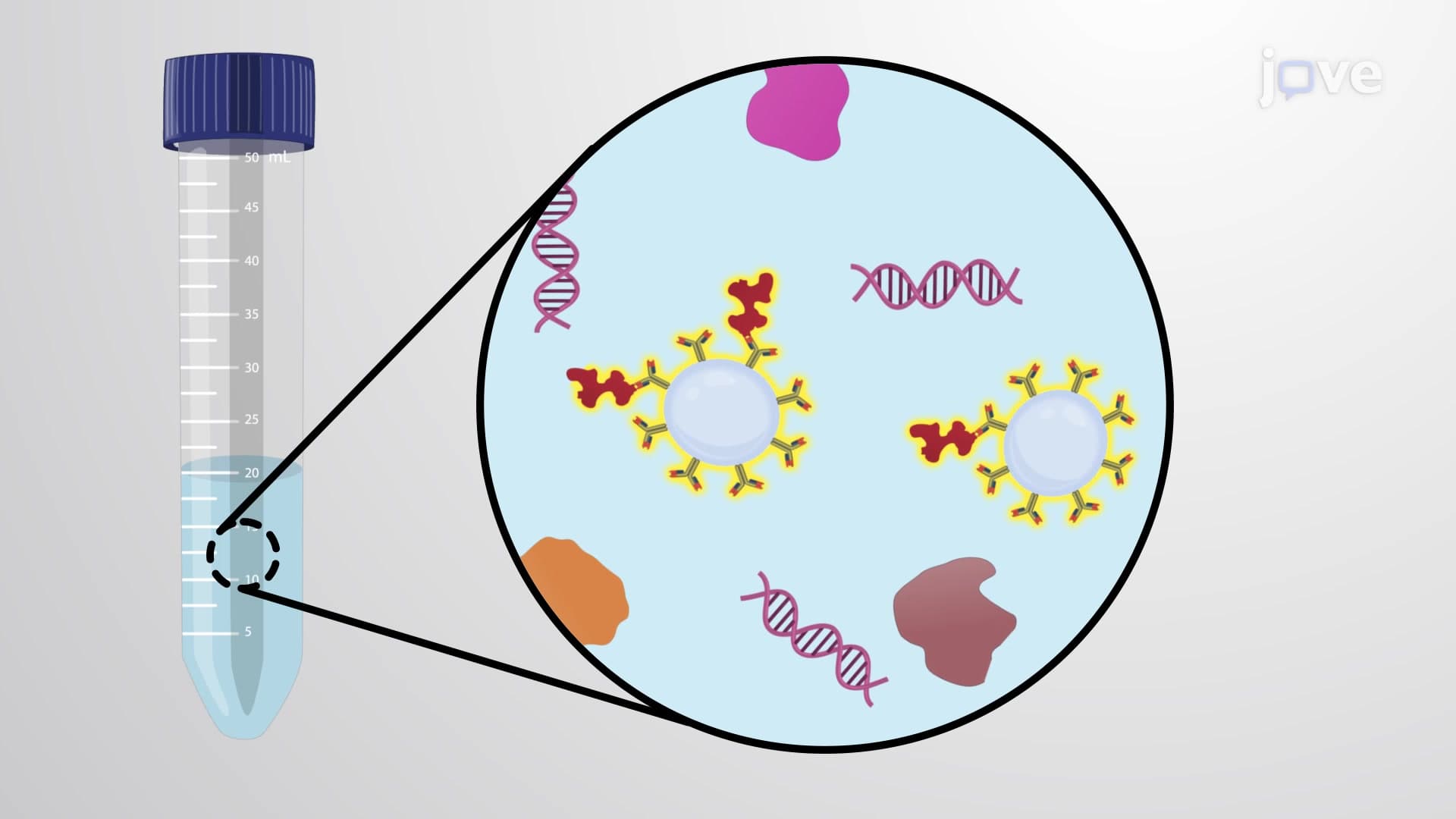
Proteomics represents a revolutionary approach to understanding life at the molecular level. Unlike genomics, which studies static DNA sequences, proteomics examines the dynamic world of proteins-the actual workers that carry out cellular functions. The term "proteome" encompasses all proteins expressed by a biological system at any given moment, making proteomics the comprehensive study of these protein collections.
Scientists employ two distinct strategies when conducting proteomics research. The top-down approach analyzes intact, whole proteins directly from biological samples, preserving their natural structure and modifications. This method proves particularly valuable when studying protein complexes or identifying specific protein variants. Conversely, the bottom-up approach breaks proteins into smaller peptide fragments before analysis, allowing for more sensitive detection and easier database matching.
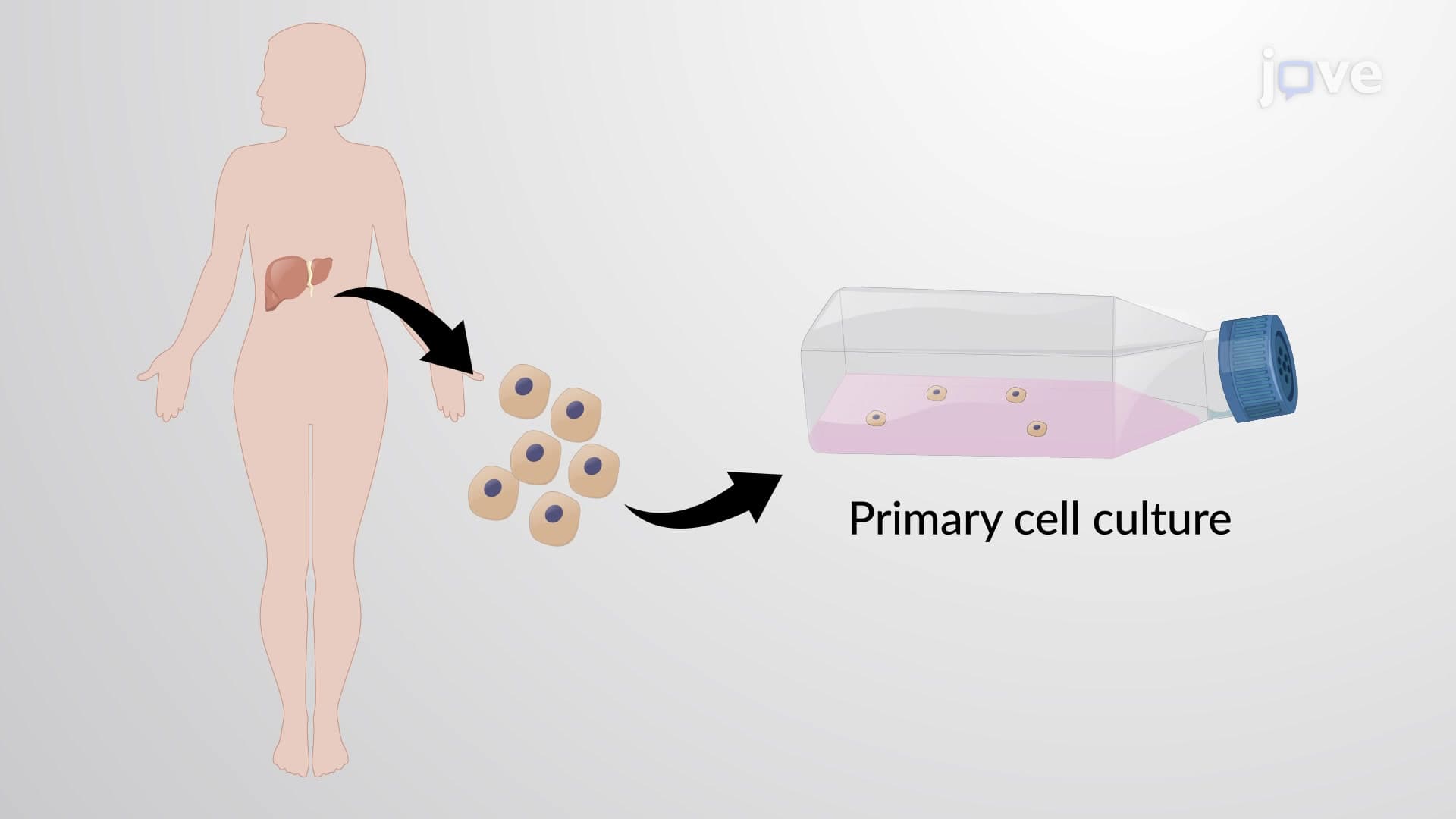
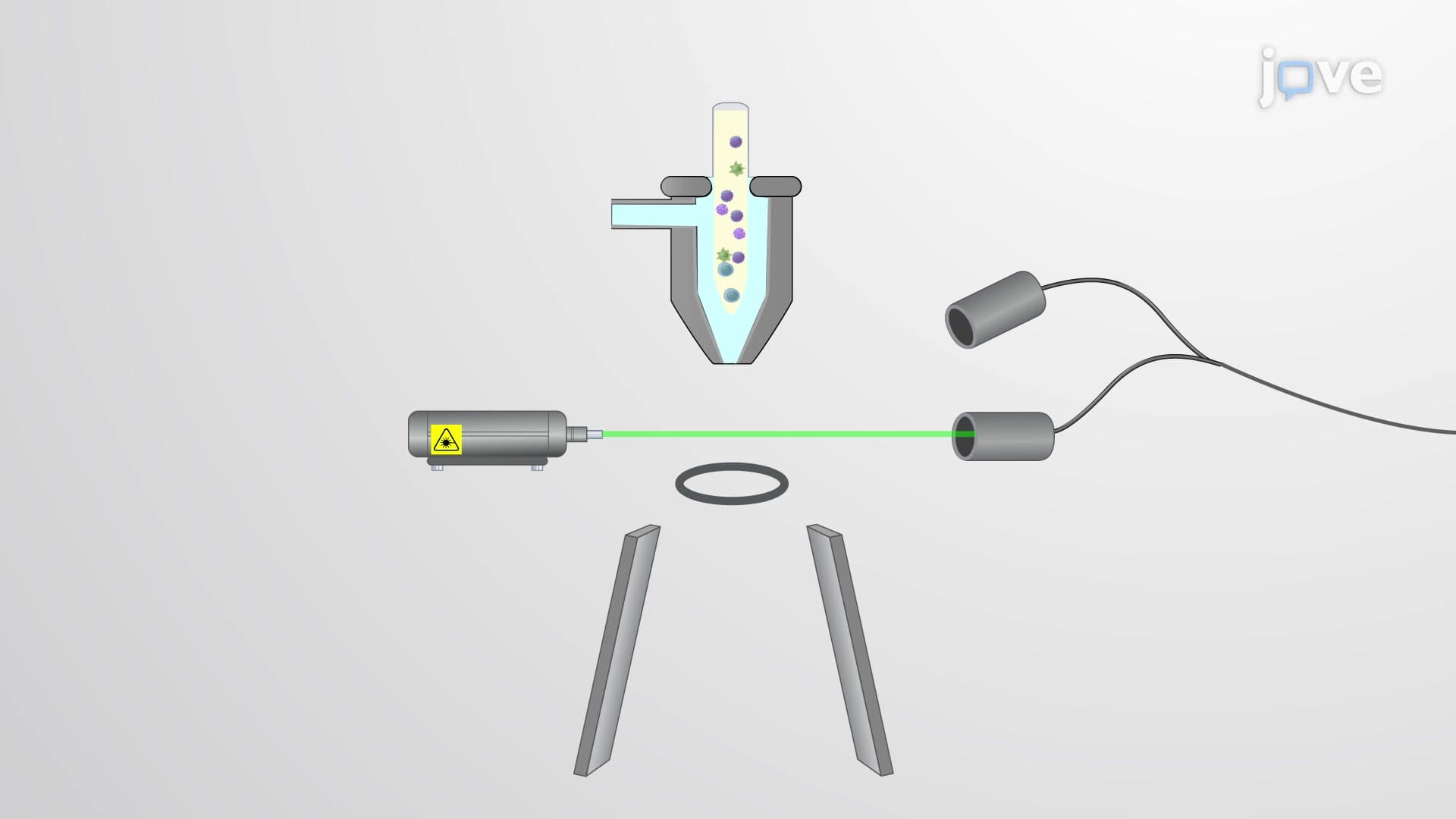
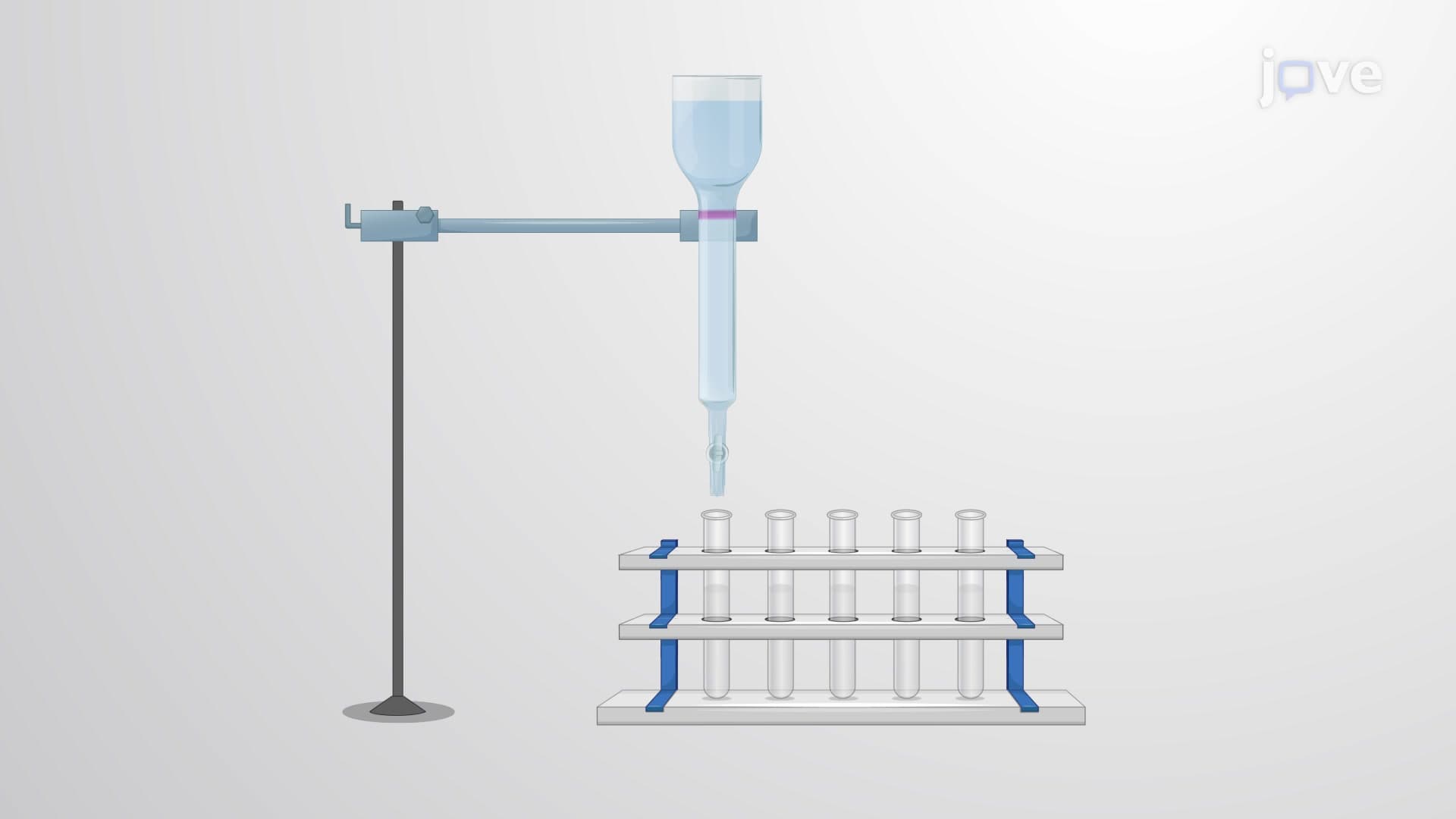
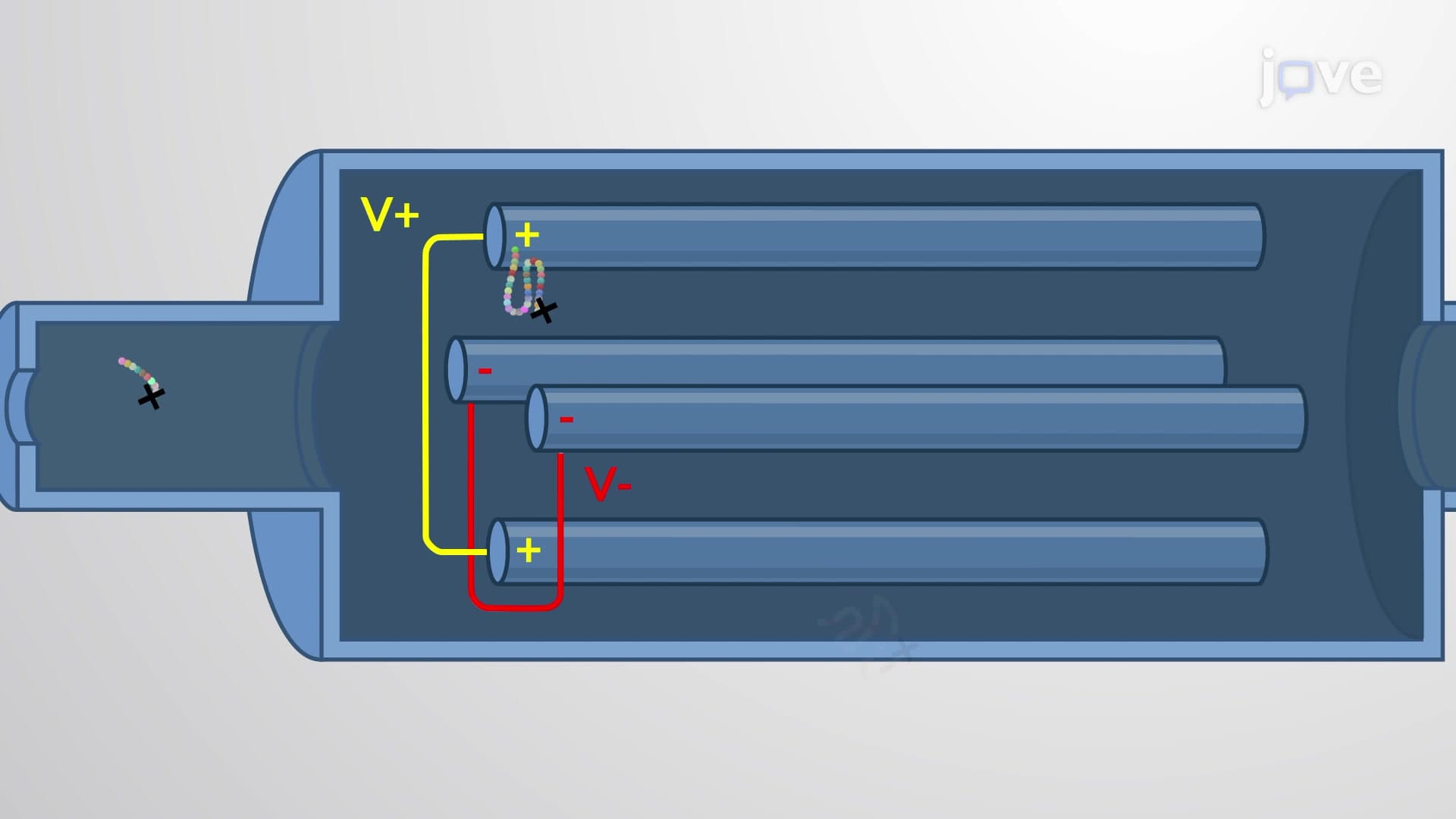
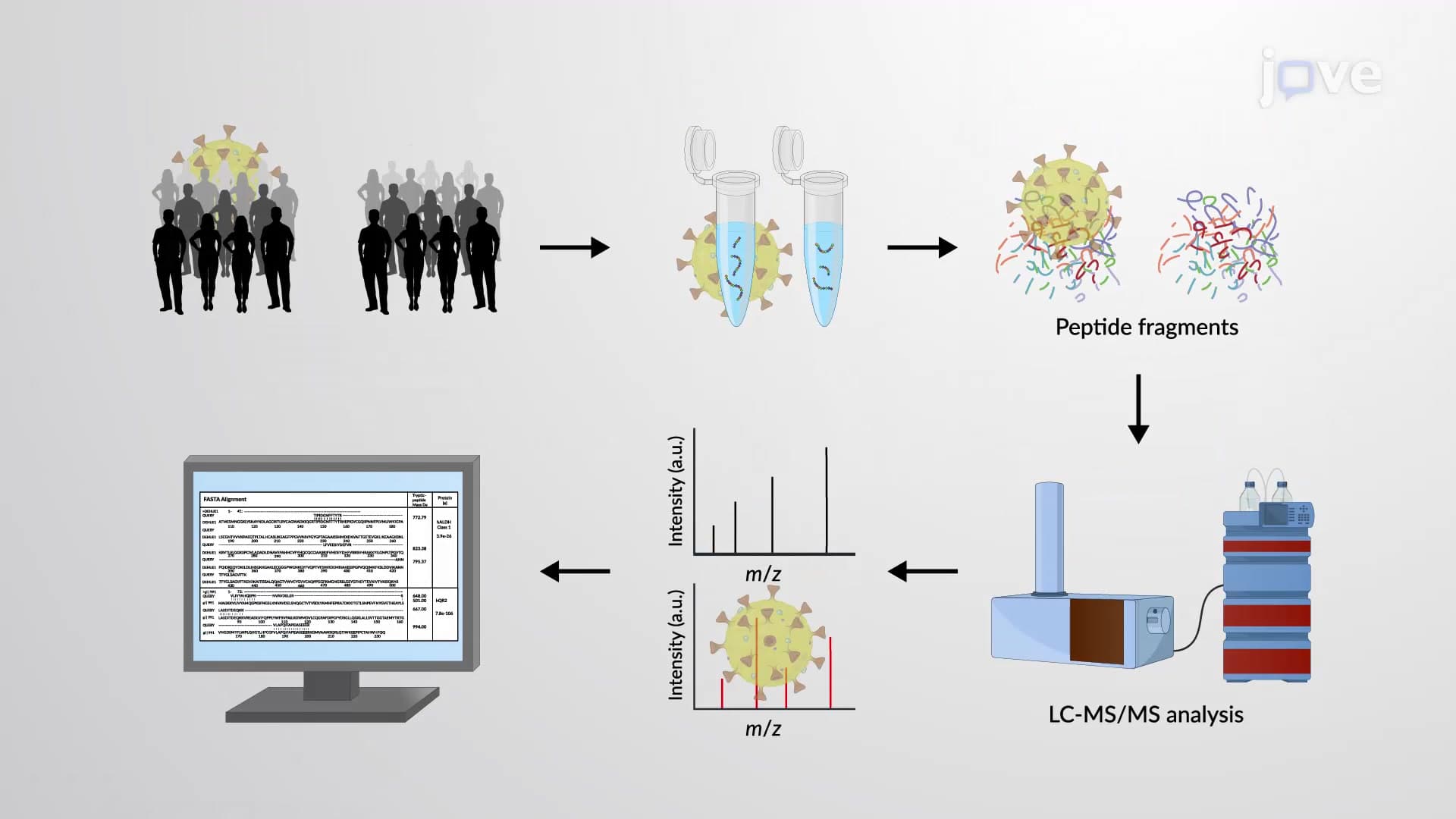
A typical proteomics experiment follows a systematic workflow that begins with careful sample collection. Researchers might collect blood samples from patients at the Mayo Clinic studying Alzheimer's disease, then compare these with samples from healthy volunteers. After collection, proteins undergo digestion using enzymes like trypsin, creating peptide fragments suitable for mass spectrometry (MS) analysis. Modern MS instruments can identify thousands of proteins in a single experiment, generating massive datasets that require sophisticated computational analysis.
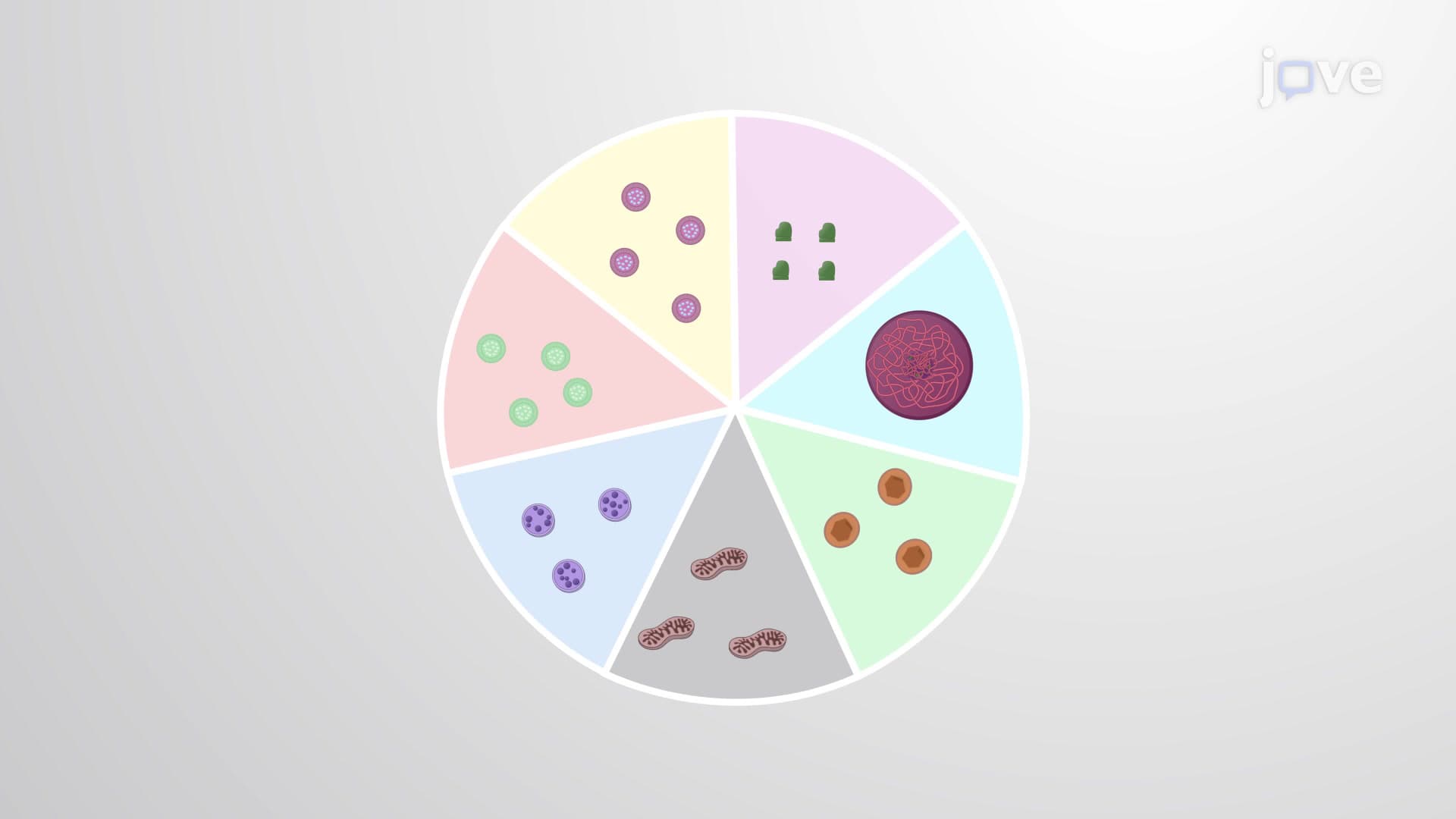
Proteomics encompasses three interconnected disciplines, each serving unique research purposes. Expression proteomics compares protein levels between different conditions-such as comparing cancer cells to normal cells-helping identify potential therapeutic targets. Structural proteomics maps three-dimensional protein arrangements within cellular compartments, crucial for drug design efforts at pharmaceutical companies like Pfizer. Functional proteomics investigates what proteins actually do, determining their biological roles and interaction networks.
This comprehensive approach proves essential for students preparing for advanced courses like AP Biology or college biochemistry, where understanding protein function and regulation forms a cornerstone of modern biological sciences.
Related Micro-courses