Loading video…


 20 Concepts
 222.1K views

Video Summary: What Is Maldi Tof Mass Spectrometry
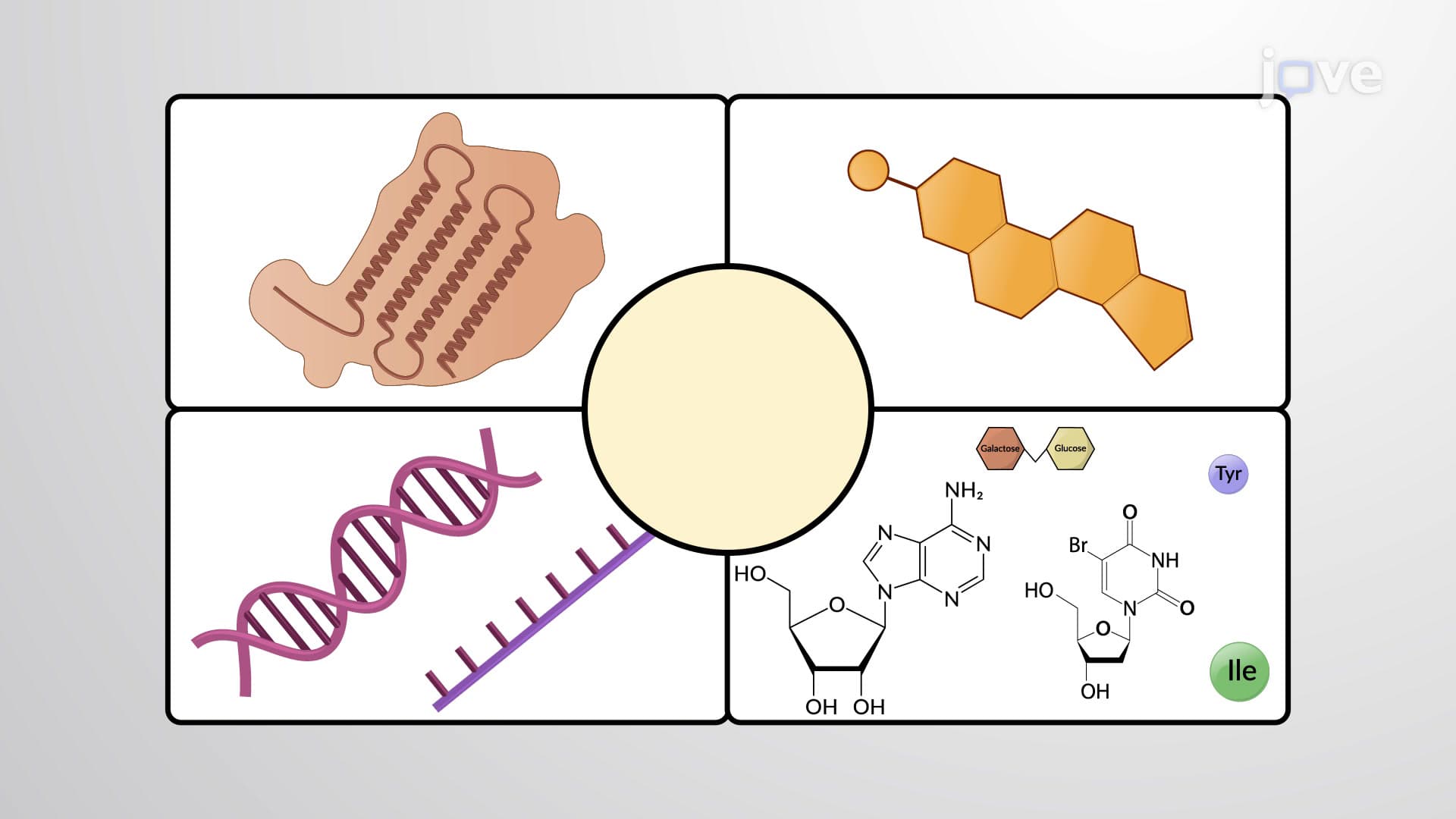
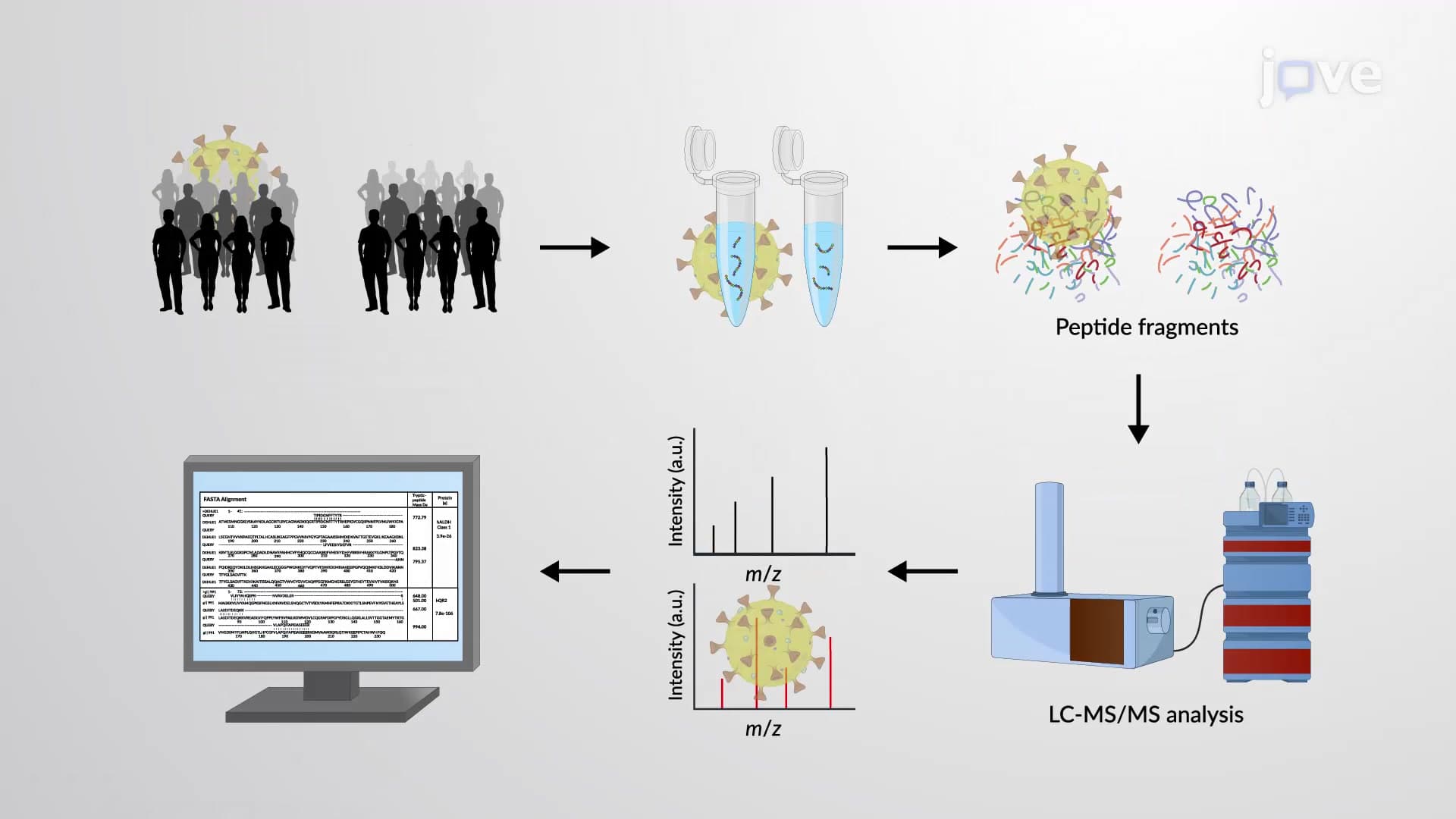
Ever wondered how forensic scientists identify unknown proteins from crime scene evidence in just minutes? MALDI TOF mass spectrometry revolutionizes biological analysis by precisely measuring molecular masses through laser-assisted ionization and time-of-flight detection. This powerful technique helps researchers at institutions like Johns Hopkins identify peptides, carbohydrates, and DNA fragments with remarkable accuracy. Watch the full video on JoVE Coach to master this concept with expert-led visuals and step-by-step explanations.
MALDI TOF mass spectrometry represents a breakthrough analytical technique that combines matrix-assisted laser desorption ionization (MALDI) with time-of-flight (TOF) mass analysis. This sophisticated method enables scientists to analyze complex biological molecules with exceptional precision and speed. The technique has become indispensable in research laboratories across American universities, from MIT's Koch Institute to Stanford's School of Medicine, where researchers routinely identify unknown proteins and study molecular structures.
The MALDI process begins with careful sample preparation, where biological molecules like peptides or proteins are mixed with a specialized matrix compound. Common matrices include alpha-cyano-4-hydroxycinnamic acid (CHCA) for peptides and sinapinic acid for larger proteins. This matrix serves as an energy-absorbing medium that protects delicate biological molecules from direct laser damage. When a pulsed laser strikes the sample, typically a nitrogen laser operating at 337 nanometers, the matrix absorbs energy and rapidly vaporizes, carrying the sample molecules into the gas phase as ionized particles.
Once ionized, molecules enter the time-of-flight mass analyzer, essentially a field-free flight tube where ions are separated based on their mass-to-charge ratios. The fundamental principle relies on the physics equation: kinetic energy equals one-half mass times velocity squared (KE = 1/2 mv²). Since all ions receive the same kinetic energy from the electric field, lighter ions achieve higher velocities and reach the detector first. This separation mechanism allows researchers to distinguish between molecules differing by just a few atomic mass units.
MALDI TOF mass spectrometry finds extensive applications in clinical diagnostics, pharmaceutical development, and academic research. Hospital laboratories use this technique for rapid bacterial identification, helping doctors prescribe appropriate antibiotics within hours rather than days. Pharmaceutical companies like Pfizer and Moderna employ MALDI TOF for drug development and quality control. Students preparing for the MCAT or AP Chemistry exams should understand how this technique connects to broader concepts of molecular analysis, protein structure, and analytical chemistry principles commonly tested in standardized assessments.
Related Micro-courses