Loading video…


 11 Concepts
 51.5K views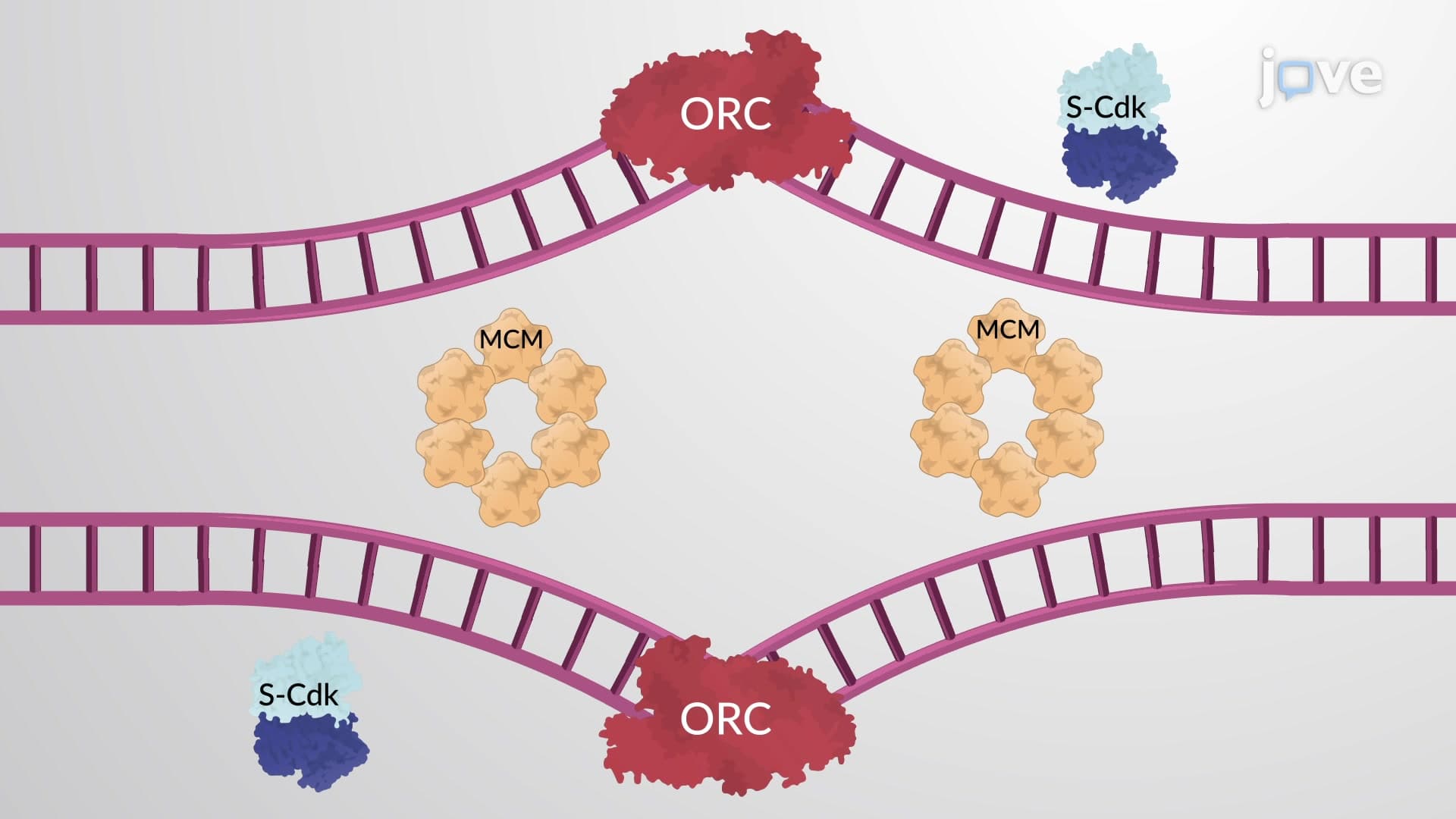

Video Summary: S Cdk Initiates DNA Replication Explained
What prevents cancer cells from spiraling out of control through unregulated DNA copying? S CDK initiates DNA replication with precision timing that safeguards every cell division cycle. This molecular mechanism ensures that each chromosome duplicates exactly once during S phase, preventing the genomic chaos seen in cancer. Like quality control systems at Boeing manufacturing plants that verify each aircraft component meets safety standards only once per assembly line, S-phase cyclin-dependent kinases phosphorylate specific target proteins to activate DNA synthesis while blocking re-replication. Watch the full video on JoVE Coach to master this concept with expert-led visuals and step-by-step explanations.
The initiation of DNA replication represents one of biology's most tightly regulated processes, where S CDK initiates DNA replication through a sophisticated phosphorylation cascade that transforms dormant replication origins into active DNA synthesis machinery. This regulatory system ensures genomic integrity by preventing the catastrophic consequences of DNA re-replication, which would lead to gene amplification and chromosomal instability characteristic of cancer cells.
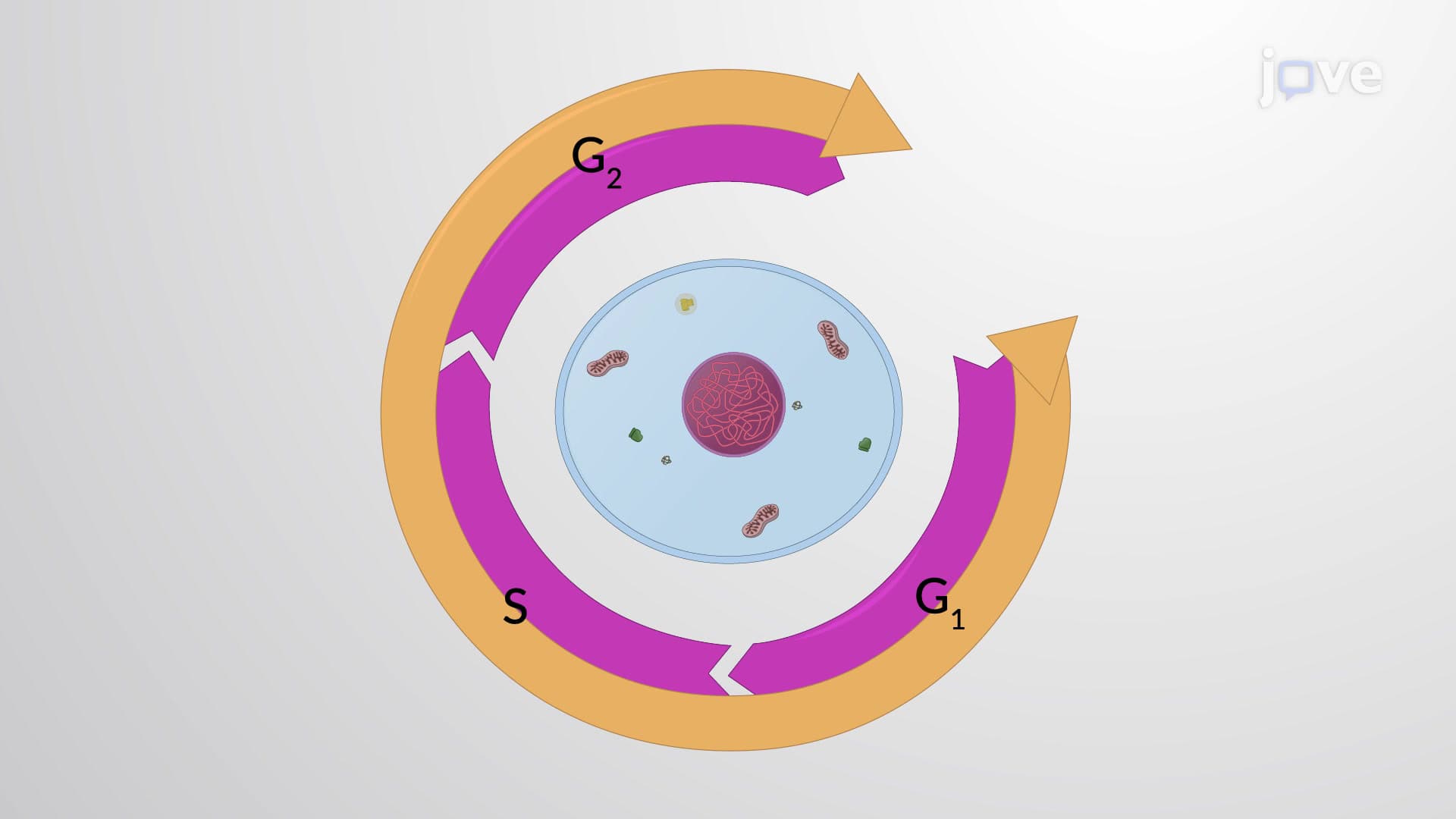
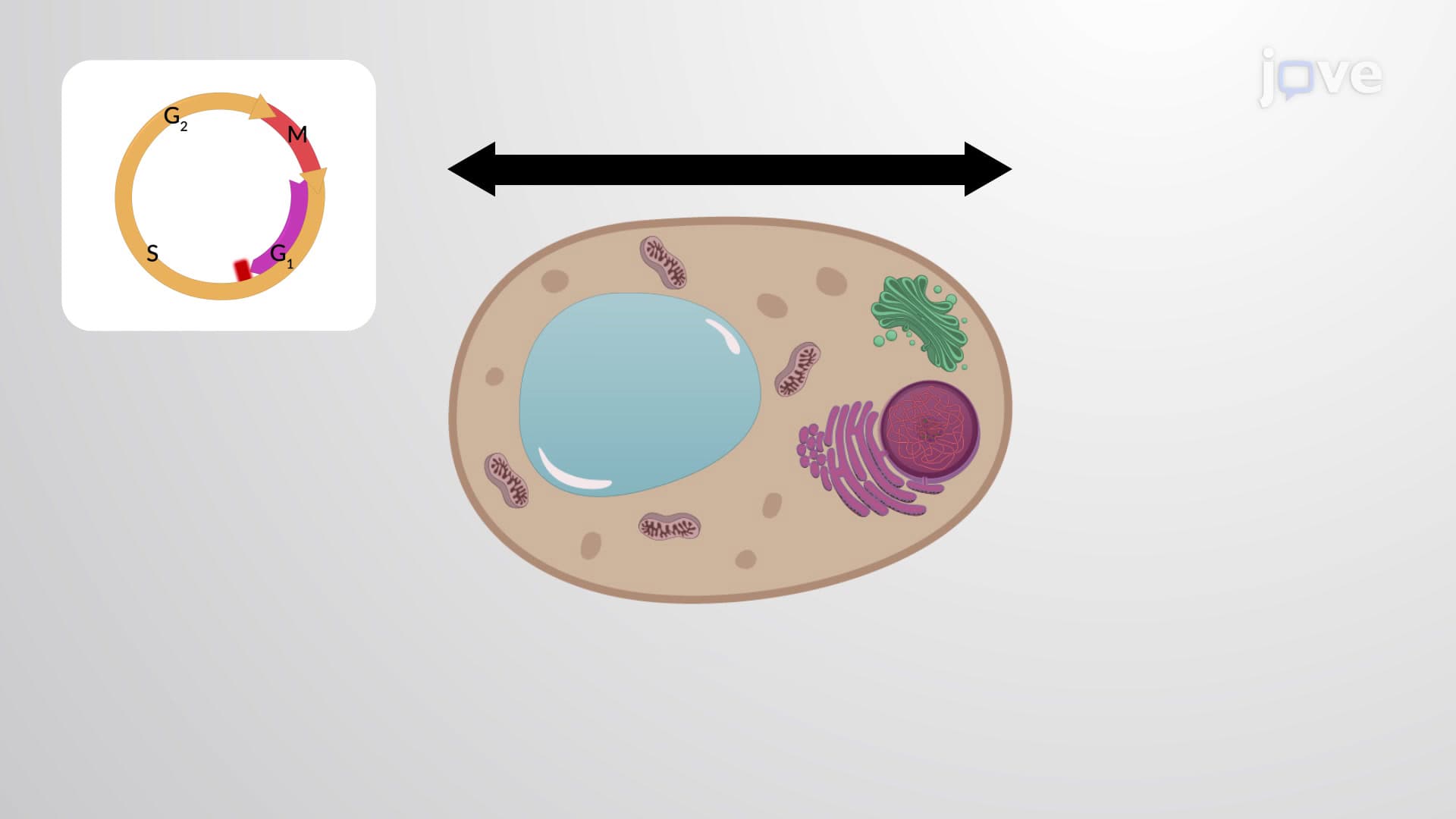
During G1 phase, cells prepare for DNA replication by assembling pre-replicative complexes (pre-RCs) at thousands of replication origins throughout the genome. The origin recognition complex (ORC) first binds to specific DNA sequences, followed by recruitment of Cdc6 and Cdt1 proteins. These factors then load the MCM2-7 helicase complex onto chromatin, creating "licensed" origins ready for activation. This licensing process occurs when S-Cdk activity remains low, ensuring that origins become competent for replication only once per cell cycle. Students preparing for AP Biology or college molecular biology courses should understand that this licensing mechanism prevents the genomic instability observed in cancer cells, where replication control systems malfunction.
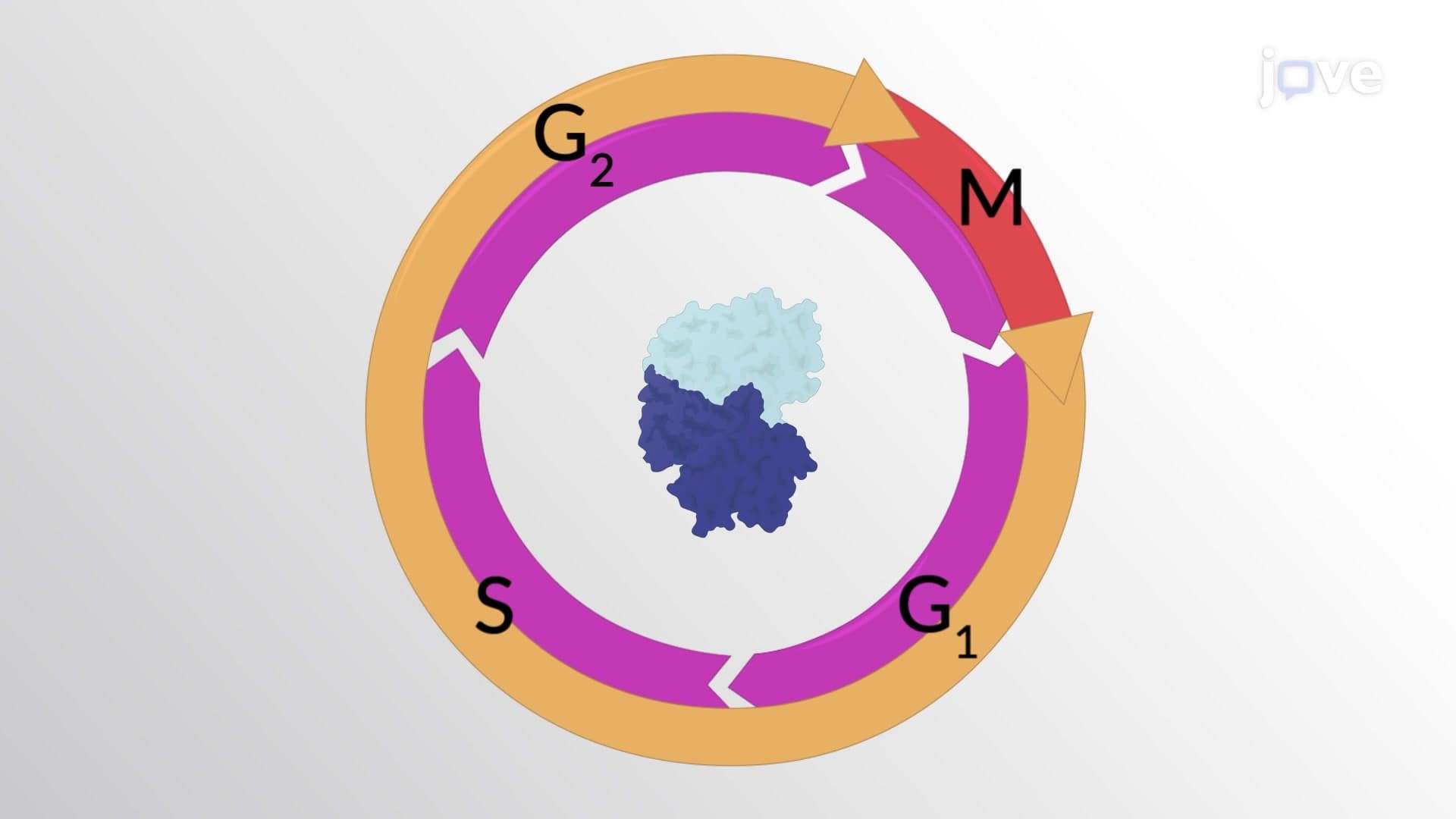
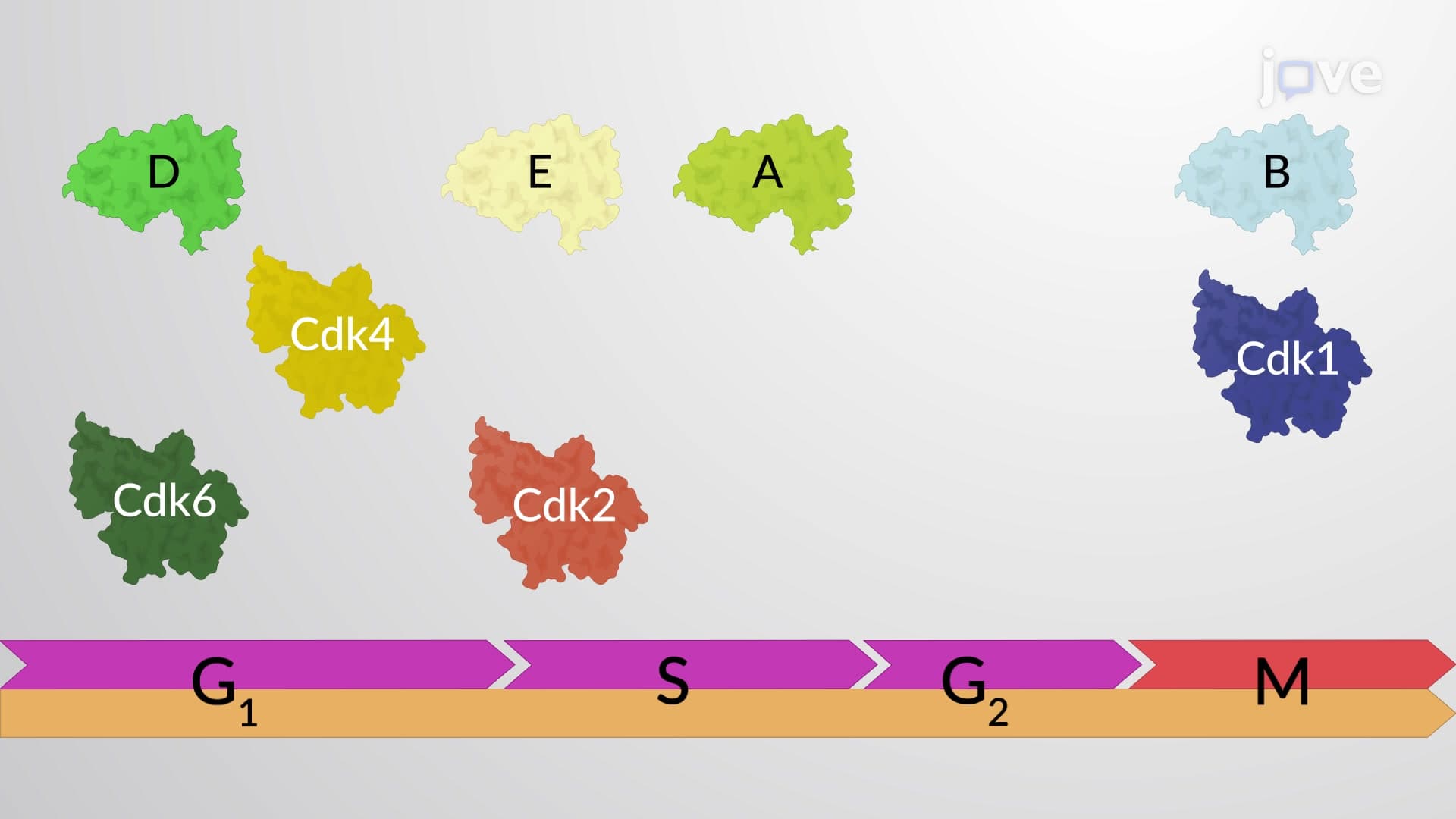
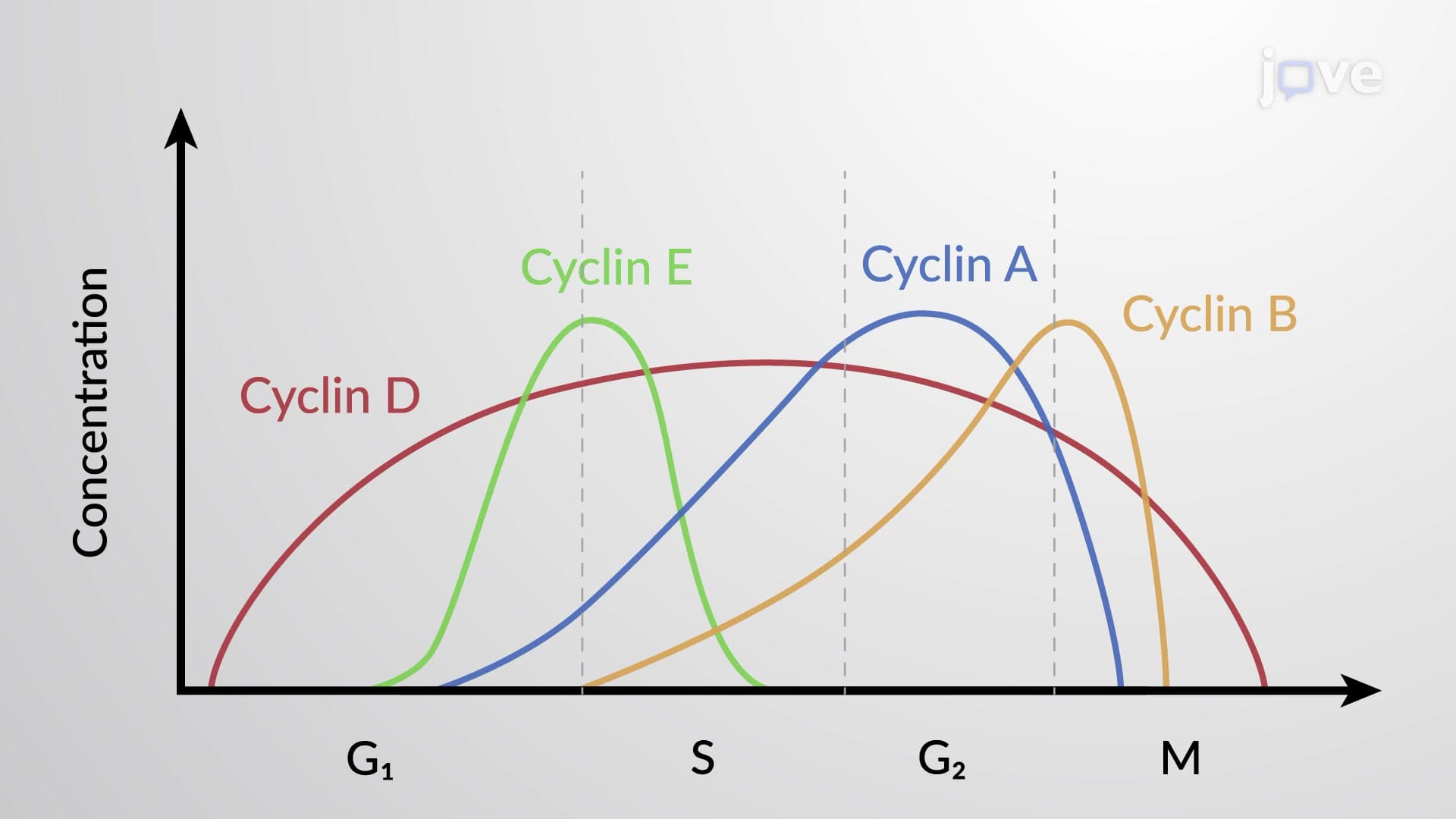
When cells progress into S phase, rising S-Cdk activity phosphorylates multiple components of the replication machinery. S-Cdk phosphorylates Cdc45 and GINS proteins, promoting their association with MCM complexes to form the active CMG helicase. Simultaneously, S-Cdk phosphorylation of MCM proteins enhances helicase activity while phosphorylation of origin licensing factors like Cdc6 and MCM proteins targets them for degradation or nuclear export. This dual mechanism-activating replication while destroying licensing factors-ensures that origins fire only once per cell cycle.
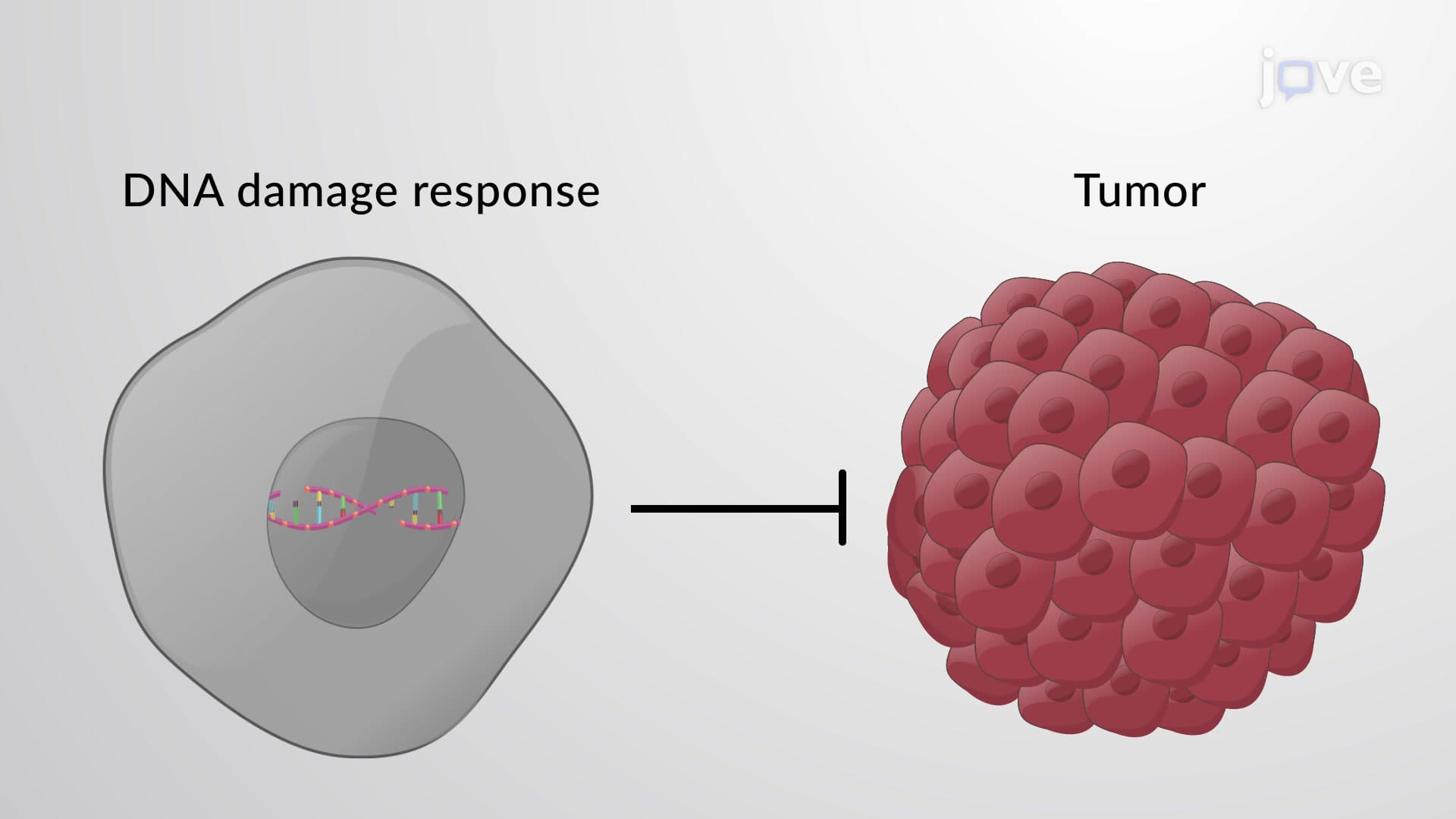
Understanding how S CDK initiates DNA replication has profound implications for cancer research and treatment. Many cancer cells exhibit defective S-Cdk regulation, leading to re-replication stress and genomic instability. Pharmaceutical companies like Pfizer and Bristol Myers Squibb have developed CDK inhibitors as cancer therapeutics, targeting the dysregulated cell cycle machinery in malignant cells. For pre-med students preparing for the MCAT, this concept illustrates how fundamental cell biology research translates into clinical applications for treating human disease.
Related Micro-courses