Loading video…


 11 Concepts
 51.5K views

Video Summary: The Cell Cycle Definition
Did you know that every second, millions of your cells are dividing to replace worn-out tissue? The cell cycle definition biology encompasses the ordered sequence of growth, DNA replication, and division that enables life itself. Consider how a single fertilized human egg develops into a complex organism with over 37 trillion cells through precisely controlled cellular reproduction. From healing a scraped knee to the growth spurts experienced by American teenagers, The Cell Cycle Definition governs fundamental life processes. However, when this process goes awry, diseases like cancer can result from uncontrolled cell division. Watch the full video on JoVE Coach to master this concept with expert-led visuals and step-by-step explanations.
The Cell Cycle Definition represents one of biology's most fundamental concepts: the highly regulated series of events that leads to cell division and the production of two daughter cells. This process ensures genetic continuity while enabling growth, development, and tissue maintenance in living organisms. Unlike simple cellular functions, the cell cycle requires precise coordination of molecular machinery to prevent catastrophic errors.
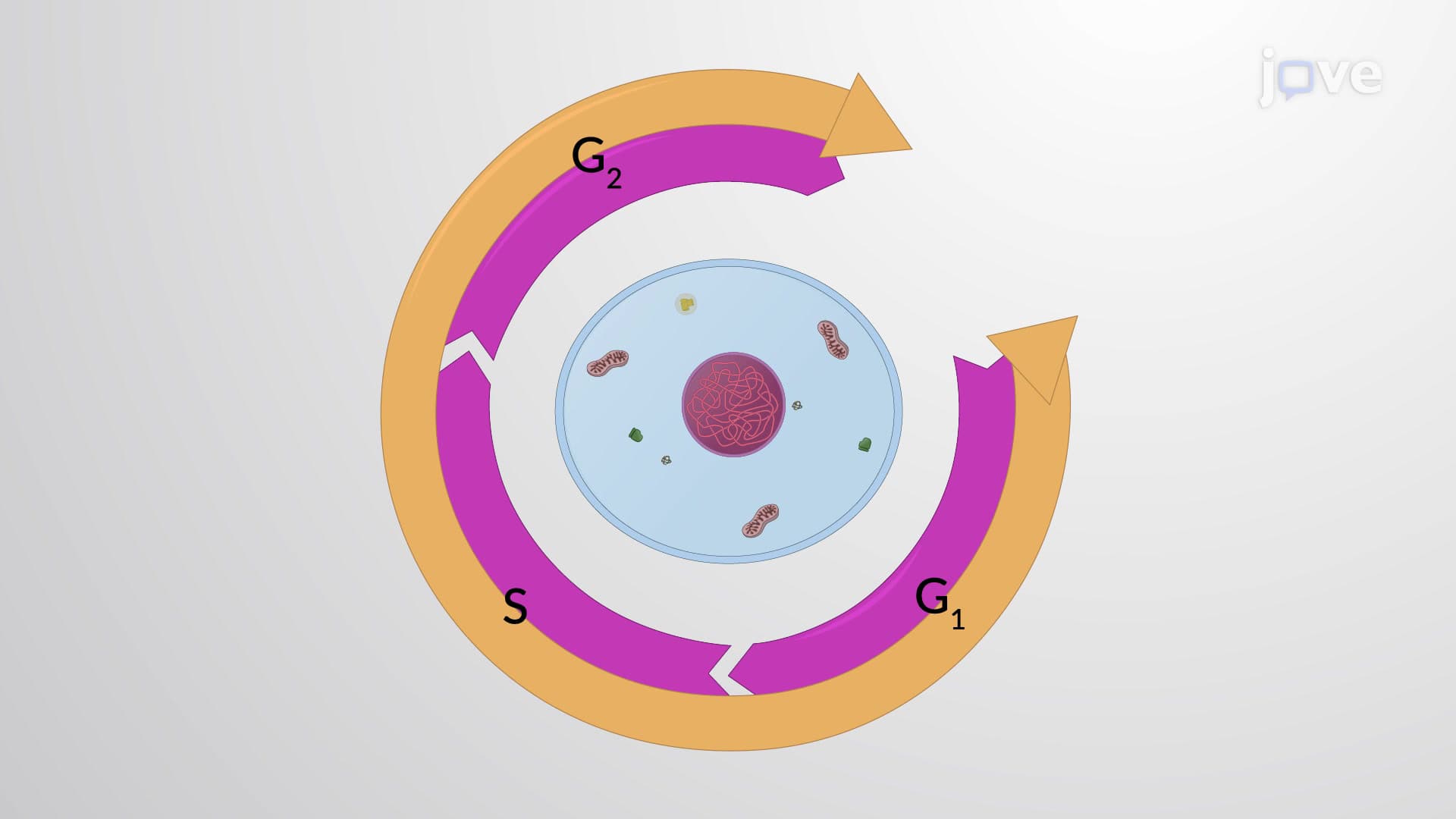
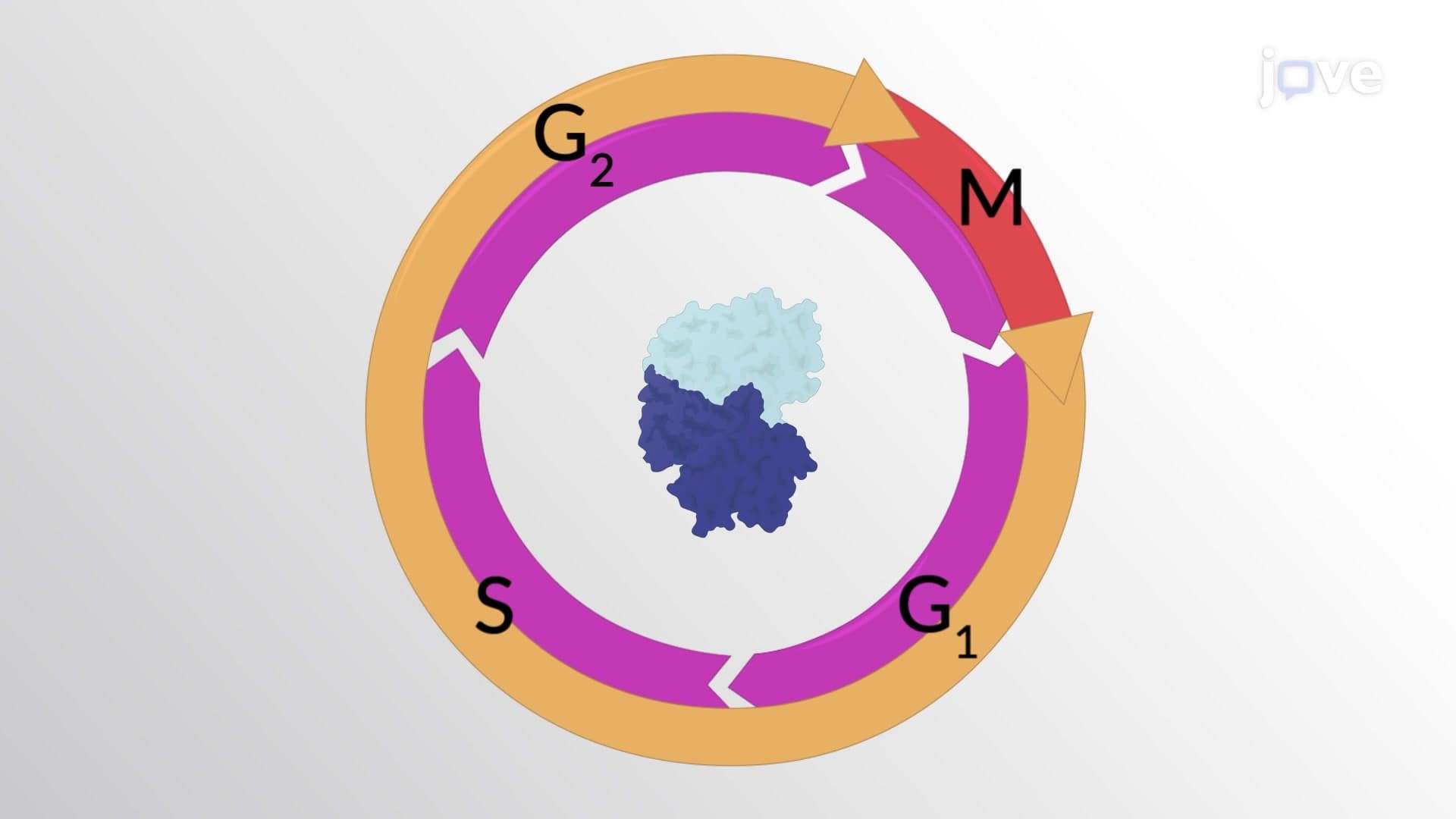
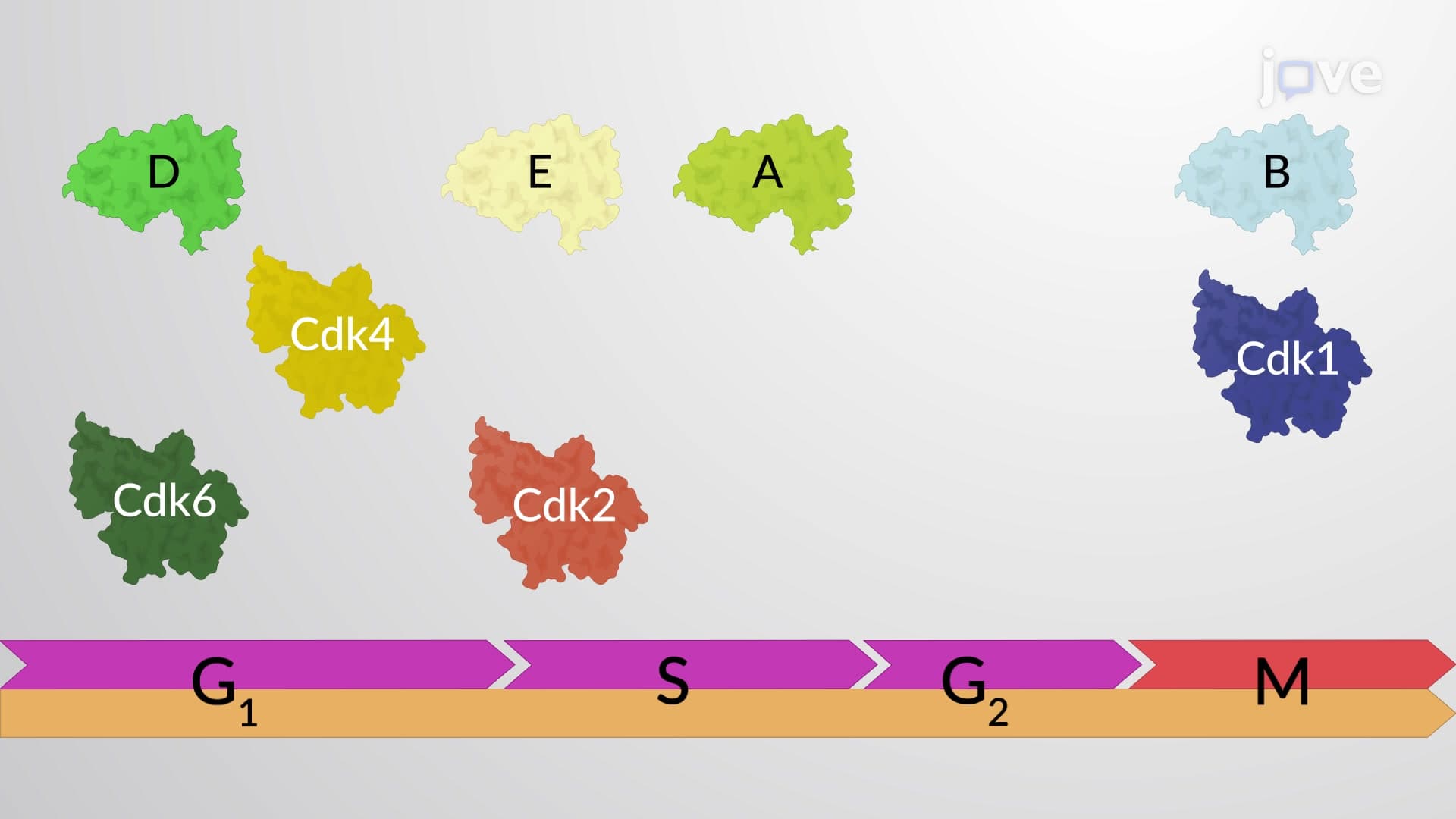
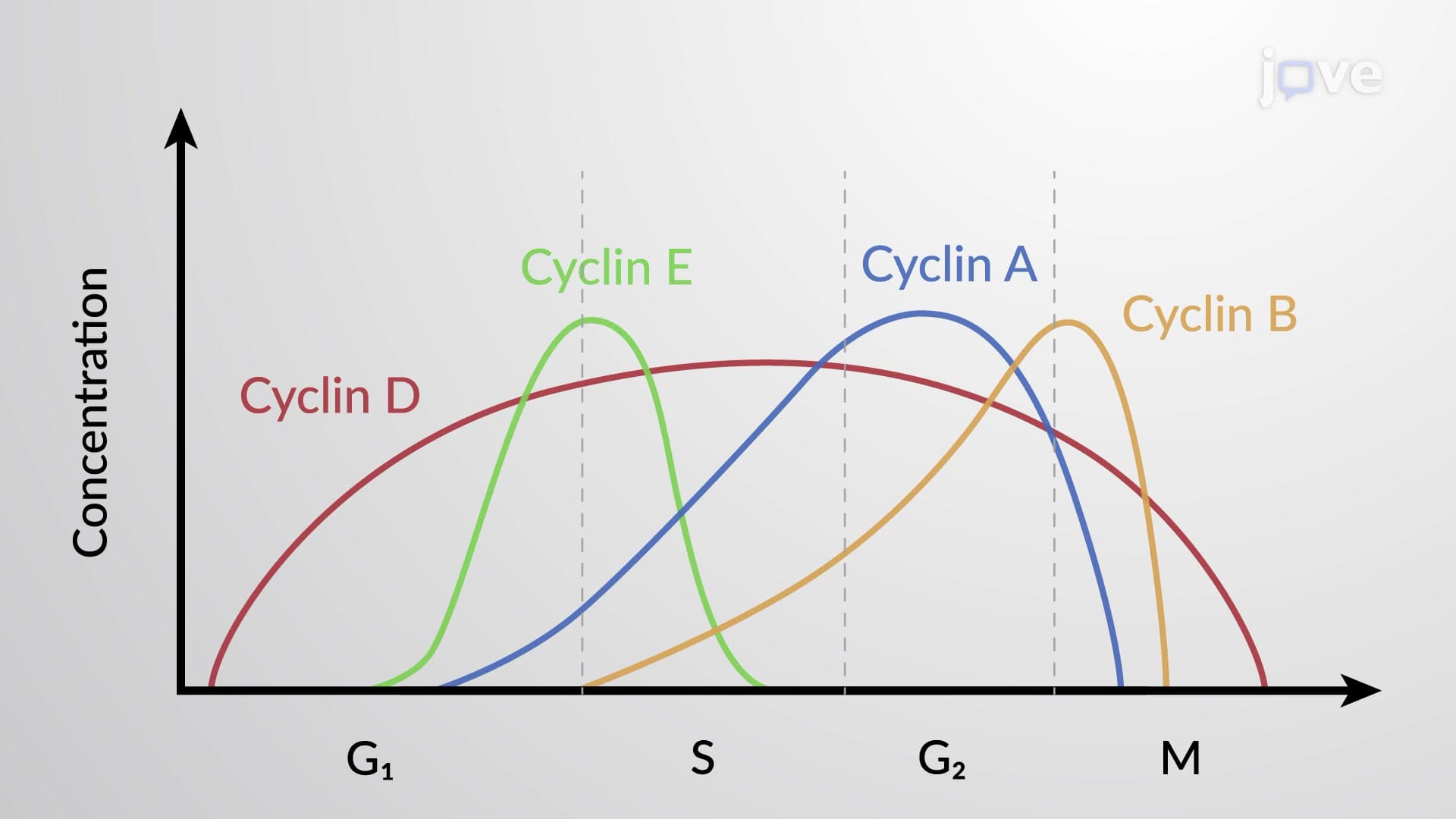
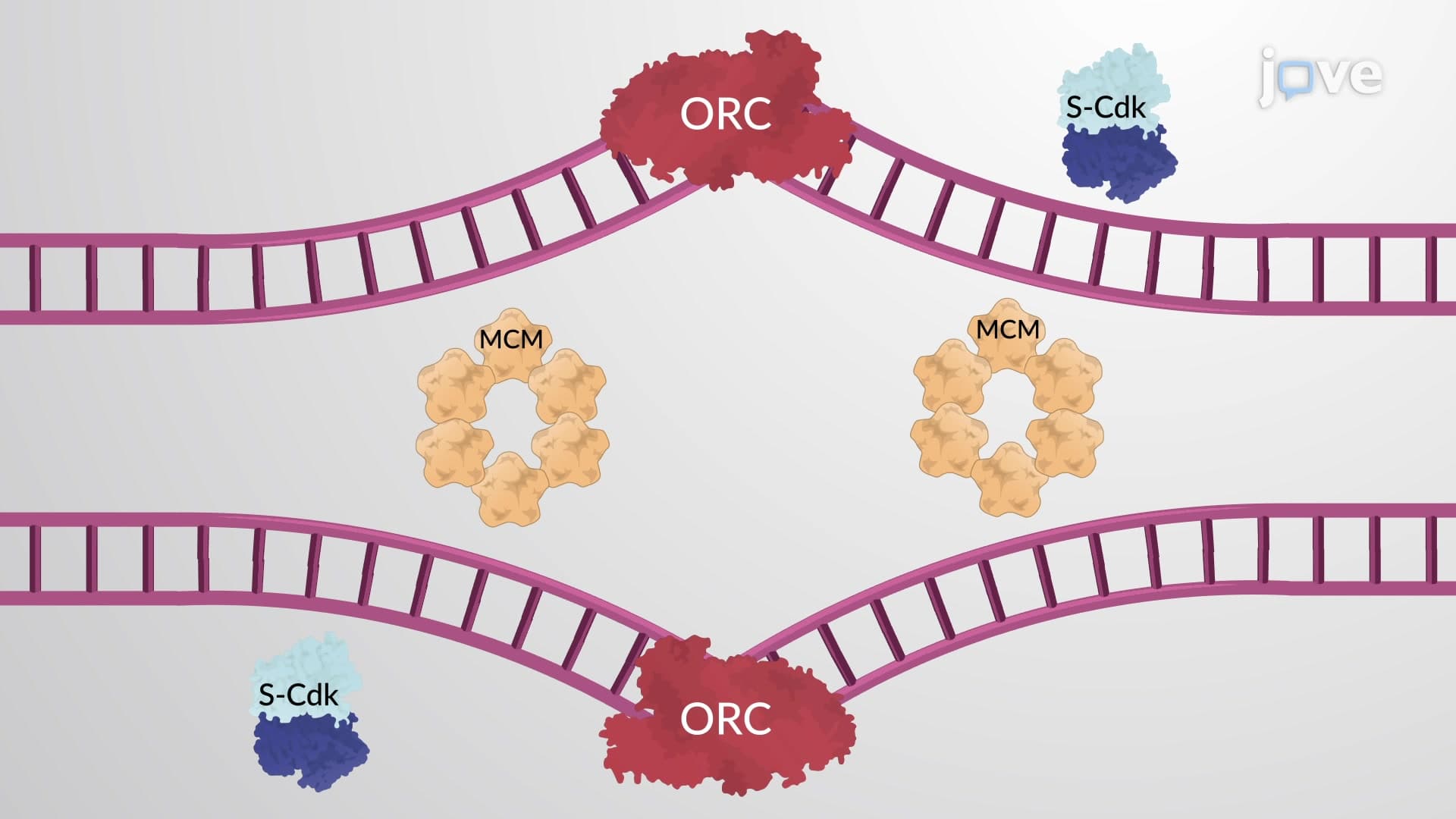
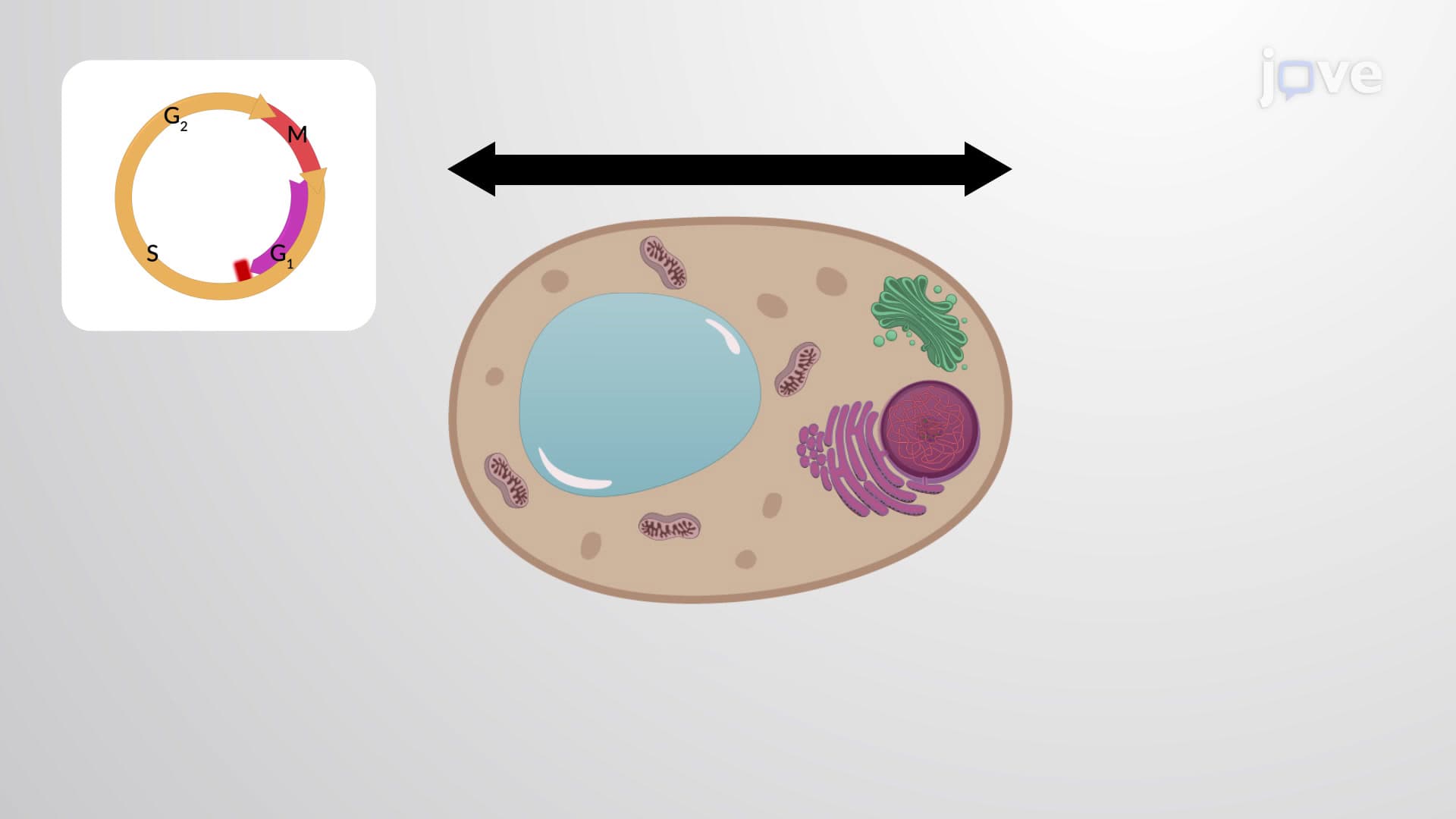
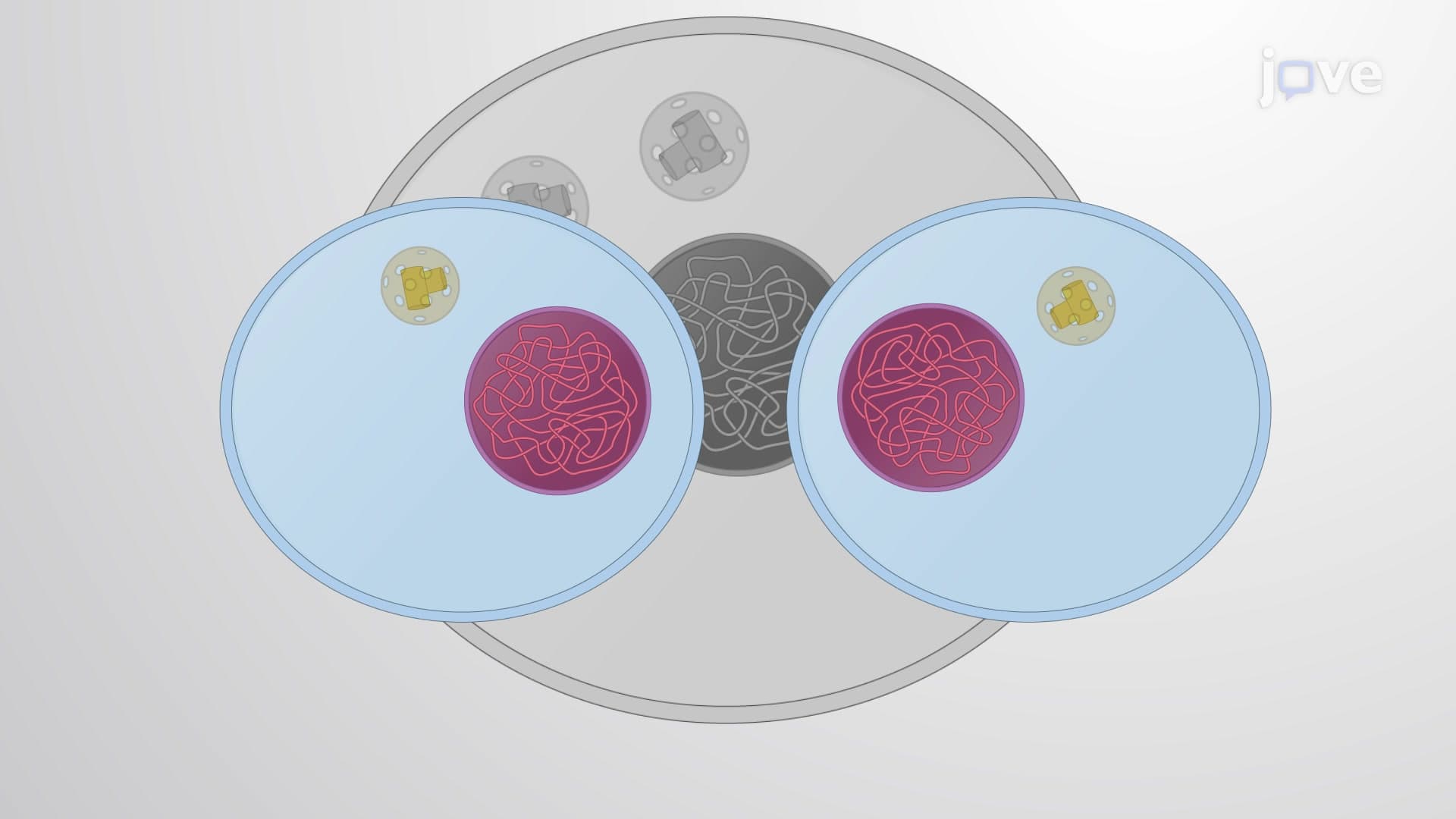
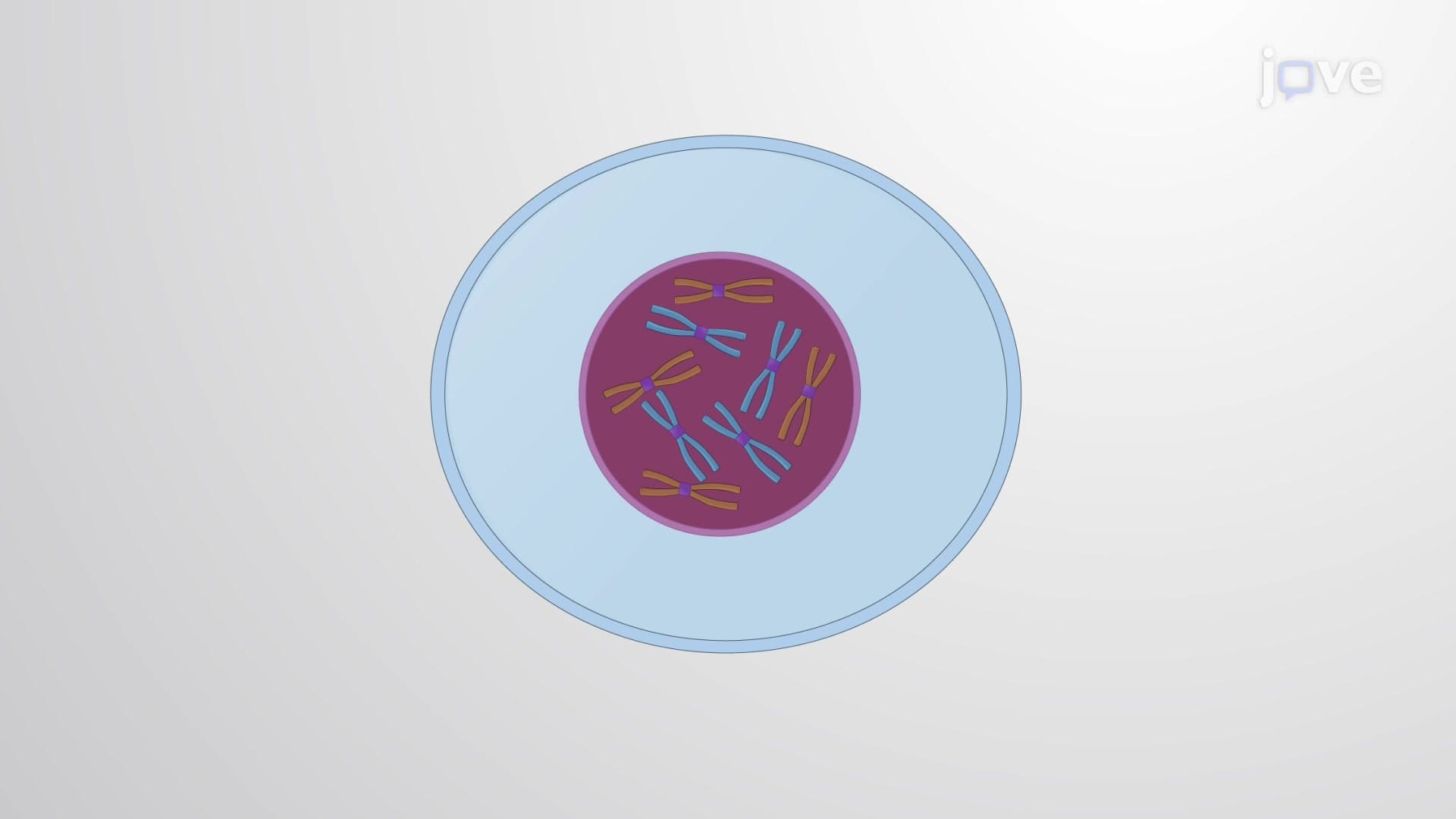
The cell cycle consists of four distinct phases that ensure accurate DNA replication and distribution. G1 phase (Gap 1) involves cellular growth and normal metabolic activities, preparing the cell for DNA synthesis. During S phase (Synthesis), DNA replication occurs, doubling the genetic material. G2 phase (Gap 2) represents another growth period where the cell produces proteins necessary for chromosome condensation and division. Finally, M phase (Mitosis) encompasses nuclear division followed by cytokinesis, physically separating the two daughter cells.
The longest portion, called interphase, includes G1, S, and G2 phases and typically accounts for 90% of the cell cycle duration. This extended preparation period highlights the complexity required for accurate cell division. American medical students studying for the MCAT often focus on understanding how these phases integrate to maintain genetic fidelity.
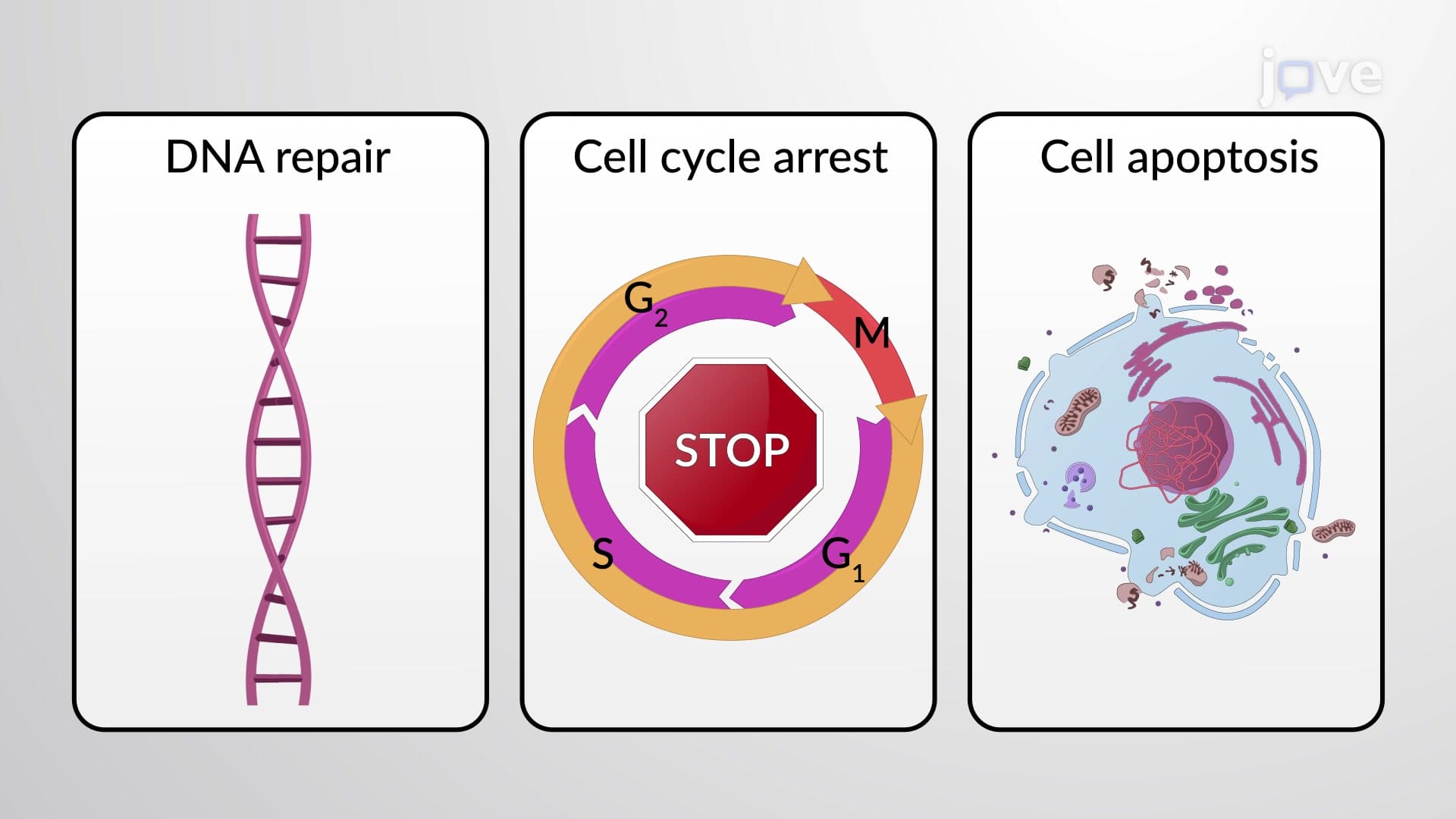
Sophisticated regulatory mechanisms govern cell cycle progression through checkpoints that monitor cellular readiness. The G1/S checkpoint verifies adequate cell size and nutrients while checking for DNA damage. The G2/M checkpoint ensures complete DNA replication before mitosis begins. The spindle checkpoint during M phase confirms proper chromosome attachment before allowing separation.
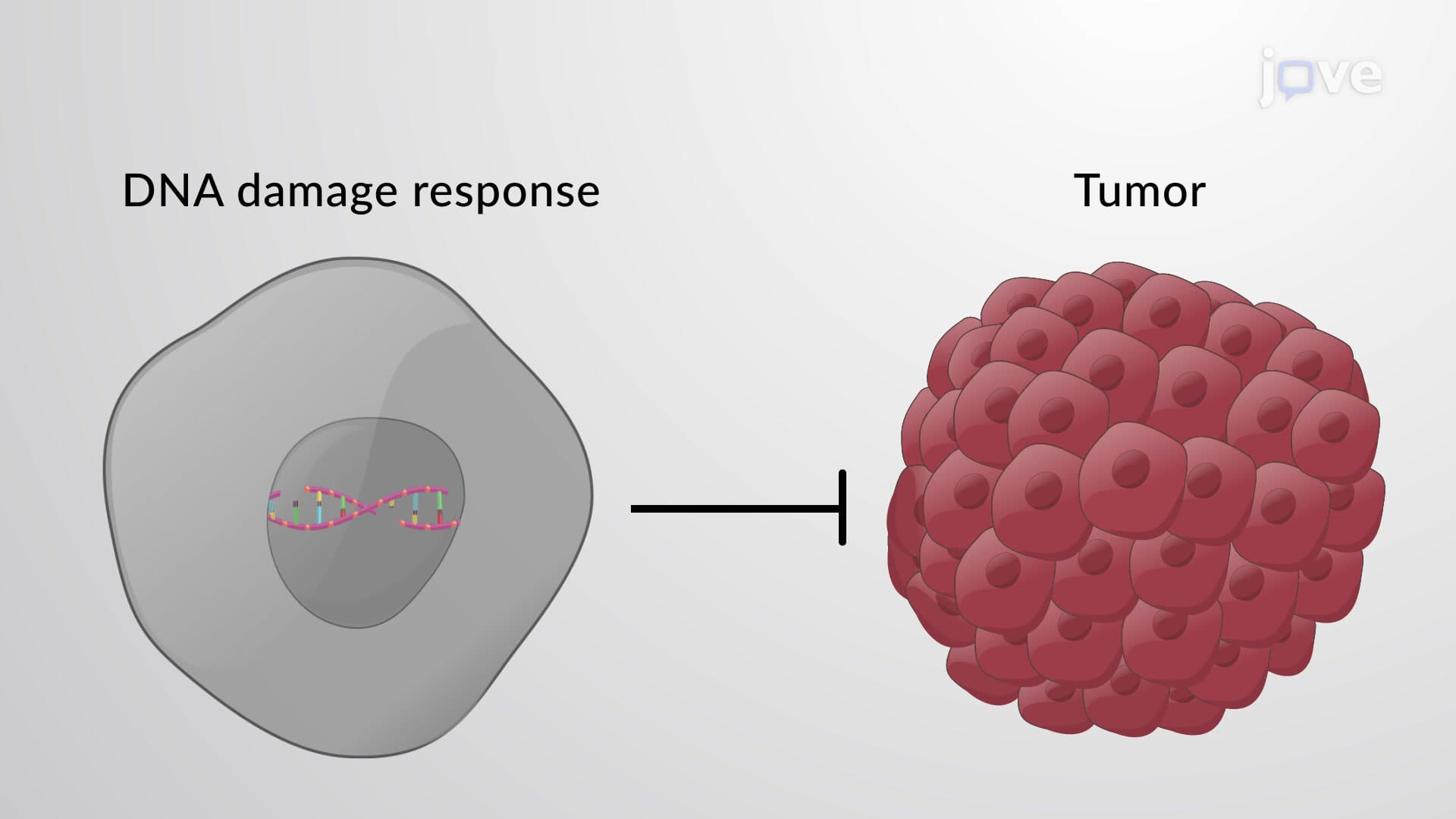
These quality control systems prevent mutations that could lead to cancer. When checkpoint mechanisms fail, cells may divide with damaged DNA, potentially initiating tumor formation. This concept frequently appears on AP Biology exams, where students must explain how checkpoint failures contribute to oncogenesis.
Understanding cell cycle regulation has revolutionized cancer treatment in American healthcare systems. Chemotherapy drugs like 5-fluorouracil target S phase by interfering with DNA synthesis, while taxanes disrupt M phase by preventing proper spindle formation. Major cancer research centers like MD Anderson in Houston and Memorial Sloan Kettering in New York utilize cell cycle knowledge to develop targeted therapies.
Additionally, stem cell research at institutions like Stanford and Harvard relies heavily on cell cycle manipulation to control differentiation and proliferation. This knowledge proves essential for students preparing for medical school admissions and those planning careers in biotechnology or pharmaceutical research.
Related Micro-courses