Loading video…


 11 Concepts
 51.5K views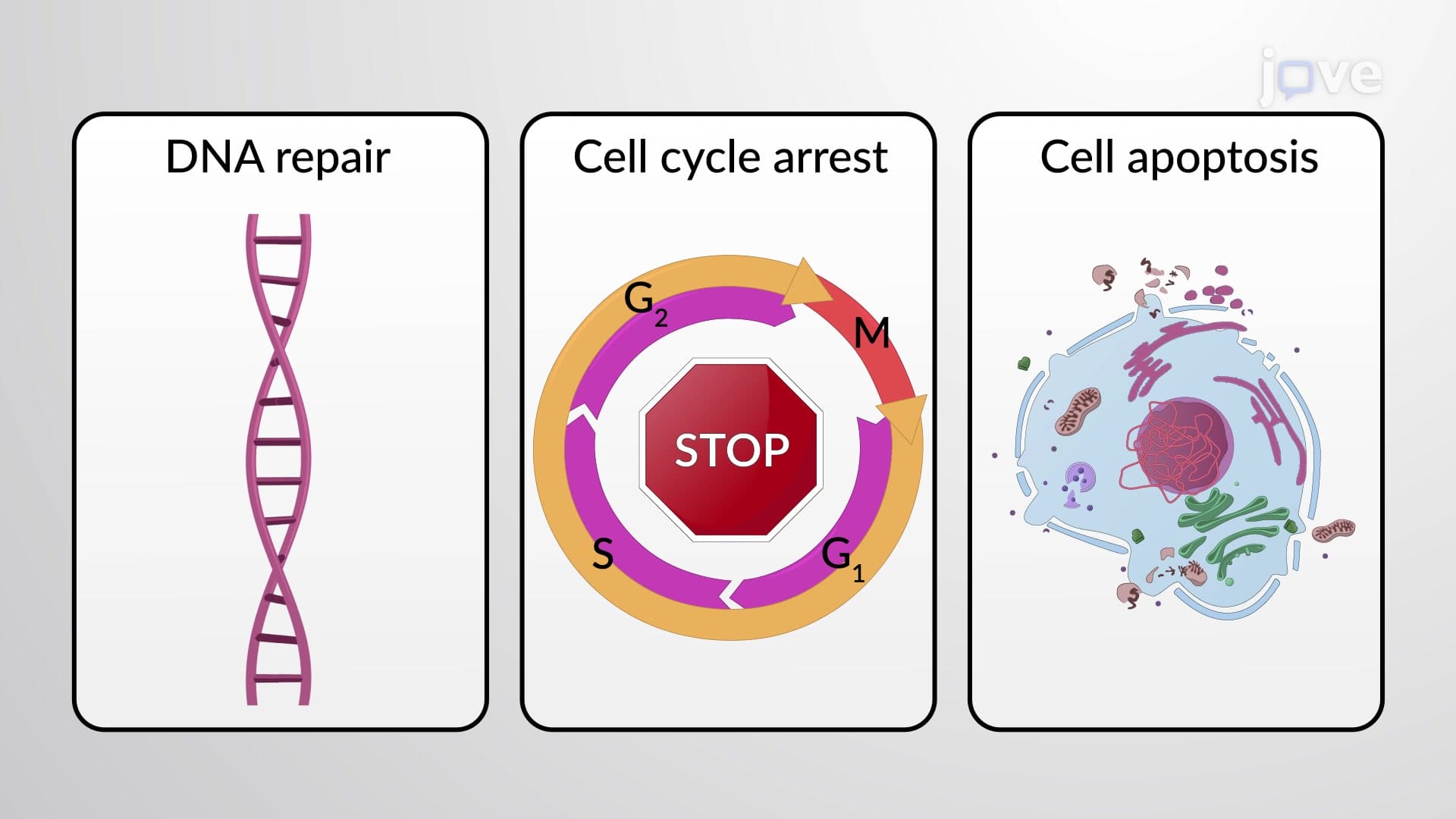

Video Summary: What Is Abnormal Proliferation
Did you know that a single cancerous cell can multiply into billions within months, creating tumors visible on medical scans? Abnormal proliferation occurs when cells lose their natural growth controls, dividing uncontrollably instead of following normal cellular checkpoints. Consider how breast cancer affects over 280,000 Americans annually-this devastating disease exemplifies what is abnormal proliferation in its most dangerous form. Understanding abnormal proliferation reveals why oncogenes like Ras and tumor suppressor genes like p53 become critical targets in modern cancer research and treatment development. Watch the full video on JoVE Coach to master this concept with expert-led visuals and step-by-step explanations.
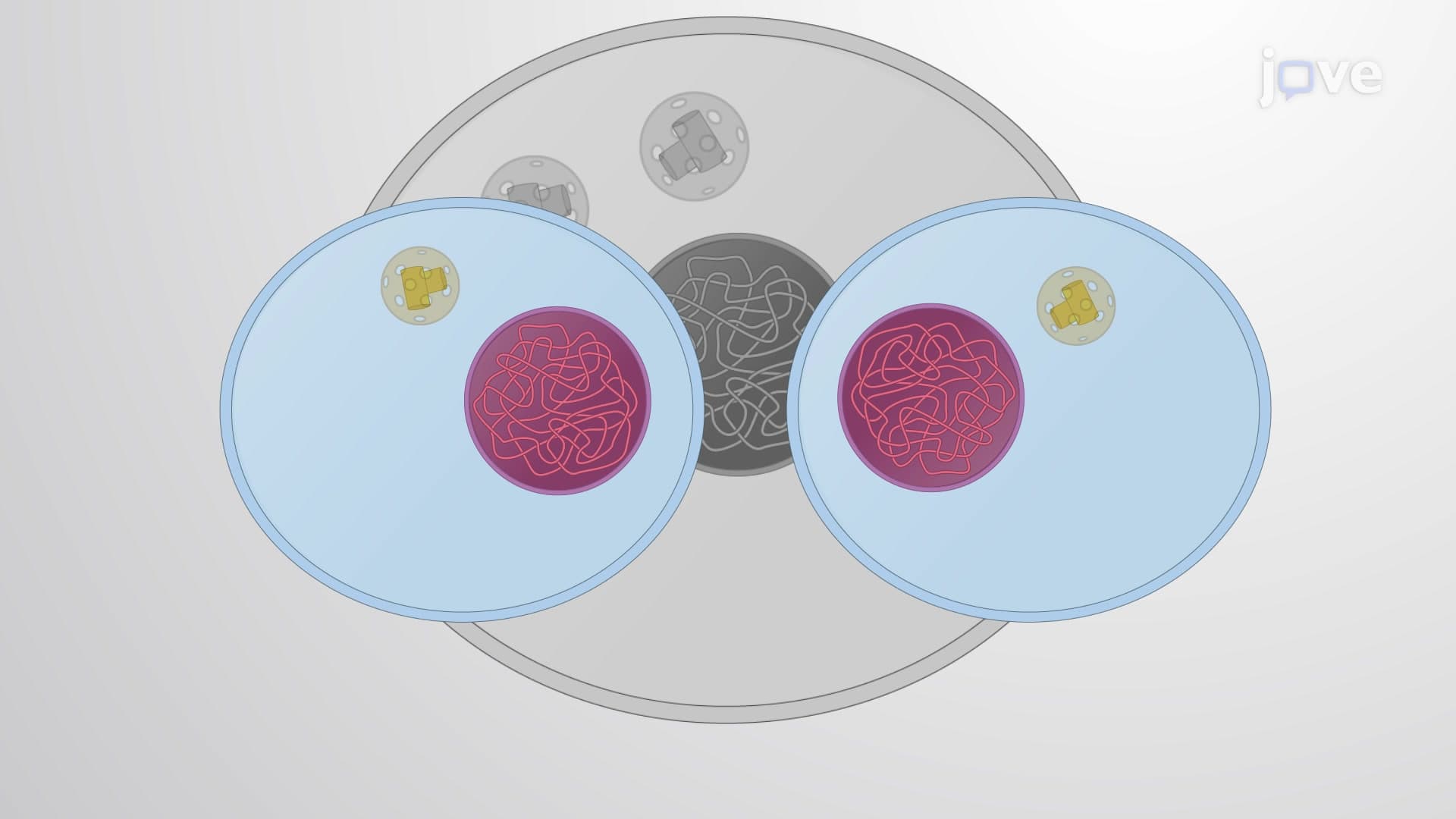
Abnormal proliferation represents one of the most fundamental concepts in pathology and oncology. Unlike normal cell division, which follows strict regulatory controls, abnormal proliferation occurs when cells bypass natural growth restrictions and divide uncontrollably. This dysregulation forms the foundation of cancer biology and numerous other pathological conditions affecting millions of Americans.
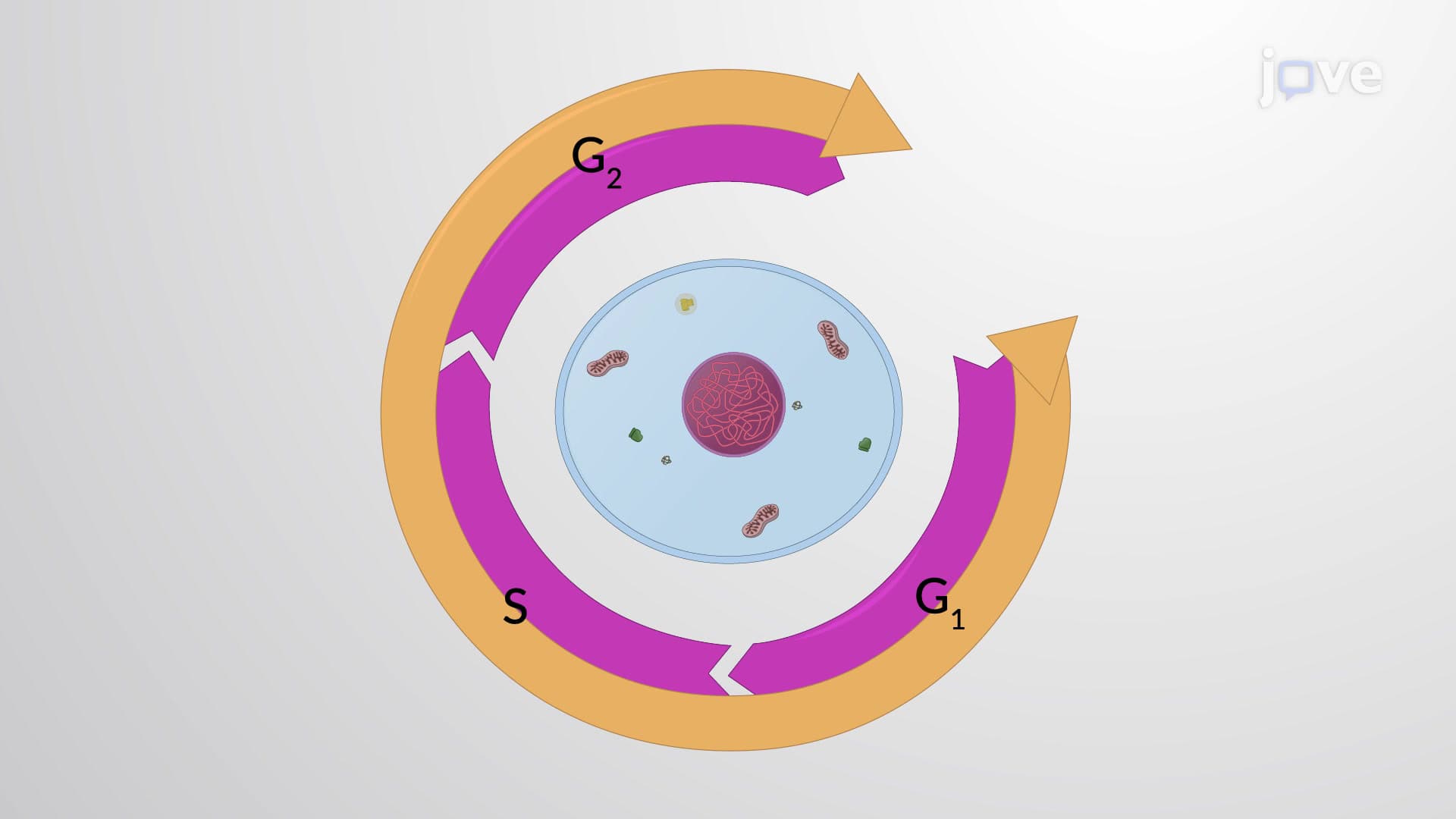
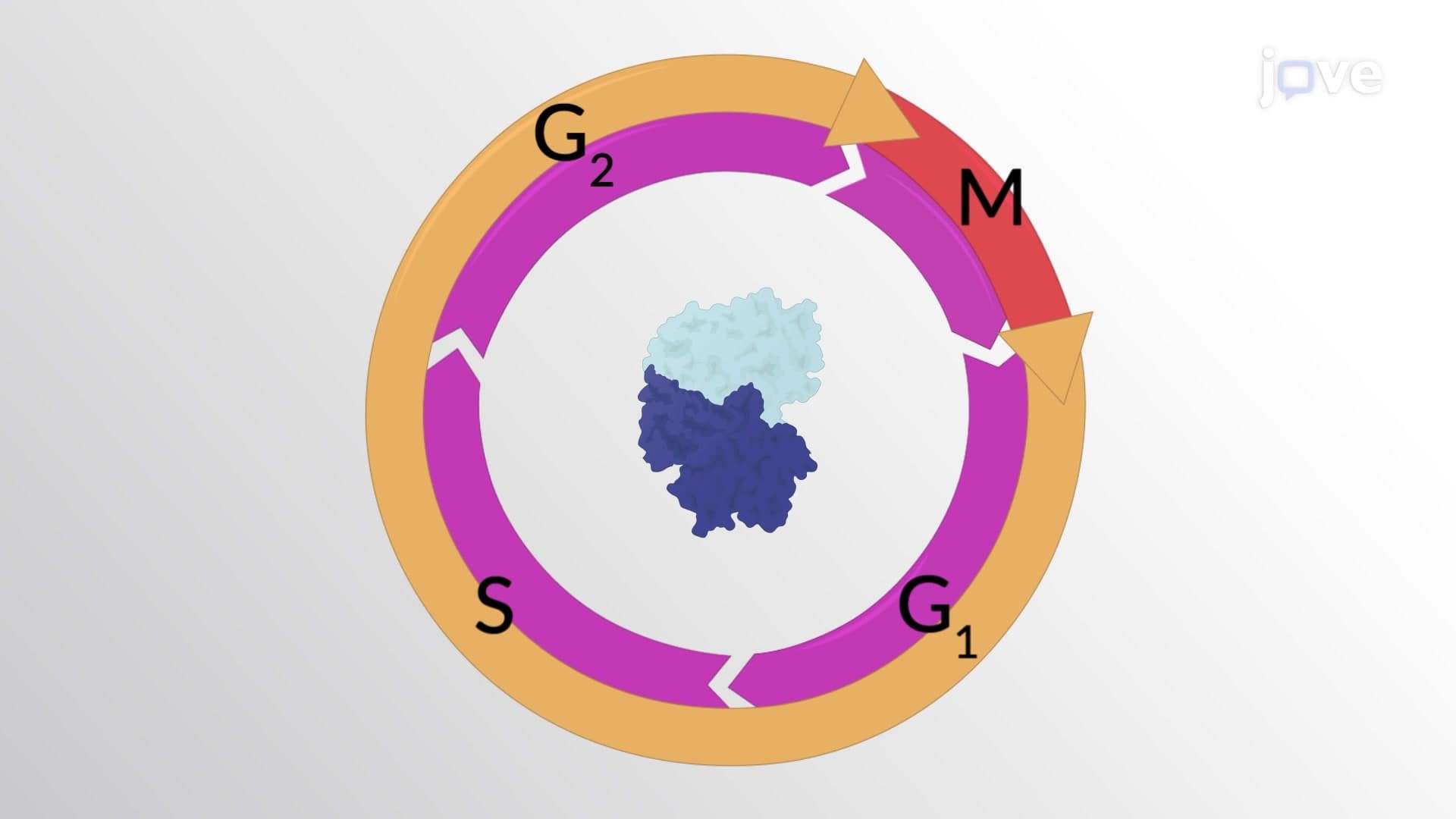
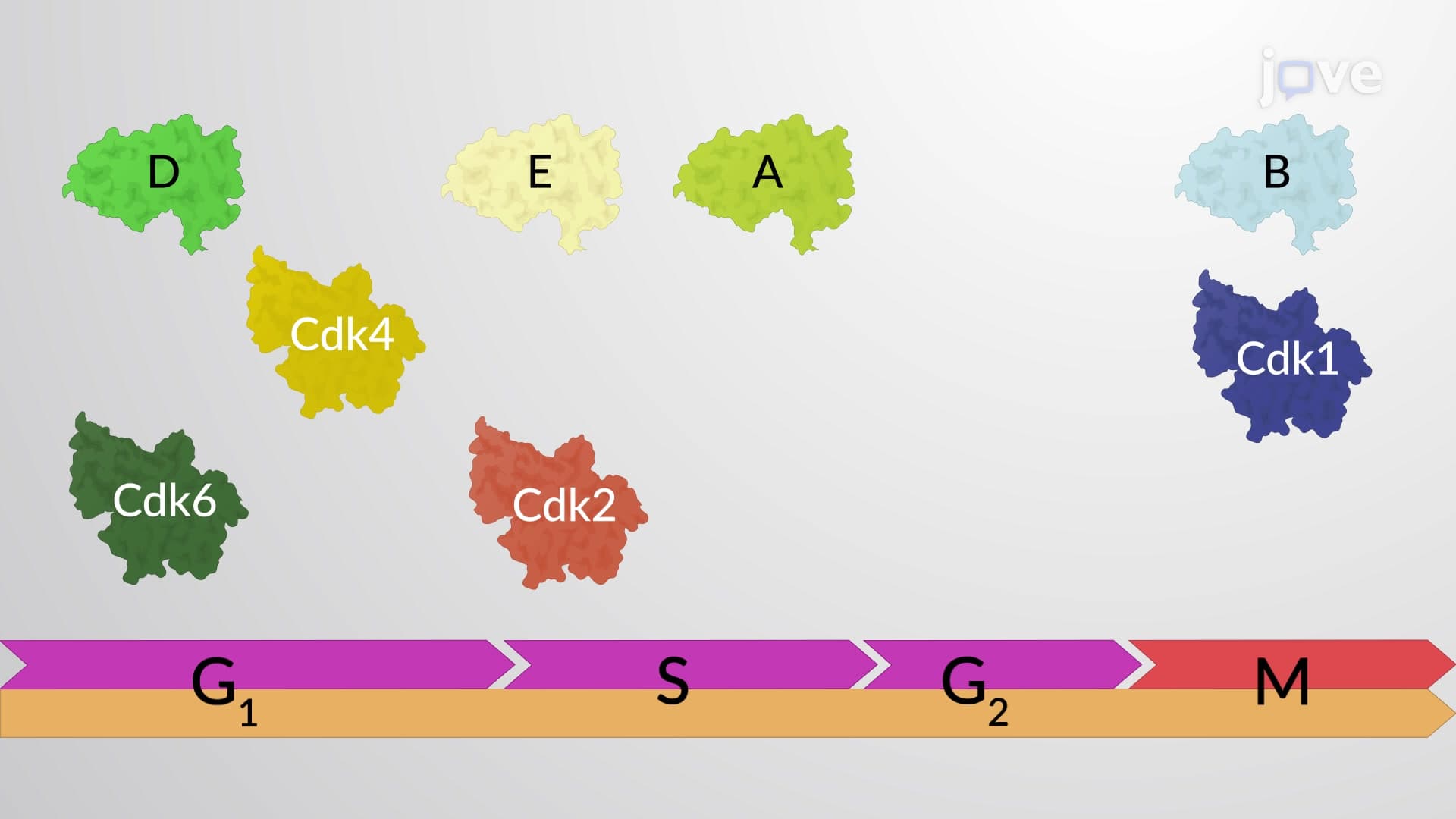
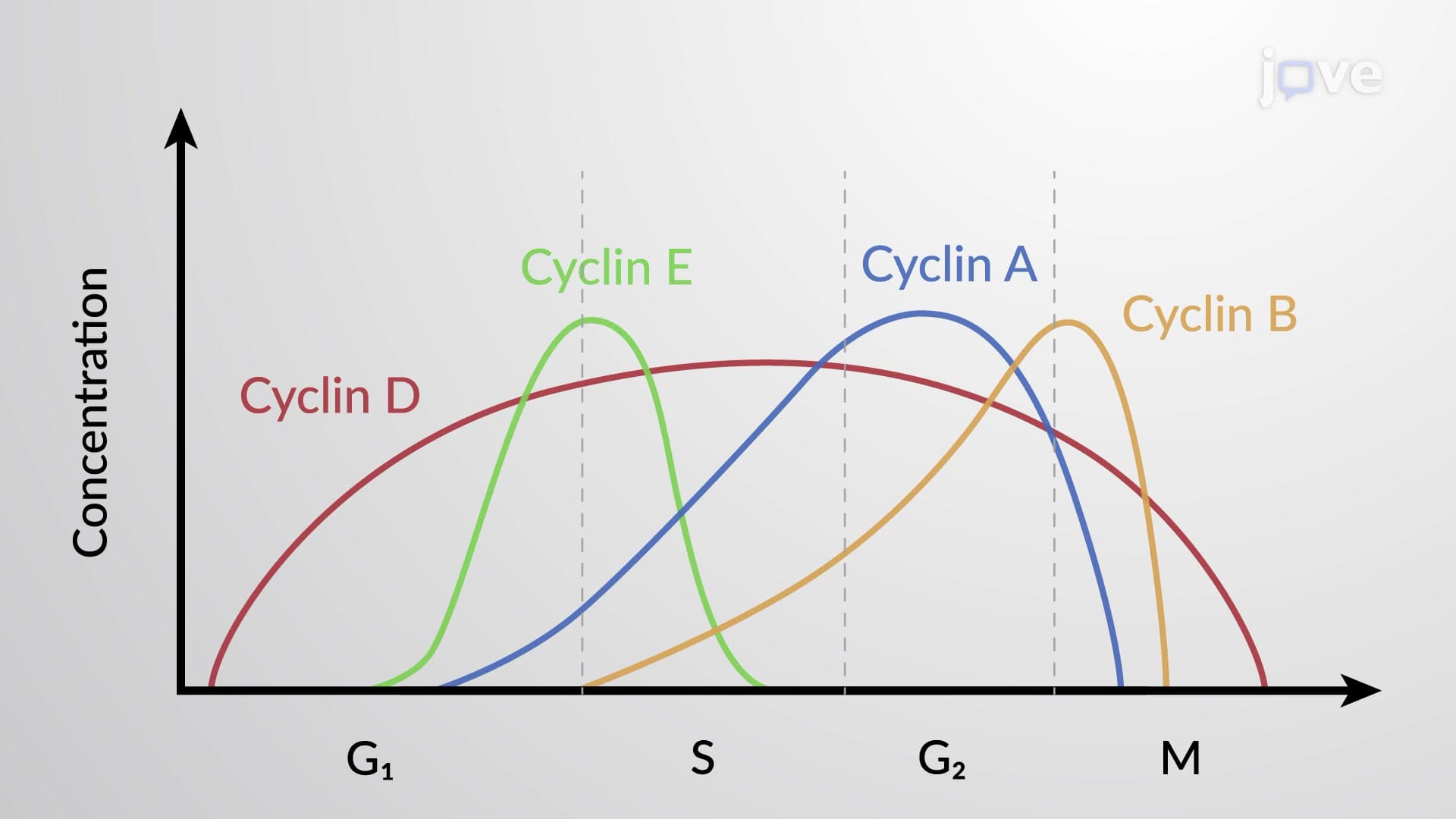
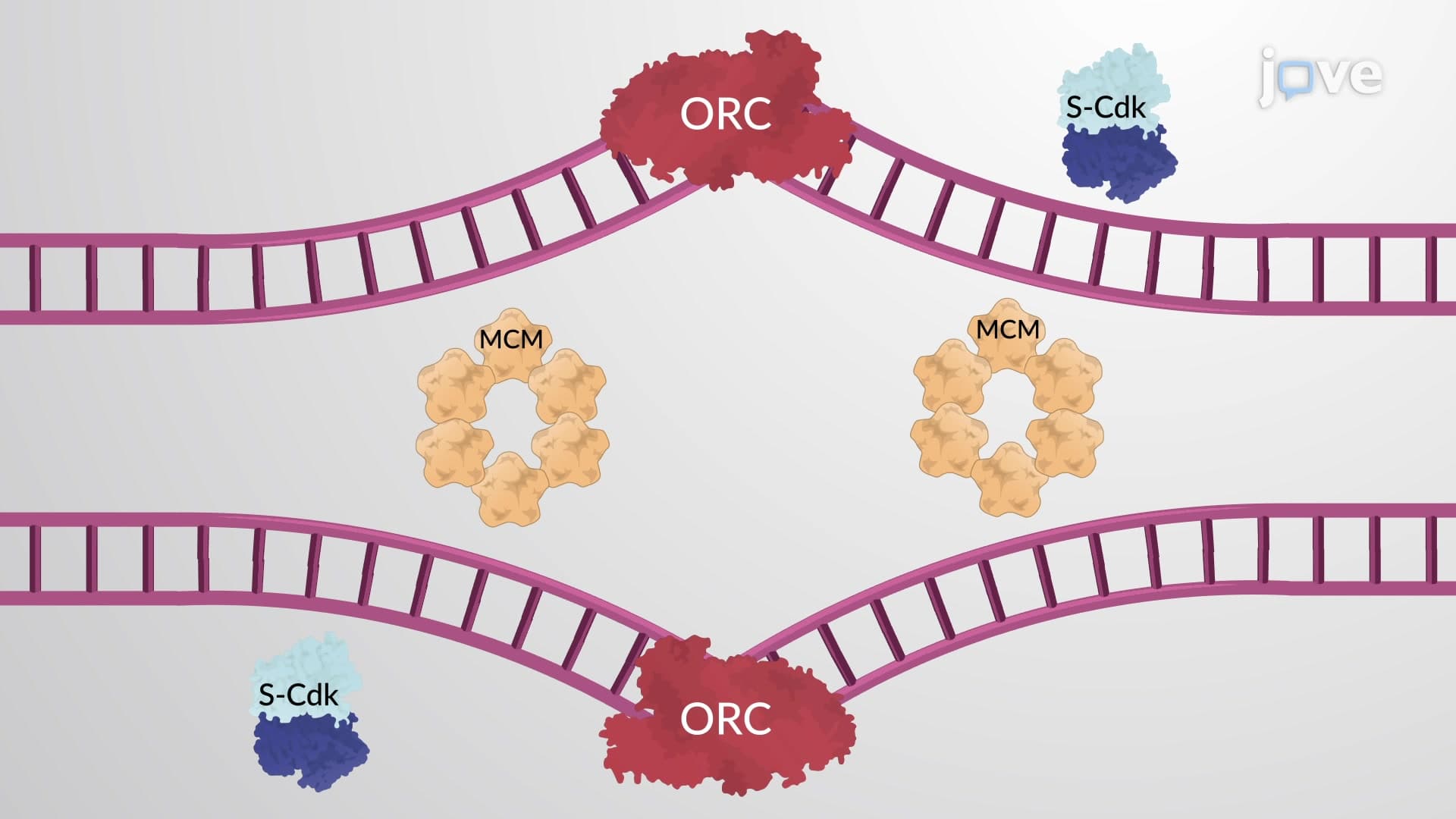
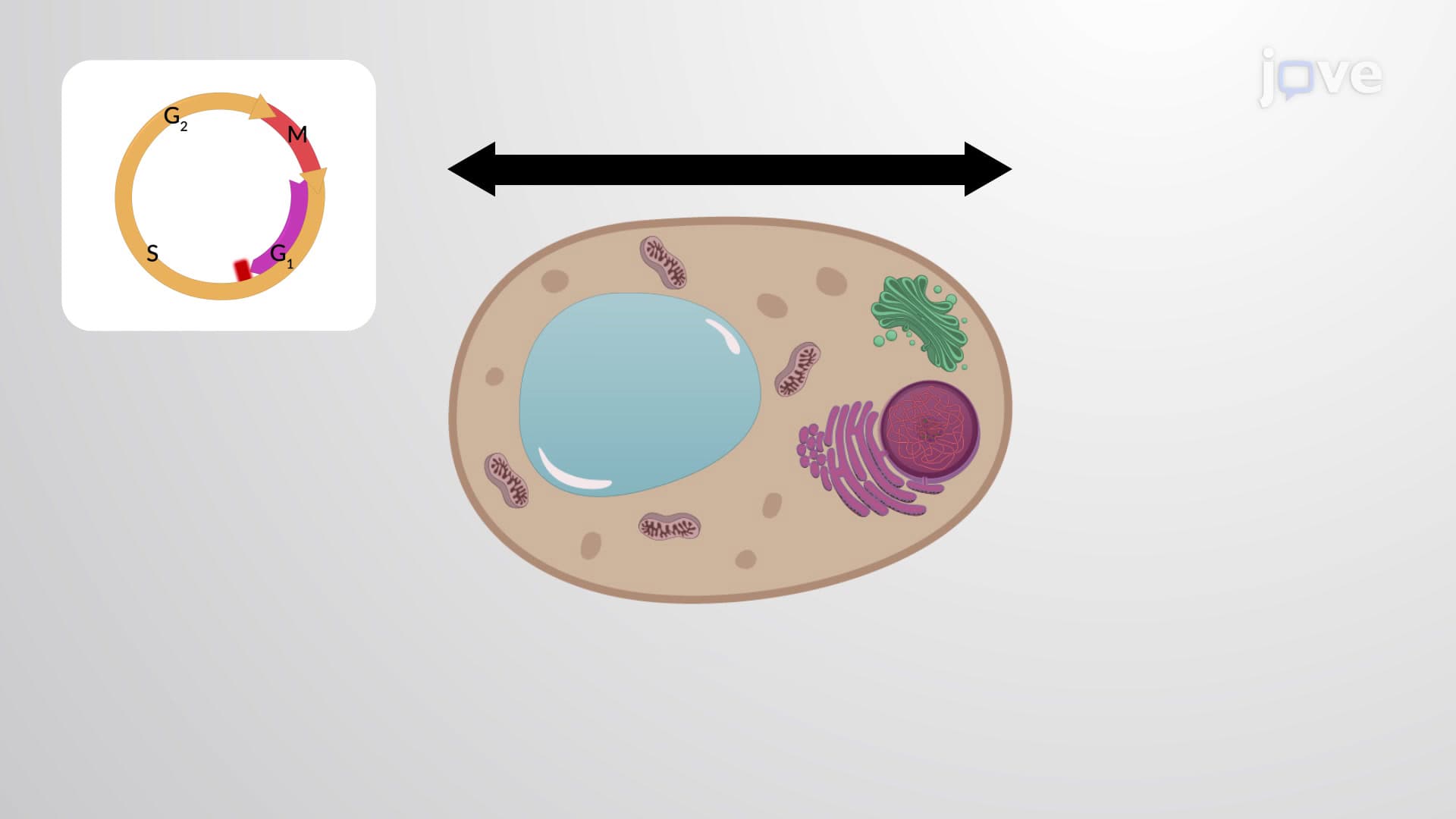
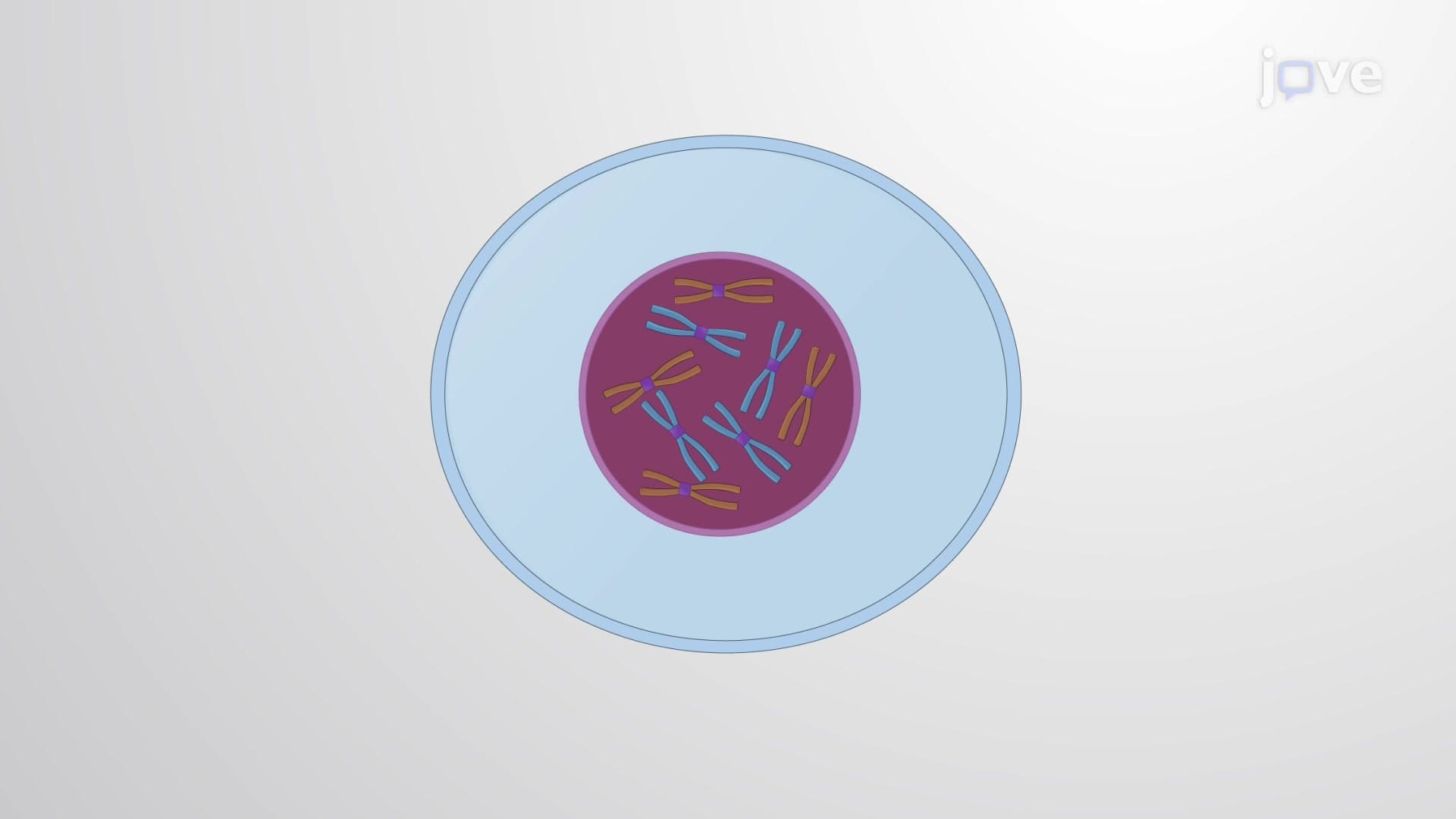
The abnormal proliferation definition encompasses several key molecular disruptions. Normal cells progress through carefully orchestrated cell cycle phases (G1, S, G2, M) with multiple checkpoints ensuring DNA integrity and proper division timing. However, when oncogenes become overactive or tumor suppressor genes lose function, these safeguards fail catastrophically.
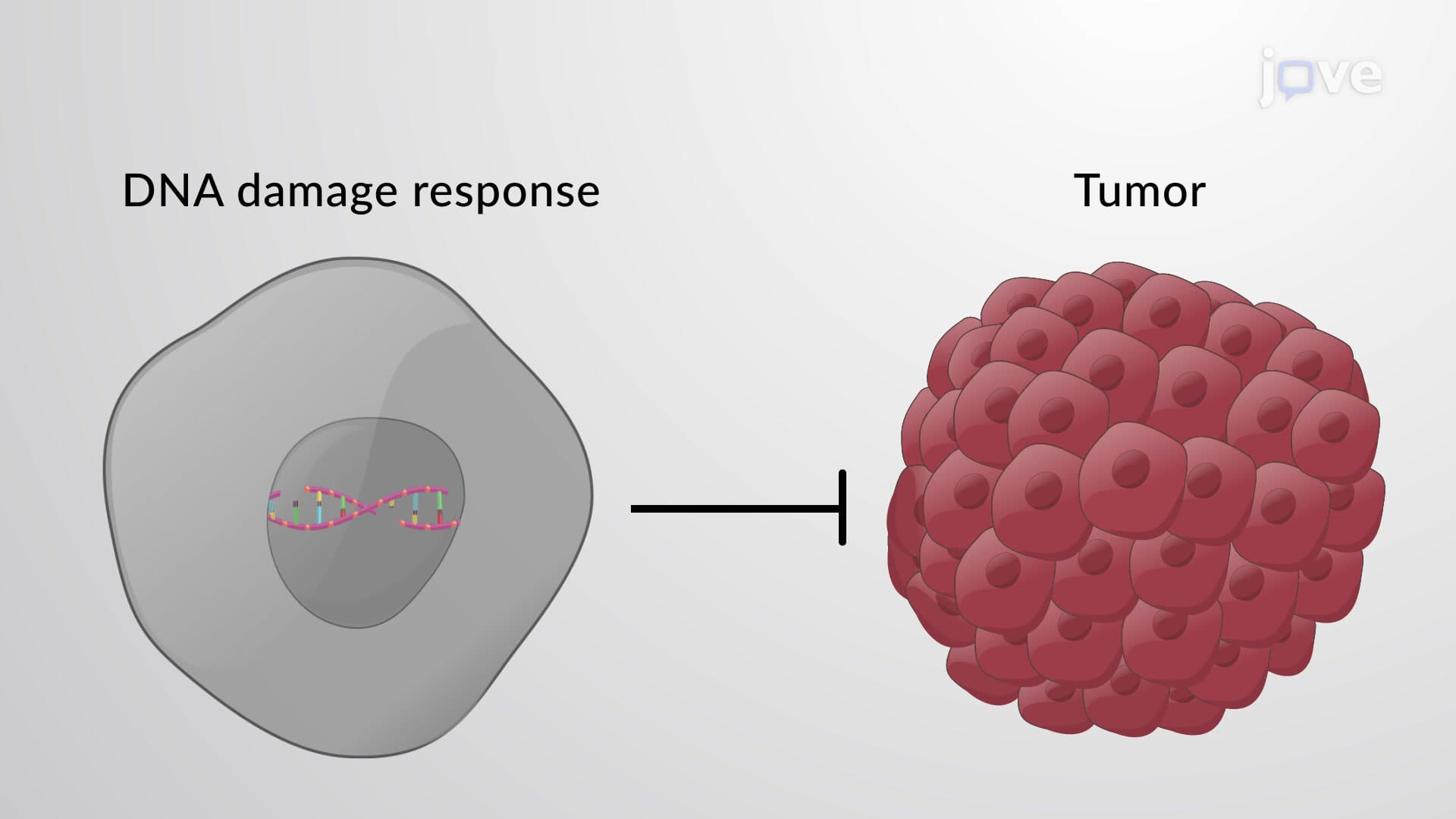
Consider the p53 protein, often called the "guardian of the genome." In healthy cells, p53 detects DNA damage and either repairs it or triggers cell death. When p53 mutations occur-found in over 50% of human cancers-cells lose this crucial checkpoint, allowing damaged DNA to replicate unchecked. Similarly, the Rb (retinoblastoma) protein normally prevents premature S-phase entry, but its loss permits inappropriate DNA synthesis.
The Ras oncogene family provides another critical example. Normally, Ras proteins regulate growth signals from outside the cell. However, mutations affecting approximately 30% of human cancers cause constant "grow" signals, even when inappropriate. These molecular changes explain why cancer cells exhibit the hallmark ability to ignore growth-inhibitory signals and sustain proliferative signaling indefinitely.
What is abnormal proliferation in detail becomes clearer when examining real clinical scenarios. At MD Anderson Cancer Center in Houston, oncologists regularly encounter patients whose tumors demonstrate classic proliferative markers. Ki-67 staining, for instance, identifies actively dividing cells-normal tissues show low Ki-67 indices, while aggressive cancers display high proliferative rates.
Abnormal proliferation extends beyond malignancy. Psoriasis patients experience keratinocyte hyperproliferation, causing characteristic skin plaques. Pulmonary fibrosis involves excessive fibroblast proliferation, gradually destroying lung architecture. These examples demonstrate how proliferative disorders affect diverse organ systems through similar underlying mechanisms.
Understanding abnormal proliferation proves essential for AP Biology students studying cell cycle regulation and college undergraduates preparing for MCAT passages on cancer biology. Medical students encountering these concepts on USMLE Step 1 must grasp how therapeutic interventions target specific proliferative pathways-from CDK inhibitors blocking cell cycle progression to monoclonal antibodies disrupting growth factor signaling.
Related Micro-courses