Loading video…


 11 Concepts
 51.5K views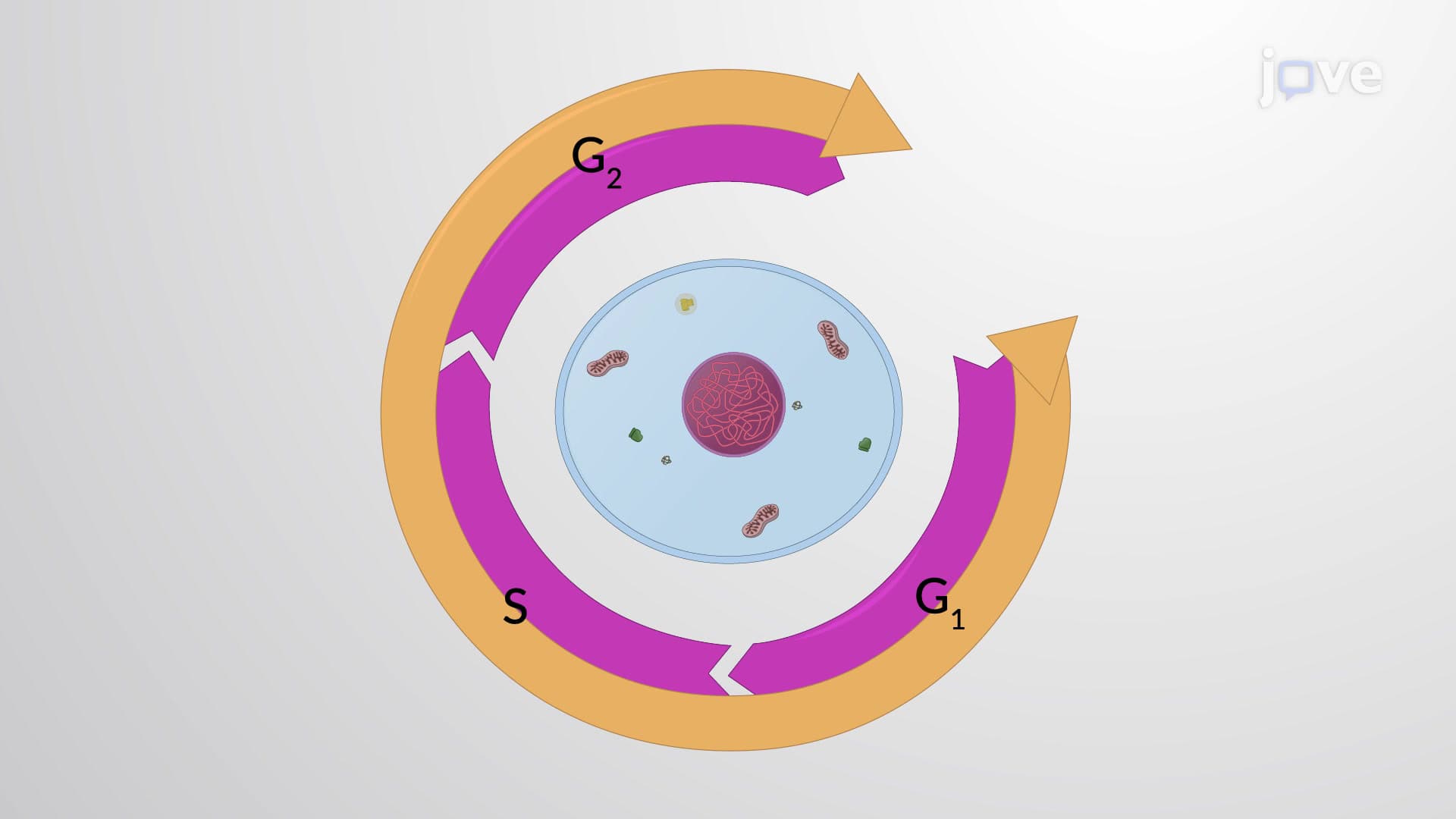

Video Summary: What Is Interphase
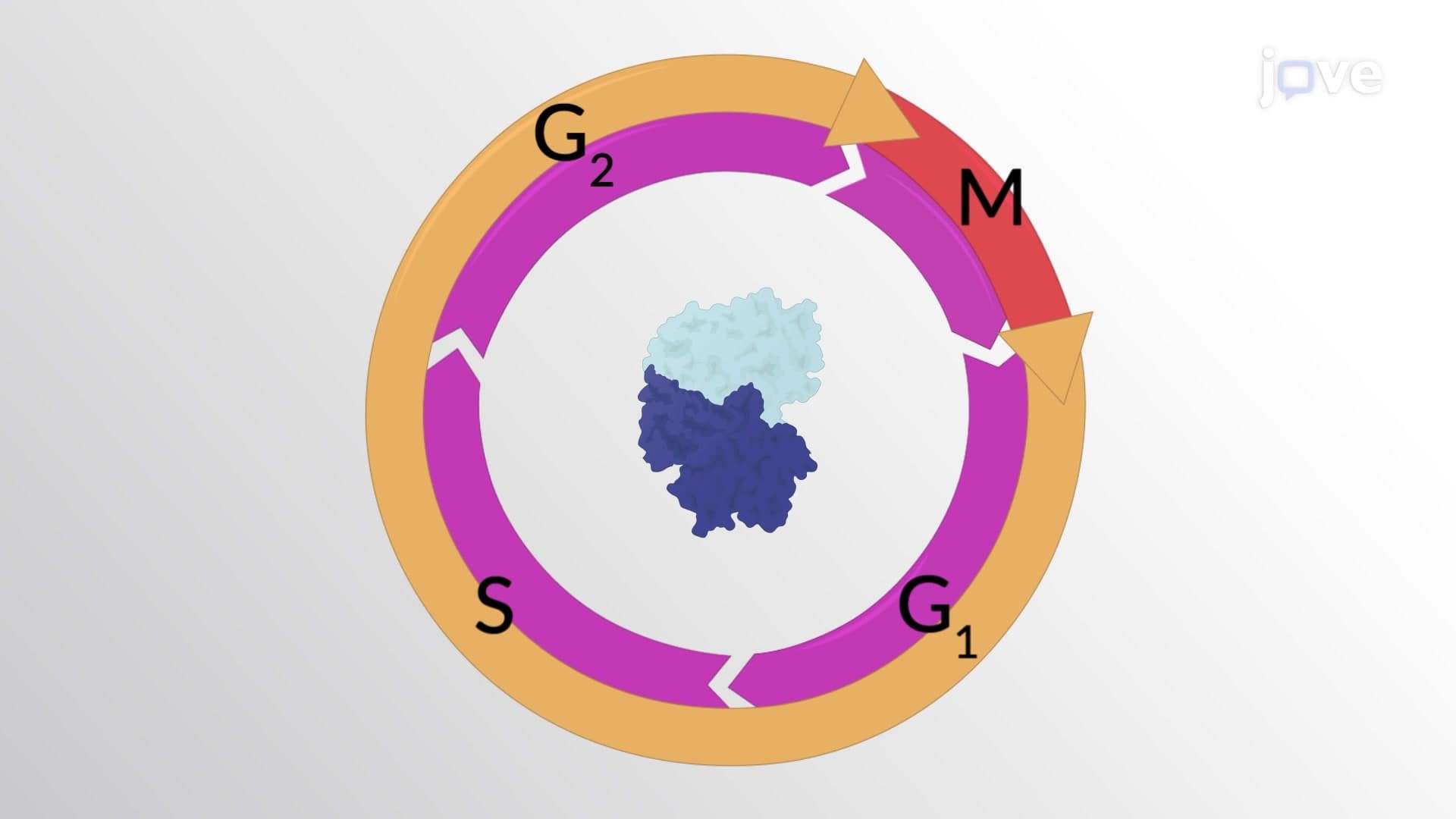
Did you know that your cells spend about 90% of their lives preparing for just one dramatic event-cell division? Interphase explained biology reveals this fascinating preparatory phase where cells grow, duplicate their DNA, and stockpile resources before mitosis begins. Consider how rapidly growing tissues like those in adolescent growth spurts at US high schools depend on efficient interphase processes to fuel development. What is Interphase represents the cell's most metabolically active period, involving three distinct phases: G1, S, and G2. Watch the full video on JoVE Coach to master this concept with expert-led visuals and step-by-step explanations.
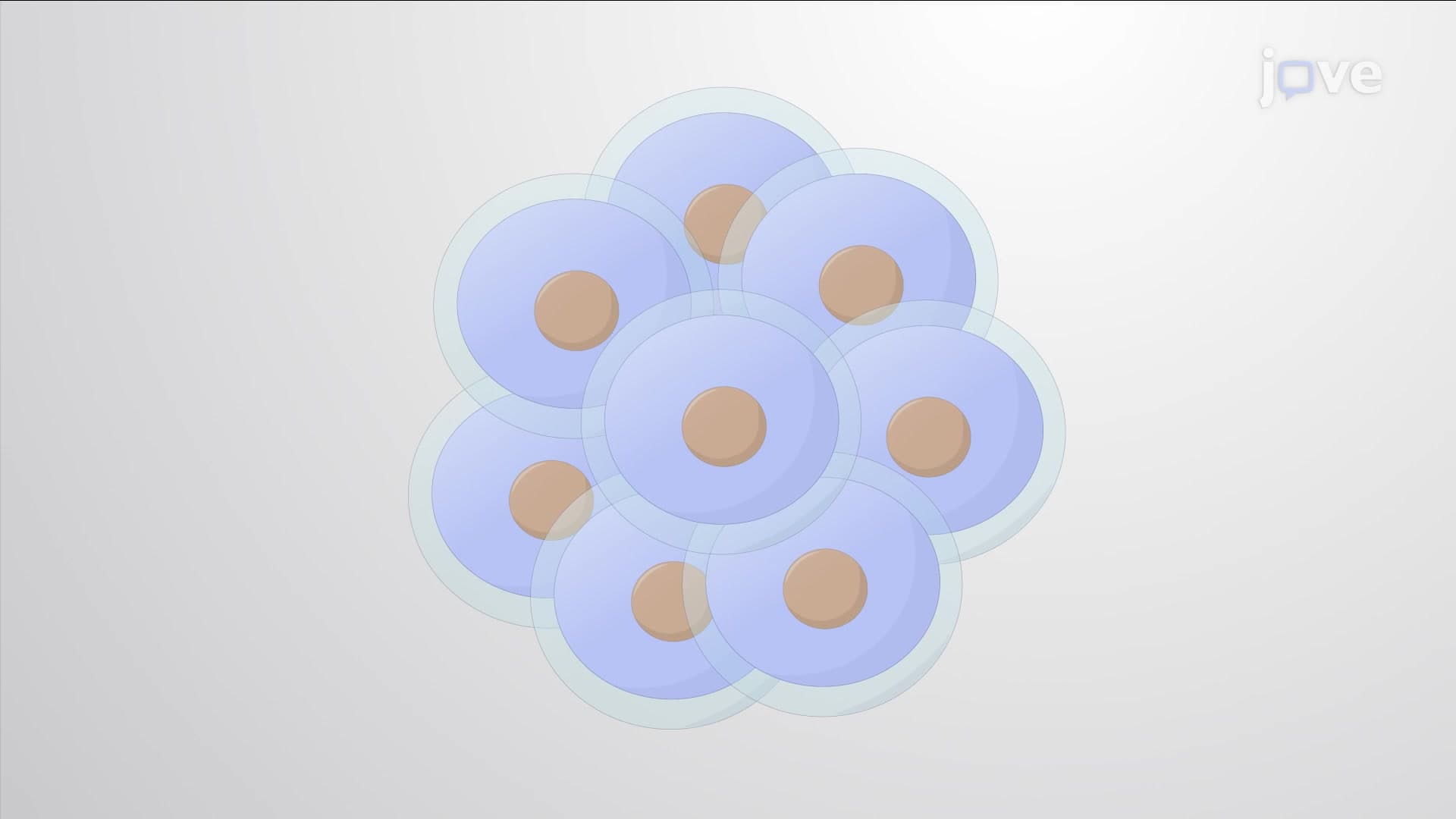
Interphase cell cycle biology represents far more than a simple "resting" period between cell divisions. This dynamic phase accounts for approximately 90% of a cell's lifecycle, making it the longest and most metabolically active portion of the cell cycle. During interphase, cells undergo extensive preparation that ensures successful division and maintains cellular health.
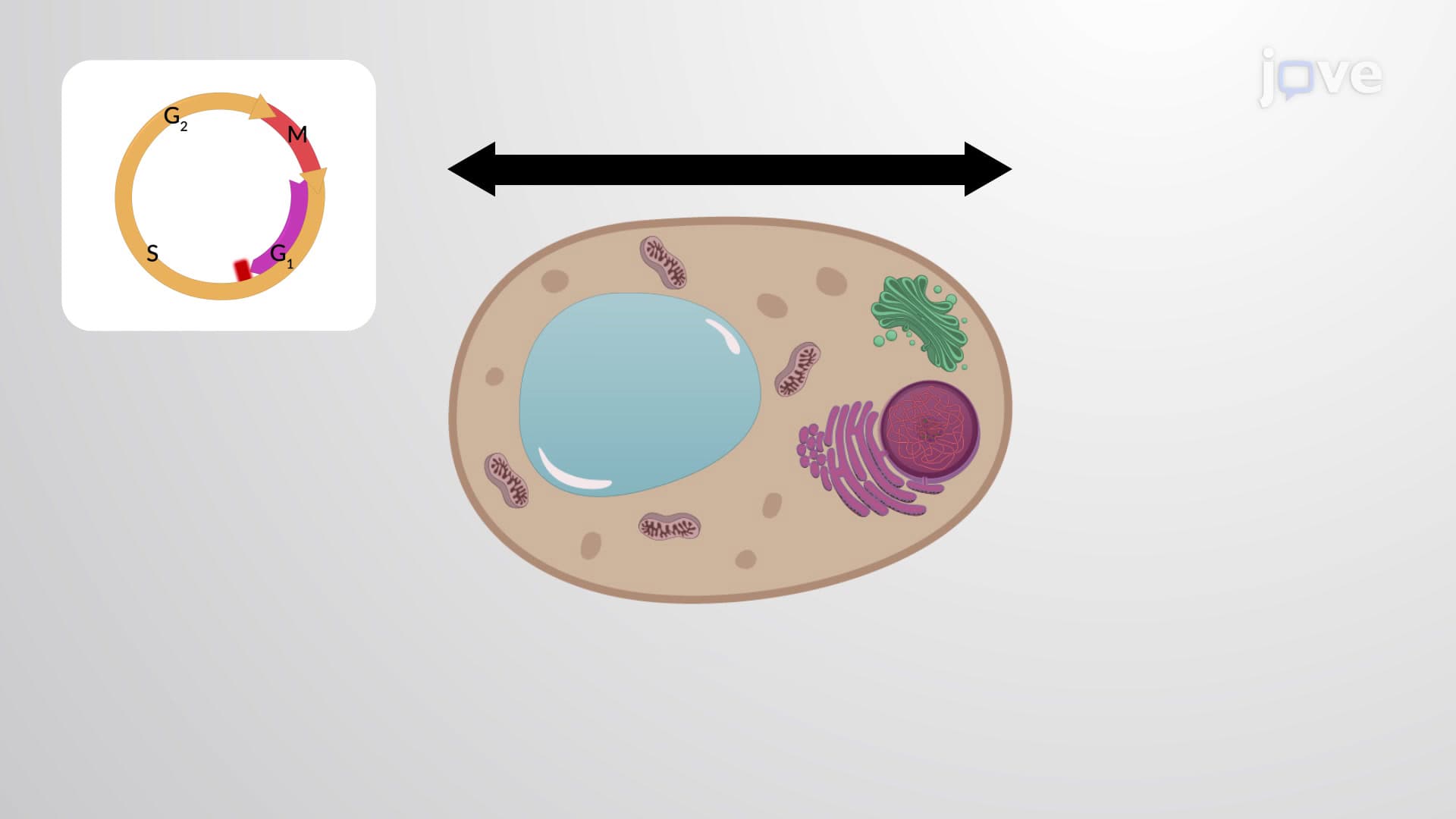
The G1 S G2 interphase sequence follows a carefully orchestrated timeline. During G1 (Gap 1), newly formed daughter cells focus on growth and normal metabolic functions. Cells synthesize proteins, produce enzymes, and accumulate the molecular machinery needed for DNA replication. This phase varies dramatically in duration-while rapidly dividing embryonic cells may complete G1 in hours, mature neurons remain in a modified G1 state called G0 for decades.
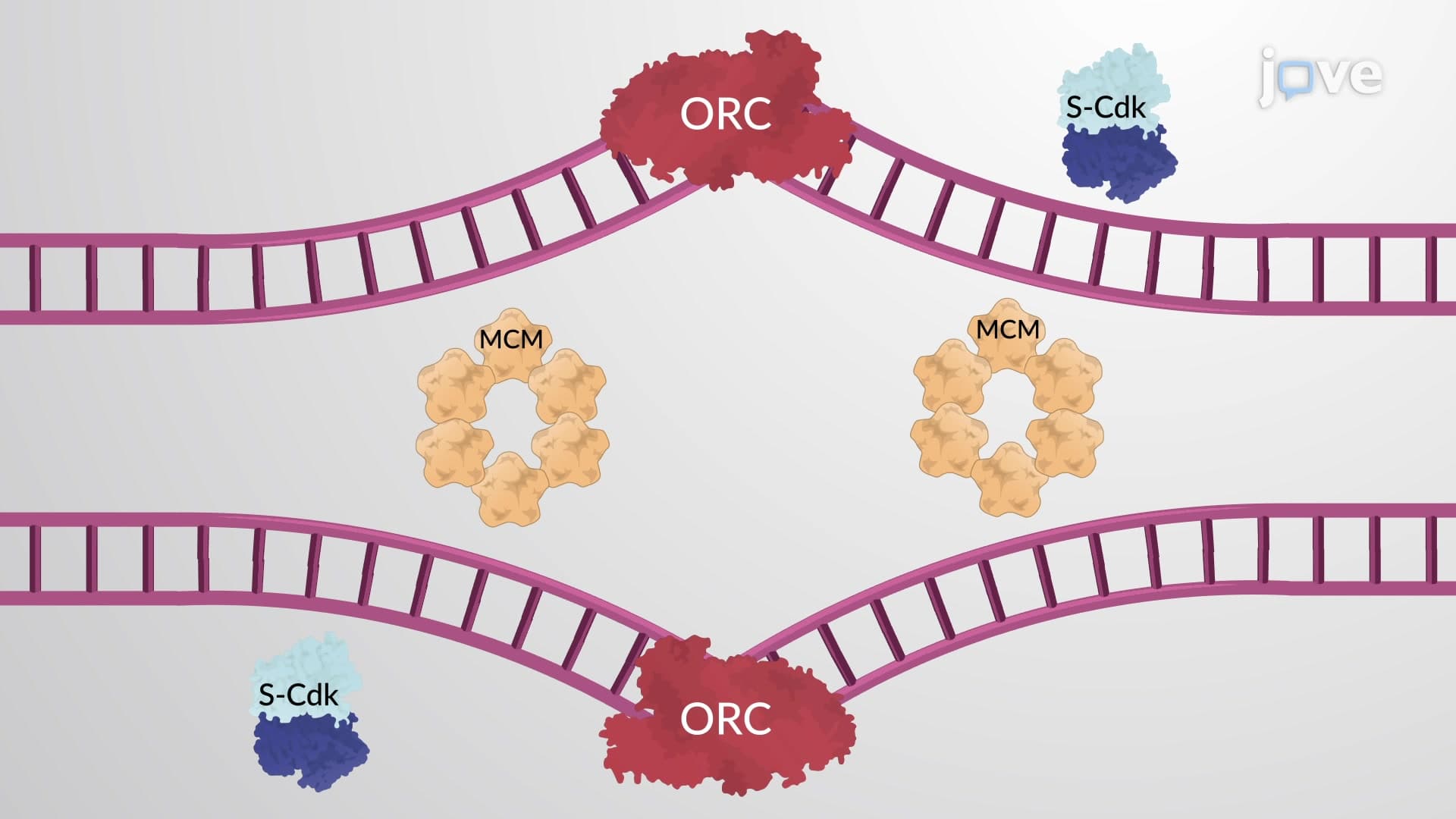
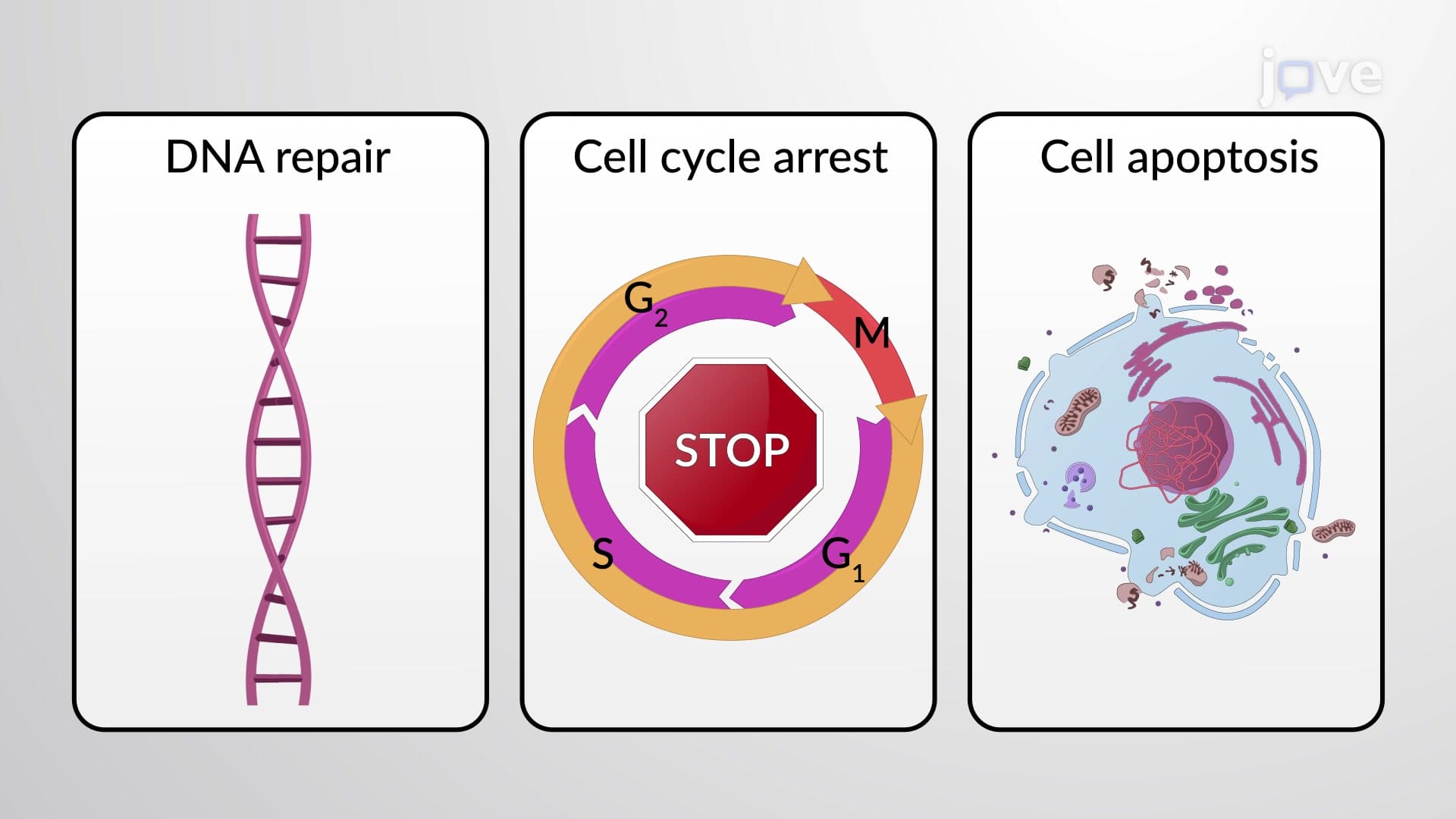
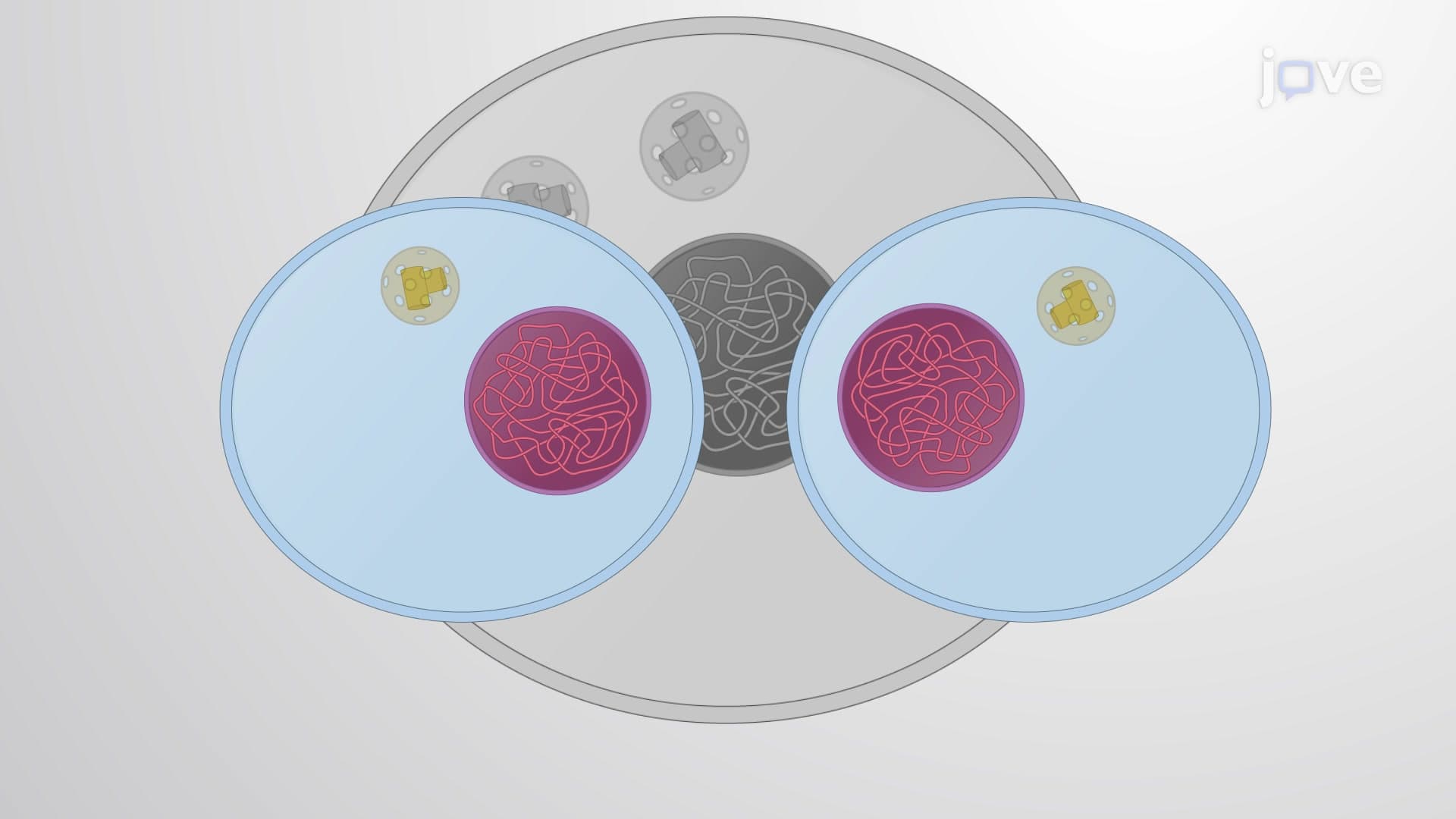
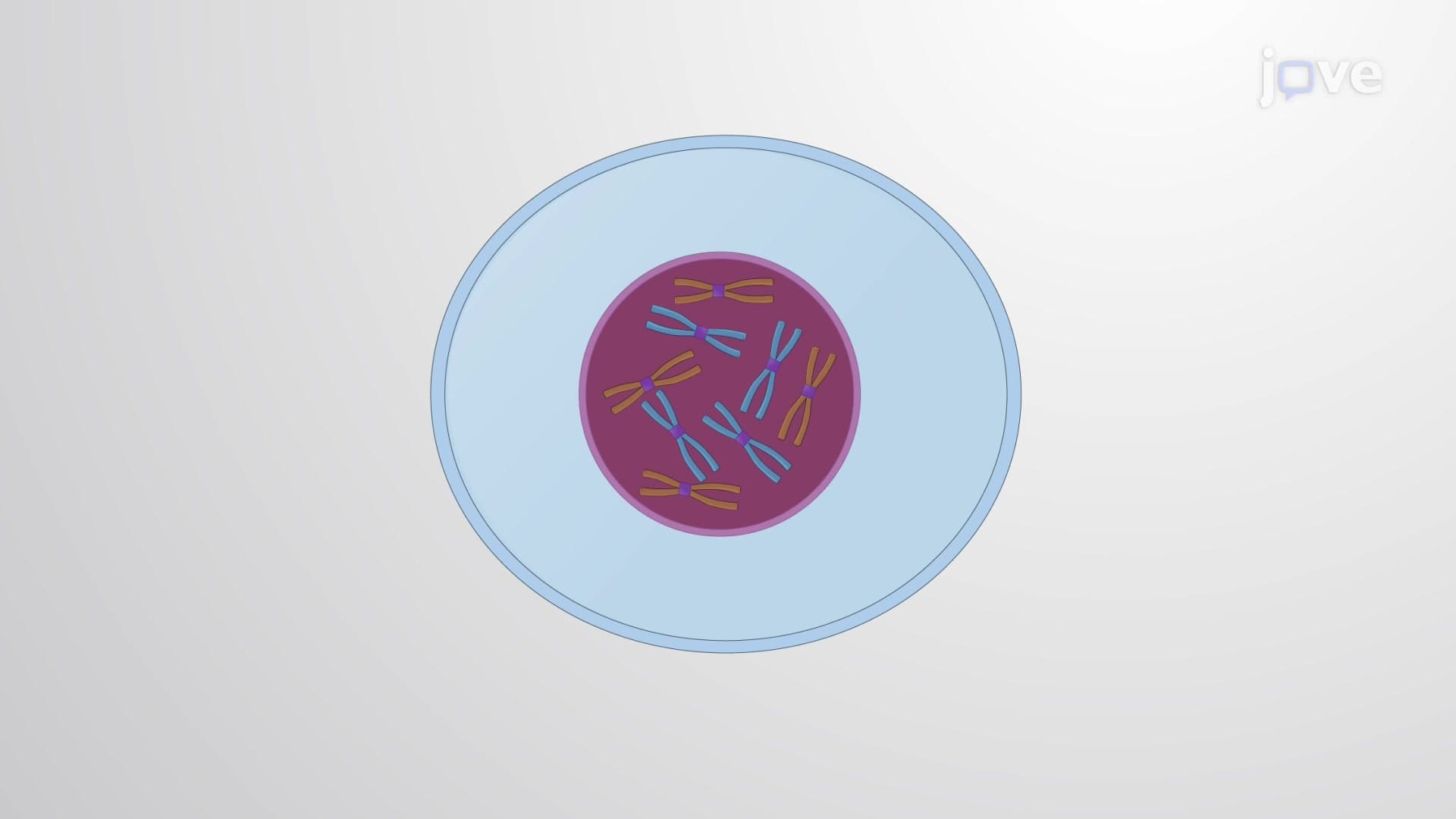
The S (Synthesis) phase marks the critical period of DNA replication interphase activity. Each chromosome must be precisely duplicated to ensure daughter cells receive identical genetic information. Simultaneously, centrosomes duplicate to provide the structural foundation for the mitotic spindle apparatus. DNA replication follows strict quality control mechanisms, with multiple checkpoints preventing errors that could lead to cancer.
G2 (Gap 2) focuses on cell growth interphase activities and interphase preparation mitosis functions. Cells continue expanding, duplicate organelles like mitochondria and ribosomes, and synthesize proteins essential for chromosome condensation and spindle formation. The cell accumulates energy reserves needed for the energy-intensive process of mitosis.
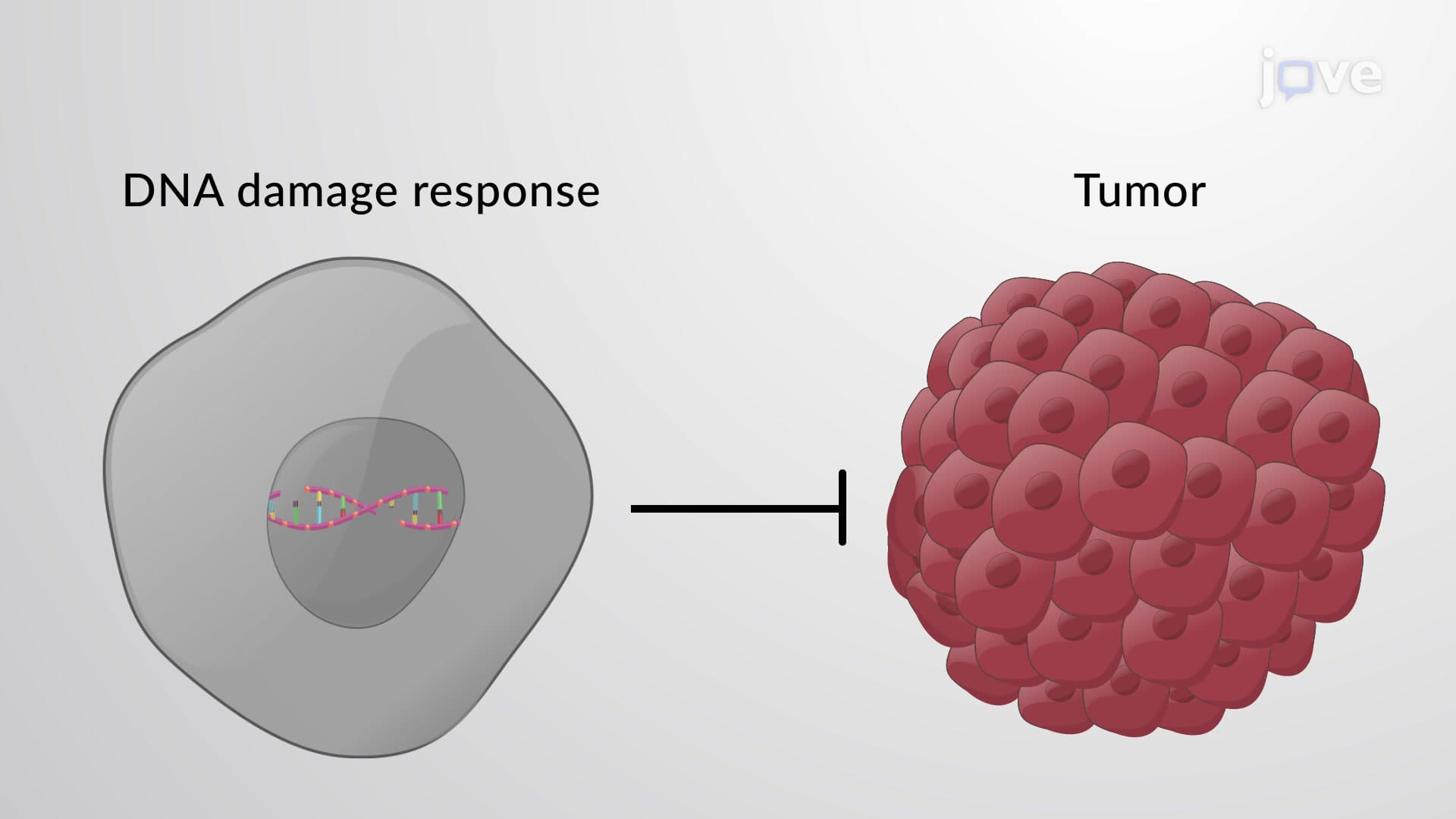
Understanding interphase cell cycle biology proves crucial for comprehending cancer development, as many tumors result from disrupted interphase checkpoints. Students preparing for the AP Biology exam frequently encounter questions about cell cycle regulation, while pre-med students studying for the MCAT must understand how chemotherapy targets rapidly dividing cells during specific interphase phases.
Consider how this knowledge applies to everyday health scenarios: when you receive a cut, skin cells must efficiently progress through interphase to replace damaged tissue. Cancer treatments like radiation therapy specifically target the S phase when DNA replication makes cells most vulnerable to damage.
Related Micro-courses