Loading video…


 12 Concepts
 958.8K views

Video Summary: What Is Classifying Matter by State
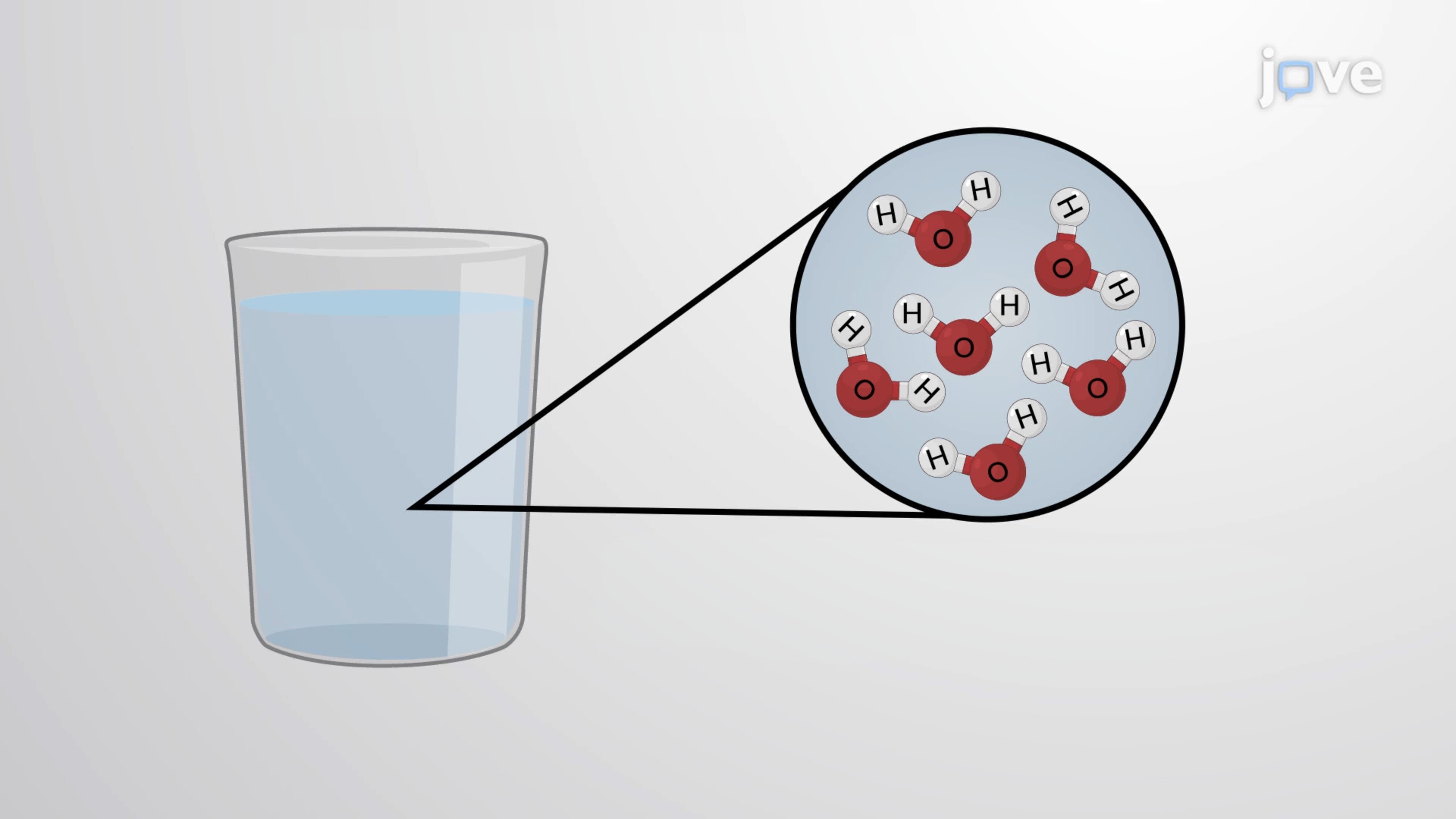
Did you know that the same water molecules in your morning coffee exist as ice in your freezer and steam from your shower? Classifying matter by state reveals how identical substances can behave completely differently based on their molecular arrangement and energy. From solid ice cubes maintaining rigid structure to gaseous water vapor expanding to fill entire rooms, What is Classifying Matter By State explains the four fundamental states: solids, liquids, gases, and plasma. Watch the full video on JoVE Coach to master this concept with expert-led visuals and step-by-step explanations.
Classifying matter by state forms the foundation of physical chemistry and materials science, providing a systematic framework for understanding how identical substances exhibit vastly different behaviors. This classification system relies on two critical factors: the strength of intermolecular forces and the kinetic energy of particles. When students master this concept, they gain insight into everything from why ice floats in water to how refrigeration systems work in American households.
Solids maintain definite shape and volume due to strong intermolecular forces that lock particles into rigid arrangements. Consider the aluminum used in Boeing 787 aircraft manufacturing-its crystalline structure provides the strength needed for flight while remaining lightweight. In solids, particles vibrate around fixed positions, creating the structural integrity essential for construction materials like steel beams in New York skyscrapers. This understanding proves crucial for AP Chemistry students studying crystal lattices and for engineering students analyzing material properties.
Liquids possess fixed volume but variable shape, adapting to their containers while maintaining constant density. The petroleum industry relies heavily on this principle-crude oil flows through thousands of miles of pipelines across Texas and Alaska, taking the shape of cylindrical pipes while preserving its volume. Liquid particles move freely past each other due to moderate intermolecular forces, enabling applications from hydraulic systems in construction equipment to the blood circulation in human cardiovascular systems studied in pre-med courses.
Gases exhibit no fixed shape or volume, expanding to fill available space completely. This principle explains why natural gas can be compressed for storage in underground caverns throughout the Midwest, then expand to heat millions of American homes. Gas particles move rapidly with minimal intermolecular attraction, making gases highly compressible-a property essential for understanding atmospheric pressure changes that affect weather patterns studied in meteorology programs at universities like Penn State and Texas A&M.
Plasma, the fourth state of matter, consists of electrically charged particles formed at extreme temperatures. While plasma seems exotic, it surrounds us daily-from the fluorescent lights in American classrooms to the plasma TVs in living rooms. The Sun's interior operates as a massive plasma reactor, and researchers at facilities like MIT's Plasma Science and Fusion Center work toward harnessing plasma for clean energy production.
Related Micro-courses