Loading video…


 10 Concepts
 222.7K views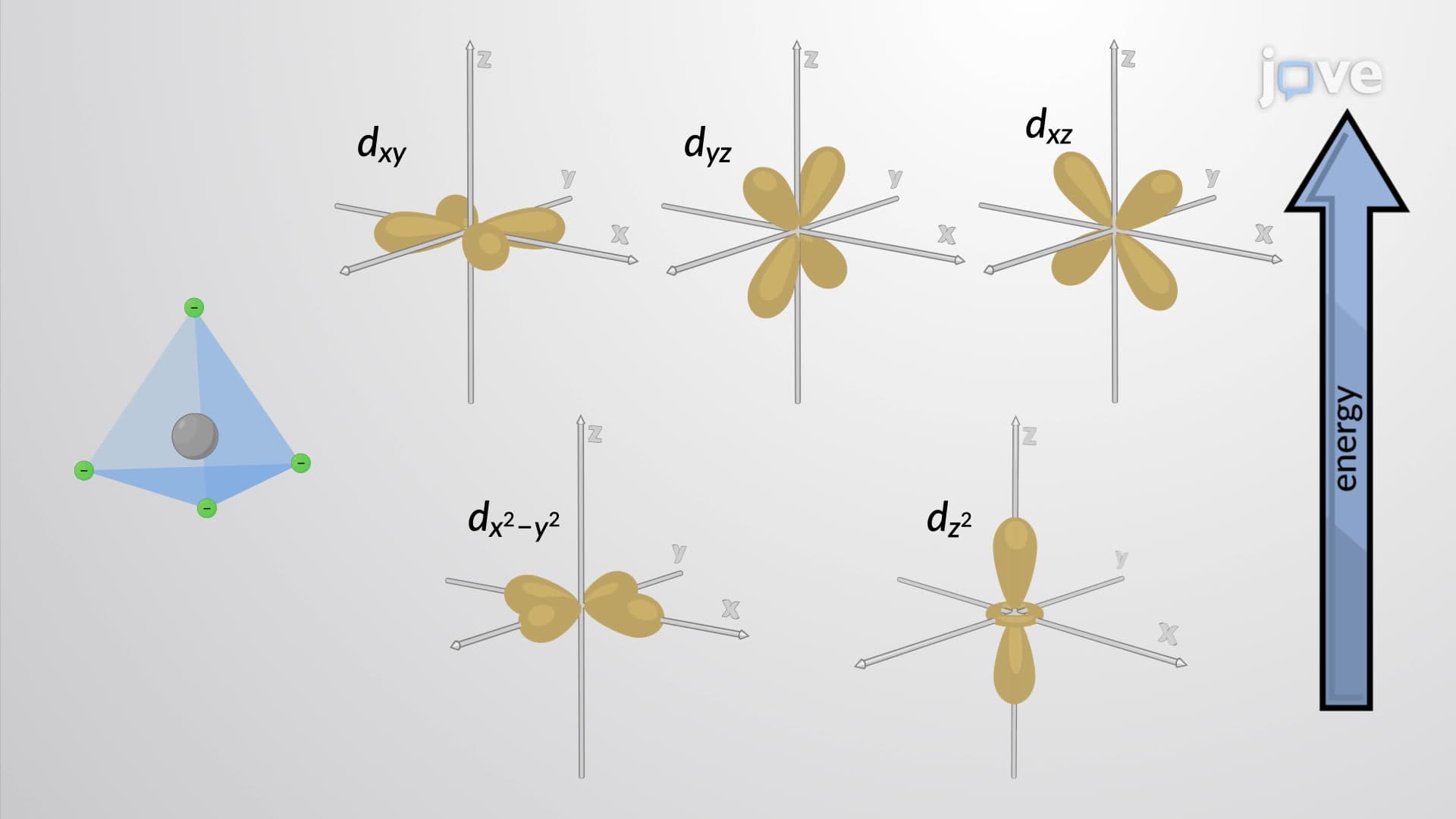

Video Summary: Crystal Field Theory Applied to Tetrahedral and Square Planar Complexes
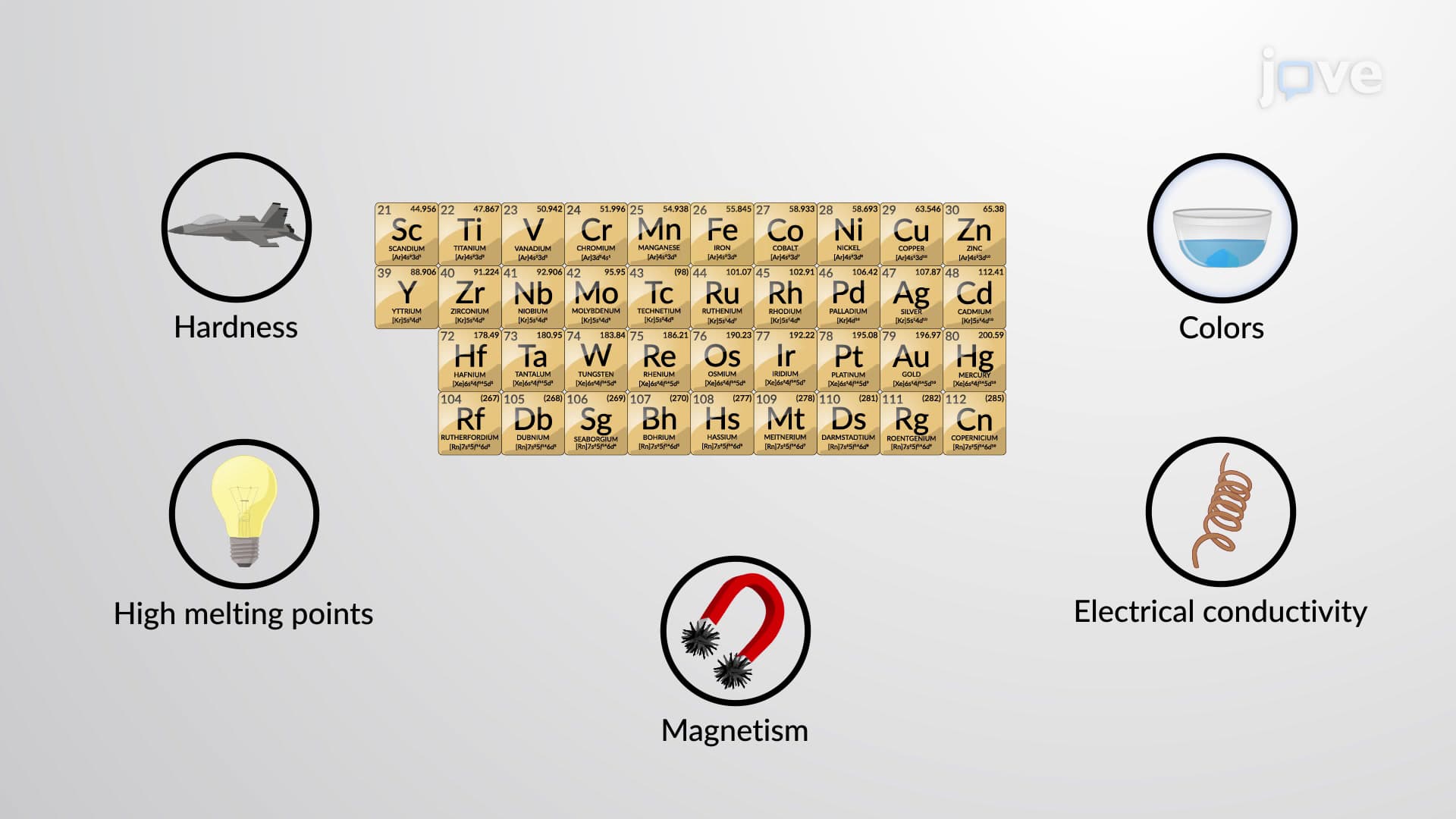
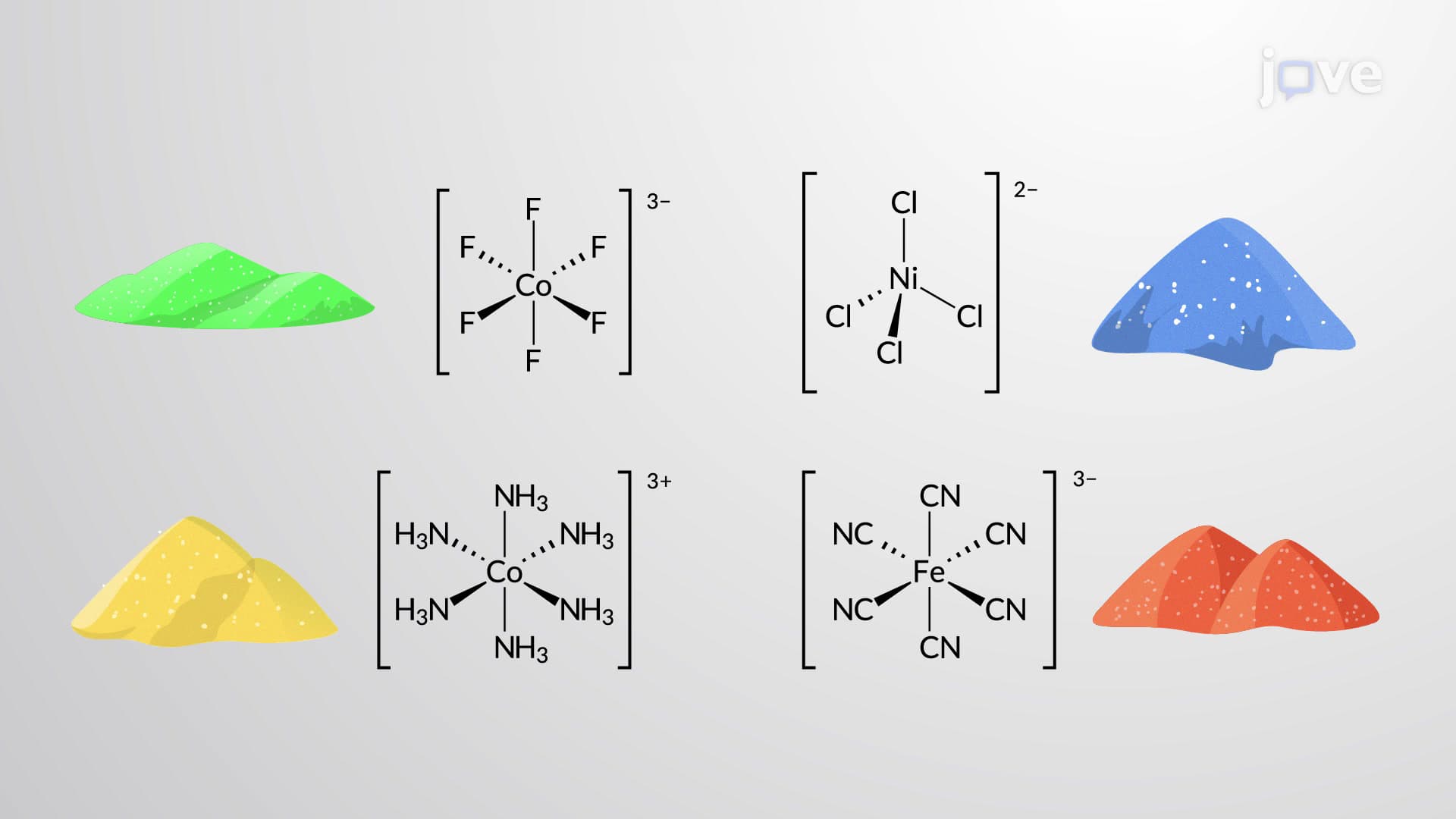
Why do transition metal compounds exhibit such vibrant colors, from the blue of copper sulfate used in high school chemistry labs to the green of nickel complexes? Crystal field theory applied to tetrahedral and square planar complexes reveals how ligand geometry dramatically affects d-orbital energy levels, creating unique splitting patterns that determine a compound's properties. Unlike octahedral complexes, tetrahedral arrangements invert the typical d-orbital energy hierarchy, while square planar geometries create four distinct energy levels. Watch the full video on JoVE Coach to master this concept with expert-led visuals and step-by-step explanations.
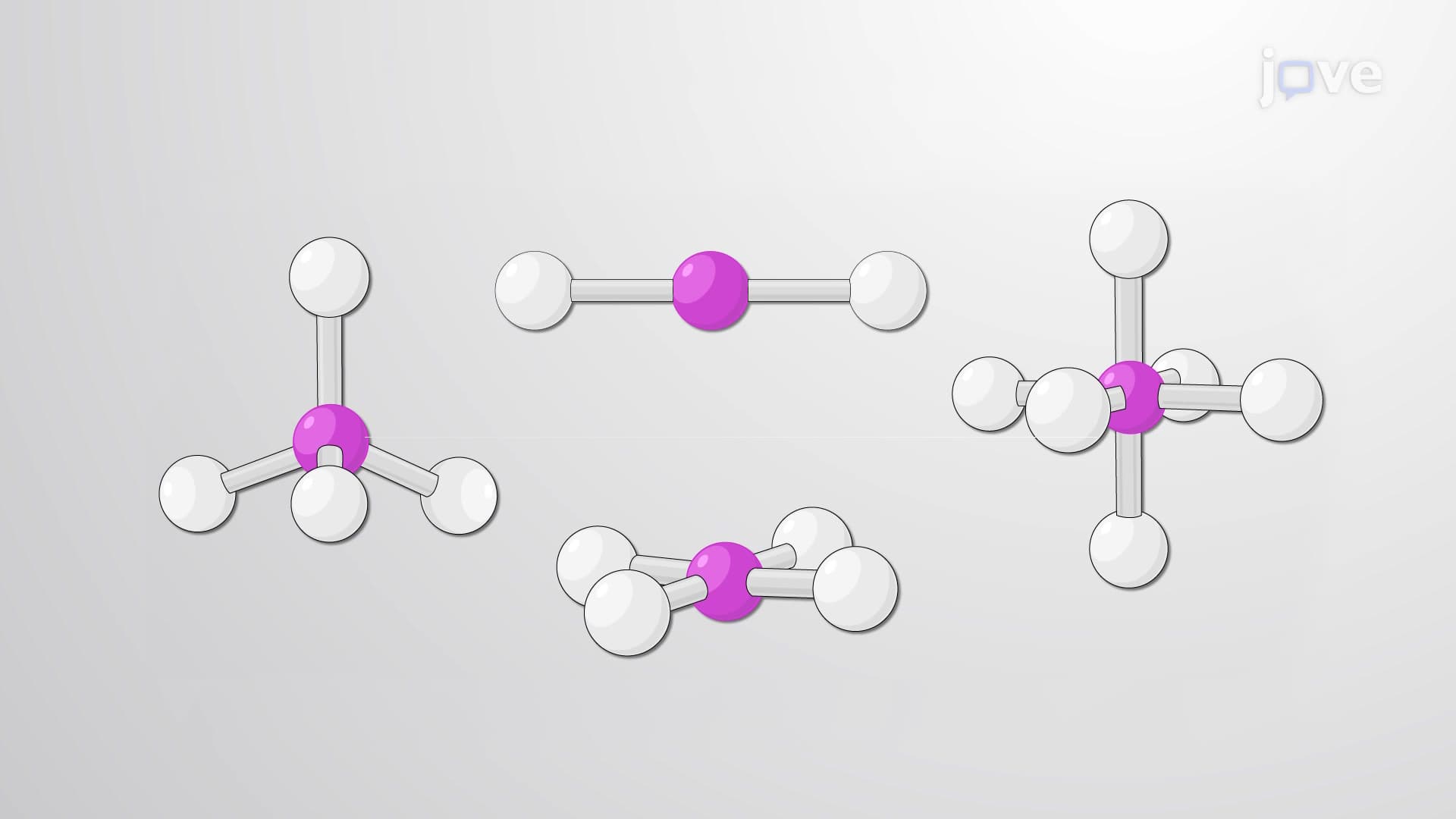
Crystal field theory extends beyond the commonly studied octahedral geometry to explain how tetrahedral and square planar arrangements affect transition metal d-orbitals. This theoretical framework proves essential for understanding coordination chemistry across diverse molecular geometries, particularly relevant in advanced placement chemistry and undergraduate inorganic chemistry courses.
In tetrahedral complexes like tetrachloronickelate(II) ion [NiCl4]2-, the four ligands create a crystal field that splits d-orbitals into two distinct energy sets. The dxy, dyz, and dxz orbitals form the higher-energy t2 set, while dx2-y2 and dz2 orbitals comprise the lower-energy e set. This represents a complete inversion from octahedral splitting, where the same orbitals occupy opposite energy levels.
The smaller tetrahedral splitting energy (Δtet) results from reduced ligand-orbital overlap compared to octahedral arrangements. Students preparing for the MCAT or AP Chemistry exams should note that tetrahedral complexes typically exhibit high-spin configurations due to this smaller energy gap, making electron pairing energetically unfavorable.
Square planar complexes, exemplified by tetracyanonickelate(II) ion [Ni(CN)4]2-, demonstrate how ligand positioning in a single plane creates unique orbital splitting patterns. The dx2-y2 orbital experiences maximum destabilization as its lobes point directly toward the four ligands. The dxy orbital, lying in the ligand plane but between the charges, occupies the second-highest energy level.
The dz2 orbital sits at intermediate energy due to minimal overlap with the xy-plane crystal field, while dxz and dyz orbitals remain lowest in energy with virtually no ligand interaction. This four-level splitting pattern, characterized by the largest splitting energy (Δsp), often leads to low-spin configurations in square planar complexes.
The energy ratio Δtet:Δsp:Δoct = 0.44:1.7:1 provides a quantitative framework for predicting complex stability and magnetic behavior. Square planar geometry, despite having fewer ligands than octahedral arrangements, produces larger splitting due to concentrated ligand-orbital interactions in the xy-plane.
These principles apply directly to industrial catalysis, where platinum-based square planar complexes facilitate petroleum refining processes, and to biological systems, where tetrahedral zinc complexes serve essential enzymatic functions. Understanding these geometric effects proves crucial for students pursuing careers in materials science, pharmaceutical development, or chemical engineering.
Related Micro-courses