Loading video…


 10 Concepts
 2.2K views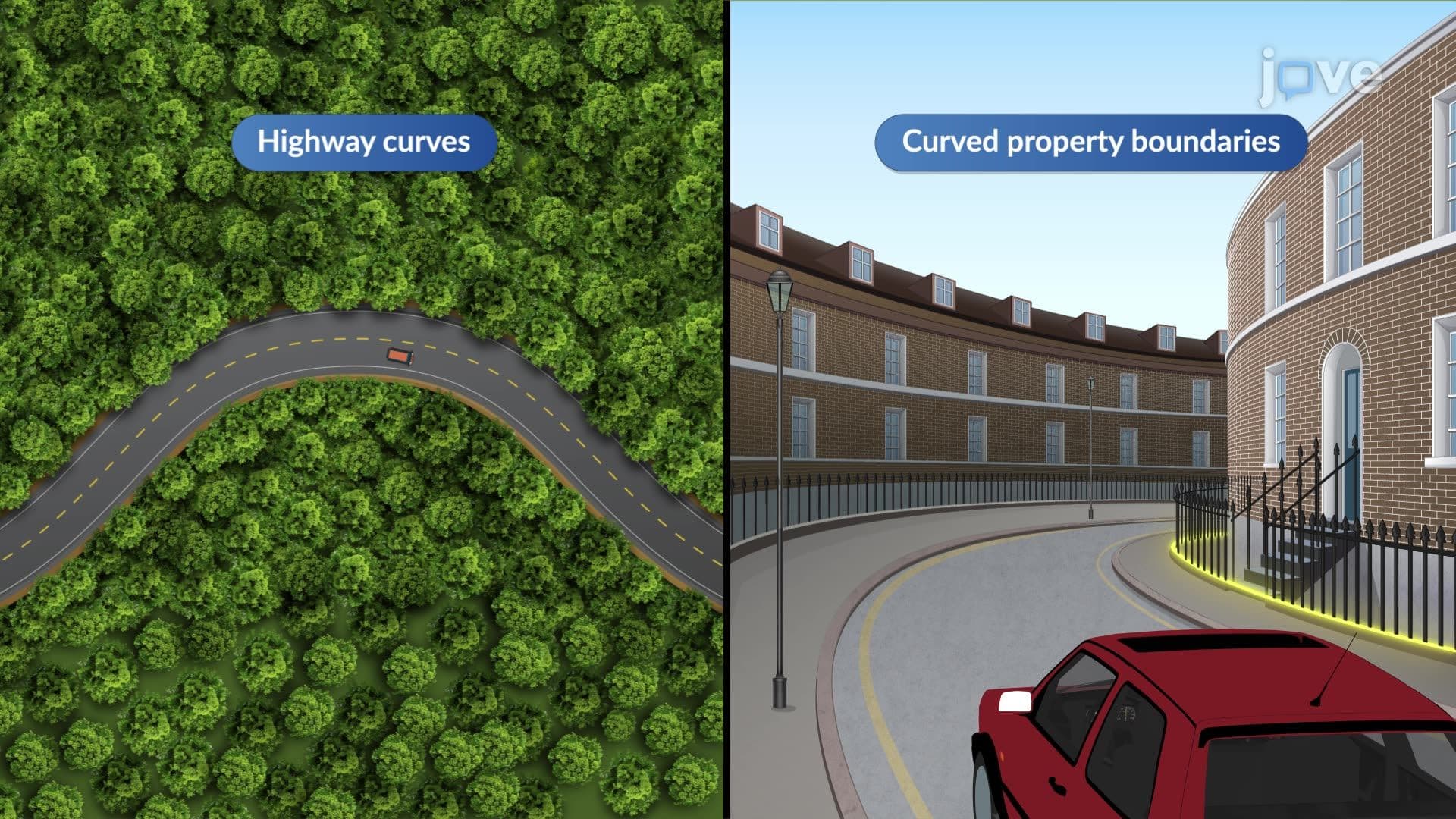

Video Summary: Degree of Curvature and Radius Explained
Ever wonder why the Golden Gate Bridge's cables form perfect parabolic curve equations rather than straight lines? Understanding Degree of Curvature And Radius Explained reveals how engineers calculate the precise mathematical relationships that determine whether a curve feels smooth or sharp. From the banked turns at Indianapolis Motor Speedway to the gentle arcs of interstate highways, these fundamental principles govern safe navigation speeds and structural design. Watch the full video on JoVE Coach to master this concept with expert-led visuals and step-by-step explanations.
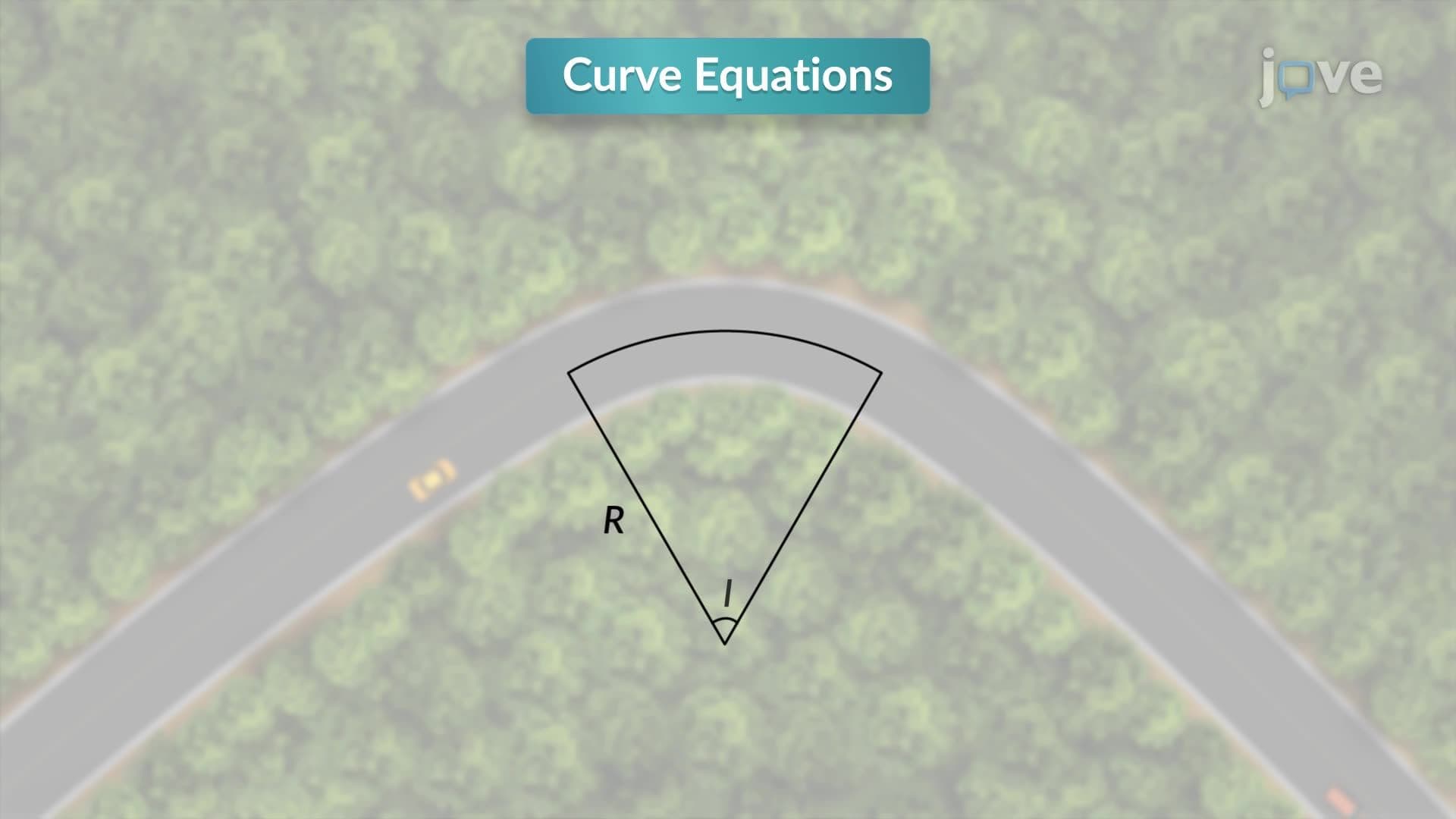
The mathematical relationship between curve sharpness and geometric properties forms the foundation of transportation engineering and advanced algebra. Curve equations govern everything from roller coaster design at Six Flags parks to the banking angles on NASCAR tracks. The degree of curvature (D) and radius of curvature (R) work together to quantify exactly how sharp or gradual any curved path will be.
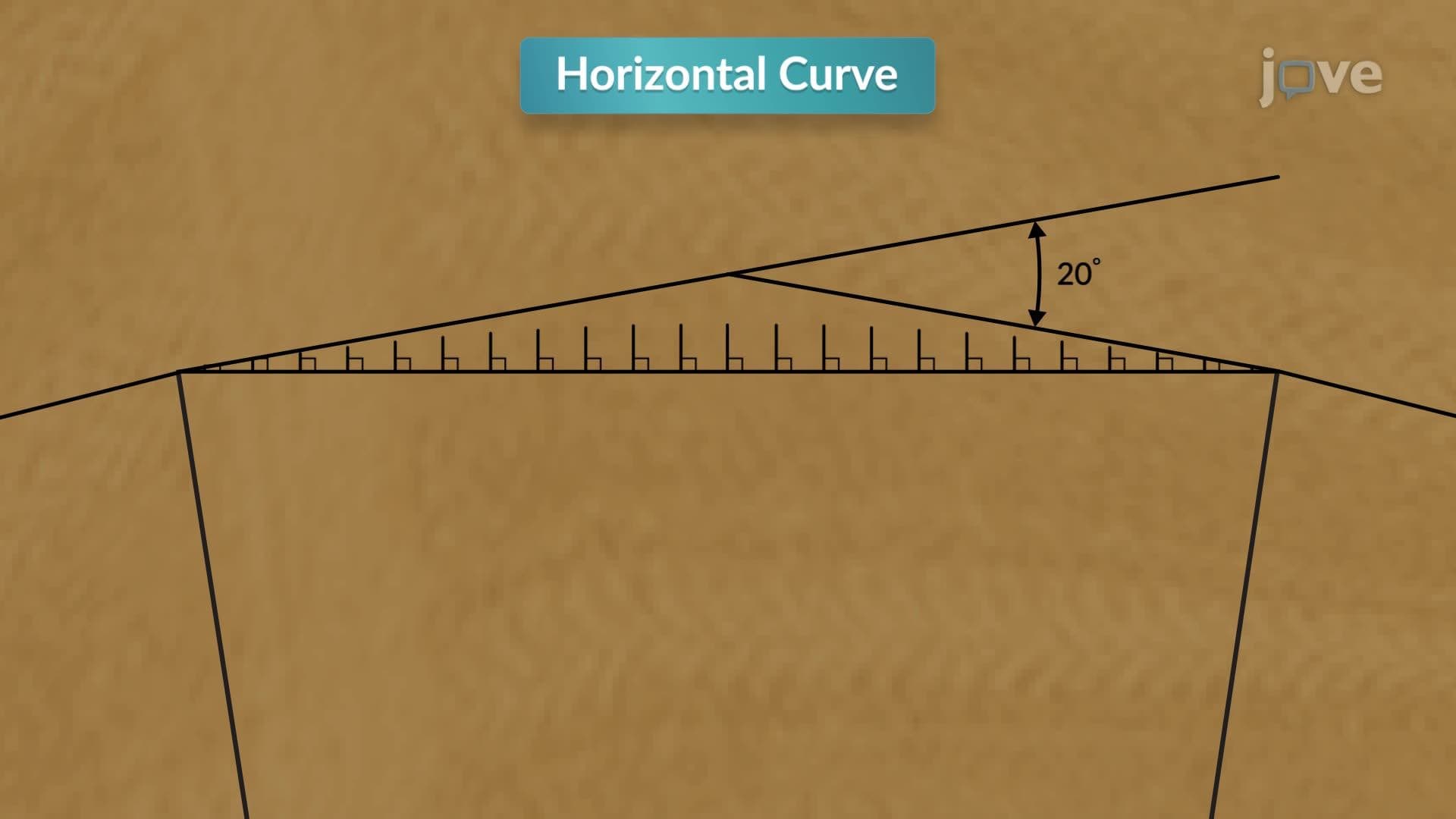
The chord basis approach defines curvature using a 30.48-meter (100-foot) chord length, measuring the central angle this chord subtends. This method proves essential for railroad engineering across the United States, where the Association of American Railroads mandates specific curvature standards for freight and passenger lines. When studying types of curve equations for the SAT Math Level 2 or AP Calculus exams, students encounter this principle in parametric and polar coordinate problems.
The mathematical relationship follows: D = 5729.58/R (where D is in degrees and R is the radius in feet). This formula appears frequently in civil engineering coursework at institutions like MIT and Stanford, where students learn to design safe transportation systems.
Highway design utilizes the arc basis method, where the degree of curvature represents the central angle subtended by a 30.48-meter arc length. The Federal Highway Administration requires specific curvature calculations for interstate design, ensuring vehicles can safely navigate curves at posted speed limits. This approach provides more precise calculations for the continuous curves found in modern highway systems.
Understanding curve equations through the arc basis method helps students grasp concepts that appear on the MCAT's physics sections and in undergraduate calculus courses. The relationship D = 1719.87/R offers a direct path to determining safe design speeds for vehicular traffic.
Professional engineers apply these principles daily when designing infrastructure projects. The California Department of Transportation uses arc basis calculations for Highway 1's coastal curves, while railroad engineers employ chord basis methods for freight lines crossing the Rocky Mountains. These practical applications demonstrate how curve equations overview concepts translate directly into public safety and economic efficiency.
Students preparing for engineering careers should master both methods, as they form the foundation for computer-aided design software used throughout the transportation industry.
Related Micro-courses