Loading video…


 7 Concepts
 2.3K views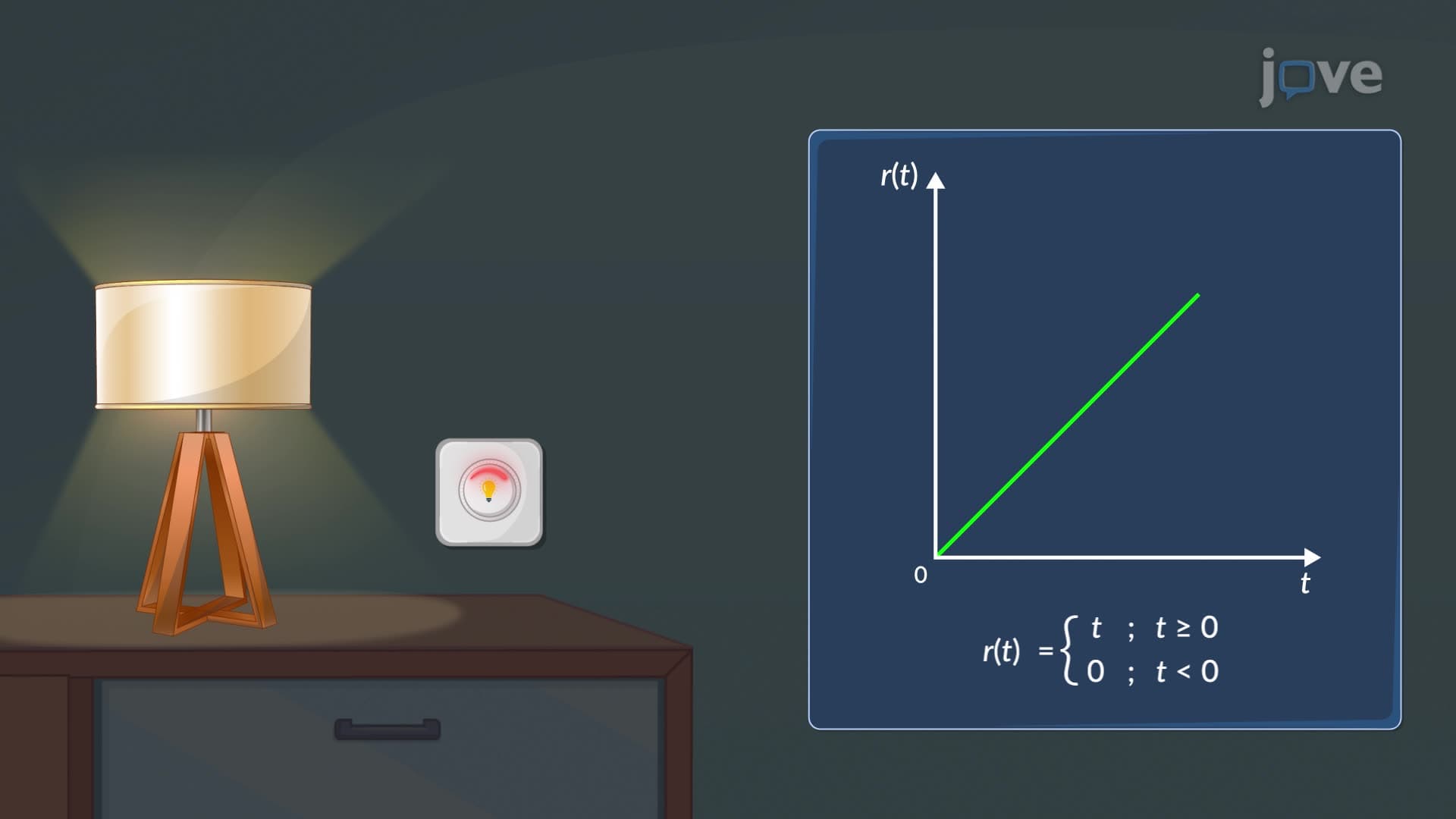

Video Summary: Transient and Steady State Response Explained
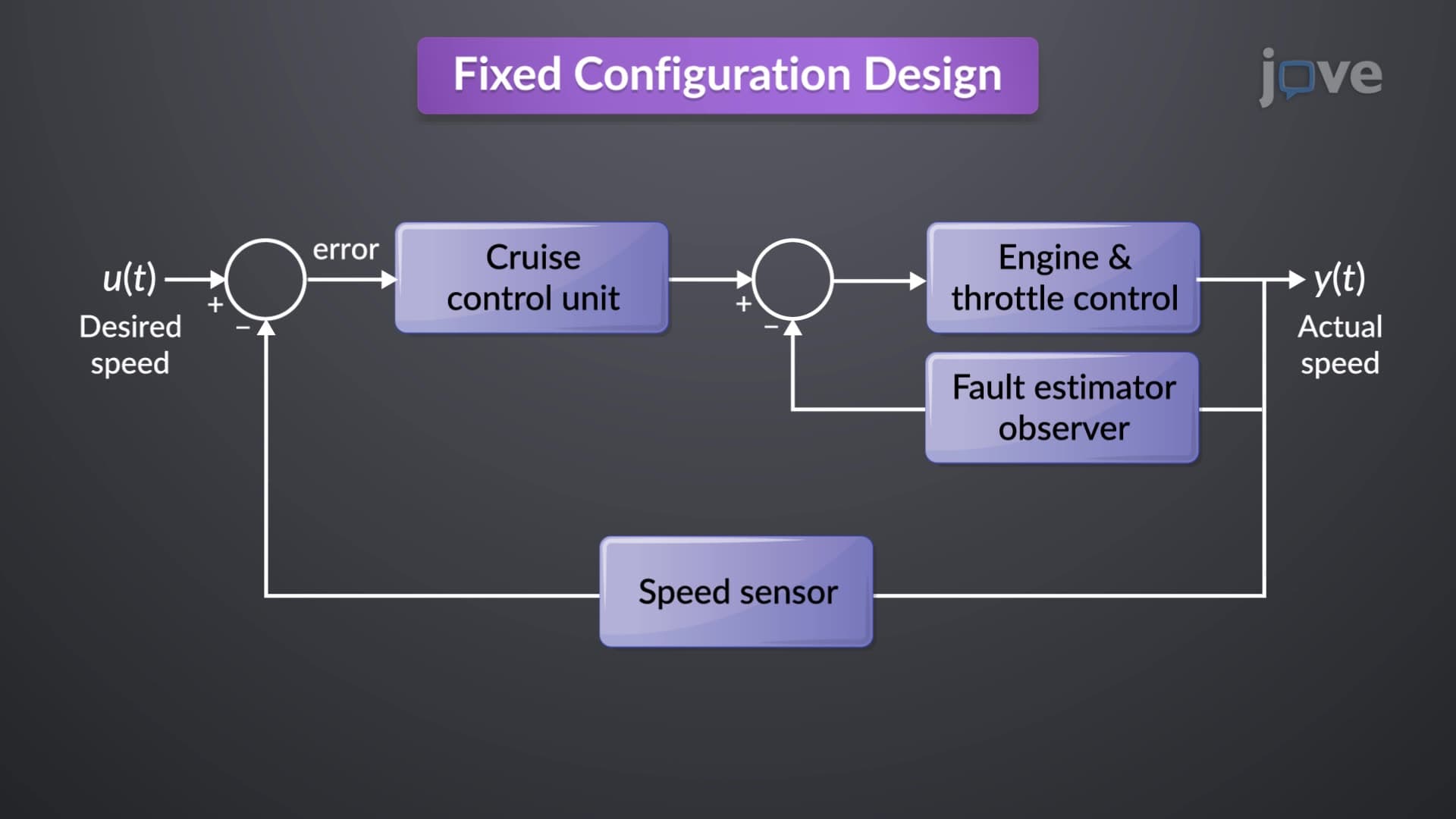
Ever wonder why your car's speedometer doesn't instantly jump to 60 mph when you press the gas? First order systems like automotive cruise control demonstrate how real-world systems transition through temporary changes before settling into stable behavior. From Tesla's autopilot adjustments to Boeing's aircraft stabilization systems, understanding transient and steady state response explained reveals why engineering systems can't achieve instant perfection. These fundamental concepts govern everything from your smartphone's battery charging curve to NASA's spacecraft trajectory corrections. Watch the full video on JoVE Coach to master this concept with expert-led visuals and step-by-step explanations.
Transient and steady state response explained begins with recognizing that all physical systems exhibit two distinct behavioral phases when subjected to input changes. The transient response represents the system's temporary adjustment period, while steady-state response describes the final, stabilized behavior after all transients have died out.
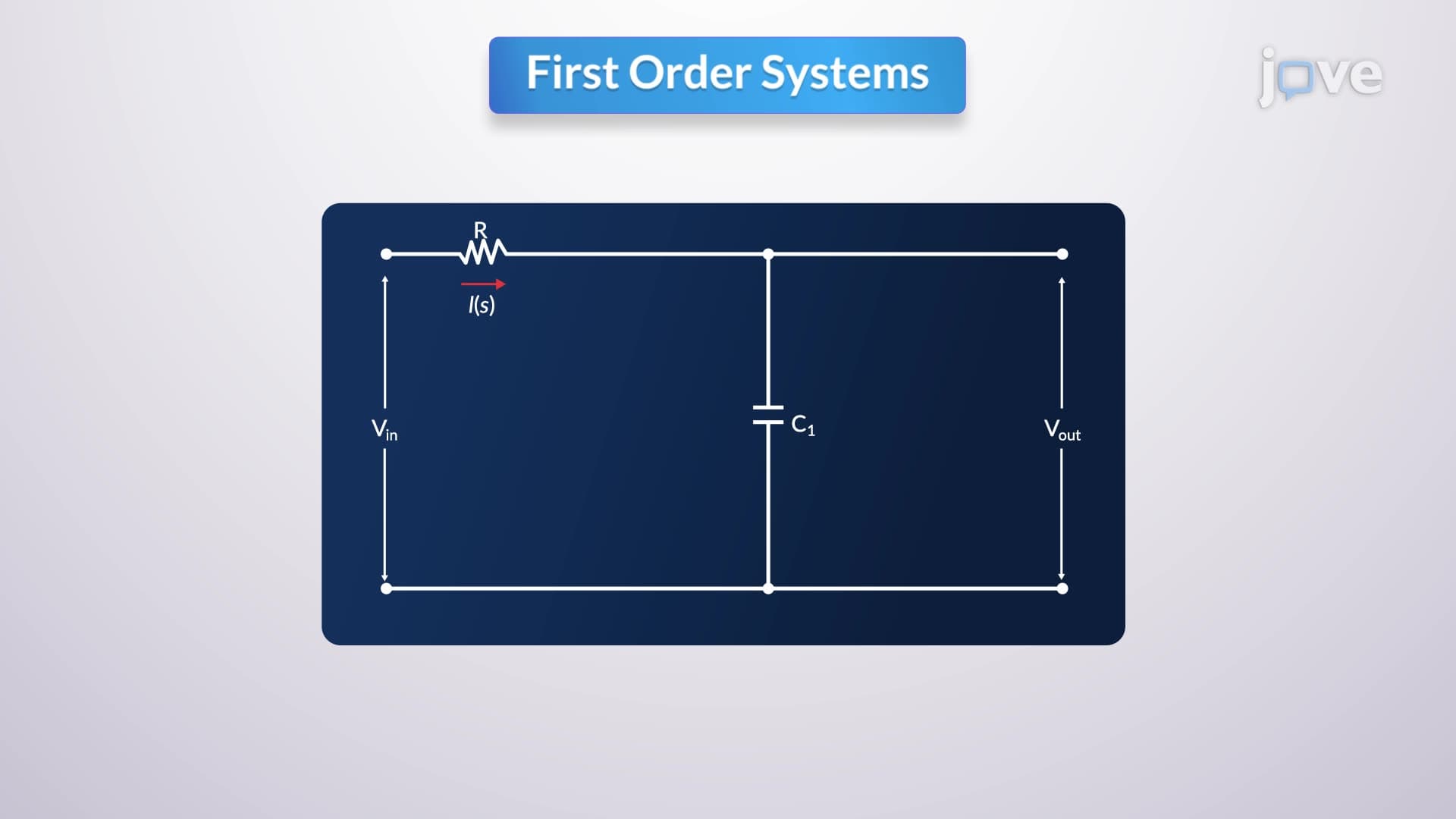
Consider a simple RC circuit charging through a resistor - when voltage is suddenly applied, the capacitor doesn't instantly charge to full voltage. Instead, it follows an exponential curve, gradually approaching the final value. This charging curve exemplifies transient behavior in first order systems, which are characterized by a single energy storage element.
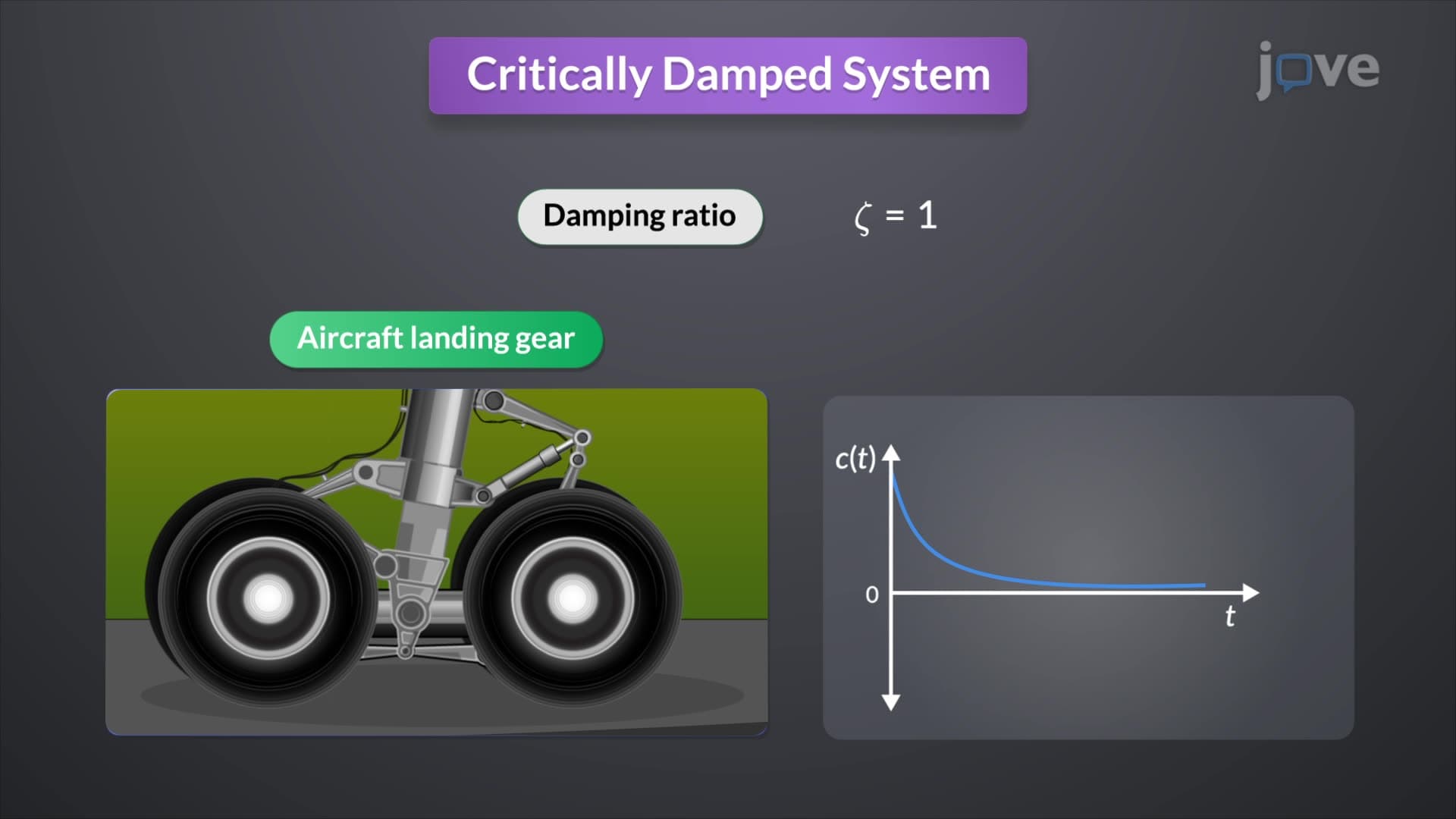
Types of first order systems appear throughout engineering disciplines. Thermal systems like building HVAC controls exhibit first-order behavior when room temperature gradually adjusts to thermostat settings. In electrical engineering, RC and RL circuits demonstrate classic first-order responses. Mechanical systems include automotive suspension dampers and aircraft control surfaces.
Boeing 737 autopilot systems utilize first-order controllers to maintain altitude. When the pilot sets a new altitude, the aircraft doesn't immediately jump to that height - instead, it follows a controlled ascent or descent curve that represents the transient response, eventually stabilizing at the commanded altitude (steady-state response).
Engineers use three primary test signals to analyze system behavior: step functions for sudden changes, ramp functions for gradual variations, and impulse functions for shock inputs. These standardized inputs help predict how systems will respond to real-world disturbances.
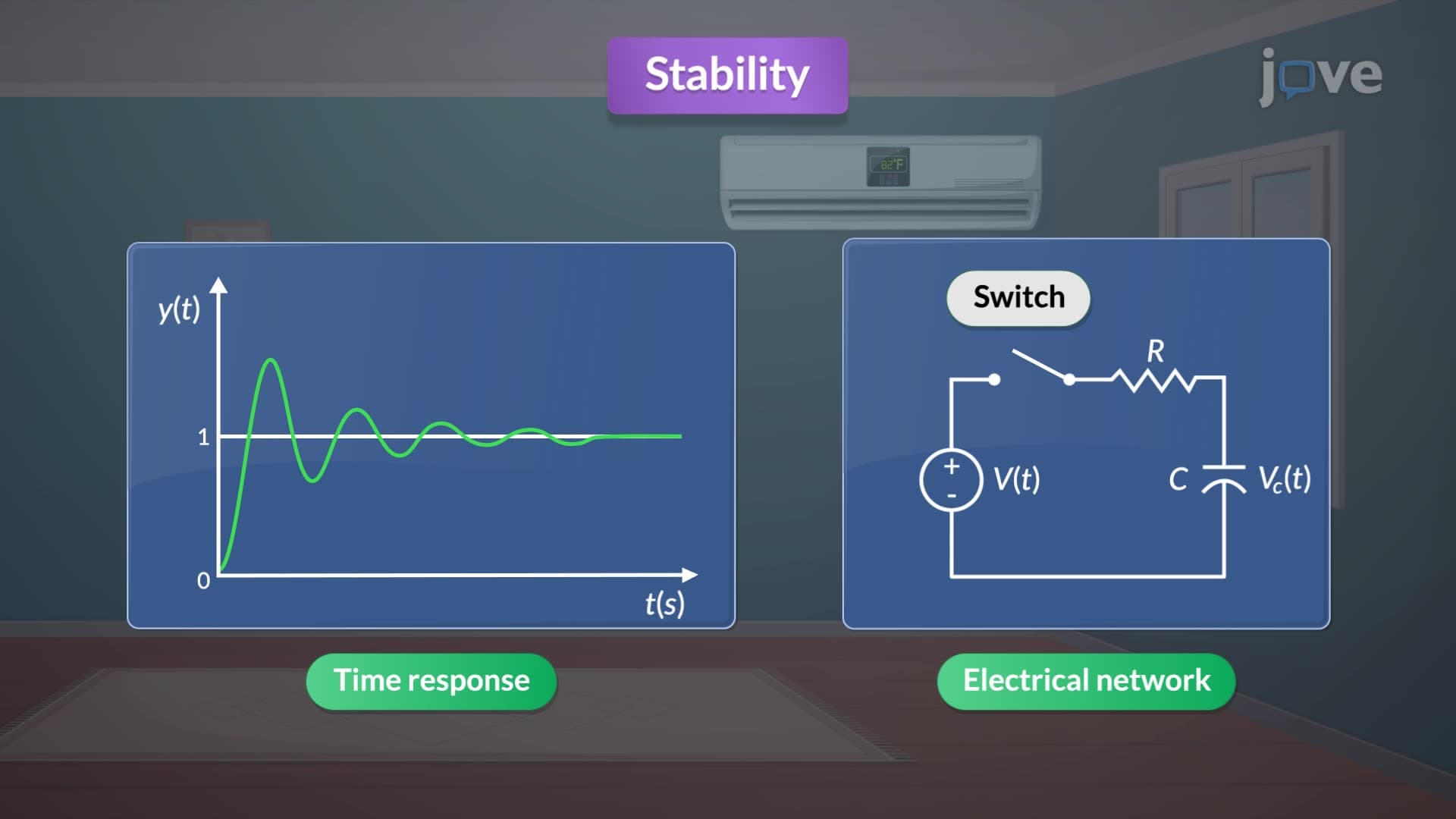
What are first order systems overview includes understanding stability classifications. A stable system returns to equilibrium after disturbances - like a car's cruise control maintaining speed despite hill grades. Critically stable systems oscillate indefinitely without growing or decaying, while unstable systems diverge exponentially from their intended operating point.
The difference between desired output and actual steady-state output defines steady-state error, a critical performance metric. For example, if a manufacturing robot arm is commanded to position at exactly 10.00 inches but consistently settles at 9.95 inches, the steady-state error is 0.05 inches or 0.5%.
This concept frequently appears on AP Physics exams and college-level control systems courses, where students must calculate steady-state error from transfer functions and determine system accuracy requirements for specific applications.
Related Micro-courses